
November 5, 2026
Why Did My Garage Door Spring Break? (And What to Do Next)
A broken garage door spring is the #1 repair we see. Here's why springs fail, what it costs to fix, and why you should never DIY it.
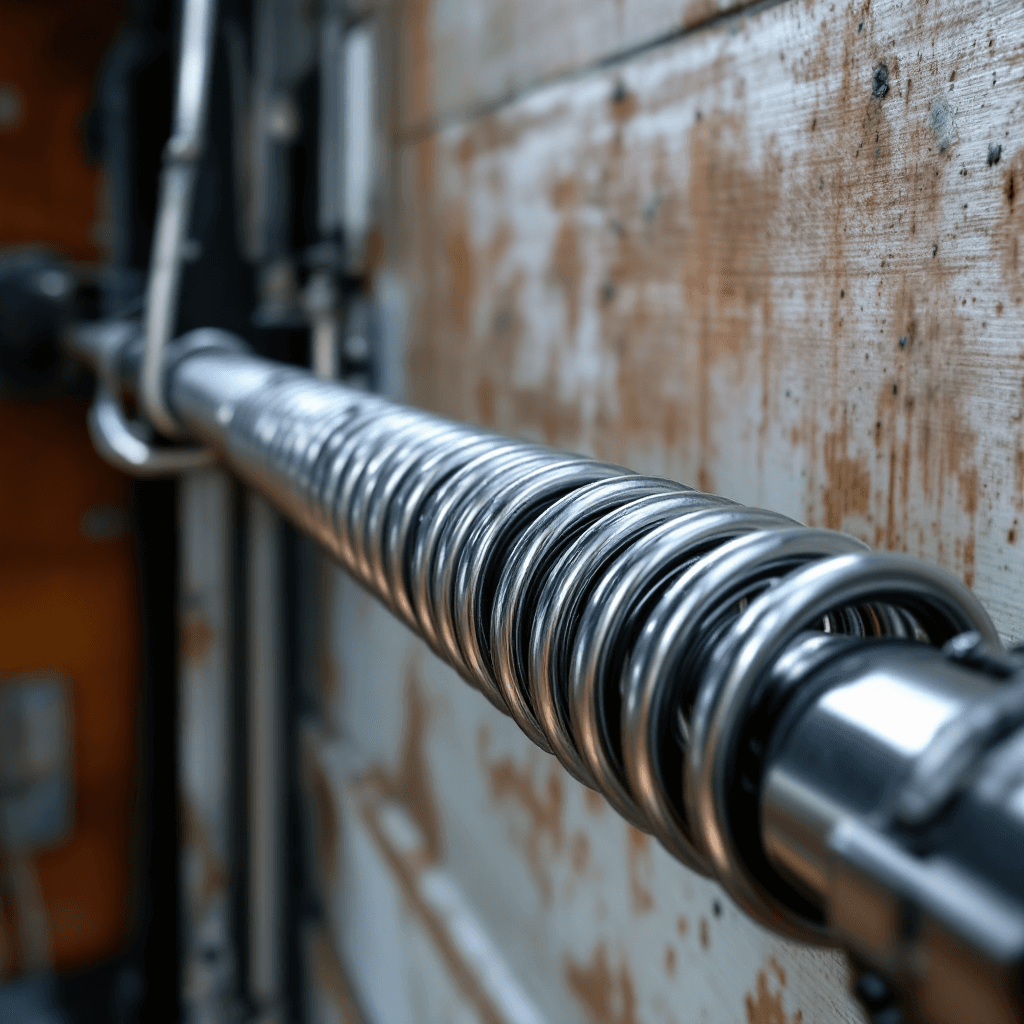
Why Did My Garage Door Spring Break? (And What to Do Next) is one of the most common questions we hear from homeowners across the greater Seattle area. In this guide, the experts at Seattle Garage Door Fix break down everything you need to know — what causes the problem, how to spot it early, what it costs to fix, and when to call a professional. Our goal is simple: help you keep your garage door safe, quiet, and reliable year-round.
Your garage door is the largest moving part of your home — and in the damp Pacific Northwest climate, its springs, cables, rollers, and opener take a beating. Understanding how the system works makes it far easier to catch small problems before they become expensive emergencies.
What Causes This Problem
Most garage door issues trace back to a handful of worn components. Springs lose tension and eventually snap after thousands of cycles. Cables fray and rust — especially in our wet climate. Rollers wear flat and start to bind. Openers suffer stripped gears, failed logic boards, and misaligned safety sensors. Knowing the usual suspects helps you describe the problem accurately when you call for service.
- Cable has snapped or come off the drum
- Door hangs crooked or lopsided
- Frayed or rusted cables
- Door closes unevenly or binds on one side
- Loud snap followed by a stuck door
- Cable tangled around the drum
How to Tell If You Need Repair
Garage doors rarely fail without warning. Listen for new noises — grinding, squealing, or a loud bang. Watch how the door moves: does it hesitate, jerk, reverse, or look crooked? Try the balance test: disconnect the opener and lift the door halfway by hand. A well-balanced door stays put; one that slams down or flies up has a spring problem. If anything feels off, stop using the door and have it inspected.
DIY vs. Calling a Professional
Some garage door maintenance is perfectly safe to do yourself — lubricating rollers and hinges, tightening loose bolts, cleaning the tracks, and testing the auto-reverse safety feature. But anything involving the springs or cables should always be left to a trained technician. These components are under extreme tension and are a leading cause of serious DIY injuries. When in doubt, it's safer and often cheaper in the long run to call a pro who carries the right parts and tools.
- 1
Cable & drum inspection
We check both lift cables, the drums, and the springs — since a cable failure often follows a spring break.
- 2
Tension-safe removal
We relieve spring tension safely before removing the damaged cables to protect you and the door.
- 3
Install matched cables
We install correctly sized aircraft-grade lift cables and reset them properly on the drums.
- 4
Re-level the door
We re-tension and level the door so both sides lift evenly and the cables track correctly.
- 5
Cycle & safety test
We run multiple open/close cycles to confirm the cables seat correctly and the door is balanced.
What It Costs
Pricing depends on the specific parts your door needs, its size and weight, and whether you choose standard or high-cycle components. As a general guide, garage door cable replacement typically runs $110–$300 for most cable replacements. At Seattle Garage Door Fix, you always get a clear, written, upfront quote before any work begins — no diagnostic surprises and no hidden trip fees.
How Seattle Garage Door Fix Can Help
Our licensed, bonded, and insured technicians service every major garage door and opener brand across King, Pierce, Snohomish, and Kitsap counties. We offer same-day appointments and 24/7 emergency service, fully stocked trucks for one-visit repairs, and a workmanship warranty on everything we do. Whether you're in Beaux Arts Village or any of the 60+ cities we serve, help is close by.
- Same-day & 24/7 emergency garage door repair
- Licensed, bonded & insured Washington technicians
- Upfront, honest pricing — no surprise fees
- Workmanship & parts warranty on every job
- 5-star rated across King, Pierce, Snohomish & Kitsap counties
Frequently Asked Questions
Have a garage door question we didn't cover? Call Seattle Garage Door Fix at (888) 799-3819 — we're happy to help, and estimates are always upfront and honest.
Why Cable Failures Often Follow Springs
Cables and springs share the load, so they tend to fail together. In our damp the Seattle area climate, cables also rust from the inside out. When we replace a cable we check the springs and drums as well, so you don't end up with a second failure a few weeks later.
What to Look for in a Repair Company
Not all garage door companies are the same. Before you hire anyone in the Seattle area, make sure they're licensed, bonded, and insured, that they quote in writing before starting, and that they back their work with a warranty. Be wary of lowball phone quotes that balloon on-site, and of anyone who pressures you toward a full replacement without explaining why. Seattle Garage Door Fix checks every one of those boxes.
Repair or Replace? How We Help You Decide
Repair or replace? It's the question every the Seattle area homeowner eventually faces. We answer it honestly: a sound door with one failed part is almost always worth repairing, while a door that's aging across the board may be better replaced. We give you the real numbers either way.
Our recommendation factors in the door's age, the repair cost versus a new door, whether parts are still made, and how hard you use the garage. The decision is always yours — we just make sure you have the full picture before you make it.
Getting You Back to Normal Fast
Speed matters when your door is down. In the Seattle area, a typical spring or cable repair takes about an hour, a roller set a bit less, and an opener installation a couple of hours. Stocked trucks mean one visit, not a string of appointments.
Our Work Is Guaranteed
We stand behind everything we do. Every repair and installation from Seattle Garage Door Fix is covered by our workmanship warranty, and the parts we install carry their own manufacturer warranties. If something isn't right, we make it right.
That confidence comes from doing the job correctly the first time — using quality parts, following manufacturer specifications, and testing the full system before we leave. It's why so much of our work in the Seattle area comes from repeat customers and neighbor referrals.
What to Do While You Wait for Your Technician
A failed door can be dangerous, so take a few precautions before we get to your the Seattle area home. Never force an unbalanced door — a broken spring or cable means it can drop suddenly. Leave the opener alone, keep kids and pets well clear, and don't park under the door.
Got a car stuck inside? The red manual-release cord disconnects the opener so you can lift the door by hand — but only if the springs are still intact. If they're not, wait for us. Our the Seattle area technicians will make the door safe and get you moving again fast.
Decoding the Sounds Your Door Makes
New noises are early warning signs. In the Seattle area homes, a bang means a broken spring, grinding means worn rollers or a failing gear, squeaks mean dry parts, and rattles mean loose hardware. Paying attention to what you hear lets us fix the cause before the door quits entirely.
The Case for a Properly Balanced Door
A properly balanced garage door is the foundation of a long-lasting system. When the springs are correctly tensioned, the door's weight is counterbalanced so it feels nearly weightless — the opener barely has to work, and the door holds its position at any height. When the balance is off, the opener strains, the rollers wear faster, and the whole system ages prematurely.
You can test it yourself: with the door closed, pull the opener's manual release and lift the door halfway by hand. A well-balanced door stays put; one that slams down or springs up needs adjustment. Our the Seattle area technicians fine-tune the balance on every visit so your door runs smoothly and your opener lasts.
Protecting Your Garage Door Investment
The cheapest garage door is the one you don't have to replace early. Regular tune-ups, fixing small problems before they cascade, and using quality parts keep a the Seattle area door running for decades. We help you protect that investment with honest maintenance, not unnecessary replacements.
Garage Door Misconceptions We Hear Often
A few garage door myths cost homeowners money. One is that a noisy door just needs oil — often it's worn rollers or loose hardware that oil only masks. Another is that you can safely replace a spring yourself; in reality, springs store enough energy to cause serious injury. And many people assume a door that works is a door that's safe, when the auto-reverse and sensors may have quietly failed. We set the record straight on every the Seattle area visit.
Garage Door Safety Features Explained
Modern garage doors have two key safety systems, and both must work. The photo-eye sensors near the floor project an invisible beam; if anything breaks it while the door is closing, the door reverses. The auto-reverse force setting makes the door back off if it contacts an object. We test both on every the Seattle area service call, because a failed safety system can be dangerous — especially in homes with children or pets.
Caring for Your Door Through the Seasons
Our region's weather puts garage doors through a lot. Cold snaps thicken old lubricant and make brittle springs more likely to snap, which is why so many breaks happen on the first freezing morning. Damp fall and winter months accelerate rust on cables and springs. A quick seasonal routine — lubricating moving parts before winter and clearing the tracks of leaves and grit — keeps your the Seattle area door reliable year-round.
Serving the Seattle area and the Surrounding Area
Seattle Garage Door Fix is proud to serve the Seattle area and the wider the greater Seattle area community. Our technicians work in this area every week, so they know the homes, the common door and opener brands, and the issues our climate tends to cause. That local experience translates into faster, more accurate service for you.
Whether you're dealing with an emergency or just planning ahead, help is close by. Call (888) 799-3819 to schedule cable replacement in the Seattle area — we offer same-day appointments and 24/7 emergency response so you're never left waiting.
DIY vs. Professional Garage Door Work
Some garage door tasks are perfectly safe for homeowners: lubricating rollers and hinges, tightening loose nuts and bolts, cleaning the tracks, testing the auto-reverse, and replacing weatherstripping. Anything involving the springs, cables, or the door's balance, though, should be left to a professional — those parts are under extreme tension and cause serious injuries every year. When in doubt, call us; the diagnosis is honest and the quote is free.
Garage Door Parts That Commonly Fail
Understanding the main components of your garage door makes it much easier to spot trouble early. The system relies on a handful of parts working in balance: the torsion or extension springs that do the heavy lifting, the steel cables that connect the springs to the bottom of the door, the rollers and tracks that guide its travel, the opener that automates it, and the photo-eye sensors that keep it safe. When any one of these wears out, the whole door can stop working.
Springs carry the most load and wear out first — most standard springs are rated for roughly 10,000 cycles, or about seven years of average use. Cables fray and rust, especially in our damp climate. Rollers develop flat spots and start to bind. Openers suffer stripped gears, failed capacitors, and logic-board faults. Knowing which part is likely at fault helps our the Seattle area technicians diagnose and fix the real problem quickly.
- Torsion & extension springs — the #1 failure point
- Lift cables & cable drums
- Nylon or steel rollers & tracks
- Opener motor, gears, and logic board
- Photo-eye safety sensors & wiring
- Hinges, brackets, and weather seals
Respecting Your Home on Every Visit
We treat your the Seattle area home the way we'd want ours treated. Our technicians arrive in clean uniforms and marked vehicles, protect your floors and belongings, and clean up completely before they leave. You'll always know who's coming, and every technician is background-checked, licensed, and trained on the brands we service.
Honest, Upfront Pricing — No Surprises
Nobody likes a surprise invoice. That's why Seattle Garage Door Fix quotes every job in writing before any work begins. You'll know exactly what the repair costs, what parts are involved, and what your options are — including the difference between a quick fix and a longer-lasting upgrade. There are no hidden trip charges and no high-pressure upsells.
Stocked trucks mean most the Seattle area repairs are done in one trip at the quoted price — no return visits, no part-sourcing delays. And if we ever uncover something unexpected, we pause and talk it through before doing anything.
The Free Safety Check on Every Visit
No matter why we're at your the Seattle area home, we run a complimentary multi-point safety check: spring balance, cable and drum condition, roller and track wear, opener force and travel limits, and a full test of the auto-reverse and photo-eye safety systems. It's the easiest way to catch a small issue before it strands you.
For the Seattle area homeowners, that proactive approach pays off. We'll point out any parts that are near the end of their life and give you an honest, no-pressure recommendation — so you can plan ahead instead of getting caught by a surprise breakdown on a cold morning.
Energy Efficiency & Your Garage Door
For attached garages — and for garages used as workshops, gyms, or home offices — the door has a real effect on comfort and energy bills. An insulated door and tight weather seals keep conditioned air in and our cool, damp the greater Seattle area air out. If your garage is hard to heat or your energy bills creep up in winter, the door and its seals are a smart place to look.
Need a garage door fixed?
Same-day & 24/7 service across the Seattle area.