
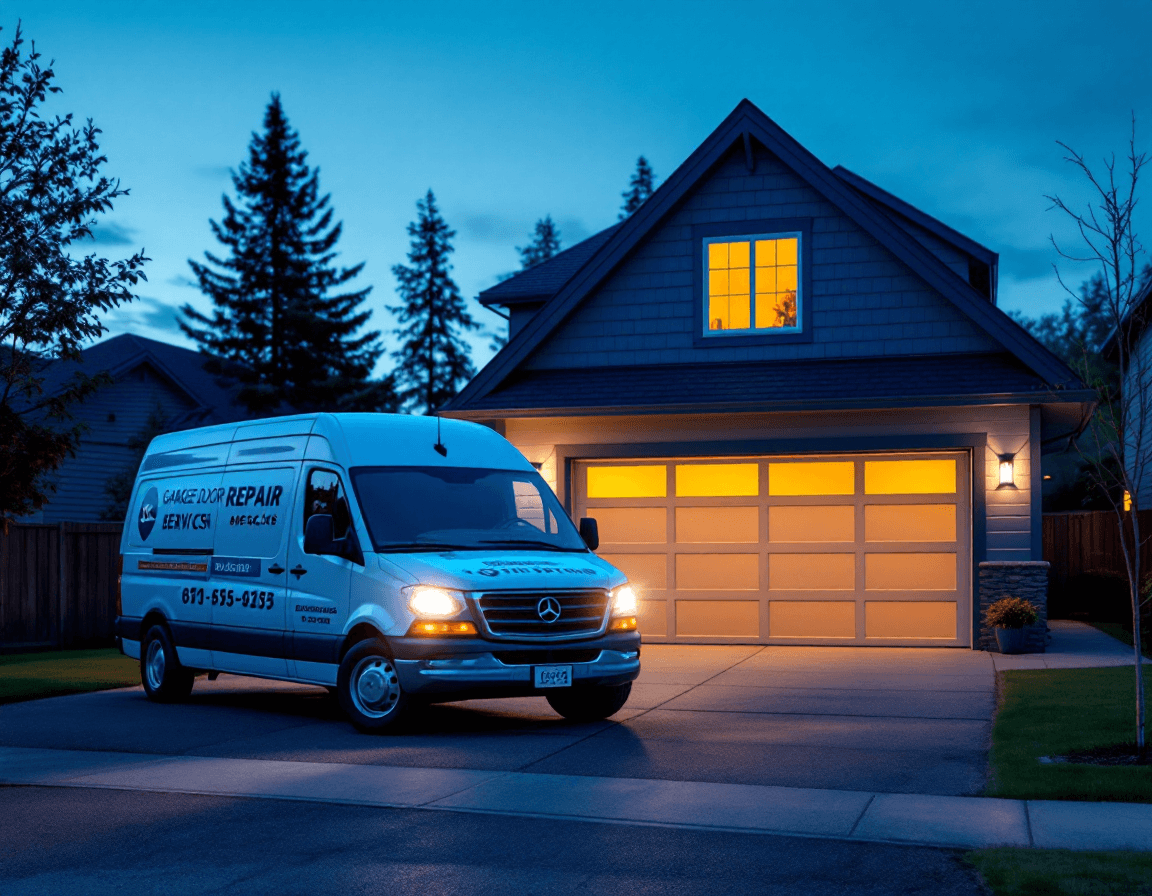
Garage door problems rarely wait for a convenient time. A spring can snap during the morning commute, a cable can jump its drum after a long rainy week, or an opener can quit right when you need to pull the car out for an early shift. When you need emergency garage door repair in Sumner, the goal is to make the door safe, secure the home, and get a licensed technician out to fix the root cause rather than just getting the door to move once. Our crews serve Sumner and the surrounding Pierce County communities across ZIP codes 98390 and 98391, and we know how much local weather and housing styles affect what fails and when.
Sumner sits in the Puyallup River valley, and that setting shapes how garage doors behave. Winters bring long stretches of damp air, cold mornings that drop below freezing, and sudden temperature swings that stress metal and wood alike. Many homes here have a mix of older detached garages, attached two-car bays from the 1990s and 2000s, and newer builds in planned neighborhoods, so the equipment on the other side of the door can vary widely. Knowing what is typical for your house helps you describe the problem accurately when you call, which often speeds up the diagnosis.
If your door is stuck, crooked, noisy, or completely unresponsive, the advice below will help you stay safe while you wait for help. It also explains which tasks belong to a professional and which simple checks you can make yourself. Nothing here replaces an on-site inspection, but a few minutes of careful observation can save time and give the technician useful information. Call (888) 799-3819 whenever you are unsure whether a situation is an emergency.
When a Stuck Door in Sumner Becomes an Emergency
Not every garage door problem requires an immediate visit, but some situations do. A door that is stuck halfway open with the family car inside, a door that will not close and leaves the garage exposed overnight, or a door that makes a sudden loud bang followed by no movement all deserve prompt attention. Anything that leaves your home open to weather, animals, or unwanted visitors is a security concern that should be handled quickly. Likewise, if the door is hanging at an angle or one side appears lower than the other, the door could fall and cause injury or property damage.
Local conditions can turn a minor issue into a larger one. In a wet season, a door that sticks in its tracks may be suffering from swollen weatherstripping or a track that has shifted slightly from ground movement and moisture. A door that barely moves on a cold morning may simply need the lubrication and spring tension checked after a frost. The difference between a manageable repair and a true emergency often comes down to whether the door can be safely secured and whether the core components are still doing their job.
When you call, describe what you see, hear, and experience as precisely as possible. Mention whether the door moved at all, whether the opener light blinked, and whether anything unusual happened just before the failure. This information lets the dispatcher judge urgency and bring the right parts. Accurate details also help us determine whether the problem is isolated to the opener, the door hardware, or the spring system.
Reading the Sounds a Door Makes Before a Spring Breaks
Garage doors usually give warning signs before a spring fails, even if those signs are easy to overlook. A sharp pop or a dull thud from the top of the door, a door that suddenly feels much heavier when lifted by hand, or a gap that opens between the bottom seal and the floor can all point to a weakening torsion or extension spring. Many homeowners in the Sumner area first notice this when the door begins to rise unevenly or stops partway through its travel. Ignoring these clues increases the chance of a complete failure at an inconvenient moment.
Rust and corrosion accelerate spring fatigue, especially in regions with persistent moisture. Steel springs that sit in damp garages through repeated wet months can develop surface rust that weakens the metal over time. Galvanized and oil-tempered springs handle moisture differently, but no spring is immune to years of cycling under heavy load. If your home has an unheated garage that holds humidity, a spring inspection every year or two is a sensible habit.
Listen for grinding, squealing, or rattling during operation as well. Rollers that have worn flat or hinges that have loosened can transfer strain to the spring system and the opener. A door that jerks at the start of each opening cycle may have uneven tension or a failing opener drive. Documenting these sounds, even with a quick phone recording, gives the technician a head start on finding the source.
Why Western Washington Weather Wears on Garage Doors
The Pacific Northwest climate is famously damp, and garage doors feel that more than most exterior components. Moisture collects in tracks, seeps into wood panels, and encourages corrosion on hardware that rarely dries out fully in winter. A door that opens smoothly in August may bind and stick in December when the metal contracts and the rubber seals stiffen. Those seasonal cycles are a major reason emergency calls spike after prolonged wet periods.
Temperature changes also matter. A cold snap can make rubber weatherstripping brittle and cause sections of a steel door to flex differently than they do in milder weather. Moisture that freezes inside a track can prevent rollers from rolling, and ice or slush trapped at the threshold can block the door from sealing. Homeowners sometimes assume a door is broken when it is simply responding to a freeze, so checking the tracks for ice or debris is a useful first step.
Wind is another factor, particularly during winter storms that move through Pierce County. Strong gusts can push against a large door, pulling on the springs and tracks in ways that stress the whole assembly. Wood doors can warp under alternating wet and dry conditions, causing panels to rub against the frame. A well-maintained door with good hardware handles these forces, but aging components are more likely to give way during a storm.
Safe Steps to Take Before a Technician Arrives
While you wait for help, a few safe steps can protect people and property. Keep everyone, including children and pets, away from the door and its tracks. Avoid standing under a door that is partially raised or hanging unevenly. If the door appears to be leaning or sagging, do not try to lift or brace it yourself.
Use the list below as a starting point for safe, low-risk actions:
- Park vehicles outside the garage if the door is stuck open or cannot be closed.
- Shut off power to the opener at the outlet or breaker if the motor is making strange noises or you smell burning.
- Check that the garage door's bottom seal and tracks are free of visible debris, such as leaves, gravel, or pet toys.
- Take clear photos of the door, tracks, springs, and opener from a safe distance to share with the dispatcher.
- Write down the make and model of the opener if you can find the label, along with any recent maintenance dates you remember.
- Keep your remote, keypad, and wall control accessible so the technician can test the system once the repair is complete.
Temporary security measures can also help. Lock the interior door between the garage and the house, and move valuables out of sight from street view. If the door cannot be closed at all, a secure temporary barrier may be necessary until repairs are finished. Avoid anything that puts a strain on the opener or the door itself, such as trying to force the door down with a rope or chain.
Components You Should Never Adjust Yourself
Garage door springs store enormous amounts of energy, and they can release it with force capable of causing serious injury. Torsion springs mounted above the door and extension springs running along the tracks should be handled only by a licensed professional with the right tools. Even experienced DIYers can be hurt when a winding bar slips or a spring unwinds unexpectedly. Please do not attempt to remove, wind, or replace springs under any circumstance.
Cables and drums present a similar hazard. A cable that has come off its drum or frayed can snap under tension, and drums can rotate suddenly if the spring is compromised. The door's counterbalance system is designed to support a heavy load, and any mismatch can cause the door to drop. Our technicians inspect these components carefully and replace them with parts matched to the door's weight and dimensions.
Be cautious with the emergency release cord as well. Pulling the red release handle on a door that is closed or partially open can cause it to drop suddenly, especially if the springs are weak or broken. Use the release only when you understand the door's condition and the area beneath it is clear. If you are unsure, leave the handle alone and call for assistance.
Matching Repairs to the Mix of Homes in Sumner
Sumner's housing stock varies from older homes near the historic downtown core to newer neighborhoods built out over recent decades. Older garages may have hand-built framing, nonstandard door sizes, or retrofitted openers that were never designed to work together. Newer homes often have insulated steel or composite doors with more advanced sensors and smart openers, which bring their own diagnostic challenges. Recognizing the age and style of your home helps us prepare the right parts before we arrive.
Detached garages common on larger lots can present additional issues. These structures sometimes lack proper insulation or ventilation, which allows moisture to build up and speeds up corrosion. Wiring for openers may run a long distance from the house, and power interruptions can affect the opener in ways that are not obvious at first. We look at the entire setup, including electrical supply, weatherseal condition, and track alignment, before deciding on the fix.
Some homeowners also ask about custom or decorative doors that add character to their properties. Wood and carriage-style doors often require specialized hardware and careful alignment to resist warping in damp conditions. A reputable technician will explain the trade-offs between repair and replacement and will avoid recommending a full replacement when a targeted repair will restore safe operation. If replacement is the better long-term choice, we will walk you through the options clearly.
Opener Failures During Power Dips and Storm Nights
Power interruptions are a frequent source of emergency calls, especially during winter storms when lines can be affected by wind or falling debris. When power drops, the opener may stop mid-cycle, and the door can be left in an awkward position. Once electricity returns, some openers reset automatically while others need a manual reset or a fresh set of limit settings. Understanding which situation you have can prevent unnecessary service calls.
Start by checking whether the opener's indicator lights are on and whether the wall button responds. If the opener is powered but the door still will not move, the problem may be the logic board, the drive gear, or a disconnected trolley arm. Sometimes the disengagement lever has been pulled, which lets the door move by hand but leaves the opener unconnected. Make sure the lever is in its normal position before testing again.
If you have a battery backup for the opener, check its condition and replace batteries when needed. Backup batteries can be drained by repeated attempts to operate the door during an outage. Keep in mind that a battery backup is not a substitute for proper maintenance, and any repeated failures should be inspected by a technician. We can evaluate whether the opener, wiring, or outlet is the true cause.
Sensor Problems and Auto-Reverse Troubleshooting
Modern garage doors include safety sensors near the floor that stop and reverse the door if something blocks the path. These photo-eye sensors are essential for safety, especially in households with children or pets. When they fail or become misaligned, the door may refuse to close, close and then reopen immediately, or stop halfway with no clear reason. Many emergency calls trace back to a sensor that has been knocked out of alignment or covered in dust, cobwebs, or road grime.
Check the sensors by looking for small indicator lights on each unit. Solid lights usually mean the sensors are communicating, while blinking or absent lights can point to wiring issues or misalignment. Gently wipe the lenses with a dry cloth and confirm that the two sensors face each other without obstruction. Do not attempt to modify the wiring or bypass the sensors, since doing so removes an important safety feature.
Auto-reverse settings on the opener should also be checked during troubleshooting. If the force setting is too sensitive, the door may reverse when it meets a small amount of resistance caused by a warped track or moisture buildup. Excessive force settings can mask a real problem and create hazards. A technician can measure the door's balance and adjust the settings to match its actual weight and operating conditions.
What a Same-Day Visit Usually Includes
When you request emergency service, we begin by asking about the symptoms and confirming the access details for your property. Our technician will then inspect the door from both the interior and exterior, paying attention to the springs, cables, drums, tracks, rollers, hinges, and opener components. The goal is to make the door safe first, then restore normal operation with a repair that will last. We will explain what we find in plain language and discuss options before performing any work that is not already covered by your approval.
Repairs typically fall into a few common categories. Broken springs require careful replacement with correctly matched parts, while track or roller issues may only need realignment and new hardware. Opener problems are sometimes solved with a logic board replacement, a new drive belt, or a corrected limit setting. In some cases, the best option is a combination of repairs that addresses several failing components at once.
Clear communication matters at every step. You should understand what has failed, what it will take to fix it, and whether there are safety concerns that need attention right away. We will test the door through several full cycles before leaving, including sensor and auto-reverse checks, and we will show you how to operate it safely. Please call (888) 799-3819 to speak with someone about your situation and to schedule service.
Simple Maintenance That Prevents the Next Emergency
Preventive care is one of the most effective ways to avoid emergency calls. Once or twice a year, look over the door for visible wear, such as frayed cables, rust spots on springs, cracked rollers, or loose hardware. Tighten nuts and bolts that have worked themselves loose, but do not adjust spring tension or attempt to rewind springs. A professional inspection can catch problems that are not visible to the untrained eye.
Keep the tracks and the bottom seal clean. Remove debris, wipe away grit, and make sure nothing blocks the path of the door. Use a garage-door-specific lubricant on hinges, rollers, and the lift mechanism, following the manufacturer's guidance so you do not attract dirt. Avoid using heavy grease on tracks, since it can collect dust and cause sticking.
Consider a seasonal check before the wettest months of the year. A technician can evaluate the weatherstripping, test the opener's safety features, and confirm that the springs are in good condition before winter weather arrives. For homeowners in Sumner and nearby areas, scheduling this inspection before the rainy season can reduce the chance of a stuck door during a cold snap or storm. Regular attention keeps your door reliable and your household safe, and it gives you peace of mind when you need the garage most.
Emergency garage door repair in Sumner is most successful when you act quickly, describe the problem accurately, and leave the dangerous work to licensed professionals. Whether your door is stuck, silent, or hanging crooked, our team is ready to help homeowners across ZIP codes 98390 and 98391 get back on track. Call Seattle Garage Door Fix at (888) 799-3819 for prompt, professional service you can trust.