
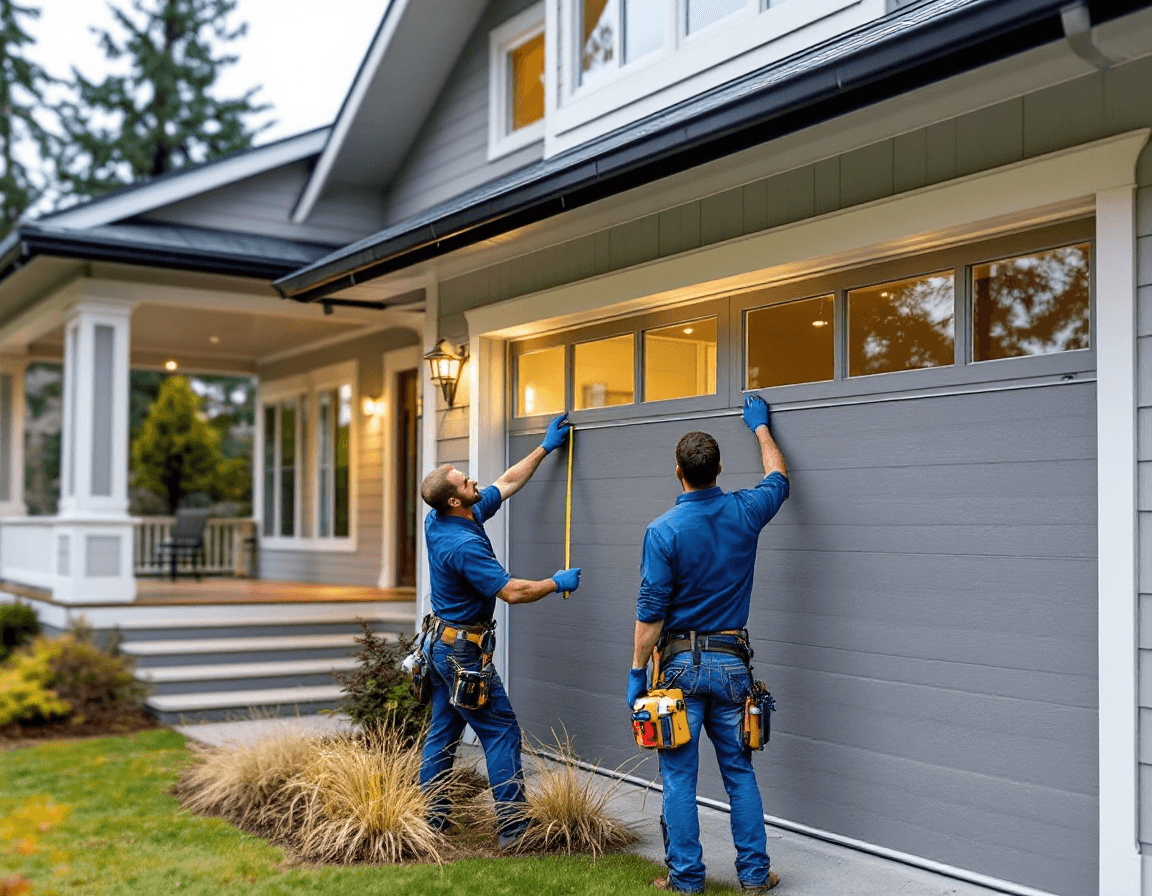
Garage Door Installation & Replacement in Bainbridge Island, WA is one of the more practical upgrades a homeowner can make on the island, especially when the existing door has warped, rusted, or stopped sealing against the Puget Sound weather. Bainbridge sits across Puget Sound from Seattle, and most homes here face a mix of damp winters, salt-tinged breezes, and long stretches of gray drizzle that a garage door has to handle every day. A new door can change how your garage feels, how warm the rooms above or beside it stay, and how much time you spend fixing something that should have been replaced years ago.
This page explains how we approach new single and double garage door installations across the island, from the older farmhouse garages near Lynwood Center to newer builds in the hills above Winslow and the homes near Rolling Bay. We cover the materials that hold up well in our climate, the signs that a door has reached the end of its useful life, and what to expect from a professional installation. We also explain how pricing generally works, since the range is wide and depends on the door you choose and the condition of the opening.
If you are weighing a replacement right now, the most useful thing you can do is understand your own situation before you pick a style from a catalog. Bainbridge garages come in many shapes and ages, and the right door depends on the opening, the exposure, your budget, and how you actually use the space. The sections below walk through those considerations in order, so you can make a decision you will still be happy with after the first wet winter.
When a Door Has Simply Run Out of Road
Some garage doors fail slowly, through a series of repairs that each seem reasonable at the time. A new roller here, a replaced cable there, and a fresh coat of paint on the panels can keep an old door running for years. Eventually, though, the bill for patching adds up to more than a new door would cost, and the door still rattles, sags, or lets in cold air. We see this often on island homes built in the 1970s and 1980s, where the original steel sections have developed dents and the panel joints have loosened over decades of use.
Damage from a storm is another common reason for replacement. A fallen branch, a windstorm that bends a section out of its track, or a vehicle that backs into the door can crack panels, bend the frame, or twist the tracks beyond a practical repair. When a section is damaged this badly, the replacement cost of individual parts often approaches the cost of a complete door. In those cases we usually recommend starting fresh, because a mismatched or patched door rarely closes evenly and can strain the opener.
Rot and rust deserve special attention on Bainbridge. Wood doors that have been exposed to repeated rain without adequate sealing can soften at the bottom rail, delaminate at the seams, or develop soft spots around hardware. Steel doors, meanwhile, can rust where scratches expose bare metal, particularly near the bottom panel where water and road grime collect. A door showing either problem may still function, but the damage tends to spread, and it is better to address it before it compromises the structure or the opener mounting.
Salt Air, Drizzle, and Choosing Materials That Last
The Pacific Northwest climate is kind to lawns and hard on hardware. On Bainbridge, moisture lingers for long stretches, and the marine air carries salt that settles on exterior surfaces and works into metal over time. Homes close to the water, including those along the shoreline roads near Rolling Bay, tend to see corrosion sooner than homes set further inland. Choosing materials and finishes with that exposure in mind is one of the most effective ways to extend the life of a new door.
For steel doors, look for galvanized or galvalume substrates with a durable, factory-applied finish, and pay attention to how the edges and hardware are protected. Stainless or zinc-plated hardware, along with weatherproof hinges and rollers, resists the corrosion that often starts at the points where metal meets metal. Aluminum doors are naturally resistant to rust, which makes them a sensible option for exposed or coastal-adjacent garages, though they are generally less insulating than foam-core steel.
Wood doors can be beautiful and well suited to a Bainbridge home, but they require a more committed maintenance plan. Cedar and other naturally rot-resistant species perform well when they are sealed properly and refinished on a regular schedule. Ask whether the door has a full bottom seal, whether the panels are treated on all sides before installation, and whether the manufacturer recommends a particular stain or paint for your exposure. A wood door installed on a north-facing or heavily shaded wall often dries more slowly, so it is worth discussing orientation before you commit.
Insulated Steel, Wood, Glass, and Aluminum Compared
Most homeowners start by asking which material looks best, but the more useful question is which material fits how the garage is used. Insulated steel is the most common choice for attached garages and workshops on the island. A foam core sandwiched between steel skins improves insulation, reduces noise from the street, and gives the door more rigidity than a single-skin panel. For a garage that stays heated, or that sits beneath a bedroom or home office, insulated steel is usually the most practical and energy-conscious option.
Wood doors offer warmth and a traditional appearance that suits many older Bainbridge homes. They are heavier than steel, so the springs, cables, and opener need to be sized accordingly, and they generally cost more to maintain. Solid wood can provide good insulation if it is thick enough, but many wood-look doors use a composite or insulated core to balance performance with upkeep. Glass panels, whether full-view or partial, bring in natural light and can make a small garage feel larger, though they lose more heat than solid panels and benefit from tinted or insulated glazing.
Aluminum and aluminum-frame doors with glass or composite infill are a good fit for homeowners who want a modern look with low maintenance. They do not rust, they hold a clean line in tight architectural settings, and they handle wet conditions well. The tradeoff is that aluminum itself conducts heat, so a well-insulated design or thermal-break construction matters if the garage is heated. We often help homeowners compare these options side by side, because the right answer depends on whether your priority is warmth, light, appearance, or ease of care.
Carriage-Style Doors That Suit Island Architecture
Bainbridge has a strong sense of place, and many of its homes, from craftsman bungalows to newer shingled houses with deep eaves, benefit from garage doors that respect the existing style. Carriage-style doors, with their vertical planks, decorative hardware, and faux hinge straps, are among the most popular choices for these homes. They suggest a converted barn or carriage house without requiring the full cost and weight of a true swing-out door, and they pair well with cedar siding, painted trim, and stone accents.
The details matter more than many people expect. Simulated windows with grilles can soften a large door face, while a darker stain can make a long wall feel more grounded. Hardware should look like it belongs to the house, which means choosing handles, hinges, and pulls that match the entry door and porch fixtures rather than defaulting to generic chrome. On homes with broad eaves, a slightly recessed panel profile can add shadow and depth that keeps the door from looking flat under the overhang.
Carriage-style doors are often built from insulated steel with embossed wood-grain finishes, or from real wood with composite reinforcement. Each approach has a different look and maintenance profile, so ask to see samples in natural light before you choose. Colors that look crisp in a showroom can appear very different under the overcast skies common on the island, so it helps to compare swatches against your siding at different times of day.
Signs That Your Current Door Is Working Against You
Not every door needs replacing the moment a problem appears, but certain warning signs suggest the door is costing you more than it should. The following symptoms are the ones we hear about most often from island homeowners:
- Drafts, cold spots, or a noticeable temperature difference between the garage and the adjoining rooms
- Visible daylight around the edges of the door, or a bottom seal that no longer touches the floor
- Panels that have dented, cracked, delaminated, or separated at the seams
- Rust bloom along the bottom section, hinges, or rollers that keeps returning after cleaning
- Repeated trips to the repair bench for the same component, such as rollers, cables, or track alignment
- A door that feels heavy, jerks during operation, or closes unevenly from one side to the other
If you notice any of these, it is worth having the door inspected before you spend money on another partial fix. An inspection can tell you whether the problem lives in the door itself or in the hardware, opener, or structure around it. For spring and cable work specifically, please do not attempt the repair yourself. Torsion springs store a great deal of tension, and a licensed technician with the right tools should handle any adjustment, winding, or replacement.
Sizing a Single or Double Door for Your Opening
Before you choose a door, measure the opening carefully, and measure it more than once. Width, height, and the depth of the headroom above the opening all influence which track system and spring configuration will fit. Many Bainbridge garages were built to standard widths decades ago, but older openings can be slightly out of square, and a door that is ordered to the wrong dimension will not close properly no matter how well it is installed. Check whether the wall is plumb, whether the floor slopes toward the opening, and whether any beams or ductwork limit the clearance.
Single-car doors are typically narrower and easier to frame, while double doors offer more flexibility for parking, storage, and getting larger items in and out. A double door on a single-width opening is not a practical option, so if you are considering expanding the opening to accommodate a second bay, you will need structural work before the door is installed. Plan that work early, because a wider opening may also require a new header and can change the permitting requirements for your project.
Garages added or converted after the original construction often have their own quirks. Side-by-side conversions may have unusual rear walls, and garages built into hillsides can have sloped approaches that affect how the door opens and how water drains. We recommend photographing the opening from several angles and sharing those photos when you request an estimate, since they help us anticipate issues before the day of installation.
What a Professional Installation Visit Involves
A well-run installation takes more than hanging a door and clicking the opener in place. The process typically begins with a site review, where the technician checks the opening, the existing hardware, the condition of the header and jambs, and the electrical supply for the opener. From there, the old door is removed in a controlled way, which is important when springs and cables are involved, and the new door is assembled and fitted to the opening.
On a typical visit, a licensed technician will usually handle the following steps:
- Inspecting the opening, framing, and wall plumb before the old door comes down
- Removing the existing door, springs, tracks, and hardware with proper safety procedures
- Assembling and fitting the new door panels, seals, and hinges to the exact opening
- Installing the tracks, springs, and cables with the correct tension for the door's weight
- Mounting or adjusting the opener and testing the safety reversing features
- Adjusting weatherstripping and the bottom seal, then running the door through several full cycles
The schedule on the island can be shaped by the ferry, so it helps to talk about timing when you book. Some homeowners prefer early appointments to avoid traffic, while others need weekend or evening windows around work. We discuss those practical details during scheduling so the crew arrives prepared with the right parts, and so you know roughly when the door will be ready for use.
Realistic Pricing from $950 to $3,800-Plus
Pricing for a new garage door installation on Bainbridge typically ranges from about $950 to $3,800 or more, installed. That spread reflects real differences in the product. A basic insulated steel door in a standard single-car size will sit near the lower end, while a custom wood or glass door for a double opening, with upgraded hardware and an opener, will move toward the top. Specialty materials, custom sizing, and structural modifications all push the figure higher.
Several factors influence the final number. Door material and insulation level are the largest, followed by the size and whether the opening is single or double. The condition of the opening matters too, since a rotted header, an out-of-square frame, or outdated tracks may need repair before a new door can be set properly. Opener upgrades, smart controls, and battery backup systems are optional but common, and they should be quoted separately so you can see exactly what each element costs.
We believe an estimate should be specific rather than vague. When you request a quote, ask for a breakdown that separates the door, hardware, installation labor, removal of the old door, and any optional upgrades. That way you can compare options fairly and decide where additional spending will actually improve performance, such as better insulation or a higher-quality bottom seal, and where it is mostly cosmetic.
Remodels, Additions, and Planning Around the Permit Office
Many garage door replacements on Bainbridge happen alongside a larger project, such as a kitchen remodel, an addition that adds a bedroom above the garage, or a conversion of part of the garage into living or workspace. In those cases, the door becomes part of a bigger plan, and it is wise to decide on its size, style, and insulation early. Changes to the wall, header, or roofline can affect what door will fit and how it should be framed, so coordinating with your builder or designer saves time and rework.
Permitting is another consideration. Depending on the scope of the work, you may need approval from the City of Bainbridge Island before structural changes to the opening can proceed. Simple like-for-like replacements often have a straightforward path, while enlarged openings, new walls, or changes to the building envelope may require drawings and inspections. The exact requirements depend on your project, so check with the permit office early and ask your contractor to confirm what applies to your address.
If your garage is being converted or added to, think about how the door will interact with the new space. A door that seals well keeps heat in and noise out, which matters more when a finished room sits nearby. Consider the swing path, the clearance for storage, and whether you want a pedestrian door alongside the main opening, since that can be easier to integrate during construction than adding it later.
Winter Wind, Storm Loads, and Keeping the Door Sealed
Puget Sound winter storms can bring strong gusts that push against a large garage door, especially on exposed lots and homes with long sightlines to the water. A door that is well-built, properly anchored, and correctly installed will handle those loads with little drama, but the details still matter. Ask about the wind load rating of any door you are considering, particularly if your home sits on a rise or faces open water. The header, jambs, and wall framing around the opening should also be sound, because a door can only resist wind as well as the structure that holds it.
Sealing is the other winter priority. Good weatherstripping on the top, sides, and bottom of the door keeps rain and cold air out, and a bottom seal that makes full contact with the floor prevents water from wicking in during long storms. Over time, seals compress, harden, or crack, so it is worth checking them at least once a year, ideally in early fall before the rainy season sets in. Keep the tracks free of debris, and make sure the drainage at the threshold directs water away from the garage rather than toward it.
Finally, the opener and safety features deserve attention in the first months after installation. Confirm that the auto-reverse function works, that the photo-eyes are aligned and clean, and that the door responds smoothly on both up and down cycles. If the door seems to stick or drift in cold weather, schedule a check rather than forcing it. A short inspection early on often prevents a larger repair later.
Who Should Do the Work and Why Licensing Matters
A garage door is one of the heaviest moving parts in a home, and the springs that counterbalance it can cause serious injury if mishandled. For that reason, installation, removal, and any work involving torsion springs, cables, or lift tension should be performed by a licensed, bonded, and insured professional. Confirm that your installer carries current insurance and can provide proof on request, and ask who will be physically on site during the work. You should feel comfortable asking those questions before any tools come out.
Licensing also means someone is accountable for the job. A reputable company will explain what is included in the quote, what the warranty covers, and what maintenance you should expect afterward. Be cautious about any estimate that skips the details, refuses to put terms in writing, or pressures you to decide on the spot. Clear communication is one of the best indicators that the work will be done carefully.
If you have questions about a specific door, opening, or project on Bainbridge Island, we are glad to talk through the options with you. Whether you are replacing a door damaged by a winter storm, upgrading insulation for a warmer garage, or planning a door as part of a remodel, the goal is the same: a door that fits your opening, suits your home, and performs well through the wet seasons. Call (888) 799-3819 to schedule an inspection or request a detailed estimate, and we will walk you through the choices that make the most sense for your home.