
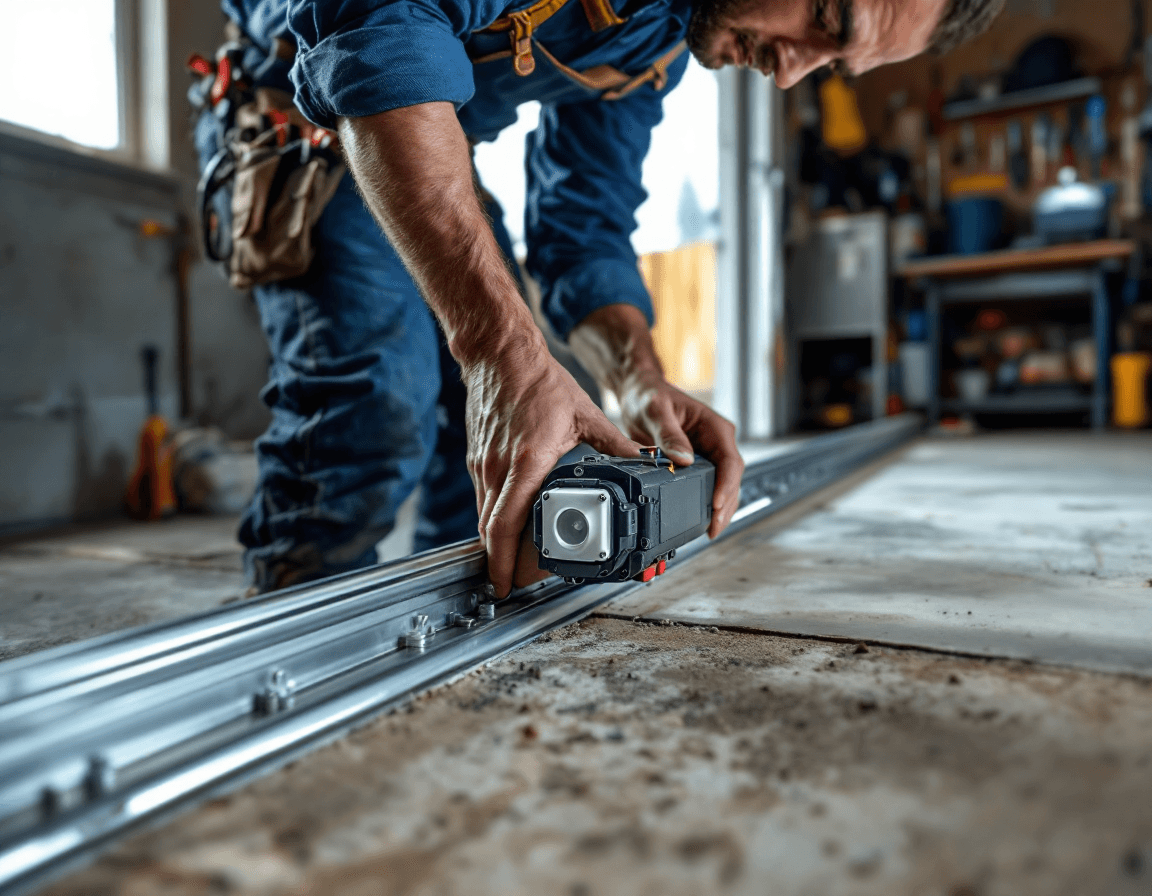
Garage door sensor problems are some of the most common calls we handle in Mountlake Terrace, WA, and they are also some of the most frustrating for homeowners. A door that refuses to close, or that starts back up the moment it touches the floor, can make a simple trip to the driveway feel like a chore. The good news is that most sensor complaints come down to a small set of causes: misalignment, blocked or dirty lenses, damaged wiring, or a sensor that has simply worn out. Those causes are usually easy to identify once you know what to look for.
The photo-eye sensors on your door are a safety feature. They sit at the bottom of each track, a few inches above the floor, and they send an invisible beam across the opening. If that beam is interrupted while the door is closing, the opener is designed to stop and reverse, which protects pets, children, and anything else that might be underneath. When the system works, you rarely think about it. When it doesn't, the door can seem stubborn, but it is usually doing exactly what it was designed to do after detecting a problem it cannot clearly resolve.
This page explains how sensor trouble typically shows up in Mountlake Terrace homes, what the indicator lights are telling you, and which fixes are reasonable for a homeowner versus a licensed technician. It also covers what affects sensors specifically in our part of Snohomish County, from low winter sun to damp garages near Lake Ballinger. If you are dealing with a door that won't close right now, read through the symptoms below, try the safe checks, and call us at (888) 799-3819 if the problem persists.
Why Mountlake Terrace Garages Put Sensors Under Pressure
Garages in Mountlake Terrace face a combination of conditions that make sensor systems work harder than they would in a drier climate. Our winters bring long stretches of rain, fog, and condensation, and many of the older detached and attached garages in the surrounding neighborhoods were not built with much moisture control. Humidity gets into wiring connectors and can slowly corrode the small terminals that carry signal between the sensors and the opener. A sensor that worked perfectly in October may start acting up in January for no obvious reason.
Lot layout matters too. Many homes near the MLT Town Center and along the side streets off the main arterials have narrow driveways, steep approaches, or garages that sit close to the property line. Those tight spaces mean bins, bikes, and lawn equipment get shoved against the door track more often, and it is common for a sensor bracket to get knocked a few degrees out of line without anyone noticing. A slight shift is enough to break the beam path, especially on a long run of door.
Finally, the sun in our region is unusual in its angle for much of the year. Low-angle light in fall, winter, and early spring can shine straight into a sensor lens during morning or late afternoon, and reflective surfaces on nearby cars or wet pavement can bounce light into the beam. We see a noticeable uptick in glare complaints during those seasons, and they often get mistaken for a failing sensor when the real issue is simply timing and positioning.
Reading the Sensor Lights Before You Touch Anything
Most modern openers have a small indicator light on each sensor, and it is one of the most useful diagnostic tools you have. On a healthy system, both lights should be steady and visible when the door is closed. Usually one light is on continuously on the sending unit, and the receiving unit shows a steady light when the beam is aligned and unbroken. If the receiving light is off, the beam is not reaching the sensor, and the opener will refuse to close the door using the normal automatic function.
A blinking light means something different, and the pattern matters. A slow blink on the receiver often indicates that the beam is partially reaching the sensor, which is a classic sign of misalignment or a partial obstruction. A fast blink or a rapid flash may point to wiring trouble or a sensor that is receiving interference. Manufacturers vary in their light codes, so check the label or manual on your particular opener, but the general rule holds: a light that is off or flickering is telling you the sensor is not confident in the beam.
Before you assume the sensor is broken, look at the lights from the side of the door rather than straight on. Stand where the sensors are mounted, close the door partway, and watch the indicator as you move slightly. If the light changes when you shift your head, the beam is almost certainly misaligned. Note what you see, because that information helps a technician diagnose the problem faster when they arrive.
Sun Glare Off the Afternoon Driveway
Sun glare is one of the most misunderstood sensor problems. Many homeowners assume that a sensor reversing in the afternoon has failed, when the real culprit is direct light entering the receiver lens. Western-facing garages are especially prone to this, because the setting sun can line up with the sensor opening at the same height and angle where the beam is supposed to travel. The result is a door that works fine at 9 in the morning and reverses at 5 in the evening.
There are a few practical ways to deal with glare without replacing hardware. Shading the receiver from above with a small piece of non-reflective material can help, as long as the shade does not block the beam itself. Adjusting the sensor angle slightly downward or toward the floor sometimes moves the glare out of the lens path while keeping the beam aligned. Keeping the lens clean also reduces the amount of scattered light that reaches the receiver, which can make a marginal setup more stable.
Be careful with any solution that involves covering or repositioning sensors extensively. The sensors must still face each other directly, and they must remain mounted within the height range specified by the opener manufacturer, which is typically no more than about six inches above the floor. If a glare fix changes that geometry, the door may still reverse under normal conditions. When in doubt, have a technician verify the final alignment with a proper test of the door's close and reverse behavior.
Knocked Out of Line by Bumps, Bikes, and Bins
Physical impact is a leading cause of sensor misalignment in driveways across Mountlake Terrace. A wheelbarrow, a recycling cart, a kid's scooter, or even a vacuum being dragged in at an awkward angle can nudge a bracket loose. Sensors are often mounted on thin brackets attached to the track or the wall with a single screw or two, and those mounts can rotate over time as vibration from the opener and normal door movement works on them. A bracket that looks straight at a glance may be tilted just enough to lose the beam.
Signs of mechanical misalignment usually include a sensor that sits crooked, a bracket that has rotated, or a lens that no longer points squarely at its partner. You may also notice that the problem appears after a specific event, such as a storm that blew a bin into the door or a moving day when furniture scraped the track. Some homeowners discover the issue only after the door begins to reverse during normal use, which is why a periodic visual check is worth the few minutes it takes.
Realigning the sensors is generally a reasonable task for a careful homeowner. Loosen the mounting screw just enough to rotate the bracket, aim the sensor at its counterpart, and tighten the screw without overtightening. Test the door several times after each adjustment, and make sure both indicator lights stay steady as the door closes. If the bracket is cracked, the screw holes are stripped, or the sensor will not hold position, the mount should be replaced rather than patched.
Chewed, Corroded, and Pinched Sensor Wiring
Wiring is the next place to look when alignment seems fine but the lights still misbehave. Sensor cables run from the bottom of the track along the wall or ceiling to the opener, and they are often routed through spaces where they can be pinched by the door hardware, scraped by stored items, or chewed by rodents. Mice and other small animals are a real concern in Snohomish County garages, especially in older homes with gaps near the foundation or in attics where insulation has been disturbed. A single nibbled conductor can cause intermittent sensor failure that is hard to diagnose.
Look for cable jackets that are cracked, flattened, or discolored, and check where the wire enters each sensor housing. Corrosion around the terminals is a sign that moisture has gotten inside, which is common after long wet seasons. Loose screw terminals can also cause the signal to drop out when the door vibrates, so a sensor that works when you hold the wire in one position and fails in another may have a connection problem rather than a bad sensor.
Repairing damaged wiring requires some care. Low-voltage sensor wire is not dangerous in the same way that line voltage is, but the opener itself is connected to household power, and working around it without disconnecting power is a risk. If the cable is damaged along a long run, splicing alone may not provide reliable protection against moisture. A technician can determine whether a splice, a replacement run, or a new sensor pair is the most dependable fix, and can confirm the system passes the reversal test once the work is complete.
When the Door Only Closes If You Hold the Button
One of the most telling symptoms is a door that closes only when you hold the wall button down. Most openers are designed so that a momentary press starts a close cycle, and if the sensors are interrupted, the opener should stop and reverse. Some systems allow a constant-pressure close mode that bypasses the automatic reversal, and many homeowners discover this mode by accident or after a previous owner used it. When the sensors are faulty, the opener may be configured to let you force the door shut by holding the button, which is a dangerous workaround.
Holding the button to close a door is not a safe long-term solution. The purpose of the photo-eye sensor is to prevent the door from closing on someone or something in its path, and bypassing that protection removes an important safeguard. If your door behaves this way, treat it as a warning sign that the sensors need attention, and avoid teaching the habit to children or guests who might assume the door is fine when they press the button.
A technician can check whether the opener is in a constant-pressure or override state and restore normal operation. They will also test the sensors, measure the beam, and verify that the reversing force is correct for the door's weight and balance. Because reversal force and door balance are tied together, a door that feels heavy or sticks in the middle of its travel may need more than a sensor fix. That kind of diagnosis is worth doing carefully rather than guessing from the outside.
Moisture, Condensation, and the Damp-Season Failure Pattern
Western Washington's long wet season creates a specific failure pattern for garage sensors. Condensation builds on cold surfaces overnight, especially in garages that are not heated or that open directly to the outdoors through an uninsulated door. Moisture can collect inside the sensor housing, fog the lens, and corrode small electrical contacts. The result is a sensor that works well on dry afternoons and becomes erratic after foggy mornings or heavy rain.
Practical steps help reduce this problem. Keep sensor lenses clean with a soft, dry cloth, and check the housings for cracks or gaps where water can enter. If your garage has a persistent damp problem, improving ventilation or adding a dehumidifier may protect not only the sensors but also the opener, the door hardware, and any stored items. Silicone-based dielectric grease is sometimes used on exposed connectors, but it should be applied carefully and only to the contacts recommended by the manufacturer, since excess product can attract dirt.
Replacement sensors should be rated for outdoor or damp environments when the mounting location is exposed. Many garage sensors are designed for indoor use within the garage, but the lens and wiring can still be affected by humidity. A licensed technician can recommend the right model for your opener and your garage conditions, and can explain whether the existing sensors are simply due for replacement after several wet seasons.
Simple Checks You Can Do Safely Before Calling
Some sensor problems can be identified and even resolved by a homeowner with a few minutes and basic tools. The following checks are safe to perform as long as you keep your hands clear of the door and do not work on the spring, cables, or drum assembly. Those components store significant energy, and spring or cable work should always be left to a licensed professional.
- Clear the track area of boxes, bins, and debris, and make sure nothing sits in the path between the two sensors.
- Wipe both sensor lenses with a clean, dry cloth, and check for fogging, spider webs, or dust buildup.
- Confirm both indicator lights are steady when the door is fully closed, and note any blinking or dark lights.
- Look at each sensor bracket and gently check that it has not rotated or loosened from the wall or track.
- Inspect visible wiring for cuts, chewed sections, or loose connections at the sensor housings.
- Test the close and reverse behavior by placing a sturdy object, like a piece of wood, in the path and confirming the door reverses.
If the checks above do not resolve the problem, or if you find damaged wiring, cracked housings, or a bracket that will not hold position, it is time to call in a professional. Trying to force a damaged sensor back into service often leads to a dead opener or an unsafe door, and a proper diagnosis usually costs far less than repeated guesswork.
Deciding Between Adjustment, Repair, and Full Replacement
Not every sensor complaint needs new hardware. Many issues are resolved by realignment, cleaning, or a short wiring repair, and a good technician will try those less expensive options first. When a sensor is physically damaged, when the lens is cloudy beyond cleaning, or when the internal electronics show signs of failure such as intermittent lights that do not respond to alignment, replacement is usually the more reliable choice.
The decision also depends on the age and condition of the opener. Replacing a sensor pair on an older opener that has other symptoms, such as slow travel, grinding, or uneven force, may simply delay a larger repair. A technician can evaluate the whole system and advise whether a sensor replacement will solve the immediate problem or whether the opener itself is nearing the end of its useful life. That kind of honest assessment is part of what homeowners should expect from a repair visit.
Our typical sensor repair pricing for most jobs in the Mountlake Terrace area falls between $85 and $225, depending on the nature of the problem and the parts required. Simple realignment and cleaning sit at the lower end of that range, while replacement sensors, wiring runs, or additional diagnostic time move the total higher. Exact pricing depends on your opener, the work needed, and the access conditions at your home, so a technician will confirm the scope before any work begins.
What a Sensor Visit Covers and What Requires a Licensed Pro
A sensor service call in Mountlake Terrace typically starts with a visual inspection of the door, track, brackets, and wiring, followed by a test of the sensors and the opener's reversal function. The technician will check the indicator lights, measure alignment, look for signs of moisture or animal damage, and confirm that the door reverses when an obstruction is placed in its path. If the opener has a constant-pressure or override setting, they will verify it is configured correctly.
Some tasks should always be handled by a licensed and insured professional. Torsion springs, extension springs, cables, drums, and the lift system are under high tension and can cause serious injury if handled incorrectly. If a sensor problem reveals that the door is out of balance, that the springs are worn, or that a cable is frayed, the safest path is to schedule a professional repair rather than attempting the work yourself. We are a licensed, bonded, and insured company, and we follow established safety procedures on every job.
When you call, describe what the lights are doing, when the problem happens, and whether the door reverses immediately or only after touching the floor. Those details help us prepare for the visit and often shorten the diagnosis. If the sensors look fine but the door still behaves erratically, we can check the opener and door balance as part of the same appointment.
Keeping Mountlake Terrace Sensors Reliable Through the Seasons
Sensor reliability is largely a matter of routine care and early attention. A quick monthly check of the lights, a wipe of the lenses, and a glance at the wiring can catch small problems before they become a door that won't close on a rainy morning. Pay particular attention in the fall, when low sun angles and the start of the wet season tend to expose weak sensors, and again in late winter, when accumulated moisture and temperature swings can loosen connections.
Keep the garage floor clear along the track line, and encourage everyone in the household to avoid leaning bins or equipment against the door sections. If you park near the door or store items on shelves that sit close to the tracks, consider relocating them so the sensors and wiring are not disturbed. Small changes like these make a noticeable difference in how often sensors need attention, especially in tighter Mountlake Terrace driveways.
If your door has been reversing, refusing to close, or closing only with the button held down, do not wait for it to get worse. Sensor issues rarely fix themselves, and an ignored problem can turn into a damaged opener or an unsafe door. Schedule a repair before the next rainy stretch, and let a licensed technician confirm the sensors are doing their job. For prompt help in Mountlake Terrace, the 98043 area, and nearby communities, call Seattle Garage Door Fix at (888) 799-3819 and we will help you get your door closing safely again.