
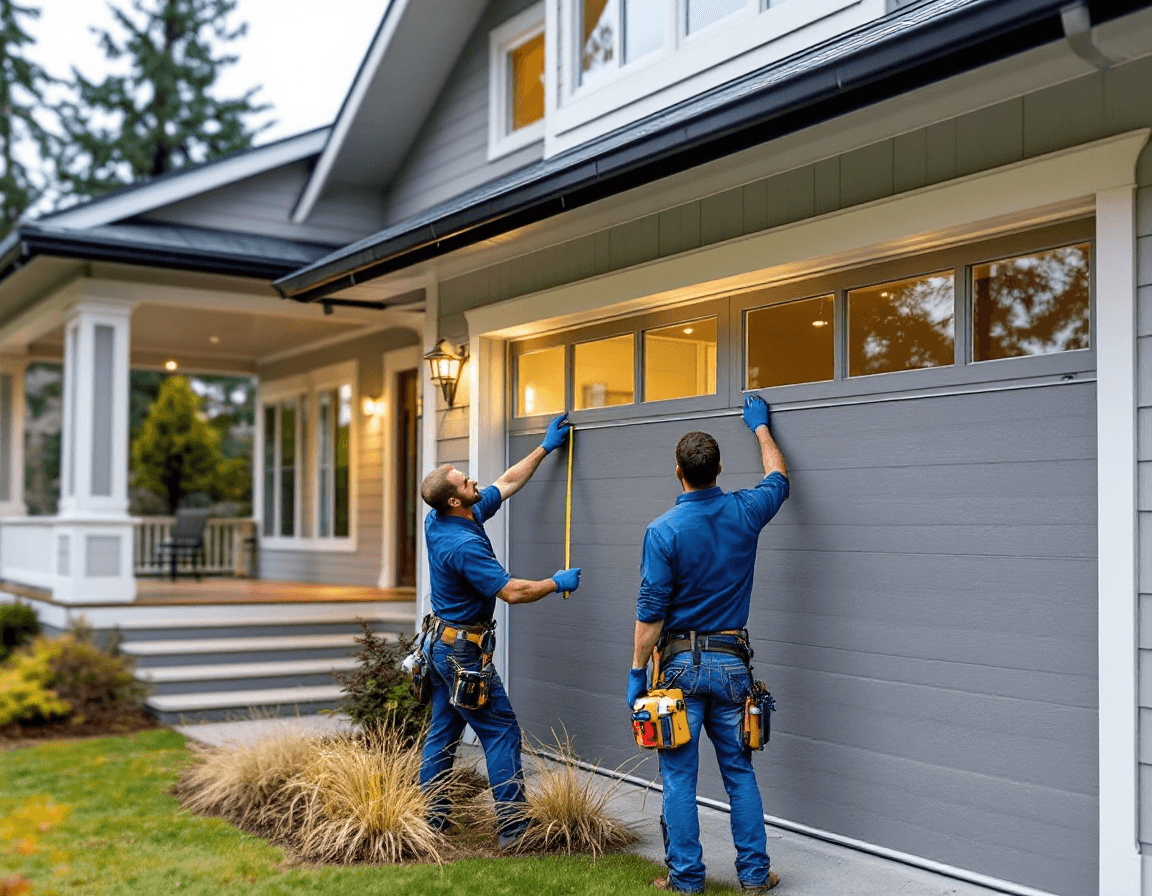
Garage Door Installation & Replacement in Maple Valley, WA is often the right call when a door has moved past the point of sensible repair, when your energy bills suggest the garage is leaking comfort, or when a remodel has made the old opening look out of place. Maple Valley sits in the southeast corner of King County, where many homes were built in the decades when garage doors were mostly plain steel panels with little insulation. Those doors have carried a lot of rain, cold snaps, and summer heat over the years, and the wear shows up in warped sections, rusted bottoms, and tired springs. Replacing a door at that stage can change how the whole garage functions, not just how it looks from the street.
This page walks through the decisions homeowners in our area usually face before they buy: whether the existing door is worth saving, how Pacific Northwest weather affects material choices, what insulation really buys you, and how the installation itself is handled. We also explain how pricing works, since our installed range runs from about $950 for a basic single door to $3,800 or more for a larger double door in premium materials. Every project is different, so the numbers here are starting points for a conversation rather than a quote. If you already know your door is failing, you can skip ahead, but most people find that a few minutes of planning saves money and avoids a door that looks good but does not fit their daily use.
When a Door Has Crossed the Line From Repairable to Replace
Every garage door can be repaired to some degree, but there is a point where repair stops making financial sense. A single broken panel on an otherwise sound door is usually a simple fix, while a door with multiple cracked sections, bent tracks, and a worn drum is telling you something different. Technicians often look at the cost of the last two or three repairs and compare it to what a new door would cost, and that comparison tends to be the honest starting point. If the door has been repaired repeatedly for the same kind of failure, the underlying cause is often the age of the whole assembly rather than one bad part.
Storm damage is a clear example where replacement becomes the sensible choice. A fallen limb or a windstorm that bends the top section can leave the door out of square, and forcing it back into alignment usually creates new stress on the hinges, rollers, and tracks. Rot is another common reason, especially on older wood and some composite doors where moisture has worked into the bottom panel and the lower rails. Rust on steel doors, particularly along seams and at the bottom edge where water collects, can weaken panels to the point where they no longer hold their shape under spring tension.
Here are signs that a door is likely past the point of economical repair:
- Multiple panels are cracked, dented, or separated at the seams
- Rust or rot has reached the structural rails or bottom section
- The door no longer stays level or binds in the tracks even after adjustment
- The same component has failed two or more times within a short period
- The door sits unevenly when closed, leaving gaps that let in water, pests, and cold air
Reading the Weather: How Pacific Northwest Moisture Shapes Door Choices
Western Washington is known for its long, damp stretches from fall through spring, and garage doors feel that moisture more than most people expect. The garage is often the first place a house takes in outdoor humidity, because the door sees rain on the exterior face, condensation on cool mornings, and the drip line from roof runoff near the driveway. Over years, that moisture finds its way into wood grain, into the seams of steel sections, and into the hardware that controls the door's movement. Choosing a door with that climate in mind is one of the most useful things you can do before buying.
Maple Valley does not usually see the extremes of the coast, but it does get the steady, grey drizzle that keeps surfaces wet for weeks at a time. Summers are generally mild by comparison, though warm afternoons can still raise the temperature inside a closed garage and stress panels and seals. Many homeowners notice that a door which looked fine in the first year starts to show hairline finish cracks or swelling along the bottom by year five or six, particularly on the side that faces the prevailing weather. Good finish quality, sealed edges, and proper weatherstripping matter here in a way they might not in a drier part of the country.
A practical approach is to ask your installer how the door handles moisture at the seams and bottom edge, what the warranty covers, and what maintenance the manufacturer expects. Wood doors can be beautiful and are a valid choice in our area, but they need a finish that is refreshed on a regular schedule. Steel and aluminum tend to be lower maintenance, though they still need attention to any scratches that could start corrosion. Thinking about the weather first keeps the door from becoming a repair project two or three years after you have paid for it.
Material Options Worth Comparing: Steel, Wood, Glass, and Aluminum
Insulated steel is the most common choice for Maple Valley homes because it balances cost, durability, and the ability to add insulation. Steel doors are built with a steel skin over an insulating core, and the quality of that core and the way the panels are sealed determines how much heat the door keeps inside. Steel can be finished to resemble wood grain, and it can be painted in a wide range of colors, which makes it a flexible option for almost any style of home. It is also a strong performer in wind resistance when the door is properly installed with appropriate hardware.
Wood and carriage-style doors give a warm, traditional look that many homeowners associate with older Pacific Northwest neighborhoods. Real wood carries a higher upkeep burden, and it responds to moisture by expanding and contracting, so it needs quality sealing and regular refinishing. Some carriage-style doors are built with a steel or composite core and a faux wood face, which offers the appearance without the same maintenance demands. Glass panels, whether frosted, clear, or tinted, let natural light into the garage and pair well with modern facades, though they generally cost more and may reduce insulation depending on the glazing.
Aluminum doors are a good match for homes that want a clean, contemporary profile and plenty of light. They are lightweight, resist rust, and can be fitted with full-view or frosted glass panels, which suit modern architecture. Aluminum is less insulating than steel by default, so homeowners who want a lot of glass often combine it with thermal breaks or insulated glazing. When comparing materials, it helps to weigh these practical differences:
- Insulated steel offers the best balance of cost, insulation potential, and low maintenance for most garages
- Wood and faux-wood carriage doors deliver classic curb appeal but need more finish care in damp weather
- Glass and aluminum suit contemporary homes and well-lit spaces, with insulation depending on glazing choices
- Composite and steel-faced carriage doors blend appearance and durability without the full wood maintenance schedule
Insulation, Drafts, and Keeping a Maple Valley Garage Comfortable
Many homeowners are surprised by how much the garage affects the rest of the house. If the garage is attached, the door and the wall between the garage and living space both shape how warm or cold the adjacent rooms feel. An uninsulated door lets heat escape in winter and lets summer heat build up in the garage, which can then leak into the house through the shared wall. Upgrading to an insulated door is one of the more noticeable improvements you can make to a garage that is used as a workshop, gym, or extra room.
Insulation ratings can be confusing, so it helps to focus on what matters in practice. Look for the listed R-value on the manufacturer's specifications and compare it across doors that are otherwise similar in size and material. Equally important is the sealing: a well-insulated door can still leak heat through gaps along the sides, the top, and the bottom if the weatherstripping is worn or poorly fitted. A professional installation checks the seal on all four sides and adjusts the bottom seal so it meets the floor evenly, which matters on sloped driveways and older concrete pads.
If your main goal is comfort rather than a specific energy number, consider what you actually do in the garage. A space used only for parking may not justify the highest-insulation door, while a finished workshop or a garage that shares a wall with a bedroom usually does. Drafts around the door are often the first symptom of a seal problem, and they can sometimes be felt on a windy day or noticed as a line of light at the bottom edge. Addressing those gaps during installation is far more effective than trying to patch them later with foam or tape.
Matching a New Door to Your Home's Architecture
A garage door covers a large portion of the front of most houses, which means it has a major influence on the overall look of the property. Maple Valley has a mix of styles, from older ranch-style homes to newer two-story builds with prominent garages. The best choice usually echoes the architecture rather than fighting it. A carriage-style door with divided lites and decorative hardware can make a modest ranch feel more charming, while a clean-lined steel or aluminum door with full-width glass may suit a contemporary home with simple trim.
Color and finish deserve as much thought as the design. Lighter colors reflect more sunlight and can help keep the garage cooler during the drier summer weeks, while darker colors can look dramatic against a light siding but absorb more heat. Consider the color of your trim, front door, and roofing before settling on a finish. Many homeowners bring samples home and look at them in the morning and afternoon light, since the Pacific Northwest sky can make a color look very different from one hour to the next.
Hardware and panel layout also change the final look. Panel count, the presence of windows or grilles, and the style of the hinges and handles all contribute to whether the door reads as traditional or modern. A door that is too tall or too wide for the opening can look awkward even if the color is right, so the installer should confirm the opening measurements and any header or trim constraints before ordering. Taking a few photos of the front of your house from the street can help you judge proportions on your own before meeting with a technician.
Sizing, Openers, and What Gets Checked Before Installation
Accurate measurement is the foundation of a good installation. The installer will confirm the width and height of the opening, the depth of the garage, the clearance above the door for the tracks, and the space on each side for the vertical tracks and springs. Some older garages have limited headroom or sloped ceilings, and those conditions can call for a low-headroom track system or a different spring arrangement. If the garage has a ceiling-mounted storage system or a heater near the top of the opening, that also needs to be accounted for before the door is ordered.
The opener is another important decision, especially if your existing opener is more than a decade old or has been struggling with the weight of a heavier new door. Many modern openers offer quieter operation, battery backup for power outages, and smartphone or keypad access. Compatibility matters, because a heavier insulated door or a large double door may need a stronger motor than the one you have. An installer can check the current opener's rated capacity and recommend an upgrade if the new door would strain it.
Before installation day, it helps to clear the garage floor, move vehicles out of the way, and mark any obstacles near the opening. Note any bicycles, shelving, or stored items that sit close to the track path, since the crew needs room to work safely. If the door is replacing a unit that was damaged in a storm, check whether any framing or header damage needs attention before the new door goes in. A thorough pre-installation check prevents delays and reduces the chance of surprises once the old door is removed.
Budgeting Between $950 and $3,800-Plus
Our installed price range for new single and double garage doors runs from about $950 for a basic single door in a standard material to $3,800 or more for a large double door in premium steel, wood, glass, or aluminum. The range is wide because the cost depends on several factors that vary from home to home. Size and material are the biggest drivers, but insulation package, glazing, hardware, finish, and any structural or track modifications also affect the final figure. A quote should spell out each of these items so you can compare options fairly.
Several factors tend to push the price up or down. A single door typically costs less than a double, though a wide double door in a premium material may exceed the cost of two modest single doors. Custom or carriage-style designs often carry a premium because of their appearance and the specialized hardware they require. Glass panels, decorative hardware, and high-performance insulation packages can add to the total, and so can a new opener if the existing unit cannot handle the new door's weight.
Here are the main cost factors to ask about when comparing quotes:
- Door size and whether it is a single or double unit
- Core material and insulation rating
- Panel style, glass options, and finish quality
- Hardware, track system, and spring configuration
- Opener replacement or upgrade, if needed
- Removal and disposal of the old door
- Warranty coverage on the door, hardware, and labor
Planning a Remodel or Addition Around the Garage Opening
Garage doors are often replaced as part of a larger project, such as a kitchen remodel, a new bonus room, or an addition that changes how the garage is used. When the garage is being expanded or converted, the door may need to be relocated, widened, or matched to a new roofline. In these cases, the door should be planned alongside the framing and exterior finishes rather than chosen at the last minute. Coordinating with your contractor early keeps the opening size, header height, and trim details consistent with the rest of the build.
Adding a door where none existed before is also possible, though it requires careful planning. A new opening must be framed correctly to carry the load above it, and the location must allow for the track system, the spring arrangement, and the clearance inside and outside the garage. Electrical work for an opener, if one is planned, should be scheduled so the wiring is in place before the door is set. Homeowners sometimes forget about the interior wall finish or the exterior siding, and a little coordination prevents trim gaps and paint touch-ups later.
If your remodel is changing the way the garage is used, think about access and daily routines as well. A wider or taller door may make it easier to bring in larger items, while a door with a pedestrian entry can offer convenient access without opening the main door. Discussing these needs before the project is finalized helps the door match the way you actually live in the space.
What Installation Day Looks Like on a Maple Valley Driveway
A typical installation begins with protecting the area and removing the old door. The crew disconnects the opener, carefully releases the tension on the springs using proper tools, and takes down the panels and tracks. Once the opening is clear, the installer checks the framing, the header, and the wall condition, and corrects any issues that could affect the new door's alignment. This is also the moment to inspect for water intrusion, rot in the framing, or damage to the concrete slab that might need attention.
Next, the new track system and hardware are installed and leveled, then the door sections are assembled and hung. The installer sets the spring tension, connects the opener, and adjusts the travel limits and the force settings so the door reverses safely if it meets an obstacle. Weatherstripping is fitted along the sides, top, and bottom, and the bottom seal is adjusted to the slab. On many driveways in our area the slab is not perfectly flat, so the seal and bottom bracket may need careful fitting to keep the door closing evenly.
Before leaving, the technician should walk you through the operation of the door and opener, show you the manual release, and explain the warranty terms. You should be able to see the door run smoothly, close fully, and reverse when it contacts a test object. It is reasonable to ask questions about maintenance, lubrication, and when to call for service. A good installation feels unhurried at the end, with the door sitting level, sealed, and quiet.
Safety, Springs, and Why Licensed Hands Matter
Garage door springs are under extreme tension, and this is the single most important reason to leave installation, spring replacement, and cable work to licensed professionals. A torsion spring or extension spring that is released incorrectly can cause serious injury, and the force involved is far greater than most people expect. Even a simple-looking adjustment can become dangerous if the tension is not released properly or if the wrong tools are used. For this reason, homeowners should never attempt to wind, unwind, or remove springs, and should keep their hands clear of any spring or cable while the door is being serviced.
Cables and drums carry the door's weight during operation, and a frayed or slipping cable can cause the door to drop unexpectedly. If you notice a cable that looks worn, a door that sits crooked when opened, or a noise that suggests a spring is loose, stop using the door and call a licensed technician. Our company is licensed, bonded, and insured, and our technicians handle installation and spring work as part of the job so you are not left managing the risk yourself. A new door should always be installed with proper tensioning and safety reversal tested before you use it.
Homeowners can take safe, simple steps in the meantime. Keep children and pets away from the door during operation, do not stand under a closing door, and test the auto-reverse feature periodically by placing a flat object in the path. If the door does not reverse when it hits an obstacle, disconnect the opener and call for service rather than continuing to use it. Taking these precautions protects the people in your household while you wait for a professional visit.
Caring for Your New Door Through Western Washington Seasons
A new garage door performs best when it receives simple, regular attention. Once or twice a year, wipe down the panels, check the weatherstripping for cracks or flattening, and look at the bottom seal to make sure it still meets the floor evenly. Lubricate the rollers, hinges, and tracks with a silicone-based or manufacturer-recommended lubricant rather than heavy grease, since heavy grease can attract grit. Keep the tracks clear of debris, and watch for any changes in how the door sounds or moves.
Moisture management deserves extra attention in our area. Keep the drip line and gutters directed away from the door and driveway, and make sure water is not pooling at the bottom edge. Wood and faux-wood finishes should be inspected for cracks or lifting paint, and refinished before damage reaches the substrate. Steel and aluminum doors should be checked for scratches that could start corrosion, and touched up promptly if the finish is compromised. Small, early fixes keep a new door looking and performing well for years.
Finally, keep records of your installation, warranty paperwork, and any service visits. This documentation helps if a question about coverage comes up later, and it gives a future technician the information they need to service the door correctly. If you ever sell your home, a well-documented, professionally installed door is an easy point to share with buyers who care about maintenance and energy performance.
Whether your current door is cracked from a windstorm, rusting along the bottom, struggling to keep the house warm, or simply out of step with your home's style, a professional replacement can make a meaningful difference. Our licensed team serves Maple Valley and the surrounding communities, from neighborhoods near Four Corners to homes around Lake Wilderness, and we can talk through material choices, insulation options, and installed pricing for your specific opening. Call (888) 799-3819 to schedule an in-home consultation and get clear, written pricing for the door that fits your garage, your budget, and the Maple Valley weather you live with every day.