
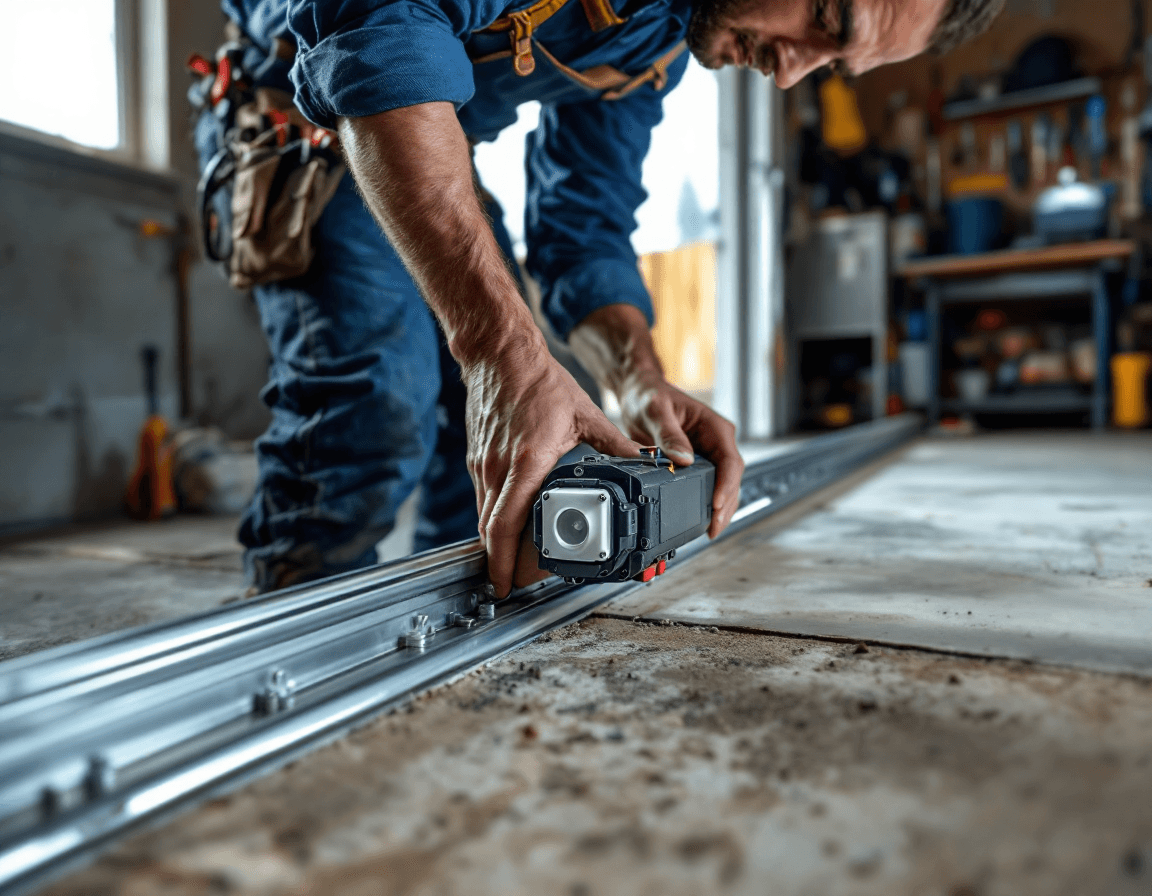
Garage door sensor repair in Normandy Park, WA is often a small job with a big impact. When the photo-eyes at the base of your door stop agreeing with each other, the door can refuse to close, reverse the moment it touches the floor, or drop only when you hold the wall button. Those symptoms can make a normal morning feel like a chore, and they can leave a family car or a workshop exposed for hours. The good news is that most sensor problems come from a short list of causes that a trained technician can identify and correct in a single visit.
Homes in Normandy Park, on the Puget Sound shoreline south of Seattle in King County, face a particular mix of conditions that affect garage doors. Wet winters, damp air drifting in from the water, and the low-angle light of late afternoon all play a role in how sensors behave. Many homes here have older garage doors that have been in service for years, and the wiring and mounting hardware have had time to shift, corrode, or get chewed on. Seattle Garage Door Fix (888) 799-3819 serves Normandy Park and dozens of nearby communities, and sensor issues are among the most common calls we take in the 98166 area.
This page explains what is happening when your sensors fail, how to read the warning signs your opener gives you, what you can safely check yourself, and what a professional visit typically involves. It also explains what affects the cost of a sensor repair, which for most jobs runs between $85 and $225 depending on whether the fix is an alignment, a wiring repair, or a full sensor replacement. Throughout, you will see where safety matters most, because a door that closes unpredictably is a hazard for people, pets, and vehicles.
Why Doors Around Normandy Park Lose Their Line of Sight
A garage door safety sensor is a pair of small units mounted on opposite sides of the door opening, usually a few inches above the floor. One unit sends an infrared beam to the other, and as long as that beam is unbroken, the opener is allowed to close the door. If something interrupts the beam, the opener reverses the door or refuses to start the closing cycle. The system is simple, but the alignment is delicate, and a sensor pair that was perfectly aimed at installation can drift over time.
In Normandy Park, a common cause of drift is the everyday movement of the house and the garage slab. Winter soil saturation, freeze-thaw cycles on the rare cold snaps, and the gradual settling of a slab can change the angle of the bracket that holds each sensor. Vibration from a door that opens and closes many times a day can loosen wing nuts and screws, and a bracket that was snug in one season may tilt slightly in the next. Some homeowners also bump the sensors while stacking bins, hanging bikes, or moving a workbench, and a small nudge is enough to break the beam path.
Because the sensors are low to the ground, they are also exposed to debris that is specific to this part of the region. Leaves and fir needles blow into the bottom of the door opening in fall, and wet grit tracked in from driveways can coat the lenses. A thin film of dirt can weaken the signal enough that the receiver no longer sees the transmitter clearly, even when the alignment looks correct to the eye. A technician checks both alignment and the condition of the lenses, because either one can cause the same symptom.
Reading the Lights: What a Dark or Blinking Sensor Is Telling You
Most modern openers include indicator lights on each sensor. One unit typically has a steady light that shows it has power, while the other has a light that changes to indicate whether it is seeing the beam. Exact colors and blink patterns vary by manufacturer, so the owner's manual or the label on the sensor is the best reference for your specific model. Still, the general logic is consistent: a light that is off, a light that flickers, or a light that stays in the wrong state tells you the sensors are not in agreement.
A sensor light that is completely dark usually points to a power or wiring problem rather than a pure alignment issue. Check whether the opener's safety wiring is intact, whether a staple has pinched a conductor, and whether the sensor's connection at the terminal block is secure. A blinking light often means the receiver is detecting the transmitter but the signal is weak or intermittent, which commonly happens when a lens is dirty or the bracket has moved just enough to fall outside the beam's effective window. Sunlight hitting the receiver can produce a similar blinking pattern, and that brings us to glare, which deserves its own discussion.
If you notice the lights changing when the door moves, or when you tap the wall near the sensor, that clue is valuable. It suggests a loose connection or a chafed wire flexing as the door travels. Write down what you observe before you call, including which light is affected and whether the problem is constant or only happens at certain times of day. A technician can diagnose the issue faster when you can describe the pattern clearly.
When the Door Only Closes If You Hold the Button
Many openers include a constant-pressure close feature that lets the door move when the wall button is held down, bypassing the sensors. This mode exists for situations where the sensors need to be temporarily disabled, such as during a repair. It is not a fix, and relying on it for daily use is risky because it removes the protection the sensors provide. The door will not stop for a person or object in its path the way it normally would when the beams are working.
If your door only closes when you hold the wall button, the opener has detected a sensor fault and is reporting it in the only way it knows how. The problem may be as simple as one bracket that has shifted by a fraction of an inch, or as involved as a damaged wire running through a section of the wall that has been chewed or pinched. Either way, the constant-pressure mode is a sign that the system needs attention. Please do not disconnect the sensors to make the door work, and do not tape over the lenses in an attempt to force a closing cycle, because both create a serious hazard.
Some homeowners wonder whether they can simply wait for the problem to go away. Sensor faults rarely resolve on their own, and an intermittent fault can be more dangerous than a constant one because it may appear to work for days before failing when someone is in the doorway. Scheduling a diagnosis as soon as you notice the hold-to-close behavior is the safest choice, and it usually keeps the repair within the lower end of the typical price range.
Sun Glare, Low Winter Angles, and Western Sky Problems
Sun glare is one of the most misunderstood sensor problems in the Pacific Northwest. Many people assume a sensor cannot be affected by daylight, but the receiver is designed to detect a specific infrared signal, and strong direct sunlight can overwhelm it. When the sun sits low in the sky during the shorter days of winter, its rays can slip under the door and strike the receiver lens straight on. The result is a door that refuses to close in the late afternoon, then works perfectly in the morning or at night.
Normandy Park's position near the water means that sun angles and cloud patterns can change quickly. A bright break in the clouds after a week of gray skies can trigger glare problems that homeowners did not expect, especially on driveways that face west or south. Reflective surfaces such as wet pavement, a light-colored garage floor, or a nearby car with a glossy finish can bounce light back into the receiver. Shade structures, a tree that has grown taller, or a new fence can also change where the light falls during the day.
Solutions for glare are usually straightforward. A technician may adjust the sensor angle so the receiver faces slightly away from the low sun, or add a small shield that blocks direct light without interrupting the beam path. In some cases, the sensors need to be moved slightly, but that step should always be done carefully so the transmitter and receiver remain properly aligned. The goal is a setup that works in the bright, low light of a Puget Sound afternoon, not just in the dim conditions of the installation day.
Chewed Wires, Rodents, and Garage Wiring Damage
Garage door sensor wire is low-voltage and thin, which makes it appealing to rodents and vulnerable to everyday wear. Mice and rats are common in suburban garages across King County, and they are drawn to insulation, stored bags of pet food, and the warmth of a garage near a crawlspace or attic. A sensor wire that runs along the wall, down the track, or through a gap near the opener can be nibbled until the signal fails. Damage is often intermittent at first, showing up only when the wire is flexed by a moving door.
Staples and clips are another frequent source of trouble. During past repairs or installations, a staple may have pinched the wire against a wood stud, or a cable tie may have been tightened so hard that it cut into the insulation. Over time, the conductor can corrode, especially where moisture collects in a damp corner or along a wall that sees temperature swings. A technician checks each run for nicks, exposed copper, loose terminal connections, and signs of previous splicing that was not done correctly.
Repairing damaged wire involves more than cutting out the bad section and twisting the ends together. A proper repair uses appropriate connectors, keeps the conductors protected from moisture, and restores the wire's route so it cannot be pinched or pulled by the door. In many cases the repair is quick, but it is important that the wire be replaced or spliced according to the opener manufacturer's guidance. If the damage is extensive or runs through hard-to-reach wall cavities, a technician will explain the options and the expected cost before starting.
Realigning Photo-Eyes Without Making Things Worse
Some sensor issues can be checked by a careful homeowner before a technician arrives, and this kind of basic inspection can help you describe the problem accurately. Start by making sure the garage is clear of anything that might be sitting in the beam path, such as a bike, a bin, a ladder, or a pile of recycling. Look at both sensors and confirm that the lenses are clean, then check that each unit is mounted securely to its bracket and that the brackets are not bent or loose. Never reach into the door track or near moving parts while the opener is running.
Realigning sensors is often a matter of small adjustments, but it requires patience. Many people find it helpful to have one person watch the indicator lights while another gently adjusts the sensor angle a little at a time. The goal is to bring the light to the state described in the manual, usually a steady indicator on the receiver when the beam is properly aimed. If the light changes only at extreme angles, or if the bracket keeps moving, that is a sign the mounting hardware needs professional attention.
Here are some safe, general checks you can perform before calling for service:
- Clear the door opening of any objects and confirm the path between the sensors is unobstructed.
- Wipe both sensor lenses with a soft, dry cloth, and remove any visible grit or spider webs.
- Look for loose wing nuts, cracked brackets, or sensors that rotate easily when touched.
- Check the indicator lights while the door is closed and again while it is moving, noting any changes.
- Do not cut, splice, or re-route the wire yourself, and do not bypass the safety system to make the door close.
If your adjustments do not restore normal operation, stop and schedule service. Continuing to fiddle with the sensors can knock them further out of alignment and can make the eventual repair more time-consuming and more expensive.
What Drives the $85 to $225 Range for Sensor Work
Most sensor repairs in the Normandy Park area fall between $85 and $225, but the exact figure depends on what the technician finds. A simple realignment with cleaning and a bracket tightening is usually at the low end of the range. A wiring repair that requires new connectors, a section of replacement wire, and a careful re-route through the wall or track will often land in the middle. A full sensor replacement, particularly when the replacement unit must match a specific opener brand, tends to fall toward the higher end.
Access also affects the price. A garage with an easily reached sensor and a straightforward wire run is quicker to service than one where the wiring disappears into a finished wall, runs through a shared attic space, or requires moving stored items out of the way. Multiple sensors, older wiring that needs upgrading, or an opener that requires additional diagnostics can change the scope of the job. A reputable technician will explain what is involved before starting and will not perform work you did not authorize.
When you call, describe your symptoms and the opener make if you know it. This helps us prepare the right parts and arrive ready to diagnose the problem efficiently. Keep in mind that the range above reflects typical sensor repairs, and every home is different. We will always give you a clear picture of the work needed before you approve it.
Salt Air, Shoreline Moisture, and Keeping Sensors Reliable
Normandy Park's shoreline location means that homes here can experience more moisture and airborne salt than inland neighborhoods, particularly during windy weather that pushes air off the water. Salt residue is corrosive to metal, and it can gradually attack the brackets, screws, and terminal connections that hold a sensor system together. Damp air also encourages corrosion inside wire connectors, which can cause intermittent faults that are hard to track down until a technician opens the connection and inspects it closely.
Protecting your sensors does not require anything complicated. Keep the lenses clean, check the brackets for rust or flaking finish during routine maintenance, and make sure the garage has adequate ventilation so moisture does not sit against the wall and the wiring for long periods. Sealing gaps where wires enter the garage can also reduce both moisture and pest access. If you notice white or greenish residue on metal parts, mention it during your service visit so the technician can recommend corrosion-resistant replacements where appropriate.
Seasonal habits help as well. Sweep debris from the threshold after windstorms, rinse off the bottom of the door if it has been coated with salt spray from a coastal drive, and avoid pressure washing near the sensors, which can drive water into the housings. A little attention through the year can extend the life of your sensors and reduce the chance of a surprise failure during a busy week.
Safety Checks and When Spring or Cable Work Belongs to a Professional
Garage door safety is about more than sensors. Springs and cables are under very high tension, and they can cause serious injury if handled by someone without training and the correct tools. Even a seemingly simple task like adjusting a torsion spring or replacing a cable is best left to a licensed, bonded, and insured professional who understands how to release and restore tension safely. If you suspect your problem involves a spring, a cable, or the drum assembly, stop and call for service rather than attempting the work yourself.
Sensor work is safer than spring work, but it still involves a door that moves and can crush or strike. Always disconnect power to the opener before reaching into the track area, and never stand in the door's path while testing sensors. Keep children and pets away from the opening during testing, and do not rely on the constant-pressure close mode as a substitute for functioning sensors. If the door reverses unexpectedly, behaves erratically, or makes grinding or popping noises, shut off the opener and schedule a professional inspection.
A good rule of thumb is to treat any repair that involves tension, heavy hardware, or unpredictable movement as a job for a trained technician. Sensor alignment and wiring checks can often be handled during the same visit as an overall safety inspection. This approach allows us to confirm that the sensors, opener, and door hardware are working together, rather than fixing one symptom while another problem remains hidden.
Scheduling a Sensor Visit in Normandy Park and the 98166 Area
When you schedule a sensor repair in Normandy Park, it helps to have a few details ready. Note the symptoms you observed, including whether the door refuses to close, reverses immediately, or only closes with the wall button held down. Let us know if the lights are off, blinking, or changing when the door moves, and mention any recent events such as a storm, a move of stored items, or pest activity. If you have the opener's model number, include it, since it helps the technician bring the correct sensors and connectors.
Our team serves the 98166 ZIP code and the surrounding communities in King County, and we work to arrive prepared for the most common sensor problems in the area. Arrival times depend on scheduling and the nature of the call, and we will confirm the window when you book. Once on site, the technician will test the system, identify the cause, explain the options, and provide pricing before any work begins. Most sensor repairs fall in the $85 to $225 range, and you will always know the scope of the work before you approve it.
If your door will not close, reverses without warning, or only operates when you hold the button, please do not wait for the problem to get worse. Call Seattle Garage Door Fix at (888) 799-3819 to schedule a licensed technician who can align, repair, or replace your garage door sensors and leave your door safe to use.