
Garage Door Installation & Replacement in Normandy Park, WA is often the right call when a door has moved past the point where repairs make financial sense. Normandy Park sits on the Puget Sound shoreline in southwest King County, and the homes here take a beating from wind off the water, long wet winters, and salty air that settles on metal and wood alike. Our technicians serve Normandy Park and nearby neighborhoods from our Western Washington base, and we spend a lot of time helping homeowners decide whether a damaged door can be saved or whether replacement will serve them better over the next decade. This page walks through the common reasons Normandy Park homeowners replace a garage door, the materials and styles available, what drives the cost, and what to expect on installation day.
Many of the doors we replace in this area were installed when the house was built, sometimes decades ago, and they show their age in ways that are easy to overlook until something fails. A door that worked fine during a dry August can start binding, sagging, or refusing to close properly after a few months of rain and humidity. Because the door is the largest moving object on the front of most homes, its condition affects security, comfort, curb appeal, and the daily routine of everyone who uses the garage. If you are weighing a replacement, the goal is to make a decision based on the actual condition of the door rather than a vague sense that it is time for something new.
Whether you are reacting to storm damage, chasing better energy performance, or planning a remodel that includes a new garage opening, the process begins with an honest look at what you have. We will explain which parts can be repaired, which problems are structural, and which upgrades are worth the investment for a home in this part of King County. Nothing here replaces an in-person inspection, but this guide should help you ask sharper questions and understand the options before you commit to a new door.
Recognizing When a Door Has Reached the End of Its Useful Life
Most garage doors give homeowners plenty of warning before they fail completely. The trouble is that the warning signs often feel like small annoyances, so they get postponed until the door stops working altogether. A door that needs a repair every season, a panel that has cracked along a seam, or a track that has been bent and straightened several times is usually telling you something about the overall condition of the system. When repair bills start to rival the cost of a new door, replacement becomes the more practical choice.
Certain symptoms are strong indicators that a door should be replaced rather than patched. Look for these signs during a quick walkaround:
- Panels that are dented, delaminated, or separating at the seams, especially if the damage keeps spreading
- Wood sections that are soft to the touch, swollen near the bottom, or pulling away from the hinges
- Rust bleeding through paint on steel doors, particularly around hinges, bottom brackets, and the lower panel
- Repeated breakdowns of the opener, springs, or rollers within a short period on the same door
- Gaps around the perimeter large enough to let in daylight, drafts, rain, or pests
Keep in mind that a single failed part does not always mean the whole door is finished. A worn roller, a snapped cable, or a damaged opener sensor can often be replaced without touching the panels. Spring and cable work carries real risk because the tension stored in the springs is substantial, so please leave that work to a licensed professional who has the proper tools and training. When the panels, frame, and hardware are all showing wear at once, though, replacement typically gives you more reliable performance for the money.
Weather Damage From Puget Sound Wind and Winter Storms
Normandy Park experiences the same wet, gray winters that define much of Western Washington, and storms off the Sound can bring strong gusts that push directly against a garage door. Wind pressure works on a large flat surface in a way that loosens fasteners, stresses hinges, and can crack panels over time. After a severe windstorm, it is worth checking the door for bent tracks, shifted sections, and any panel that no longer sits flush. A door that was perfectly functional before a storm can become unsafe to operate afterward.
Rain and moisture cause a different kind of damage that tends to build quietly. Water that gets behind weatherstripping or pools along the threshold can soak into wood and encourage rot, while steel doors can develop rust at scratches, dings, and the lower edge where splash and debris collect. Homes near the water also receive a fine coating of salt-laden air, which accelerates corrosion on exposed hardware. Galvanized and coated steel holds up better than bare metal, but no finish is immune to constant exposure, so periodic inspection matters.
When storm or rot damage is extensive, replacement is usually the most sensible route. A door with compromised wood framing, sections that have warped out of alignment, or steel panels that have been bent past their original shape will rarely return to dependable performance after repair. Insurance coverage for storm damage varies, so if you are dealing with a wind or water event, document the damage with photos and check your policy before scheduling work. We are happy to provide a written description of the condition of the door to help with your claim, but we cannot make promises about coverage on your behalf.
Matching a New Door to the Character of Normandy Park Homes
Many Normandy Park houses have a relaxed, established character, with a mix of ranch-style layouts, split-levels, and older two-story homes that have been updated over the years. The garage door is a major part of how a house presents itself from the street, so choosing a style that suits the architecture can make a dramatic difference. A plain, dated door can make an otherwise well-kept home look tired, while a thoughtfully chosen replacement can refresh the whole facade without touching anything else.
Carriage-style doors are a popular choice for homes that want a traditional or farmhouse feel. These doors use decorative hardware and horizontal or vertical panel patterns that mimic the look of old swing-out barn doors, and they pair well with cedar siding, stone accents, and warm exterior trim. Modern homes with clean lines often look best with flush panels, slim horizontal grooves, or large glass sections that introduce light into the garage. Both approaches can work well in this region, and the right answer depends on your home's roofline, siding, window style, and the color palette you already have.
Color and finish deserve as much attention as the style itself. Darker colors can look sharp against light siding, but they absorb more heat in summer and show water spotting and dust more readily. Lighter tones are forgiving on overcast days, which are common here, and they reflect more light into the driveway. Wood-grain textured steel and faux-wood finishes can give you the appearance of real wood with less maintenance, which many homeowners find appealing in a climate with frequent rain.
Insulation, Drafts, and Keeping the Garage Comfortable Through Wet Winters
A garage that stays cold and damp is more than an inconvenience. It affects the temperature of rooms that share a wall with the garage, makes it harder to keep a workshop or freezer comfortable, and can increase heating costs for the whole home. In Normandy Park, where nights in winter are often cool and humid, a poorly insulated door can turn the garage into a place that feels colder than the outdoors on a damp morning. Upgrading to an insulated door is one of the more noticeable comfort improvements a homeowner can make.
Insulated steel doors typically have a foam core bonded between two steel skins, and the thickness of that core plays a large role in how well the door resists heat transfer. Manufacturers publish insulation ratings for their products, and those numbers are the best way to compare options on paper. Keep in mind that a rating only reflects the door itself. Air leaks around the perimeter, gaps at the bottom seal, and worn weatherstripping can undo much of the benefit, so a new door should be installed with fresh seals and properly adjusted tracks.
Glass and aluminum doors generally offer less insulation than insulated steel, though they can be the right choice when natural light is a priority. Insulated glass units with double panes perform better than single-pane glass, and tinted or frosted options can help with privacy and glare. If the garage is heated or used as living space, we often recommend discussing insulation rating alongside style, so the door you choose supports how you actually use the room.
Comparing Steel, Wood, Glass, and Aluminum for Local Conditions
Each material brings a different balance of strength, appearance, maintenance, and cost. Choosing among them means weighing how the door will look, how much care you are willing to provide, and how the material handles the particular conditions of your property. Homes close to the shoreline and those with less shelter from wind may need a different approach than a home tucked behind mature trees farther inland.
The main options compare as follows:
- Insulated steel: Strong, energy efficient, available in many styles and finishes, and generally low maintenance. Quality coatings are important near saltwater air, and a good finish matters more than the gauge alone.
- Wood: Offers natural beauty and custom character, especially for carriage-style designs. It requires regular sealing or painting and careful attention to moisture, so it suits homeowners who enjoy maintenance and want a warm, handcrafted appearance.
- Glass: Brings light into the garage and adds a contemporary look. Glass sections should be paired with a sturdy frame and quality insulated glazing, and they work best when the door design is balanced so the glass does not dominate the facade.
- Aluminum: Lightweight, resistant to rust, and well suited to modern designs with large glass panels. Because it is a thinner material, it is usually less insulating than steel and benefits from a solid build and proper bracing.
For many Normandy Park homeowners, insulated steel with a durable coated finish or a high-quality faux-wood texture hits the best balance. Wood remains a favorite for certain architectural styles, and we are glad to help you think through what maintenance schedule feels realistic for your household.
Understanding Installed Pricing From $950 to $3,800 and Beyond
Pricing for garage door installation depends on several variables, which is why we present a range rather than a single number. A basic single door with standard insulated steel panels will generally fall toward the lower end of our range, while a large double door with decorative carriage hardware, glass sections, or specialty wood will move higher. Our installed pricing typically starts around $950 and can reach $3,800 or more for premium materials and custom sizing, though every home is different.
Several factors shape the final number. Door size and whether it is a single or double unit are obvious contributors, but the opening's condition also matters. If the existing frame, header, or track system needs adjustment or replacement, that work adds to the total. The opener, if you choose to keep your current unit, may need a new sensor, a rail upgrade, or a battery backup, while a new opener installed alongside the door will change the price. Hardware finish, insulation thickness, window inserts, and color choices also affect the final invoice.
We believe homeowners should understand what they are paying for. A good estimate should list the door model, the material and insulation specification, the hardware included, removal and disposal of the old door, and any additional work that might be required once the old door is off. If something unexpected turns up, such as rot in the header or a framing issue hidden behind the old panels, we explain it before proceeding rather than adding charges quietly.
Adding a Door for a Remodel, Addition, or Second Garage Bay
Home projects in Normandy Park often involve changes to the garage. A family may be converting part of the garage into a home office, adding a bedroom above, or building an addition that reshapes the driveway and entry. In other cases, homeowners want to add a second single-car door where there was once a single wide opening, or they are opening a new bay for a boat, trailer, or workshop. Each scenario affects how the door is sized, supported, and integrated with the rest of the structure.
When a remodel changes the opening, the new door must fit the framing precisely, and the header above it must be able to carry the load. If you are altering a wall, moving a window, or relocating a service line, coordinate with your contractor early so the door order does not get ahead of the structural work. Permit requirements for structural changes and new openings depend on the scope of the project, so we recommend confirming details directly with the City of Normandy Park before construction begins. We can share what we see during an on-site measurement, but local permit decisions rest with the city.
Matching a new door to an addition helps the project look intentional. Consider how the new door's height and width relate to adjacent windows and rooflines, and think about whether a dedicated side door or pedestrian entry should be included. A well-planned door layout often adds value to the home and makes the new space feel like it was always part of the design.
Wind Ratings, Secure Hardware, and Installing for Longevity
Given Normandy Park's exposure to Puget Sound weather, wind performance deserves attention when choosing a door. Many manufacturers publish wind load ratings for their products, and those ratings indicate how the door and its hardware perform under specified pressures. Asking about the rating before you buy helps you understand how the door will handle gusts that funnel across open land or along the water. Proper bracing, reinforced tracks, and correctly installed torsion springs all contribute to how a door behaves in heavy wind.
Security is closely related. Most modern doors offer reinforced panels, locking hardware, and tighter tolerances that make forced entry harder. Keep the opener's rolling-code system current, and consider adding a keypad or smartphone-enabled control if that fits your routine. Make sure the emergency release is working and that everyone in the household knows how to use it, since the manual release is an important safety feature during power outages.
Installation quality ultimately determines how long a door lasts. Tracks must be level and plumb, hinges must be fastened into solid framing, and the springs must be sized and tensioned for the door's weight. Those tasks involve significant stored energy, and they should be handled by licensed, trained technicians rather than attempted as a weekend project. A properly installed door should operate smoothly, close firmly, and seal well at the bottom.
What Happens During a Professional Installation Visit
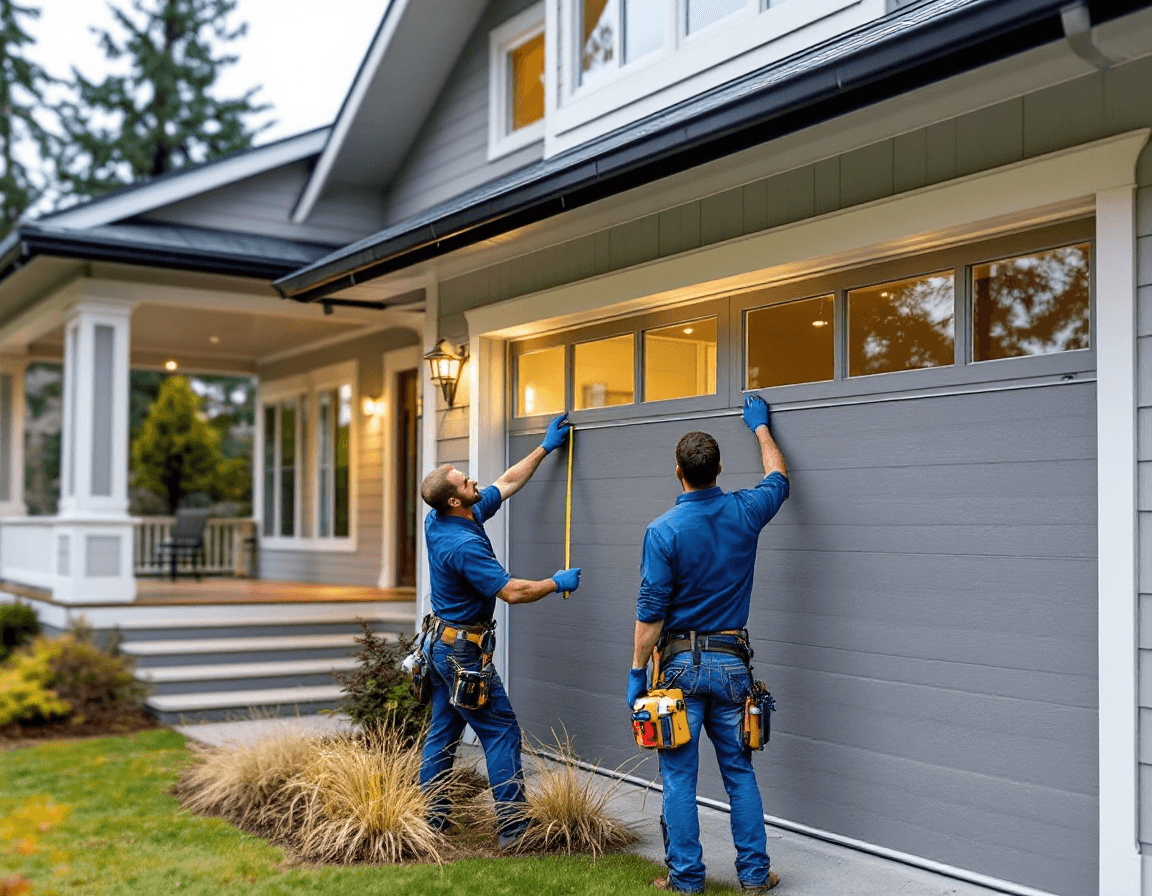
Knowing what to expect on installation day can ease a lot of uncertainty. A typical visit begins with a measurement and inspection of the existing opening, along with a discussion of your goals, style preferences, and budget. The technician will check the framing, the header, the condition of the floor and threshold, and the existing opener if you plan to keep it. This is also a good time to raise questions about insulation, color, hardware, and any upgrades you are considering.
On installation day, the old door is removed carefully and disposed of responsibly. The opening is cleaned and prepared, and any needed adjustments to the framing or track brackets are made before the new door goes in. Sections are assembled, hinged, and fitted into the tracks, and the springs are installed and tensioned by a licensed technician. The opener is mounted or adjusted, sensors are aligned, and the door is tested through several full cycles to confirm smooth travel and correct safety reversal.
Before we leave, we walk through the operation of the door with you, show you how the manual release works, and explain basic care steps. You should receive documentation for your door's model, warranty terms, and any hardware details you will need later. If you have questions after the work is complete, you can reach our office at any time for follow-up.
Caring for Your New Door and Keeping It Performing Well
A new garage door will last longer and perform better with a little regular attention. In a wet climate, a simple seasonal routine goes a long way. Once or twice a year, wipe down the panels with a mild soap and water solution, rinse thoroughly, and check the finish for chips or scratches that could let moisture reach bare metal or wood. Lubricate hinges, rollers, and the lock with a silicone-based or manufacturer-approved product, and avoid heavy grease that can attract grit.
Inspect the weatherstripping and bottom seal every few months, especially after the wettest parts of the year. Replace seals that have cracked, flattened, or pulled away, because a good seal keeps drafts, water, and pests out. Watch the track for debris, and check that the door still closes evenly and reverses when it meets resistance. If you notice a change in how the door sounds or moves, address it early rather than waiting for a larger problem to develop.
Please do not attempt to adjust springs, cables, or other high-tension components yourself. Those parts are the most dangerous to handle, and any spring or cable concern should be handled by a licensed professional. Keeping the door in good working order is a shared responsibility, and a short annual check by a technician can catch small issues before they turn into service calls.
Scheduling Your Garage Door Replacement With Seattle Garage Door Fix
If your garage door is damaged beyond repair, drafty and expensive to heat, dated in appearance, or simply failing too often, a new door can make a meaningful difference for your home and your daily routine. Our team serves Normandy Park and surrounding Western Washington communities with licensed, bonded, and insured installation for single and double doors in insulated steel, carriage-style, wood, glass, and aluminum. We will measure your opening, talk through the options that fit your home and budget, and provide a clear estimate before any work begins. Call (888) 799-3819 to schedule an inspection or ask a question about your door.