
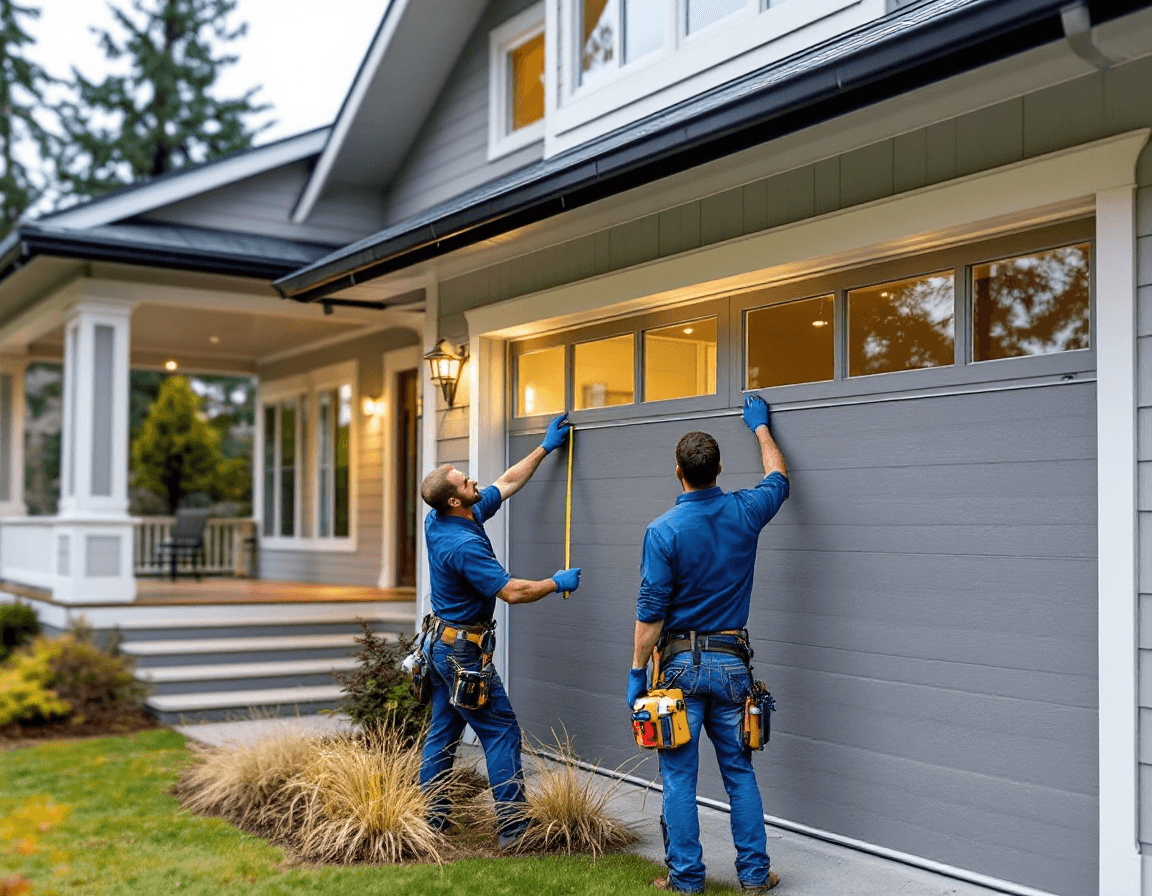
Garage Door Installation & Replacement in SeaTac, WA is a practical decision for many households here, whether the old door has finally given up, the house feels drafty in January, or the facade looks like it was installed during the Carter administration. SeaTac sits right beside Sea-Tac International Airport, and its neighborhoods range from older ranch homes and split-levels to townhomes and newer infill, so garages in this part of King County vary a lot in size, age, and exposure. A door that works well in a dry inland town may struggle here within a few seasons. Our technicians at Seattle Garage Door Fix install new single and double doors for homes across SeaTac, including the 98188 and 98198 ZIP codes.
Replacing a door is a bigger commitment than a spring or opener repair, so it deserves a careful look before anyone signs an order. The right choice depends on the condition of the existing opening, the style of your home, how you use the garage, and how much weather and noise you need to keep out. We take that into account on every estimate, and we would rather tell you that a repair still makes sense than sell you a door you do not need. When a replacement is the better path, though, we will walk you through the options clearly and install the new door cleanly, with attention to the details that determine how it performs over the next twenty years.
If you are thinking about a new door, the sections below explain how to tell when replacement is the right move, how Pacific Northwest weather affects material choices, what drives the price, and what to expect on installation day. We have kept the advice grounded in what we see on real SeaTac properties, and we have avoided promises we cannot back up. Read through at your own pace, and call us at (888) 799-3819 whenever you want a second opinion on your specific door.
Reading the Signs a Door Has Reached Its Limit
Most homeowners do not wake up one morning and decide their garage door needs replacing. The decision usually builds over time, starting with a repair here and an adjustment there until the bills and the frustration add up. One of the clearest signs is repeated breakdowns on an older door, especially when the failures involve different components each time. A door that needs a new opener, new rollers, and a replacement bottom seal within two years is often telling you that the panels, hinges, or track system have worn past the point where small fixes make financial sense.
Physical damage is another indicator. Panels that have dented from a backed-up car, a storm that bent a section, or a hairline split that keeps spreading across the steel all point toward replacement, particularly when the damaged section cannot be swapped without a mismatch in color or profile. Rust that has moved from the surface into the seams and bottom edge, or wood that has gone soft from rot along the stiles and bottom rail, usually means the water has been getting in for a long time. Replacing one panel on a door that is failing everywhere else seldom solves the underlying problem.
Keep an eye on how the door looks and sounds during normal use. If it bangs loudly when it reaches the top or bottom of its travel, drifts out of alignment, or leaves a visible gap at the sides that lets light and drafts through, those are signs the door and frame are no longer working as a system. Our technicians can usually tell within a few minutes of inspection whether a door is a good candidate for repair or whether continuing to patch it will cost more than starting fresh.
How SeaTac's Wet Winters and Mild Summers Shape Door Choices
The Pacific Northwest climate is not especially harsh in terms of temperature, but it is persistently damp. Winters bring long stretches of rain, low cloud cover, and humid air that rarely dries out completely between storms. Moisture is the enemy most garage doors in SeaTac eventually face. Wood expands and softens when it absorbs water, steel can corrode at scratches and along bottom edges, and even modern insulated panels can suffer if water finds its way into the seams and sits there.
Summers here are generally mild, with occasional warm spells that heat up a closed garage quickly, especially on south- and west-facing walls. That combination of heat and moisture is why insulation matters more than many homeowners expect. A well-sealed insulated door reduces temperature swings in the garage, which in turn lowers condensation on the inside of the panels and on any tools or stored items. It also helps keep the connected room of the house, often the laundry or a workshop, from feeling like a cold box in winter.
Wind is worth considering as well. Storm systems moving across Puget Sound and the surrounding hills can produce gusts that put real pressure on a large door face, especially on double-wide openings. When we recommend a door for a SeaTac home, we look at the wall construction, the header, the track mounting, and the reinforcement options available for that specific opening, rather than picking a door purely by appearance.
Choosing Between Insulated Steel, Wood, Glass, and Aluminum
Each door material has a clear place, and the best choice depends on what you need the door to do. Insulated steel is the most common selection we install in SeaTac. It is durable, resists dents better than many alternatives, and comes in a wide range of colors and embossed patterns. The insulation core, usually polystyrene or polyurethane, is what makes a real difference in comfort and energy performance. Insulated steel also tends to hold up well to the moisture of Western Washington when it is properly finished and maintained.
Wood offers a warmth that steel cannot match, and it suits certain architectural styles very well, particularly craftsman and traditional homes. Wood does demand more care in this climate. It needs a quality finish, regular inspection along the bottom edge and joints, and prompt attention to any spot where the finish has worn through. Many homeowners who choose wood are willing to accept that upkeep in exchange for the look, and when it is installed well and maintained, a wood door can last for many years.
Glass and aluminum sit at the other end of the spectrum. Glass panels, whether frosted or clear, bring in natural light and suit modern facades, though they are usually less insulating than solid insulated panels and should be specified with that trade-off in mind. Aluminum frames with glass or composite infill are lightweight and resist corrosion, which makes them attractive for homes near the water or in areas with heavy moisture. They can dent more easily than steel, so they are best matched to protected locations and homeowners who value the clean, contemporary look.
Refreshing a Dated Facade with Carriage-Style and Modern Looks
Many SeaTac homes built in past decades came with plain, flat-faced doors that were practical but visually forgettable. If your house has a tired front elevation, the garage door is often the largest single element on the street-facing side, so changing it can transform the entire look of the home. Carriage-style doors, with their horizontal panels and decorative hardware that mimics old swing-out doors, are a popular way to add character without committing to a full exterior remodel. Modern designs with clean lines, horizontal grooves, or large glass sections can give a ranch or split-level a more current feel.
Color and hardware matter as much as the door profile itself. A dark bronze or charcoal finish can make a light siding house feel grounded, while a warm neutral can soften a brick facade. Handles, hinges, and decorative windows can be added or swapped to match your entry door, your house numbers, and your outdoor lighting. We encourage homeowners to bring a photo of the front of the house to the estimate, since seeing the door in context is the best way to judge proportions before ordering.
Keep in mind that the most striking designs often require more careful installation. Carriage-style and glass-heavy doors can be heavier or more sensitive to alignment, so the frame, track, and balance system need to be set precisely. A door that looks wonderful on the showroom floor will disappoint if it sags or binds after the first season, which is why we pay close attention to the setup on every modern design we install.
Sizing a Single or Double Door and Checking the Opening
Before any new door is ordered, the opening itself has to be measured and evaluated. Single-car doors and double-car doors have different structural demands, and the difference is not simply a matter of width. A double door carries more weight, places more stress on the header and track mounts, and often requires a sturdier center stile and additional reinforcement to keep it from flexing in wind. If the existing opening was framed for a single door and you want a double, the header and surrounding framing may need to be modified, which is a discussion we always have before quoting.
Height and headroom also matter. Some garages have limited space above the opening for the track system, particularly in homes where the ceiling joists run in a way that leaves little room. Low-headroom and vertical-lift configurations exist for these situations, but they change the installation and sometimes the look of the door. Side room, meaning the clearance on either side of the opening, affects which track arrangement can be used. We measure all of these dimensions on site rather than relying on the original plans, because older garages in SeaTac have often been modified over the years.
Our technicians also check the condition of the concrete slab, the framing, and the weatherstripping at the threshold. A new door sealed against an uneven slab or a rotted sill plate will not perform as well as it should, so we flag those conditions in the estimate and explain how they will be addressed. Solving the surrounding issues during installation is far more efficient than discovering them after the old door is already out.
Energy Efficiency and a Quieter Garage Near the Flight Path
Many SeaTac homeowners are interested in energy performance, and a new insulated door can make a noticeable difference in how the garage holds heat in winter and stays cooler in summer. The insulation value of a door is typically listed by the manufacturer, and it is worth comparing those ratings alongside the door's construction, since the quality of the seals and the fit of the panels matter just as much as the core material. A well-insulated door with worn weatherstripping will leak air around the edges, which undermines much of the benefit.
Because the home is close to Sea-Tac International Airport, sound is another factor that some residents care about. Aircraft noise is a fact of life in parts of SeaTac, and while a garage door cannot block it entirely, a heavier insulated door with quality seals and a well-balanced operating system can reduce some of the rattle and vibration that make the garage feel louder. Quiet operation also benefits daily life, since the door is opened and closed several times a day and a smooth, low-noise drive is easier on the household, especially in the early morning or late evening.
We also encourage homeowners to think about the garage as part of the home's overall envelope. If the door is replaced but the attic, the wall between the garage and house, or the entry door is leaking heat, the gains will be smaller than expected. We are happy to point out the easiest next steps, such as replacing worn weatherstripping or sealing gaps around the frame, so the new door is supported by the rest of the building.
Remodels, Additions, and Adding a Door Where None Existed
Some projects call for a door that did not exist before. Homeowners who convert a carport into a garage, add a bay to an existing structure, or remodel part of the home sometimes need a new opening framed and fitted with a door. These projects involve more than hanging a panel. The new opening must be properly framed, the header must carry the load from above, and the door must be matched to the wall, the slab, and any drainage around the entry. Coordination with the general contractor or the permit process is often part of the job, and we are glad to work alongside your builder.
Remodels also raise questions about how the new door will fit with the rest of the house. A door that was chosen years ago for a smaller garage may no longer suit a larger addition, and the color or style may need to match new siding, trim, or roofing. When a remodel is underway, it is often the right time to coordinate the door with the entry door, the windows, and the exterior lighting, so the finished house looks deliberate rather than patched together.
If you are adding a door to a new living space above or beside the garage, pay special attention to fire separation, insulation continuity, and the transition between the garage and the house. These details are often governed by local building requirements, and the best results come when the door selection and installation are planned with the rest of the project from the beginning rather than squeezed in at the end.
Understanding What the $950 to $3,800+ Range Covers
Installed prices for new garage doors in our service area generally fall between $950 and $3,800 or more, depending on the door, the materials, the size of the opening, and the complexity of the installation. A basic insulated steel single door in a standard opening sits near the lower end of that range, while a large double door in wood, glass, or aluminum with custom features can climb toward the upper end or beyond. The figure reflects the door, the hardware, the installation labor, and the removal and disposal of the old door, though the specifics vary by job.
Several factors push the price up or down. Double doors cost more than single doors because they use more material and require more structural attention. Specialty finishes, decorative hardware, and glass inserts add cost, as do custom sizes that fall outside standard dimensions. Repairs to the surrounding framing, slab, or header, if needed, are priced separately because they depend on what we find once the old door is removed. We always itemize the estimate so you can see what you are paying for and compare options fairly.
Price should not be the only consideration. A less expensive door that lacks proper insulation, uses thin panels, or is installed with poor alignment may cost more over time through energy loss, extra repairs, and early replacement. We would rather help you choose a door that fits your home, budget, and climate than push you toward the most expensive option or the cheapest one.
Our Installation Process from Estimate to Final Adjustment
A well-run installation starts long before the door arrives. We begin with an on-site inspection where we measure the opening, check the framing and slab, look at the existing hardware, and discuss how you use the garage. We ask about the look you want, the insulation level you are aiming for, and any concerns you have about noise, security, or weather. From there we present options with clear pricing, and once you approve a choice, we order the door and schedule installation.
On installation day, our technicians remove the old door carefully, inspect the opening again with the old panels out of the way, and make any necessary preparations to the framing or track mounts. The new door is assembled, fitted, and balanced, and the operating system is set so the door moves smoothly and stops at the correct positions. We then test the safety reversal features, check the weatherstripping, and verify that the door seals well at the bottom and sides. Before we leave, we walk you through the operation, the basic care routine, and what to watch for in the first few weeks.
Our typical checklist for a new door installation includes:
- Measuring the rough opening on site, including headroom and side clearance
- Inspecting the header, framing, and slab for damage or unevenness
- Confirming the door material, insulation level, and finish before ordering
- Removing and disposing of the old door and hardware
- Setting the track, hinges, and reinforcement to manufacturer specifications
- Balancing the door and testing automatic reversal and safety features
- Sealing the threshold and checking weatherstripping at all edges
- Reviewing care instructions and warranty coverage with the homeowner
Permits, Warranties, and Questions Worth Asking Before You Sign
Some garage door replacements require permits, particularly when the opening is being altered, the header is changed, or the project is part of a larger remodel. Whether a permit is needed depends on the scope of the work and the requirements of the local jurisdiction, so we recommend confirming the details before work begins. We explain what applies to your project during the estimate and handle the parts that are our responsibility, so you know exactly where the process stands from start to finish.
Warranty coverage is another area where it helps to ask specific questions. Manufacturers typically offer warranties on panels, finishes, and components, while installation workmanship is covered separately by the installer. Read the terms carefully, especially regarding finish fading, corrosion, and the coverage period for springs and openers, since those parts are often the most expensive to replace later. We will walk you through what is covered and what requires routine maintenance to keep the warranty valid.
When you compare estimates, consider asking these questions:
- Is the insulation rating listed for the complete door, and how is it measured?
- What finish is applied, and how does it hold up to moisture and salt air?
- Does the price include removal and disposal of the old door?
- What structural work, if any, might be needed around the opening?
- Who handles the warranty on panels, hardware, and installation labor?
- Will the technician test the safety reversal and balance the door before leaving?
Why Spring and Cable Work Stays with Licensed Professionals
Every garage door installation involves springs, cables, and drums under significant tension, and that tension is one of the most dangerous elements of the entire system. A torsion spring or extension spring can store enough energy to cause serious injury if it is released improperly, which is why we always recommend that homeowners leave spring adjustment, replacement, and cable work to licensed and trained professionals. Attempting these repairs with improvised tools or without proper training is one of the most common ways people get hurt around their garage doors.
Our installation work includes the proper setup of the spring system for the new door, sized to the weight and dimensions of the specific panels being installed. We do not recommend that homeowners attempt to adjust tension on a new or existing door themselves, even if they have seen it done online. If you notice a cable fraying, a spring that appears cracked or gapped, or a door that suddenly falls or stays stuck partway open, keep everyone clear of the door and call a professional right away. Those conditions should never be handled as a do-it-yourself project.
Our team is glad to inspect your existing door, explain what we find, and recommend the safest path forward, whether that means repair, partial replacement, or a complete new door. Clear communication and careful work are the foundation of our service, and we would much rather spend time explaining your options than rush a job that affects the safety of your household.
Ready to talk through a new door for your SeaTac home? Call Seattle Garage Door Fix at (888) 799-3819 to schedule an inspection and estimate. We serve SeaTac and the surrounding communities, including the areas near Angle Lake, McMicken Heights, and Bow Lake, and we will help you choose a door that looks right, performs well through our wet winters, and fits your budget.