
Garage Door Installation & Replacement in Des Moines, WA is a decision that touches almost everything about how your garage works, from how warm your workshop stays in January to how your home looks from the street. Des Moines sits on the Puget Sound shoreline in south King County, where salt air, long wet seasons, and sudden winter windstorms all put more strain on a garage door than most homeowners expect. A replacement door done right can cut down on drafts, stop the repair calls, and give your home a cleaner, more current appearance.
This page is written the way a technician would talk with a neighbor over the fence. It covers how to tell when repair has stopped making sense, how local weather affects different materials, what insulation ratings actually mean for a garage, and what the installation process involves from measurement to final test. It also explains how pricing typically breaks down, which is roughly $950 to $3,800 or more installed depending on the door style, materials, and size.
Whether you live near the marina, up the slope in Woodmont, or closer to the Redondo waterfront, the goal is the same: a door that opens smoothly, closes tight, and holds up to the weather you actually get. The sections below walk through each decision so you can make it with confidence.
Reading the Signs That a Door Has Reached the End
Most garage doors do not fail all at once. They give off warnings for months or years, and many homeowners patch the same problem repeatedly before asking whether a replacement would be the smarter investment. The key question is whether repair costs are climbing faster than the door's usefulness. When a door needs frequent service calls, the cumulative cost can quickly approach the price of a new door that comes with a fresh warranty and better components.
Several signs commonly point toward replacement rather than another repair. Sections that are dented, cracked, or separated at the seams may not be worth fixing, especially if the damage has spread into the panel joints. Soft or spongy wood, bubbling paint near the bottom rail, and flaking or orange-brown rust along the edges are all signals that moisture has gotten inside the door structure. Storm damage from a windstorm that bent tracks or cracked panels can also make a repair impractical if the frame has shifted.
- The door has been repaired three or more times in the past two years for different problems.
- Panels show rust that returns after cleaning, or wood sections feel soft when pressed.
- The door rattles, sags, or stops partway through its travel even after adjustments.
- Gaps around the perimeter let in daylight, water, leaves, or the cold air blowing off the Sound.
- You can feel drafts or temperature differences between the garage and the rest of the house.
If you recognize several of these signs, a professional inspection can clarify whether the door is salvageable or whether a new system will serve you better in the long run.
How Marine Air and Wet Winters Wear Down Steel and Wood Near the Water
Des Moines homes often sit close enough to the Sound that salt-laden air reaches the garage, especially on windy days when moisture drifts inland from the water. Salt accelerates corrosion on exposed metal hardware, hinges, and the lower bottom section of steel doors, where water and grit tend to collect. Even homes a few miles inland experience long stretches of damp weather from fall through spring, and that persistent humidity creates an environment where rust and mildew find easy footholds.
Wood doors face a different challenge. Cedar and other woods used in carriage-style doors can look wonderful when new, but they absorb moisture during the long gray months and expand and contract with each wet-dry cycle. Without a quality finish and regular maintenance, the bottom rails and lower panels are the first to decay. Some homeowners choose wood for its appearance and accept that it requires more attention, which is a reasonable tradeoff if you are prepared for it.
Aluminum and glass doors handle moisture well and resist rust, which makes them a practical option for the coast. Aluminum frames can still dent under wind pressure or a stray ladder, and glass panels need sealed, quality glazing to prevent water from working its way between layers. Choosing a material that matches your exposure is one of the most effective ways to protect your investment, and a good installer will talk through these tradeoffs based on your specific property rather than offering a one-size recommendation.
Choosing Between Insulated Steel, Wood, Glass, and Aluminum
Material choice shapes the door's weight, cost, maintenance needs, and appearance. Insulated steel is the most common choice for Des Moines homeowners because it balances durability, insulation performance, and price. Modern steel doors are built with foam insulation sandwiched between steel skins, and they often come with textured surfaces that mimic wood grain without the upkeep. They are a strong fit for attached garages where people want to heat or use the space year-round.
Wood and wood-composite doors deliver a warm, custom appearance that suits traditional and craftsman-style homes. They generally cost more and require periodic staining or sealing, but a well-finished wood door can be a centerpiece of your home's curb appeal. Glass and aluminum designs lean toward a modern or contemporary look, letting in natural light and creating a clean, streamlined facade. Those doors are often best for homeowners who want light and visibility, provided they protect glazing and frames from wind-driven rain.
- Insulated steel: durable, low maintenance, good insulation value, and widely available in many colors and patterns.
- Wood or wood composite: classic appearance, higher cost, and regular finishing needed to resist moisture.
- Glass and aluminum: contemporary style, abundant natural light, and strong corrosion resistance when properly sealed.
- Carriage-style faux-hinged designs: works across steel, composite, and aluminum, offering a historic look in many materials.
When comparing options, ask for manufacturer documentation on panel construction, sealing details, and warranty terms rather than relying on showroom impressions alone.
Why Insulation Matters More Than You Think in a Cool, Damp Garage
Many Des Moines homeowners think of the garage as a storage room, but it often serves as a workshop, gym, laundry area, or entry point to the house. When the door is poorly sealed or uninsulated, cold air and damp air pass through it, and the temperature difference can be felt in adjoining rooms. Insulated doors reduce that heat transfer, which can make the garage more comfortable and take some strain off the home's heating system.
Insulation ratings are measured as R-values, and manufacturers publish them for their door models. The number on a brochure depends on how the door is built, including panel thickness, core material, and whether the door has thermal breaks. It is smart to compare documented ratings across models rather than assuming all insulated doors perform the same way. Equally important is the perimeter seal, which includes the weatherstripping along the bottom, sides, and top. A high-rated door with a worn or missing seal can still leak air noticeably.
Insulation also contributes to quieter operation and better structural stability. Foam-filled panels resist flexing in wind and dampen rattling, which can make a difference on blustery days when gusts sweep across the water. A professional installer can measure your current opening, evaluate sealing, and recommend a configuration that balances energy performance with budget. Your goal should be a door that keeps the garage stable and comfortable through every Pacific Northwest season.
Matching a Carriage-Style Look to Your Des Moines Home
Carriage-style doors have become popular across the region because they add character to homes of nearly every age, from older bungalows near the older parts of town to newer construction in Woodmont and Redondo. The design features vertical or horizontal panels with decorative straps and hardware that suggest the swing-out doors of historic carriage houses. Many people choose this style because it transforms a plain garage face into a focal point that complements porches, trim, and landscaping.
Getting the look right involves more than picking a pattern. Color should coordinate with your siding, trim, and roof, and the hardware finish should match exterior lights and house numbers. Panel proportions matter too, because a door that is too short or too tall for the opening can make the entire facade appear unbalanced. Some homeowners add windows along the top section to echo the detail of nearby windows, which can soften the look and bring daylight into the garage.
Modern homes in the area often pair sleek steel or aluminum doors with clean lines and minimal trim. The point is not to follow a trend but to choose a door that feels like part of the house. Bring photos of your home to a consultation, note the colors you already have, and ask to see sample sections in person when possible. A few minutes of comparison in natural daylight tells you far more than a catalog image.
Single Door or Double: Sizing, Openers, and Opening Clearances
Deciding between a single-car door and a double-car door depends on how your garage is used and how much space the opening provides. A single door is typically narrower and can free up wall space for shelving or a workbench. A double door offers more width for two vehicles, and many homeowners find that wider doors are easier to load with larger cars, trucks, or recreational equipment. Measuring the existing rough opening is the first step, but measurements alone do not always capture headroom, track clearance, or the space needed for an opener.
Track configuration and headroom are critical, especially in older garages with low ceilings or unusual framing. Standard lift types, such as vertical, high lift, or low headroom, require different amounts of clearance, and a skilled installer will confirm which system fits before ordering. Openers also need to be matched to the door's weight and size. A heavier insulated door may need a stronger motor, and a double door usually benefits from a durable drive system with reliable safety sensors.
Clearance around the opening affects both function and safety. Sensors must be aligned properly so the door reverses when something blocks the path. Adequate space at the sides and above the door is needed for the tracks to operate without binding. If your garage has been modified, such as a converted room or a new addition, the installer should verify that the framing can support the new door without modification that could compromise structural integrity.
What the Installation Visit Actually Involves
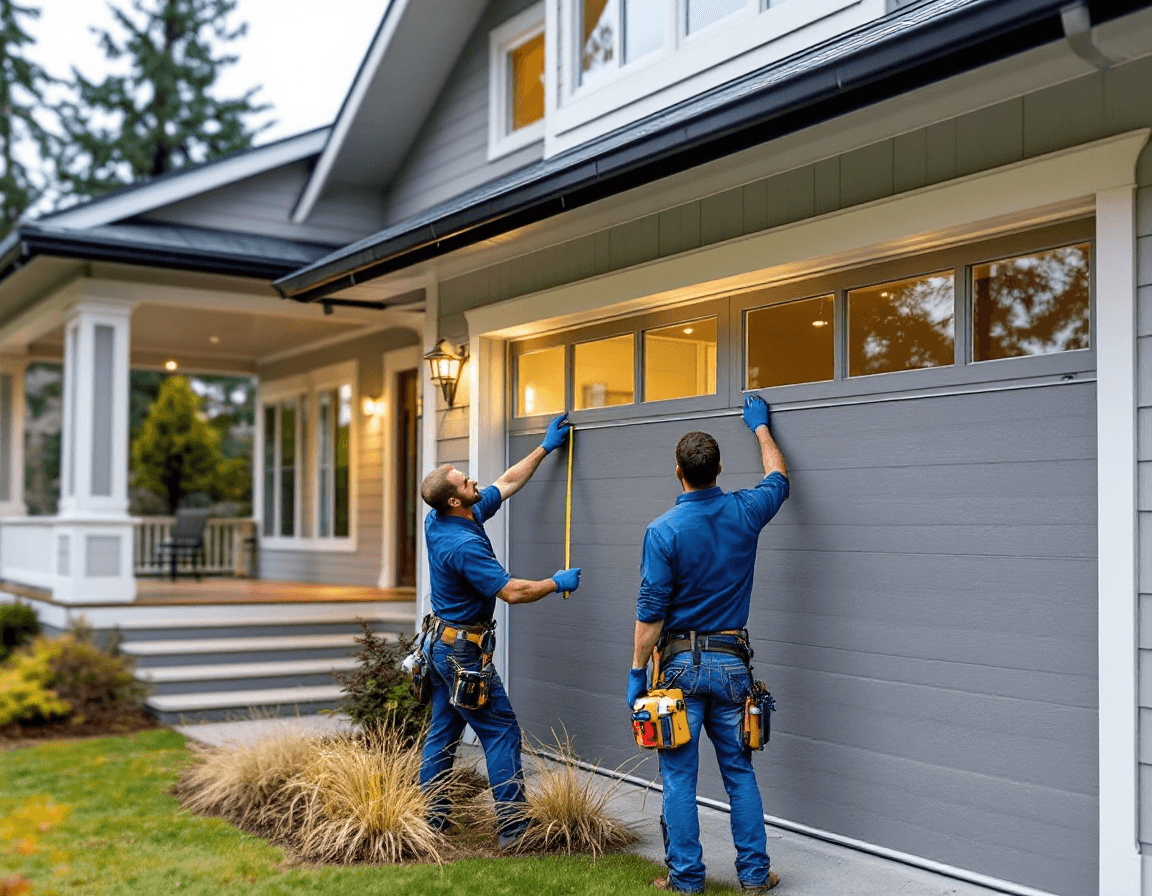
A professional installation follows a clear sequence, and understanding it helps you prepare. The process usually begins with an on-site inspection where the technician measures the opening in several places, checks for square and plumb, examines the existing framing, and looks for signs of rot or water intrusion. This is also the time to discuss door style, insulation level, opener options, and any special features you want.
On installation day, the old door is carefully removed, which involves releasing the tension system safely and disconnecting the track. The new tracks are aligned, the header and jamb conditions are checked, and the door panels are assembled and hung. Springs are installed and tensioned by a licensed technician, the opener is mounted and programmed, and the safety reversal system is tested. Weatherstripping is trimmed and fitted, and the door is run through multiple open and close cycles to confirm smooth movement.
- On-site measurement and inspection of the opening, framing, and surrounding conditions.
- Review of door style, materials, insulation rating, and opener options with written specifications.
- Removal and safe disposal of the old door and hardware, with careful handling of tension components.
- Installation of tracks, panels, springs, and hardware, followed by precise alignment and balance checks.
- Opener setup, safety sensor testing, and a walkthrough of how to operate the door and maintain it.
Expect the process to take a few hours to most of a day depending on complexity. A thorough installer will leave you with care instructions and a clear explanation of what the warranty covers.
Budgeting Between $950 and $3,800 Without Surprises
Pricing for new garage doors in the Des Moines area generally falls between $950 and $3,800 or more, installed, depending on the door's construction, materials, size, and any additional features. Entry-level insulated steel doors in standard sizes sit at the lower end of that range, while custom wood, large glass designs, or double-wide doors with premium hardware move toward the top. Installation complexity, such as framing repairs or track modifications, can also influence the final figure.
To avoid surprises, ask for a written estimate that breaks down the door itself, hardware, insulation details, opener if included, removal of the old door, and any permit or disposal fees. Compare estimates based on the same specifications so you are evaluating equal products. A slightly higher price may be justified if it includes better sealing, a longer warranty, or a more robust track system. Conversely, an unusually low quote may leave out components you will need later.
Think of the door as a long-term investment rather than a one-time expense. A well-chosen door that stays balanced and sealed can reduce repair calls, help with comfort, and maintain your home's value. Setting a budget early lets you focus on the features that matter most, such as insulation performance, material durability, and appearance, rather than paying for extras you will not use.
Permits, Warranties, and Questions Worth Asking Before You Sign
Some garage door replacements require a permit, particularly when the project involves structural changes to the opening, electrical work for an opener, or modifications to a garage addition. Requirements can vary by project and by jurisdiction, so it is wise to confirm with the City of Des Moines permit office before work begins. A reputable installer should be willing to explain whether a permit applies to your specific job and handle any paperwork that is required.
Warranties deserve careful reading. Manufacturers typically offer coverage on panels, finishes, and components, while installers may provide separate coverage for workmanship. Terms differ on what counts as normal wear, how long coverage lasts, and whether labor is included in repairs. Ask for both warranties in writing and clarify what must be done to keep them valid, such as scheduled maintenance or professional adjustments.
Good questions to ask before signing include how the installer confirms the opening is square, what sensor and safety features are included, and who will service the door if a problem arises. Ask whether the technician is licensed and insured, and request proof of both if you have not seen it. You should also ask how the old door will be removed and disposed of, and whether the crew will clean up the work area when they finish.
Remodels and Additions: Planning a Door Around New Construction
Adding a garage door during a remodel or addition brings a different set of considerations. New framing may not yet be fully finished, interior walls may be changing, and the exterior façade may be evolving at the same time. Coordinating the door with your contractor early prevents costly rework, such as cutting into new headers or moving an opener location after drywall is installed.
Measure the opening after the framing is complete and confirm that the header height, jamb width, and clearance match the door you choose. If the addition changes the roofline or siding, the door's color and style should be selected with those updates in mind. For homes that include a bonus room or living space above the garage, insulation and sound control become especially important, because the door section affects the comfort of the rooms above and beside it.
Timing matters as well. Doors often have lead times, and a remodel schedule can shift quickly. Ordering the door as soon as dimensions are confirmed helps keep the project moving. Clear communication between your installer and your general contractor can keep everyone on the same schedule and ensure the finished opening looks intentional and well built.
Safety Note: Why Spring Work Stays With Licensed Technicians
Garage door springs store enormous amounts of tension, and mishandling them can cause severe injury. Torsion and extension springs should never be adjusted, removed, or replaced by an untrained homeowner. Even experienced DIYers can be hurt when a spring releases unexpectedly. For that reason, any work involving springs, cables, or drums belongs with a licensed, bonded, and insured professional who has the right tools and training.
Replacement installation always involves tension management, and this is one reason why hiring a qualified crew matters. The technicians should use proper winding bars, safety cables, and correct procedures for balancing the door. If you notice a frayed cable, a sagging door, or a spring that appears broken, keep the door closed, disconnect the opener if it is safe to do so, and call a professional rather than attempting a fix yourself.
A careful installation protects your family and your investment. When you choose a qualified team, you can focus on selecting the right door, enjoying better insulation and curb appeal, and trusting that the system has been installed to safe standards from the first day.
Ready to talk through options for your Des Moines home? Call Seattle Garage Door Fix at (888) 799-3819 to schedule an inspection, review door styles and insulation ratings, and receive a clear written estimate. Our licensed, bonded, and insured technicians will help you choose a door that fits your property, your budget, and the Pacific Northwest weather you live with every day.