
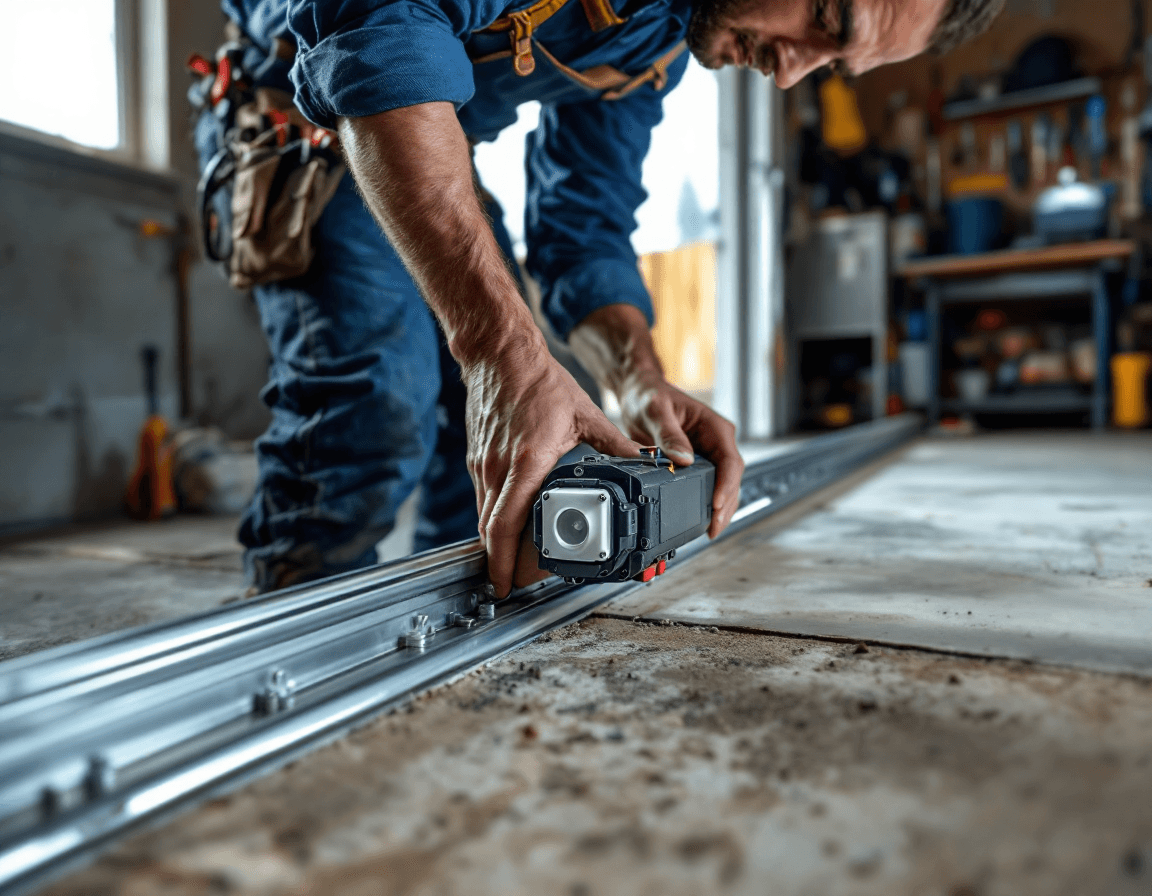
Garage Door Sensor Repair in Renton, WA is one of the most common calls we take, and it usually starts with the same frustrating moment. You press the wall button, the door starts down, then stops and climbs back up before you can step out of the way. Those two small photo-eyes mounted near the floor are doing a critical job, and when they stop agreeing with the opener, the door assumes something is in its path. Homeowners across Renton, from older houses on the slopes to newer builds closer to the commercial corridors, often assume the whole door is failing when the real problem is a sensor that has drifted, dimmed, or lost its wiring connection.
The good news is that most sensor problems are inexpensive to fix and rarely require replacing the door or the opener. In our experience, the majority of sensor repairs we handle fall in the $85 to $225 range, depending on whether the job is a simple realignment, a cleaned lens and tightened bracket, or a full sensor replacement with new wire runs. A technician who understands how Western Washington weather, afternoon sun, and typical Renton garage layouts affect these components can usually identify the cause quickly. This guide walks through the most common causes, what you can safely check yourself, and when it's time to call a professional.
Because sensors sit low and close to the floor, they are exposed to dust, moisture, road grit, and the everyday bumps of a busy household. Many of the issues we see are not dramatic failures but gradual changes that build up over months. Understanding those patterns will help you describe the problem accurately if you do call, and it will help you spot the difference between a quick adjustment and a component that needs to be replaced.
When the Door Turns Around Mid-Travel
The classic sign is a door that starts closing, then immediately reverses or stops halfway down. Some homeowners notice the reversal happens within a second of the door moving, while others see the door descend most of the way before reversing at the last moment. Both patterns point toward the photo-eyes, because the opener's safety system is designed to reverse the door whenever the beam between the two sensors is broken or the signal does not match what the opener expects. A door that reverses on every attempt is usually reacting to a clear fault, not an intermittent obstruction.
Another frustrating symptom is a door that will only close if you hold the wall button down continuously. When the opener is in this mode, it is telling you the safety circuit is not satisfied, and it is trying to protect people and property by requiring constant pressure. Many Renton homeowners think the opener has failed, but in most cases the opener is working exactly as intended and simply cannot see a valid signal from the sensors. Keep in mind that a door that won't close at all might also indicate a travel limit or a remote issue, so a technician should check both paths before assuming the sensor is at fault.
Some doors show a more subtle pattern. They close normally on some days and reverse on others, often after rain or during the first cold morning of the season. That inconsistency is a valuable clue. It suggests a sensor that is borderline, perhaps with a slightly misaligned lens or a bracket that flexes under temperature changes, so small shifts in conditions push it past the threshold.
How the Photo-Eye Pair Communicates With Your Opener
Garage door safety sensors are a matched pair. The sending eye emits a narrow infrared beam, and the receiving eye reads that beam across the doorway, typically a few inches above the floor. The opener continuously monitors this link, and if the beam is interrupted or the receiver shows a weak or missing signal, the opener stops or reverses the door. Most modern systems also include indicator lights on each sensor, which tell you whether power is reaching the unit and whether the two eyes are lined up.
The alignment tolerance is tighter than most people expect. A sensor that looks straight to the eye can still be a few degrees off, and that small angle may be enough to lose the signal across a standard two-car span. Because the beam is narrow, even a slight bump from a bicycle, a stepladder, or a rolling trash can can move the bracket enough to cause a fault. The receiver may still show a faint light while the opener considers the connection unreliable, which is why some doors appear fine at a glance but still reverse under load.
Understanding this pair helps explain why replacing only one sensor does not always solve the problem. If the sending unit is weak or the receiver is damaged, the opener may still refuse to close the door, even when the other side is working. A technician will typically test both units, verify voltage at each one, and confirm that the signal is strong enough across the full width of the door opening before declaring the system repaired.
Pacific Northwest Moisture and the Slow Drift Out of Alignment
Western Washington's wet season is hard on garage hardware. Renton sees long stretches of drizzle, fog that settles in low spots, and humidity that lingers in attached garages without much airflow. Moisture can work its way into sensor housings, fog the lenses, and corrode small terminal connections over time. When a lens develops a film or a terminal turns green at the edges, the signal weakens, and the opener may start reporting faults even though the sensors look mostly fine from the outside.
Temperature swings add another layer. A typical Renton winter can bring cool mornings, mild afternoons, and sudden cold snaps that cause metal brackets and mounting screws to contract and expand. Over a season, a bracket that was snug in October can loosen slightly, allowing the sensor to rotate a degree or two. That shift is often invisible until the first heavy rain or the first frosty morning, when the door suddenly starts reversing for no obvious reason.
Dust and debris also accumulate faster than people expect. Leaf litter from nearby trees, road spray from wet streets, and the fine grit tracked in on shoes can coat the lenses and the floor-level mounting area. A simple cleaning with a soft, dry cloth often improves performance, but avoid harsh solvents that can cloud plastic lenses. If the sensor still fails after cleaning, the problem is probably mechanical or electrical rather than cosmetic.
Afternoon Sun Glare and Why West-Facing Garages Struggle
Sun glare is a surprisingly common cause of nuisance reversals, especially for garages that face west or south. In late afternoon, low-angle sunlight can strike the receiving eye directly, overwhelming the sensor and causing it to misread the beam. The door may close normally in the morning and then reverse every evening when the sun sits at a particular angle through the gap beneath the door or through a side window. Renton homeowners on sloped lots sometimes notice this more, because the driveway orientation and the house position can put the garage opening directly in the path of setting sun.
Glare problems are often intermittent and seasonal. In the Pacific Northwest, the sun can be low for much of the year during the shorter days, so the issue may appear in late fall and winter and disappear in summer when the angle changes. Homeowners frequently assume the sensor is failing because the problem comes and goes, but a sensor reacting to direct light is working as designed in a difficult environment. The fix may involve adjusting the angle of the receiver slightly, shielding the lens from direct sun with a small cover, or in some cases relocating the sensor bracket within the allowable mounting range.
Be careful not to block the beam or modify the sensor in ways that defeat its safety purpose. A shield should never obstruct the infrared path, and any change to mounting height or position should follow the manufacturer's guidelines. A knowledgeable technician can test the door at the time of day when glare occurs and recommend a solution that keeps the safety function intact.
Chewed, Brittle, and Pinched Sensor Wiring
Sensor wiring is more vulnerable than most homeowners realize. The low-voltage cable running from the opener to each sensor is often stapled along the wall or the ceiling track, where it can be pinched by moving hardware, scraped by a ladder, or nicked during shelving installation. Pets and rodents are also a real concern in garages, and gnawed insulation can cause an intermittent short that only shows up when the door is operating. A wire that was fine last year may now fail under vibration or when the door moves through its full travel.
Brittleness is another hidden problem. Cables exposed to heat from a nearby water heater or to repeated temperature cycling can harden and crack over time, especially where they bend sharply at staple points. When the cable flexes, a conductor may make intermittent contact, causing the sensor to flicker or the opener to report a fault that disappears when you touch the wire. This kind of problem is frustrating to diagnose because it does not behave consistently, and it can look like a sensor defect even when the sensor is fine.
Repairing damaged wiring requires care. Splicing with loose wire nuts or using tape alone is not a reliable long-term fix, and improper connections can cause new faults. A proper repair typically involves replacing the damaged section, securing the cable away from moving parts, and making sure connections are protected from moisture. If the wire has been damaged near the opener or along the track, a licensed technician can route it safely and confirm that nothing interferes with the door's movement.
A Homeowner's Checklist Before Calling for Service
Many sensor problems can be narrowed down with a few simple checks, which can save time and help the technician work faster. Start by watching the indicator lights on both sensors while someone observes the door from a safe distance. Make sure nothing is blocking the beam, including stored bins, bikes, or the edge of a floor mat. Check whether the door is operating from the wall button, the remote, or both, since differences can point toward different causes.
Next, inspect the sensors visually. Look for a bracket that is crooked or loose, a lens that is cloudy or dirty, and a wire that is pinched or visibly damaged. Gently wipe each lens with a clean, dry microfiber cloth, then test the door again. If the door responds differently after cleaning, you may have found a contributing factor, though the underlying alignment or wiring may still need attention.
Here are a few safe checks many homeowners can perform:
- Confirm both sensor lights are on and steady, not blinking or dark.
- Clear the floor path between the sensors of any objects or debris.
- Wipe the lenses with a dry, soft cloth and check for film or moisture.
- Look for loose mounting screws, cracked brackets, or cable damage.
- Note whether the problem happens only at certain times of day or after weather changes.
Avoid doing anything that involves the door's springs, cables, or drums. Those components store significant force, and adjusting them without training can cause serious injury.
Reading Sensor Light Patterns Like a Technician
Sensor indicator lights are more informative than they first appear. A solid light on the sending unit generally means it has power, while a solid light on the receiving unit often indicates a good alignment. A blinking light, however, can signal a misalignment or a weak signal, and the specific pattern may vary by manufacturer. Because models differ, always check the label or manual that came with your opener before drawing conclusions from a particular blink.
A completely dark sensor is usually a power or wiring issue. The problem may be a disconnected wire at the opener terminal, a damaged conductor, or a failed sensor. Some homeowners confuse this with a dead opener, but the opener's lights and motor may still work normally while the sensor circuit is broken. Testing whether the other sensor lights up can help determine whether the failure is on one side or the whole loop.
Light patterns alone rarely tell the complete story. A technician will combine what the lights show with direct measurements, the door's behavior during a cycle, and an inspection of the wiring and mounting. That combined approach is what separates a quick guess from a lasting repair.
Realistic Costs and Repair-Versus-Replace Decisions
For most sensor repairs, our pricing generally falls between $85 and $225. Simple realignment and cleaning sit at the lower end, while replacing a sensor pair, repairing damaged wiring, or correcting a complex glare or mounting issue lands higher in that range. Because every garage is different, the final price depends on what the technician finds once the door is tested in person. A clear estimate before work begins helps you decide how to proceed.
The decision to repair or replace usually depends on the age and condition of the components. If the sensors are functioning but slightly misaligned, a repair is almost always the sensible choice. If the lenses are cracked, the housings have failed, or the receiver no longer produces a reliable signal, replacement is more practical than attempting to salvage a unit that will keep failing. When wiring is involved, the cost of rerouting cable may be modest, but it is important to avoid temporary fixes that create new safety issues.
Replacing sensors also makes sense when the door has been upgraded or when the opener is compatible only with specific sensor models. A technician can confirm compatibility before ordering parts, which avoids repeated trips. Ask whether the price includes testing the full safety reversal function, since that test is essential after any sensor work.
Keeping Sensors Reliable Through Renton's Wet Winters
Prevention is inexpensive compared with emergency repairs. A quick seasonal check each fall can catch loose brackets, dirty lenses, and early wire wear before they cause a midwinter reversal. Renton's wet months are a good time to inspect the floor-level sensor mounts, since moisture and debris tend to collect there. Make a habit of cleaning the lenses when you clean the garage floor, and keep the sensor area clear of stored items.
Some practical habits help a great deal. Consider these maintenance steps for the rainy season:
- Clean both sensor lenses every few months with a dry microfiber cloth.
- Tighten mounting screws gently and check that brackets have not rotated.
- Keep bikes, bins, and ladders away from the sensor beam path.
- Inspect visible wiring for staples that pinch the cable or areas where insulation looks worn.
- Test the door's auto-reverse function after any seasonal change or storm.
Testing the auto-reverse function is important for safety. Place a soft object, such as a folded towel, on the floor in the door's path and close the door using the wall button. The door should reverse when it contacts the object. If it does not, stop using the door in automatic mode and call a technician promptly, because the safety system may not be functioning as intended.
Serving Renton and Nearby Neighborhoods
Our technicians regularly work across Renton and the surrounding communities, including the areas covered by ZIP codes 98055, 98056, 98057, 98058, and 98059. We frequently schedule sensor visits in neighborhoods such as the Highlands, Fairwood, and the residential streets near Talbot Hill, as well as homes close to The Landing shopping area. Each neighborhood has its own mix of garage styles, from older detached structures to newer attached garages with tight clearances, and that variety affects how sensors are mounted and how wiring is routed.
Local knowledge makes a difference. Hillside properties may have garages that sit at unusual angles to the street, which can change how afternoon light enters the opening. Homes with long driveways or heavily wooded lots may experience more debris and moisture around the floor-level sensors. Knowing these patterns helps a technician anticipate likely causes and check the right details during the first visit.
Whether you live near the Cedar River corridor, along the busier commercial streets, or in a quiet residential pocket, the goal is the same: a sensor system that reads reliably in every season. A technician who knows the area can explain the likely causes in plain language and recommend the least invasive fix that restores safe operation.
What Requires a Licensed Technician
Sensor repair is one of the more approachable garage door tasks, but it still involves a system that can cause injury if handled improperly. Homeowners can safely clean lenses, confirm lights, clear the beam path, and visually inspect wiring. Anything beyond that should be left to a licensed, bonded, and insured professional, especially when the work touches the opener's control board, the low-voltage circuit in a way that requires splicing, or the door's mechanical components.
Spring and cable work is a separate category and must always be handled by a licensed technician. Torsion springs and extension springs hold tremendous tension, and even experienced homeowners can be seriously hurt when they attempt to adjust or replace them. If your sensor problem is accompanied by a door that is unbalanced, sagging, grinding, or making loud snapping sounds, stop using the door and call for professional help. The sensor may be only part of a larger issue.
If you are unsure whether a problem is within your comfort level, it is better to ask. A short call can clarify what you should check and what needs a technician's hands. Safety is always the priority, and a properly repaired sensor system protects your family, your vehicles, and your belongings.
If your garage door keeps reversing, closes only when you hold the button, or shows a sensor light that is dark or blinking, call Seattle Garage Door Fix at (888) 799-3819 to schedule a sensor repair visit in Renton. Our licensed technicians will test both photo-eyes, check the wiring, and explain the cause before recommending any work, so you know exactly what your door needs.