
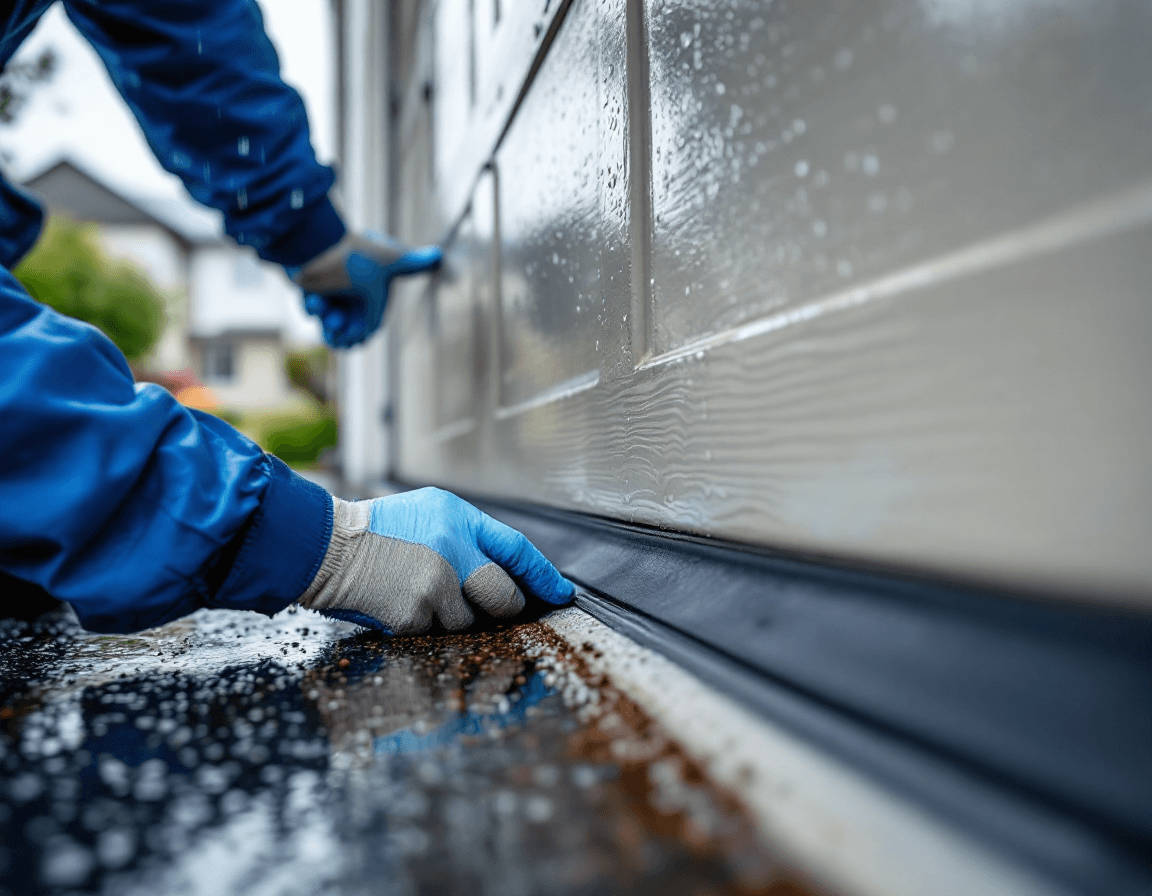
Garage Door Weather Seal Replacement in Hunts Point, WA is one of the most practical repairs a lakefront household can make, even though most homeowners don't think about it until they notice a line of daylight under the door or a damp patch spreading across the slab. The seals along your garage door are thin strips of rubber, vinyl, or foam, but they do a lot of work. They keep rain, cold air, leaves, and small animals out of a space that often holds your car, tools, and the freezer you rely on. When they fail, the problems tend to show up gradually and then all at once.
Hunts Point sits on the eastern shore of Lake Washington, and the homes here are set on generous lots with long driveways, mature trees, and plenty of exposure to wind and weather off the water. That setting is beautiful, but it puts extra demands on a garage door's weatherproofing. A seal that would last several seasons on an inland property in a sheltered neighborhood may wear out faster here, especially if the door faces the lake or sits in the path of prevailing winter storms. This guide walks through how seals fail, what the most common symptoms look like, what replacement involves, and what it typically costs in the 98004 area so you can decide what makes sense for your home.
Our work in this part of King County is built around one principle: a good seal should be a quiet, dependable part of the door system, not something you think about every week. We will explain what we look for during an inspection, how we choose between seal types, and where the job stops being a weekend project and starts requiring a licensed technician. If you have questions about your particular door before you read further, you are welcome to call us at (888) 799-3819.
Why Lakeside Weather Wears Down Garage Door Seals Faster
Western Washington's climate is mild by many national standards, but its character is persistent. Long stretches of drizzle, repeated soaking rains from October through April, and damp air that rarely dries out completely all put steady stress on rubber and vinyl. Seals do not usually fail from one dramatic event. Instead, they absorb moisture, expand and contract with temperature swings, and slowly lose their resilience until they no longer press firmly against the concrete or the door panels.
Hunts Point's proximity to Lake Washington adds a few complications on top of the regional pattern. Wind coming across open water can drive rain sideways into the gap at the base of a door, and humidity from the lake keeps surfaces damp longer than they would be a few miles inland. Lakefront properties also tend to collect more fine debris, including sand, fallen needles, and organic material that gets pushed toward the garage by wind and runoff. All of these factors grind against the bottom edge of a door every time it closes.
Heat matters too, though the summers here are generally moderate. The sun can warm a south- or west-facing door to surprising temperatures on a rare dry afternoon, and that heat softens and then cools the material repeatedly over the year. Over several seasons, that cycle can cause hardening, cracking, or permanent compression set, where the seal no longer springs back to its original shape. Recognizing this pattern early makes it much easier to plan a replacement rather than react to water on the floor.
Reading the Warning Signs of a Failing Bottom Seal
The bottom seal, which attaches along the lowest panel of the door, takes the most abuse of any weatherproofing component. It is the piece that meets the floor every time the door descends, and it is usually the first to show problems. Homeowners often notice it because they can see daylight under the closed door, or because a flashlight shone from inside reveals a bright line along the bottom edge. In a lot of cases, though, the damage is already further along than the visible gap suggests.
Common signs include a seal that looks brittle or flaky when you touch it, small cracks running across the vinyl or rubber, or sections that have pulled away from the metal retainer channel. Some seals are simply missing in places, often where a previous impact or a snag from a snowplow-style shovel or a dragging bicycle caused a tear. Others have compressed so much over time that they no longer make contact with the floor when the door is closed. Any of these conditions allows air and water to pass through the gap.
- Visible daylight along the bottom edge when the door is fully closed
- Cracked, peeling, or chalky rubber or vinyl along the bottom panel
- Sections of seal that have torn loose from the retainer channel
- Water pooling or leaving tide-line marks on the slab after rain
- Leaves, grit, or small insects collecting on the floor just inside the door
If you notice any of these signs, it is worth looking at the seal in good light on a dry day. Run a hand along the bottom of the door and feel for stiffness, rough patches, or spots where the seal has lost its shape. A quick check like this often tells you whether you are looking at a simple replacement or a sign that the whole perimeter system needs attention.
Perimeter Weatherstripping: The Overlooked Companion
Bottom seals get most of the attention, but the weatherstripping that runs up both sides and across the top of the door is just as important. This material sits in the gap between the door panels and the door frame, and it blocks drafts, wind-driven rain, and dust from entering around the edges. When perimeter weatherstripping wears out, the damage is often less obvious than a bottom seal failure. You may feel a cold breeze near the frame on a windy day, or notice grit building up along the inside of the track.
Perimeter strips are usually made of vinyl, foam, or rubber bulb profiles, and they are typically held in place by adhesive, clips, or a retaining channel. Over time, the adhesive can let go, the foam can compress flat, and the bulb can flatten or split. Sun exposure on the top section and moisture exposure at the lower corners are the two places where we most often see deterioration in this area. Replacing a worn perimeter strip is usually a straightforward task, but getting the fit right takes attention so the door still seals well without binding in its tracks.
A good replacement should follow the existing profile of the door and meet cleanly at the corners. We look for gaps where the side and top strips join, because those seams are a frequent route for moisture to sneak in during a wind-driven storm. If your door has an older or nonstandard frame, the existing strip may no longer match a modern profile, and we will explain the options so you can choose a seal that actually closes the gap rather than just covering part of it.
Threshold Seals and the Concrete Lip at the Garage Opening
The threshold is the strip of material or concrete at the base of the garage opening, where the door meets the floor. On many homes, the threshold is a simple slab edge, but some garages have a slight lip, a metal track section, or a surface that has settled or cracked over the years. Any irregularity at the threshold can prevent the bottom seal from making full contact, even when the seal itself is in good condition. That is why we always check the threshold when we evaluate a leaking door.
Threshold seals are designed to bridge small variations in the floor and create a continuous barrier when the door closes. In areas where the concrete has heaved from freeze-thaw cycles, or where a driveway has been regraded, the threshold can sit higher or lower than the original design. A properly chosen threshold seal can accommodate those differences, provided the surface is sound and clean. If the concrete itself is crumbling or pitted, a seal alone will not solve the problem, and we will recommend addressing the surface first.
Threshold work is often the step that makes a seal replacement feel finished. Without it, a new bottom seal may still allow water to track in along the edges, especially where the slab slopes slightly toward the garage. We take time to confirm that the seal meets the floor evenly across the full width of the door, and we check corners and edges for any gaps that could let in drafts or pests.
Water Management on a Sloped Approach
Many properties in and around Hunts Point have driveways that slope toward the garage, and some sit on ground that gently drains toward the lake. Water that runs down the driveway can pool at the base of the door, particularly during heavy rains when the storm drains are working hard. A bottom seal that is only slightly compromised may be able to handle light drizzle, but it often fails when water is pushed against it from the outside by a steady flow.
Signs of water intrusion include damp streaks on the garage floor after storms, rust or mineral deposits on the lower metal panels, or a faint musty smell that lingers near the door. If you see water tracking in along the edges of the door, the problem may be a combination of a worn seal and a grading issue. A new seal will help, but it will not fully correct a driveway that channels water toward the opening. In those cases, we can point out where the water is coming from so you can talk with a landscaper or concrete contractor about drainage.
Good maintenance also matters. Clearing debris from the driveway edge, keeping gutters flowing, and checking that downspouts discharge away from the garage apron all reduce the amount of water that reaches the door. These steps are simple, low-cost, and make a noticeable difference when paired with a properly installed seal. A seal that is replaced in good condition, but then sits in a flow of runoff, is working against a difficult situation.
Keeping Leaves, Dust, and Pests Out of the Garage
Hunts Point's tree cover is one of its best features, but it also means a steady supply of leaves, needles, and seed material that gets carried toward the garage by wind and water. A gap at the bottom of the door is an open invitation for that debris, and it often brings along spiders, earwigs, beetles, rodents, and other small pests looking for shelter. Once they get inside, they can nest in stored boxes, chew through cardboard, or leave droppings near food and pet supplies.
Pest entry is not always about hunger or nesting. Many small animals simply follow the path of least resistance, moving along edges and walls where they feel protected. A continuous bottom seal and well-fitted perimeter strips remove that path by closing the gap at the most likely entry points. Because different pests can squeeze through surprisingly small openings, the seal should make firm contact across the full width of the door, not just in the center.
Debris management outside the door is worth thinking about as well. Sweeping the apron, keeping shrubs trimmed back from the garage wall, and clearing leaf litter from the threshold area all reduce the load pushing against the seal. We recommend a quick walk around the door every few months, especially in late fall, to look for accumulated material and to check that the seal still meets the floor cleanly.
- Check the bottom seal for flattening after heavy leaf fall
- Sweep the threshold area before the wettest months arrive
- Look for droppings or nesting material along the inside edge of the door
- Confirm the seal is still touching the floor evenly across the full width
Heat Loss, Drafts, and Energy Costs in an Attached or Detached Garage
Whether your garage is attached to the house or stands on its own, a leaky door can affect comfort and energy use. In attached garages, cold air leaking through the door can chill rooms along the shared wall, make the entry feel drafty, and cause the furnace to run longer than expected. Detached garages may be less connected to the living space, but they often hold water heaters, freezers, workshops, or vehicles that do better in a more stable temperature range. Cold drafts can also make it harder to keep a workshop comfortable in winter.
Energy savings from weather sealing are real but depend on the size of the gap, the home's insulation, and how much the garage is used. We do not promise specific savings figures, since every home is different. What we can say with confidence is that a tight, continuous seal reduces the amount of cold air entering the space and makes it easier for heating systems to hold a steady temperature. In the chilly, damp months of Western Washington, that difference is often more noticeable than homeowners expect.
If you notice cold spots near the garage entry or a draft you can feel on your ankles when standing near the door, the seal is a good place to start. We also recommend checking the door's insulation, the condition of the garage ceiling, and any gaps around pipes or wiring that pass through the wall. Addressing the door seal alone is a meaningful improvement, but it works best as part of a broader look at how the garage holds heat.
How Seal Type, Door Size, and Access Shape the Price
Our typical range for weather seal replacement is $95 to $250, and the final figure depends on several factors. The type of seal matters because bottom seals, perimeter strips, and threshold seals each use different materials and attachment methods. A standard vinyl bottom seal on a single-car door costs less than a heavy-duty rubber profile on a wide double door with a complex retainer channel. Door size affects material length and labor time, and older doors may need extra preparation to get a clean fit.
Access and condition also play a role. A door that opens and closes smoothly with a straightforward seal channel is simpler to service than one with corroded tracks, damaged panels, or a retainer that has bent out of shape. If the threshold needs work before a new seal can sit properly, that adds time and materials. We give you a clear explanation of what is included before any work begins, so you know exactly what you are paying for.
When you call, it helps to know your approximate door width, whether the door is insulated, and roughly where you see the gap or leak. Photos sent in advance can sometimes help us prepare the right materials for your visit. The more specific the information, the better we can match the seal to your door and avoid surprises on the day of service.
Our Replacement Process from Inspection to Final Check
A typical visit starts with a careful inspection of the entire door perimeter, not just the bottom edge. We look at the bottom seal, the threshold, both side strips, and the top weatherstripping, and we note any signs of moisture, debris, or pest activity. We also check the door's balance and general operation, because a door that is out of alignment can wear seals unevenly and undo the benefit of a new strip. Once we understand the full picture, we explain our recommendations in plain language.
The replacement itself involves removing the old seal, cleaning the retainer channel or mounting surface, and fitting the new material to the correct length. Bottom seals are often secured with a channel that slides along the base of the door, while perimeter strips may use clips, adhesive, or a retaining profile. We trim and adjust each piece so it compresses evenly against the floor or frame without causing the door to bind. A final test involves closing the door several times and checking for daylight, drafts, and smooth movement.
Before leaving the job, we walk through what was done and how to keep the seals in good shape. We are happy to answer questions about maintenance, timing for future checks, or other parts of the door that may need attention. Our goal is a seal that fits well from day one and continues to perform through the wettest months of the year.
When Spring Cable Work and Door Hardware Belong to a Pro
Weather seals are a reasonable task for many homeowners who are comfortable with basic tools, but the boundary is important. The springs, cables, and drums that counterbalance a garage door carry enormous tension, and mishandling them can cause serious injury. Any work involving torsion springs, extension springs, lift cables, or the drum assembly should be left to a licensed, trained technician. Even a seemingly simple adjustment to a door's hardware can change how the door is balanced, and an unbalanced door can strain the opener and damage seals.
If your inspection reveals a bent track, a frayed cable, or a spring that looks stretched or gapped, stop and call a professional rather than trying to correct it yourself. Those problems are not solved by a new seal, and attempting repairs without the right equipment can lead to a falling door or a release of stored energy. Our technicians carry the tools and training needed for that work, and we will explain what we find so you can make an informed decision about next steps.
A seal replacement should never require you to loosen or remove any part of the spring system. If someone suggests that you do, treat it as a warning sign and get a second opinion from a licensed company. Keeping the spring and cable work in professional hands protects your household and keeps the door operating safely for years.
Caring for New Seals Through a Western Washington Year
A new seal will perform best when it gets a little attention through the seasons. In late summer, when the weather is dry, wipe the seal with a mild soap and water solution and remove any grit or sap that has built up. Avoid harsh solvents, petroleum-based cleaners, or abrasive pads, since these can dry out or degrade the material. Give the seal time to dry fully before closing the door so mildew does not form along the contact surface.
Before the wet months arrive, take a walk around the door and check for debris, flattening, or any sign that the seal has pulled away from its channel. Trim back plants that touch the garage wall, and make sure the apron slopes away from the door rather than toward it. In winter, if the seal stiffens during a cold snap, avoid forcing the door open or closed quickly, since sudden movement can tear a stiff seal. Gentle operation is the simplest way to extend its life.
Finally, schedule a periodic check, ideally once a year, to confirm the seals are still doing their job. Small problems caught early are far easier and less expensive to fix than the water damage, pest problems, or energy losses that follow from a neglected gap. If you are unsure whether your seals need attention, or if you want an honest look at the whole door, we are glad to help. Call (888) 799-3819 to schedule an inspection, and we will walk you through your options for Garage Door Weather Seal Replacement in Hunts Point, WA, so your garage stays dry, quiet, and comfortable through every season.