
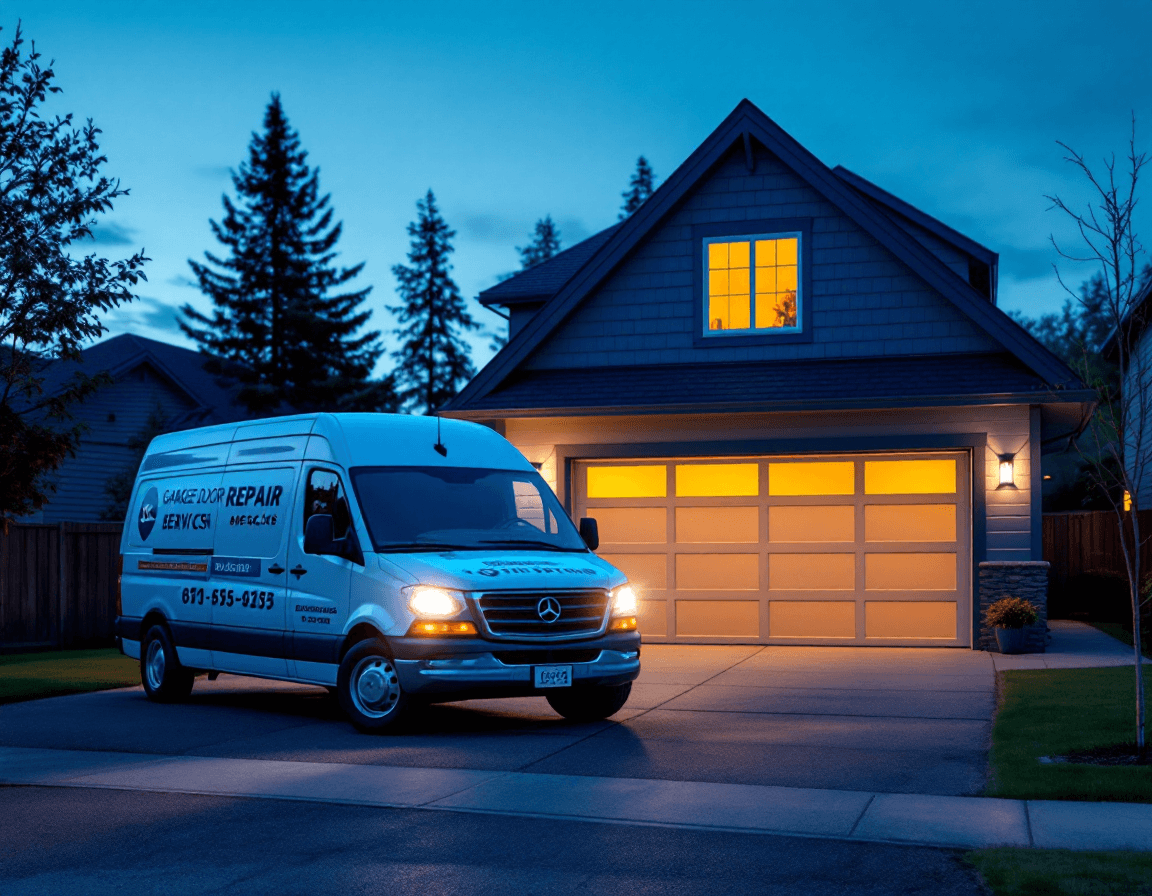
Mukilteo homeowners tend to notice a garage door problem at the worst possible moment: a car that won't back out before a ferry run, a door that won't close before a night away, or a bang in the middle of a wind storm. When you need Emergency Garage Door Repair in Mukilteo, WA, the first priority is making the space safe and secure, and the second is getting the door working again without guesswork. Seattle Garage Door Fix provides 24/7 same-day emergency service for homes across Mukilteo and the surrounding Snohomish County communities, including the 98275 ZIP code. We bring the parts and tools most emergency calls need, and we explain the problem and the price before we start work.
Our technicians answer these calls around the clock because a garage door is often the largest moving object on a home, and when it fails it can trap a vehicle, expose the inside of the house, or create a fall hazard. Many of the homes we visit near the Mukilteo Waterfront, in Harbour Pointe, and in the older blocks of Old Town have been through decades of salt air, damp winters, and gusty weather off the Sound. Those conditions wear on springs, rollers, and tracks in ways that a quick glance may not reveal. This page walks through the situations we see most often, what causes them, and what you can safely do while you wait for help.
If your situation is urgent right now, call (888) 799-3819 and describe what you are seeing. We will ask a few questions to determine whether the door can be made safe temporarily or whether it needs immediate repair. The sections below explain each common emergency so you can understand what is happening in your garage and why the right fix matters.
When a Trapped Car Turns Into a Morning Emergency
A car trapped inside a closed garage is one of the most common reasons homeowners call us after hours. It usually happens when the opener stops responding, a safety sensor fails, or a spring breaks while the door is down. Sometimes the car is inside and the door will not lift at all, and other times the door opens only partway before stopping. In either case, the goal is to get the vehicle out safely without forcing a door that may be carrying dangerous tension.
Before you call, check whether the opener has power, whether the wall button responds, and whether any indicator light is blinking on the motor unit. A tripped breaker or a disconnected safety sensor wire can make the door appear dead when the real issue is simple. If the door refuses to move and the opener is humming without lifting, that often points to a mechanical failure rather than an electrical one. Continuing to press the button can strain the opener motor and damage the drive system, so stop once you see that behavior.
If you need the car out right now, pull the red emergency release cord on the opener trolley, which disconnects the door from the motor so it can be operated by hand. Do this only when the door is fully closed and the car is not blocked by anything in the path. Lift the door slowly and steadily, and stop immediately if it feels unusually heavy, drops, or makes a loud snap. If the door will not move evenly or hangs at an angle, leave it alone and call a technician, because a damaged spring or cable can release suddenly.
Reading the Warning Signs Before a Spring Lets Go
Most torsion spring failures do not happen without warning. Homeowners often notice a loud bang from the garage, a door that rises unevenly, or a sudden increase in the time the opener seems to strain before lifting. Some doors also sag a few inches at the bottom when closed, or the opener reverses itself more often than it used to. These signs indicate that the springs are losing tension or that one side is carrying more load than the other.
Torsion springs are mounted on a steel shaft above the door opening, and they are wound to a specific tension that counterbalances the weight of the door. Over years of opening and closing, metal fatigue builds up, and winter moisture and salt-laden air can accelerate corrosion. When a spring finally breaks, the stored energy is released quickly, which is why a broken spring can be hazardous to anyone standing nearby. This is also why spring replacement must be done by a trained professional with the correct winding bars, safety equipment, and experience with the specific door weight and size.
Extension springs, which run along the horizontal tracks on many older garages, give a different set of warning signs. They may stretch unevenly, show gaps between coils, or lose tension over time. If you see a spring that looks stretched out or has visible separation, avoid touching it and schedule a service visit. We recommend homeowners treat any visible spring damage as urgent, even if the door still appears to work, because a partially failed spring often gives way at the least convenient time.
Spring Failures on Mukilteo's Damp Winter Days
The Pacific Northwest climate has a strong influence on how garage door hardware ages, and Mukilteo's position on the water adds its own pressures. Winters bring long stretches of rain, cool mornings, and humidity that does not fully dry out between storms. Metal parts that are never painted or sealed can begin to show rust, and springs that sit in a damp garage for years may develop pitting that weakens the coil. These conditions are especially common in garages that open directly to the outdoors or that have little ventilation.
Coastal air carries fine salt particles that settle on hardware and mix with moisture to create corrosion. Homes closer to the waterfront may notice this sooner than homes farther inland, but the effect can be felt throughout the area when winds shift and carry salt across the region. A garage door that looked fine during summer can start to stiffen in late fall, and a spring that has been weakened by rust may give out during the first cold snap. We often see failures appear within days of a long wet spell.
Homeowners can reduce some of this wear with a few simple habits. Keep the door tracks and rollers clean, wipe away salt residue from exposed hardware when practical, and use a silicone-based lubricant on hinges and rollers rather than heavy grease that attracts grit. Those steps help the system move smoothly, but they do not replace a professional inspection. A technician can measure spring tension, check the condition of the coils, and recommend replacement before a failure leaves you stranded.
Off-Track Doors After a Bump, a Gust, or a Rushed Exit
A door that jumps off its tracks is one of the more alarming emergencies because the door may look intact but no longer moves in its designated path. This can happen after a vehicle clips the bottom panel, after a strong gust catches an open door, or when a roller wears down and slips out of the track. In some cases, the door sits at an angle with one side higher than the other, and the opener may keep trying to pull it straight, which can cause more damage.
Off-track doors often leave clues on the hardware. You may see a roller pushed out of the channel, a track bent near the top curve, or a panel that has shifted sideways. Do not attempt to hammer the track back into place or force the door back onto its rails. Metal tracks can be bent in ways that look minor but create binding, and forcing them can separate the bracket from the wall or damage the panels.
If the door is off track but still closed, keep vehicles and people clear of the opening and disconnect the opener using the emergency release. Avoid placing your hands in the gap between sections, since the door can shift unpredictably as the weight redistributes. A technician will typically inspect the rollers, track alignment, hinges, and cables before realigning the system. Many times, the fix involves replacing a worn roller or straightening a track rather than replacing the entire door.
- Do not operate the opener if you can see a bent track or a door hanging crooked.
- Keep children and pets away from the opening until the door is secured.
- Photograph the damage before moving anything, which can help with insurance claims.
Cables, Drums, and the Crooked Door Problem
Steel lift cables work with the springs to raise and lower the door, and they wrap around drums on each side of the door. When a cable snaps or slips off its drum, the door may hang lower on one side, tilt sideways, or stop entirely. Because the two sides of the door are linked through the torsion shaft and the drums, a cable failure can put uneven stress on the entire system. This is one of the reasons a crooked door should never be forced.
Cable problems are often caused by fraying from repeated use, rust on the strands, or a drum that has come loose from the shaft. Sometimes the cable snaps during normal operation, and other times it comes off the drum after a bump or a spring adjustment. Either way, the cable is under tension and can whip violently if it breaks, so it is important to keep your distance and avoid touching the wire.
Repairing cables requires holding the door securely while the tension is released, which is precisely why this work belongs to a licensed professional. Our technicians secure the door before disengaging the spring system, replace the cable and drum as needed, and rebalance the door so the opener is not overworked. If a crooked door is left in place, the opener motor may burn out, the panels may bend, and the door may eventually fall. Calling for help early often saves the cost of additional repairs.
Break-ins, Pried Panels, and Securing an Open Garage
A garage door that has been pried, forced, or damaged during a break-in creates a different kind of emergency. The door may be stuck open, unable to close, or hanging with a visible gap that exposes the interior. Homeowners in Mukilteo sometimes find that the lock mechanism has been damaged, the bottom seal has been torn, or a panel has been bent enough to let someone reach in. The first step is always personal safety, so if you suspect someone is still inside or the situation feels threatening, contact local law enforcement before entering.
Once the scene is safe, you need a plan to secure the garage until repairs are completed. Our technicians can install temporary bracing, replace damaged locking hardware, and ensure the door can close and latch properly. In some cases, a damaged section may need to be replaced, which can take longer depending on the door style and availability of panels. We will explain these options clearly so you can decide what fits your situation and budget.
Documentation matters after a break-in. Take photographs of the damage from several angles, keep any broken hardware, and note what items may be missing from the garage. Your insurance provider will often ask for these details, and our written invoice can help show the repairs performed. We do not make claims on your behalf, but we can describe the damage and the work completed in plain language.
Storm Damage Along the Sound: Wind, Debris, and Salt
Windstorms are a familiar part of life in Western Washington, and Mukilteo's exposure to open water means gusts can arrive with little warning. Wind can push a door off its tracks, bend the lower panel inward, or drive debris such as branches, patio furniture, and trash bins into the door. Heavy rain can also seep under the bottom seal, causing the floor to stay wet and the bottom section to warp over time. When the damage is significant, a door may stick halfway or refuse to lock.
After a storm, look for signs that the door has shifted. Check for light showing around the perimeter, uneven gaps at the top corners, panels that no longer line up, or a door that rubs against the frame. If the opener has been running but the door barely moves, the tracks may be bent or obstructed. Do not assume the door is fine simply because it closes; a door can appear intact while its springs, cables, or rollers have sustained hidden damage.
Storm recovery work often involves several components at once, which is why a complete inspection is valuable. A technician may need to straighten tracks, replace bent sections, adjust the balance, or install new weather seals to keep wind and water out. We also recommend trimming tree limbs near the garage and securing loose yard items before forecasted windstorms, since these simple steps reduce the chance of repeat damage.
What Our Technicians Check on an Emergency Call
When a technician arrives for an emergency visit, the first task is always safety. We inspect the door's position, the condition of the springs and cables, the status of the opener, and whether anyone or anything is at risk from the door. We then look at the tracks, rollers, hinges, weather seals, and locking hardware to identify the root cause rather than just the symptom. This approach helps prevent a second failure a few days later.
Our diagnostic process typically includes checking spring tension and coil condition, examining cable strands and drum alignment, testing the opener's safety reversal system, and confirming that the door balances correctly. We look for signs of corrosion and wear that often accompany damp coastal climates. If a repair is needed, we explain what we found, what the fix involves, and what the total cost will be before any work begins. We do not start an emergency repair without your approval.
Many homeowners ask whether a quick temporary fix is enough. Sometimes it is, such as securing a door for the night or reconnecting a sensor. However, temporary measures should be treated as a bridge to a proper repair rather than a permanent solution. We will tell you plainly if the door needs immediate replacement of a component, and we will tell you if a short-term fix is reasonable while you decide.
Keeping Yourself Safe While You Wait
Waiting for a technician can be stressful, especially if the garage is your only way into or out of the house. The most important rule is to keep everyone away from the door while it is in a partially raised or hanging position. Springs and cables can release stored energy without warning, and a door that appears stable can drop suddenly. Keep children, pets, and visitors out of the garage until the door is secured.
Avoid climbing on the door, hanging from it, or standing beneath it to inspect the hardware. Do not attempt to adjust the springs, unwind the cables, or remove brackets, even if you have seen a video that makes the process look simple. These parts are under high tension and the procedures require specialized tools. If you need access through the house during the wait, use an alternate entrance and keep the garage area clear.
If the door is stuck open overnight, consider shutting off power to the opener at the breaker so no one accidentally triggers it. Store valuable items inside the house, and lock the interior access door. These steps will not replace a professional repair, but they reduce the risk of injury and theft while you wait for our team to arrive.
Upfront Pricing and What Happens Next
Emergency service should not come with surprise charges, so we give homeowners upfront pricing before any work begins. When you call, our team will ask about the symptoms, the door model if you know it, and whether the car or the house is affected. Based on that information and what our technician finds on site, we will provide a clear price for the emergency service and the recommended repair. You will have the chance to approve the work or ask questions first.
After the repair, we walk through what was done, which parts were replaced, and what maintenance is advisable for your climate. We may recommend lubrication schedules, weather seal replacement, or a balance check during the next season, particularly if your door is exposed to salt air or heavy winter moisture. These recommendations are practical rather than pushy, and you can decide what fits your home.
Seattle Garage Door Fix is licensed, bonded, and insured, and we serve more than 60 cities across the greater Seattle and Western Washington area, including Mukilteo. For spring replacements, cable repairs, and any work involving tension, we always recommend a licensed professional, because the risk of injury is real and the proper tools make a significant difference. If your garage door is trapped, stuck, off track, or damaged, call (888) 799-3819 now and a team member will help you get your garage safe and working again.