
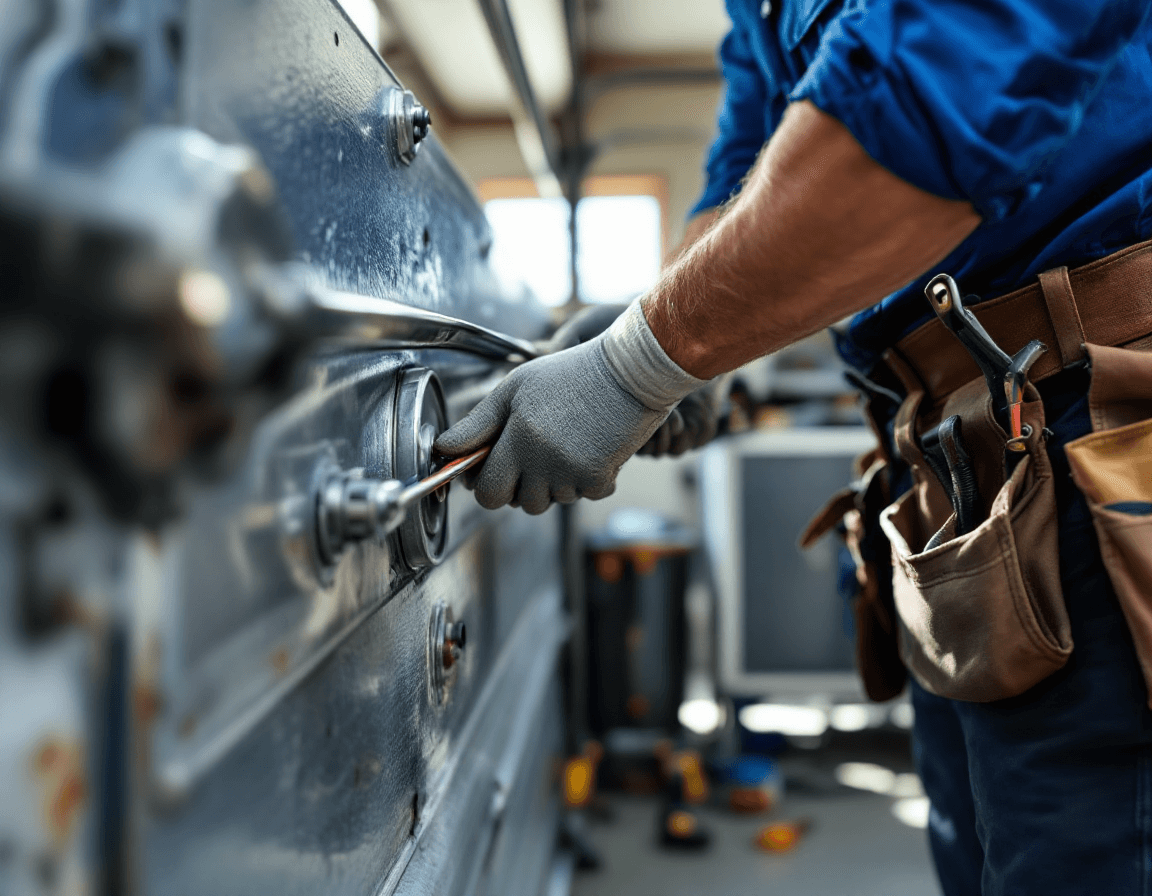
Garage door cable replacement in Mukilteo, WA is one of the most common repairs we see on residential doors, and it is also one of the most important to handle correctly. The lift cables are what carry the weight of a heavy door as it rises and falls, so when one snaps or slips off its drum, the door can drop unevenly, jam in its tracks, or become a real hazard to anyone standing underneath. Many homeowners first notice the problem when they hear a loud crack from the garage, or when they press the opener button and the door only lifts on one side.
Mukilteo sits on the shore of Possession Sound in Snohomish County, and that location shapes how garage doors age here. Homes near the Waterfront, the ferry terminal area, and the older blocks of Old Town deal with salt-laden air and persistent moisture, while homes up the hill in Harbour Pointe and other neighborhoods experience the same rain and cool temperatures with a bit more wind exposure. Whatever part of town you live in, the lift cables are a steel component that spends years under tension in a damp garage, and it will eventually fatigue. This page explains what cable failure looks like, why it happens so often in our area, what a typical repair involves, and when you should call a licensed technician rather than wait.
What a Snapped Lift Cable Sounds Like at 6 a.m.
Most homeowners remember the sound of a broken lift cable long after the repair is finished. It is usually a sharp crack or a loud bang, sometimes followed by a rattling noise as the loose end whips against the door panels or the tracks. In many Mukilteo households, this happens early in the morning when the door is opened for a commute, or in the evening when the family returns from work, and the door either refuses to move or rises only partway before stopping. The noise can be startling enough that people assume the opener has failed, when the real problem is a cable that has let go of its load.
After a cable breaks, the door is no longer balanced. The opposite cable may still be holding tension, which means the door will often tilt, hang at an angle, or sit lopsided in the opening. Some doors will slam down under their own weight if the spring system is still intact on the other side, which is one more reason to keep people and vehicles clear of the path. If you hear a snap and the door looks wrong, stop using the opener and keep the area clear until someone can look at it. Pressing the button again repeatedly can strain the opener motor and the remaining hardware.
It is also worth knowing that a cable does not always break completely on the first day. Sometimes a strand fails, the cable frays for a few weeks, and then it finally parts. If you notice small wire ends sticking out, a faint scraping sound, or a door that seems to catch briefly on one side, treat that as an early warning. Catching a worn cable before it fails usually means a shorter, less expensive visit and fewer surprises.
Why Mukilteo's Salt Air and Drizzle Wear Cables Down
Garage door cables are typically made of galvanized or coated steel, and the coating is designed to resist moisture for a long time. In a coastal town like Mukilteo, though, that protection can wear thin. Salt carried by Puget Sound breezes settles on surfaces, and the damp, cool days that define a typical Western Washington year give corrosion plenty of time to start. Rust does not need to be visible for it to matter; it can form inside the strands where you cannot see it, weakening the cable from within.
The Pacific Northwest climate adds another layer of stress. Long stretches of gray, wet weather keep garages humid, and many homes in the area have garages that are not fully heated or insulated. Temperature swings between cold winter mornings and mild afternoons cause metal to expand and contract, which gradually works the cable and its fittings. Over many seasons, this combination can turn a sound cable into one that frays at the points where it bends around the drum or passes through the pulleys.
Homes near the waterfront and in the older parts of Old Town are often more exposed to this kind of corrosion simply because of proximity to the water and the wind patterns that come off it. That said, cable wear is not limited to the coast. Garages in Harbour Pointe and inland areas of Snohomish County see the same rain and humidity, and they can accumulate dust, grit, and tracked-in road salt from winter driving. A practical habit is to keep the garage reasonably ventilated, avoid storing damp items against the door's hardware, and wipe down the tracks and cables during seasonal checkups.
Reading the Warning Signs Before the Door Drops
Waiting for a cable to snap is the most common mistake we see. Several symptoms usually appear first, and they are easy to overlook if you are not looking for them. A door that closes unevenly, binds on one side, or pulls to one direction is often showing you that the cables are no longer sharing the load equally. Visible fraying, rust-colored spots, or kinks in the cable are clear signals that the cable is near the end of its useful life.
Here are the warning signs that most often lead homeowners to call for service:
- A door that hangs crooked or sits lower on one side than the other
- Visible fraying, broken wire strands, or rust along the length of a cable
- A cable that appears to have jumped off the drum or is wrapped unevenly
- A door that binds, catches, or stops partway on either side
- A sudden loud snap during operation, especially followed by a door that will not move
If you see any of these, avoid trying to force the door open or closed. Continued operation can damage the drum, the track, the spring assembly, and the opener. It is also worth photographing the cable and drum before anyone touches them, because that record helps a technician diagnose the cause and quote the job accurately.
The Anatomy of a Lift Cable and Its Drum
To understand what a repair involves, it helps to know how the parts relate to each other. A typical residential garage door has a pair of lift cables, one on each side, that run from the bottom bracket of the door up over a pulley and wrap around a cable drum on the torsion or extension spring shaft. As the spring unwinds or winds, the drum rotates and the cable lifts or lowers the door in a controlled way. Because the cables and drums are linked to the spring system, they are one of the most tightly integrated parts of the door.
The drum is grooved so that the cable wraps neatly in one layer. Over time, cable strands can fray, the cable can stretch slightly, and the drum can develop worn spots or damaged grooves. When a cable comes off the drum, it often means the cable has slipped out of its groove, which is sometimes caused by uneven tension, a worn drum, or a loose cable end fitting. A cable that is tangled around the drum usually points to a cable that was allowed to slack or unwind while the door was open or partially open.
Cable drum service is often part of a cable replacement because the drum and cable are designed to work together. A new cable on a damaged drum may slip again within weeks. A competent technician inspects the drum, the cable end fittings, the pulleys, and the bottom bracket before finishing the job, because a problem in any one of those parts can undo the repair. This is one reason why the right fix is rarely just swapping a single piece of wire.
Crooked Doors and What They Usually Point To
A door that hangs crooked is one of the most visible signs of cable trouble, but the cause is not always the cable itself. A cable that has stretched, frayed, or slipped on one side will change how the door loads and lifts, which can make one side sit lower than the other. The same appearance can also come from a worn spring, a bent track, a loose roller, or a damaged bottom bracket. That is why a visual check alone is not always enough to decide what needs replacing.
In practice, a technician will usually check whether the door lifts evenly, whether the cables are seated on both drums, and whether the spring system is balanced. They will also look at the track alignment, since a track that is out of plumb can make a properly working door look crooked. For homes with older doors, especially those that have been in place for many years, the hardware may have worn in ways that call for several small repairs at the same time. A thorough inspection protects you from paying for a cable replacement that does not fix the real issue.
If one side of your door is noticeably lower, do not attempt to adjust the cable tension yourself. Cable and spring work is high-tension work, and the wrong adjustment can cause sudden movement. A licensed technician can measure the door, identify the source of imbalance, and correct it safely. Many homeowners find that once the cable and drum are properly restored, the door begins to lift smoothly and close without binding.
A Realistic Look at Costs Around Mukilteo
Homeowners often ask what a cable replacement will cost, and the honest answer depends on the door, the parts involved, and what the inspection reveals. For most lift cable replacements, pricing falls in the range of $110 to $300. Factors that move a quote within that range include the number of cables being replaced, the size and weight of the door, the condition of the drum, and whether the job also requires drum service or related hardware. A single cable on a standard door typically sits near the lower end, while a door with multiple damaged components or a heavier build may land higher.
It is reasonable to ask a technician to explain the quote line by line before work begins. A clear estimate should indicate whether the price covers the cable, the drum service, the labor, and any follow-up adjustments. You should also ask whether the technician recommends checking the springs or the bottom bracket at the same visit, since those parts often show wear around the same time. Being informed helps you decide whether to fix the immediate problem only or to address related wear while the door is already apart.
Keep in mind that a cheap quote is not a bargain if the repair fails within a few weeks. Replacing a cable without inspecting the drum, pulleys, and tension can lead to a second visit and additional cost. Our goal is to give you a repair that holds up through the damp months and the seasonal temperature swings that characterize the Mukilteo area. Ask questions, compare the scope of work, and make sure the plan covers the root cause rather than just the visible symptom.
How a Technician Approaches a Cable Job Step by Step
A professional cable replacement follows a sequence designed to keep the door controlled from start to finish. The first step is securing the door so it cannot move unexpectedly, which usually involves clamps and bracing at the track. The technician then relieves tension from the spring system using proper tools and methods, a step that is not safe to attempt without training. Only after the door is stabilized do they remove the damaged cable, inspect the drum and pulleys, and install the new cable with the correct end fittings.
Once the new cable is in place, the technician rewinds the tension in a controlled manner, checks that the cable seats in the drum grooves on both sides, and tests the door through several full cycles. They will look for even lift, smooth travel in the tracks, and proper closure without binding. Adjustments may be made to the cable tension or the bottom bracket to bring the door into balance. The door is then tested with the opener and, where appropriate, with the manual release to confirm that the system behaves correctly in both modes.
Homeowners often find the process more involved than expected, which is part of why this work should be left to professionals. A good technician will explain what they found, what they replaced, and what they recommend monitoring in the coming months. They should also tell you how to operate the door safely in the meantime. If anything looks worn beyond the cable, such as frayed pulleys or a weak spring, that information should be shared before the job is closed out.
Why Spring Tension Is Not a DIY Project
Lift cables do not work alone. They are connected to the spring system, and the spring holds a large amount of stored energy. When a spring or cable fails, that energy can release quickly, which is why spring and cable work carries real risk of injury. Even a relatively small garage door can weigh well over one hundred pounds, and the forces involved during a cable failure can cause serious harm to hands, arms, or the face if someone is working too close to the mechanism. For this reason, we strongly recommend that homeowners in Mukilteo and across the region never attempt to disconnect springs, relieve tension, or wrap cables on their own.
Many online guides show steps for replacing a cable with basic tools, but those instructions often omit the tension procedures and safety precautions that a licensed technician uses every day. Mistakes such as releasing winding bars too quickly, loosening the wrong set screws, or working without proper clamps can turn a simple repair into an emergency. Licensed and insured professionals carry the training and equipment needed to handle this work in a controlled way, and they are accountable for the quality of the repair. If you are unsure whether a task is within your comfort zone, the safe answer is to call a technician.
Even if you are confident in your mechanical skills, consider what happens if a repair goes wrong in a garage that also houses vehicles, bicycles, or children's play areas. A door that is only partly secured can move unexpectedly, and a cable under tension can whip with force. Professional help costs less than a hospital visit and far less than a damaged vehicle. The most responsible approach is to keep the area clear, avoid operating the door, and schedule a qualified visit.
Keeping Cables Healthy Through Seattle-Area Winters
Preventive care can extend the life of your lift cables and reduce the chance of an unexpected failure. In the Pacific Northwest, the most useful habits are the ones that address moisture, grit, and corrosion. A seasonal inspection each spring and fall gives you a chance to look at the cables, drums, and tracks while the weather is moderate. Look for rust, fraying, stretched sections, or any cable that is no longer sitting neatly in the drum grooves. Make a note of anything unusual and share it with your technician during the next service call.
Cleaning and lubrication also matter, though the approach needs care. Use a lubricant recommended for garage door hardware on the rollers, hinges, and track, and avoid spraying the cables themselves with products that could attract dirt or trap moisture. Wipe away salt residue or road grime if the garage door is exposed to sea air or winter road spray. Keeping the garage door closed when not in use helps limit the amount of moisture that reaches the hardware, and running a dehumidifier in very damp garages can make a meaningful difference over time.
Finally, pay attention to how the door behaves in cold weather. Metal parts become stiffer in low temperatures, and a door that moved smoothly in August may feel sluggish in January. If the door begins to bind, stall, or sound different during cold snaps, schedule an inspection rather than forcing it. Early attention often prevents a cable from failing at the worst possible moment, such as a dark December morning when you need to leave for work.
Choosing a Local Crew for Your Mukilteo Home
Selecting the right company for a cable replacement is about more than price. Look for a team that is licensed, bonded, and insured, and that can explain the work in plain language before anything begins. A reputable technician should be willing to inspect the entire door system, identify the root cause of the failure, and present options that match your budget and the condition of your hardware. They should also be clear about warranties on parts and labor, and they should be comfortable answering follow-up questions after the job is complete.
Local experience matters because Mukilteo's conditions are specific. A technician who regularly works in the area will understand how coastal moisture, seasonal rain, and the mix of older and newer homes affects garage door components. They will know which problems tend to show up near the waterfront and which ones are more common on hillside properties with different wind exposure. This familiarity supports better diagnosis and more durable repairs, particularly when a cable failure is tied to corrosion or long-term wear rather than a single event.
Before you book, ask a few simple questions: Will the technician inspect the drum, pulleys, and springs as part of the visit? Will they explain the scope of the quote before starting? Are they licensed and insured for spring and cable work? If the answers are clear and direct, you are likely working with a team that treats safety and quality seriously. We are happy to walk through these questions over the phone so you can make an informed decision.
Harbour Pointe, Old Town, and Waterfront Homes: Practical Notes
Mukilteo is a town of distinct neighborhoods, and each one brings its own practical considerations for garage door owners. Homes in Old Town often sit close to the water and the historic core, where the mix of older construction and coastal air can accelerate hardware wear. Many of these garages may have limited ventilation or shared access, so keeping the space dry and checking the cables regularly is especially helpful. If your door has been in place for a long time, it may be worth having the springs, drums, and bottom brackets inspected alongside the cables.
Properties in Harbour Pointe and other planned areas may have newer doors, but newer does not mean immune to moisture or wear. Garages in these neighborhoods often experience the same drizzle and seasonal humidity as the rest of the town, and they may also see more frequent door cycles from busy households. Homeowners in these areas sometimes notice that a door begins to sound different or feels heavier after a few years of daily use, which can be an early sign that cables or drums are wearing. Catching these changes early keeps repairs simpler and reduces the chance of a sudden failure.
Near the Waterfront and the ferry terminal, the combination of wind, salt, and traffic can leave a fine film of grit on garage hardware. This is a good reason to rinse and wipe the exterior components when the weather allows and to keep the tracks clear of debris. Whether your home is by the water, on the hill, or in between, the same principle applies: inspect the cables, respond to early warning signs, and bring in a licensed technician before a minor issue becomes a broken door. Our team is familiar with the full range of homes across Mukilteo and the surrounding Snohomish County communities, and we are ready to help you plan a repair that fits your property.
If your garage door is showing any of the signs described on this page, do not wait for the next snap or the next crooked close. Call Seattle Garage Door Fix at (888) 799-3819 to schedule a cable replacement in Mukilteo, WA. A licensed technician will inspect the cables, drums, and related hardware, explain the scope of the work, and provide a clear estimate so you can get your door safely back in balance.