
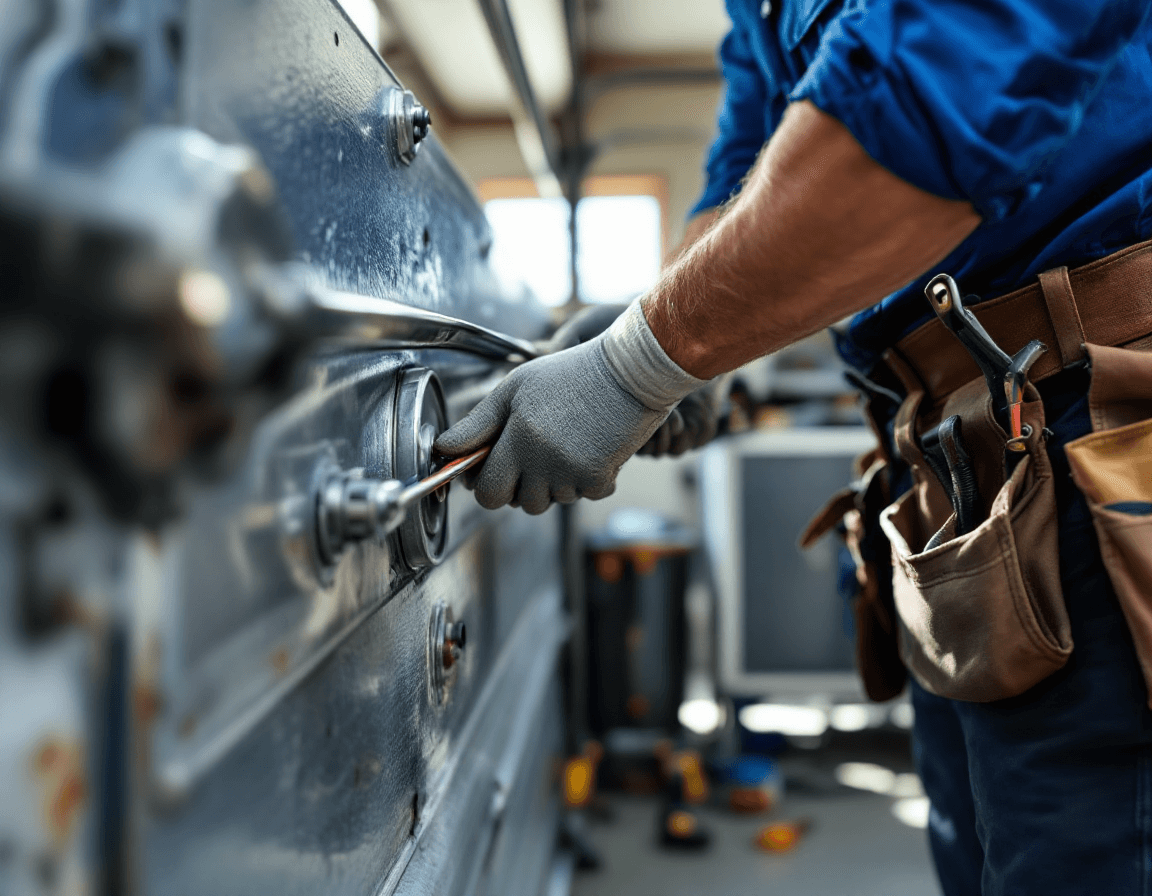
Garage door cable replacement in Black Diamond, WA is one of the most common repairs we handle, and it's also one of the most important to get right. A lift cable carries the full weight of a heavy door, and when it snaps or jumps off its drum, the door can drop suddenly or sit crooked in its track. Homeowners in 98010 often notice the problem after a loud bang in the garage, or when the door refuses to rise evenly one morning. Seattle Garage Door Fix provides licensed, bonded, and insured cable repair for homes across Black Diamond and the surrounding King County foothills, and this page explains what is happening inside your system and what to expect when you call us.
Black Diamond sits at the edge of the Cascade foothills, with wet winters, damp spring mornings, and the moisture that rolls off nearby waterways like Lake Sawyer. Those conditions matter more than most people realize. Steel cables, the springs that counterbalance the door, and the metal hardware around the tracks all respond to humidity and temperature swings over time. A door that worked smoothly through last summer can start to show stress by the time the first hard frost settles over the valley. Understanding how the system works will help you decide whether a simple cable swap is enough or whether the drum, the springs, or the track also need attention.
Whether you live near the Ten Trails community, along the quieter roads toward Lake Sawyer, or closer to the older blocks of town, the signs of a failing cable tend to follow a similar pattern. You may hear a snap, see a cable hanging loose, or notice the door lifting unevenly. This guide walks through those symptoms, explains what a licensed technician does during a cable replacement, outlines typical pricing, and offers practical steps for keeping your system safe. If anything in your garage looks tangled, frayed, or out of place, we recommend stopping and calling a professional before you attempt to move the door.
Why Black Diamond Garages Put Cables Under Pressure
Many homes in Black Diamond were built with two-car garages and heavier, insulated steel doors, which means the lift system works harder than a basic single-car door would. A double door can weigh well over a hundred pounds more than a lightweight panel, and that weight is balanced by springs that wind and unwind with every cycle. The lift cables transfer that force from the bottom bracket on the door up over the drum at the top of the track. When the cable is sized properly and in good condition, the load is shared evenly. When it is worn or mismatched, the strain concentrates in one place, and that is often where the failure begins.
Moisture is the next factor. Garages in the foothills often hold damp air, especially during long stretches of drizzle, and that moisture settles on steel cables and hardware that rarely see direct sun. Over several seasons, light surface rust can form inside the strands, making the cable stiffer and less flexible where it wraps around the drum. Once rust works its way between strands, the cable loses strength without showing much outside change. Technicians often find cables that look fine from a distance but have brittle, flaking sections where they meet the drum fittings.
Temperature changes add another layer of stress. Cold mornings can make metal contract and springs feel stiffer, while warmer afternoons may cause the door to move differently. This is why some homeowners notice a clunk or pop on certain days and assume the problem is random. In reality, a cable that already has minor wear will often reveal itself when conditions change. Keeping an eye on those small changes is the best way to avoid a sudden failure.
Recognizing the Warning Signs Before the Cable Gives Way
Most cable failures do not happen without warning, although the warnings are easy to miss if you only open the door once or twice a day. Paying attention to how the door behaves can reveal a problem weeks before it becomes urgent. The following symptoms are the ones we hear about most often from Black Diamond homeowners, and each one deserves a closer look from a licensed technician:
- The door rises at an angle, with one side noticeably higher than the other.
- A grinding, scraping, or popping sound occurs at the bottom or top of the track during opening.
- The door stops partway up or down and refuses to move until you give it a push.
- You notice slack or dangling cable near the drum or along the side of the track.
- The door closes unevenly, or one edge binds against the frame.
Any one of these signs can have more than one cause, which is why a proper inspection matters. A door that hangs crooked might have a cable that has stretched or started to slip on its drum, but it could also be a broken spring, a bent track, or a worn roller that is pulling one side down. A technician looks at all of those components together, rather than replacing one part and hoping the problem resolves. That approach saves money in the long run and keeps the door balanced.
Pay attention to the sound a door makes, too. A sharp snap from the top corners of the garage usually means a cable has parted or a fitting has let go, and the door may drop a few inches before stopping. If you hear that sound and the door is still stuck in place, leave it alone and keep people and vehicles clear of the opening. Those few seconds of caution prevent injuries that are far more costly than a service call.
What Happens Inside the Drum and Track
To understand a cable replacement, it helps to picture the parts working together. A typical residential lift system uses a cable on each side of the door, each one attached to the bottom bracket near the lowest panel. The cable runs up the track, wraps around a drum mounted on the end of the torsion shaft above the door, and returns to a fitting that holds it in place. As the springs turn the shaft, the drum rotates and winds the cable, lifting the door in a controlled, balanced motion. Both drums are meant to turn in sync, which is why a cable failure on one side can cause the whole door to tilt.
The drum itself is a grooved cone or cylinder, and the cable needs to seat correctly in those grooves each time the door moves. If a cable jumps out of its groove or wraps unevenly, it can pile up on itself, creating a tangle that binds the drum and stresses the cable further. Many technicians find that a frayed cable was actually damaged by a drum that had worn grooves or a cable that was never seated properly after a previous repair. That is why a complete cable service includes checking the drum surface, the fittings, and the alignment of the track.
Tracks are another part of the picture. A track that has been slightly bent, loosened, or knocked out of level will change how the cable runs under load. Even a small misalignment can cause the cable to rub against the track edge, wearing it down from the outside. A professional will check that the track is square, the brackets are tight, and the rollers move freely before returning the door to service. This full-system view protects your new cable and extends the life of the entire door.
Frayed, Rusted, or Snapped: Telling the Difference
Not every damaged cable looks the same, and it helps to know what to watch for before a technician arrives. A cable that has frayed will show individual strands breaking or fluffing out, usually near the drum or at the bottom bracket where bending is greatest. Rust tends to appear as orange or brown spotting, often on the lower sections or in the grooves of the drum. A cable that has snapped will have a clean break or a jagged end, and it may be lying loose in the track or hanging from the drum. Each of these conditions calls for replacement, because a partially damaged cable cannot be trusted to carry the load.
Here are some quick checks that help homeowners describe the problem accurately when they call:
- Note which side of the door is affected, whether left, right, or both.
- Describe whether the cable is visibly frayed, rusted, slack, or completely separated.
- Mention whether the door fell suddenly, moved unevenly, or simply stopped.
- Share whether the door has been opened manually or has been stuck since the incident.
- Tell the technician if the opener motor has been running during the problem, since that can affect the diagnosis.
Please do not attempt to inspect the cable by putting your hands near the springs or drum. Even a cable that looks loose can still hold significant tension, and spring components can release stored energy when disturbed. Simply describing what you see from a safe distance gives the technician valuable information before the visit.
How a Technician Approaches a Cable Swap in a Foothill Garage
When a Seattle Garage Door Fix technician arrives in Black Diamond, the first step is a safety assessment. We confirm the door is not moving, secure the opener, and examine the springs, drums, and cable routing from a safe position. Because lift systems store significant energy, the work requires proper tools, training, and a clear process for releasing tension. Our licensed team follows that process every time, which is one reason we recommend professional service for any cable or spring work rather than a do-it-yourself attempt.
Once the system is secured, the technician removes the damaged cable, inspects the drum grooves, and checks the fittings and bottom bracket. The replacement cable is sized to match the door's weight and the existing hardware, then routed through the track and seated correctly on the drum. The door is brought back into balance, and the technician tests it through several full cycles to confirm it lifts and lowers evenly. If the track, rollers, or hinges show wear that could affect the new cable, we will explain what we found and what it would take to address it.
The final step is a walk-through with the homeowner. We explain what failed, what was replaced, and what to watch for in the coming weeks. Clear communication matters because a homeowner who understands the system can spot early warning signs and call sooner. That partnership is part of how we keep Black Diamond doors running safely through every season.
Why Cable Drum Service Often Belongs in the Same Visit
Replacing a cable without looking at the drum is like changing a tire without checking the wheel bearing. A worn or grooved drum can wear down a new cable within months, and it can also cause the cable to jump off during operation. When we arrive for a cable call, we inspect the drum surface for smooth spots, cracks, or grooves that no longer hold the cable correctly. If the drum needs cleaning, lubrication, or replacement, we discuss the options before doing any work.
Drum service also covers the set screws and fittings that hold the cable in place. Over time these fasteners can loosen from vibration, especially on heavier doors that cycle frequently. A loose fitting can allow the cable to slip, which may cause one side of the door to lag behind the other. Tightening or replacing those fittings during the same visit prevents a repeat problem and keeps the door level.
Cable drum service can also reveal problems with the torsion shaft and bearings. If the shaft wobbles, the drum may not rotate smoothly, and the cable will wear unevenly as a result. Our technicians check for these conditions and recommend the appropriate repairs. Handling all of these components together saves you from paying for multiple trips and gives you a door that operates as a balanced system.
What a Typical Cable Repair Costs Around Black Diamond
For most residential cable replacements, pricing typically falls between $110 and $300. The final amount depends on factors such as the door size, the number of cables that need replacement, the condition of the drum, and whether additional hardware like fittings or brackets needs to be replaced. A single cable on a standard single-car door is usually at the lower end of that range, while a heavy double door with a damaged drum may land closer to the upper end. We provide an itemized explanation before any work begins so there are no surprises.
It is important to understand what a low estimate may not include. If the springs are also worn or broken, the repair scope changes, and the cost reflects the additional labor and parts. We will tell you if the springs look close to failure, because replacing a cable while the springs are near the end of their life can leave you with another call soon after. Our goal is to give you a clear picture of what the door needs now and what may be coming up in the next few years.
Because cable and spring work involves significant safety considerations, we do not recommend cutting corners on price. A lower-cost approach that skips proper tension release or uses the wrong cable size can create hazards that cost far more to fix. Our licensed and insured technicians treat every job with the same care, whether the door is in an older Black Diamond garage or a newer home near Ten Trails.
Keeping Cables Healthy Through Wet Winters Near Lake Sawyer
Routine care can extend the life of your cables and springs, especially in a climate that brings a lot of moisture. Start by keeping the garage as dry as practical. Good ventilation, a working door seal, and a dehumidifier in damp seasons can all reduce the moisture that drives rust. If your garage floor collects standing water or your door sits low enough to let in runoff, address those issues before they reach the hardware.
Lubrication matters, but it needs to be done carefully. Use a light lubricant recommended for garage door components on the rollers, hinges, and track, and avoid spraying oil directly onto the cables, since it can attract dirt. Wipe any visible moisture from exposed steel and check the cables periodically for spotting or fraying. A quick monthly visual check takes only a few minutes and can catch problems early.
- Look at the cables from a safe distance for rust, fraying, or slack.
- Check that the door moves smoothly and stays level throughout its travel.
- Confirm the bottom seal and weatherstripping are intact to limit moisture entry.
- Listen for new noises during opening and closing, especially on cold mornings.
- Schedule a professional inspection every year, particularly before the wet season begins.
These habits will not stop every failure, since springs and cables wear out over time regardless of care. They do, however, give you the chance to notice changes early, which can turn a potential emergency into a planned repair.
When a Snapped Cable Means Stop and Call a Professional
A snapped or disconnected cable is one of the few garage door situations where the safest action is to step back and make a phone call. The door may be unbalanced, the springs may still be under tension, and any attempt to force the door or reach into the mechanism can cause serious injury. Keep children and pets away from the garage, avoid standing under the door, and do not try to lift it by hand. If the opener is still connected, disconnect power to it only if you can do so safely from the outside, and then wait for a technician.
Lift systems also carry risks that are not visible at first glance. The spring may appear intact while still holding enough energy to cause harm if handled incorrectly. Drums can spin unexpectedly, and cables under tension can whip when released. These are the reasons we train our technicians to use specialized tools and follow strict procedures for every cable and spring task. Attempting the job without that training is simply not worth the risk to you or your family.
If you are unsure whether the situation is urgent, err on the side of caution. Call us at (888) 799-3819, describe what you see and hear, and we will advise you on the safest next step. A short conversation can help you avoid an expensive mistake or an injury.
Scheduling Cable Service Across Black Diamond and Nearby Areas
Seattle Garage Door Fix serves more than sixty cities across the greater Seattle and Western Washington region, including Black Diamond and the surrounding communities of southeast King County. We understand the local layout, from the residential streets near Ten Trails to the roads that wind toward Lake Sawyer and the older parts of town. That familiarity helps us plan efficient visits and arrive prepared with the cables, drum components, and hardware most often needed for local homes.
When you contact us, be ready to share your ZIP code, which for this area is 98010, along with the type of door, the number of garage bays, and a description of the symptoms. Photos sent ahead of time can help us plan the appropriate parts, though we will always verify the condition in person before starting any work. We also provide clear pricing guidance for common cable replacements, so you can make an informed decision before the technician arrives.
Whether you are dealing with a door that hangs crooked, a cable that has come off the drum, or a loud snap that left the door stuck, our licensed team is ready to help. A prompt, careful repair restores safe operation and gives you peace of mind during every commute and every damp Pacific Northwest morning. If your Black Diamond garage door is showing any of the signs described here, call Seattle Garage Door Fix today at (888) 799-3819 to schedule a licensed technician for your cable repair.