
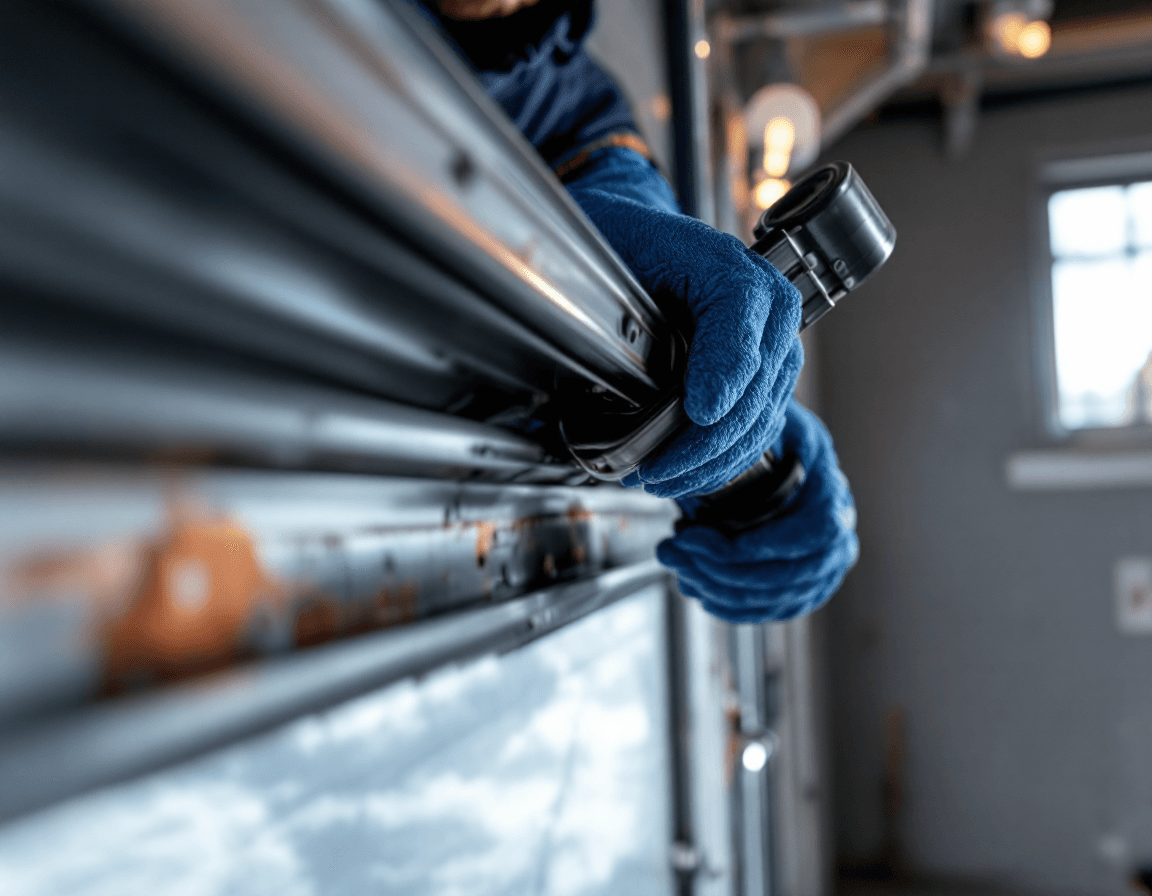
Garage door roller replacement in Bremerton, WA is one of the most common and affordable repairs a homeowner can have done, and it often makes the biggest difference in how a door sounds and feels day to day. The rollers are the small wheels that ride inside the vertical and horizontal tracks and carry the door's weight as it opens and closes. When they wear out, the door starts to grind, squeal, shake, or hang up at certain points along its travel. Our technicians serve homes across Kitsap County, from the older neighborhoods near downtown to the newer subdivisions on the hillsides above Sinclair Inlet, and roller problems show up in almost every one of them.
Most Bremerton homeowners first notice a roller problem as a sound rather than a failure. A door that once slid up quietly may begin to complain, and the noise often gets louder over a few weeks until it becomes impossible to ignore. Some owners assume the opener motor is failing, but in many cases the motor is working fine and simply struggling against rollers that no longer turn freely. Catching the problem early usually means a simpler, less expensive repair, and it reduces the strain on the opener, the tracks, and the door panels themselves. If you recognize the symptoms described below, a roller inspection is a sensible first step.
Our goal on this page is to explain what worn rollers look and sound like, how a replacement is typically handled, what pricing generally looks like, and where the safety boundaries lie. We also want you to understand why local conditions in Kitsap County matter when choosing the right roller material. Nothing here replaces a professional inspection, but a clear understanding of the process will help you ask better questions and make a confident decision. Call (888) 799-3819 whenever you want a technician to look at your door in person.
Reading the Sounds Your Door Is Making
Your garage door communicates its problems through noise long before it stops working, and learning to interpret those sounds can save you time and money. A steady, rhythmic squeak that follows the door up and down usually points to a roller whose bearing or stem has dried out or started to wear unevenly. A harsher grinding noise, especially one that seems to come from the sides of the door near the track, often means the roller's outer surface has flattened or the internal bearing has begun breaking down. Metal-on-metal scraping is more serious, because it suggests that a steel roller is rubbing directly against the track without any cushioning surface left.
Timing matters when you listen. If the noise is loudest at the very start of the opening cycle, the rollers near the bottom of the door may be the culprit, since the full weight of the door sits on them when it begins to lift. If the sound intensifies near the top of travel, the upper rollers or the horizontal track sections deserve a closer look. Many homeowners in Bremerton tell us the door is quieter in dry August weeks and louder during the damp months, which is a clue that moisture and temperature are affecting the rollers' surfaces.
It helps to write down what you hear before the technician arrives. Note whether the noise happens on the way up, the way down, or both, and whether it is constant or occasional. Mention any shaking or jerking you see along the track, because a door that lurches as it moves often has uneven rollers pulling it in different directions. Those details let our crew narrow down the cause quickly and avoid replacing parts you do not need.
Why Bremerton Garages Wear Rollers Faster
Kitsap County's climate is one of the main reasons roller wear arrives sooner than some homeowners expect. The Pacific Northwest brings long stretches of damp, cool weather, and garages often trap that moisture rather than letting it dry out. Moisture can cause the metal stems and bearings in older rollers to corrode, and it can soften or swell the surface of some plastic and nylon rollers over time. Grit that tracks in on shoes and tires gets carried into the track during wet months and acts like sandpaper against the roller surface.
Coastal and inlet air adds another layer of wear in parts of the city. Homes within sight of the water, including many properties that look out over the Port Washington Narrows, Sinclair Inlet, and the waterfront areas, may experience salt-laden air that accelerates corrosion on exposed metal hardware. Even inland homes can see the effects if a garage door faces a prevailing wind or sits beneath heavy tree cover that holds moisture after rain. Because these conditions are persistent rather than occasional, a roller that might last many years in a drier climate can show visible wear in a shorter span here.
Temperature swings also play a role. Garages in Bremerton often go from cold, damp nights to milder afternoons, and that cycle causes metal components to expand and contract slightly. Over hundreds of cycles per year, that movement can loosen mounting hardware and shift the alignment of the track, which then places uneven loads on the rollers. Understanding this local pattern helps explain why a technician in Kitsap County often recommends checking the track and hardware alongside the rollers rather than swapping the rollers alone.
Nylon Versus Steel: Choosing Quieter Rollers
The material of the roller has a major effect on how your door sounds and how long it lasts. Steel rollers are durable and handle heavy loads well, but they are noisy because metal rolling against metal creates a distinct rattle and ring as the door moves. Many standard steel rollers also have a bearing that can develop play, which adds to the racket. For older doors that were fitted with steel rollers decades ago, the noise often becomes the primary complaint long before the metal itself fails.
Nylon rollers, sometimes called quiet rollers, use a sealed or semi-sealed bearing wrapped in a tough nylon tire. The nylon absorbs vibration and cushions the contact with the track, which is why homeowners who upgrade often describe a dramatic drop in noise. Good nylon rollers resist moisture better than bare steel and generally hold up well in the damp climate found throughout Kitsap County. They also tend to run smoother, which reduces the shaking that comes from uneven contact.
There are trade-offs to consider. Nylon rollers are not ideal for every door, and the right choice depends on the weight of the door, the design of the track, and how often the door cycles each day. A technician should confirm the roller diameter, stem length, and bearing type before ordering parts. A mismatched roller can rub against the track or fail to seat properly, which defeats the purpose of the upgrade. When installed correctly, quality nylon rollers offer a meaningful improvement in comfort for homes where the garage sits close to bedrooms or living spaces.
Track Alignment Checks Before a New Roller Goes In
A new roller cannot fix a track that is out of alignment, and installing rollers without checking the track is one of the most common reasons repairs fail to solve the problem. The track should be straight, plumb where it runs vertically, and level where it runs horizontally, with consistent spacing from the door edges. Gaps, bends, or loose track brackets allow the rollers to wobble or ride at an angle, which produces the same grinding and binding symptoms that worn rollers cause. Before replacing anything, we inspect the track from top to bottom.
Look for signs of trouble on your own as well. Stand inside the garage with the door closed and check whether the gap between the track and the door panels is roughly even on both sides. Watch the door slowly open and close, and note whether one side seems to lag, lift faster, or hesitate. Check for bent sections where the track meets the ceiling, and look for loose bolts or missing screws in the brackets. Small misalignments are common in Bremerton homes built on sloped or settling lots, and they often go unnoticed until the rollers begin to suffer.
Adjusting track alignment is a task that calls for care and the right tools. Over-tightening brackets can distort the track, while loosening the wrong fastener can let the door drop unexpectedly. When we find alignment issues, we correct them as part of the roller job, so the new rollers sit in a track that lets them turn freely. This step adds only a small amount of time to the visit, and it protects the investment you are making in the replacement parts.
What a Typical Roller Swap Involves in Kitsap Homes
A standard roller replacement follows a predictable sequence, although every door has its own quirks. The technician first secures the door so it cannot move during the work, then relieves tension from the components that could create danger if mishandled. The old rollers are removed from the door's hinge brackets or from the track, depending on the design, and the condition of each one is recorded. Hinges, brackets, and fasteners are checked at the same time, because a worn roller often means nearby hardware has been under strain.
Installing the new rollers requires matching the stem type, roller diameter, and bearing style to the existing setup. Each roller is seated carefully so it rides centered in the track without binding, and the fasteners are tightened to specification. The door is then cycled slowly several times to check smoothness, listen for any remaining noise, and watch for uneven movement. Final adjustments are made as needed, and the technician confirms that the door reverses properly when it meets resistance, which is an important safety feature.
For most single-door residential jobs in Bremerton, this process is completed in a single visit. The time required depends on how many rollers need replacement, whether the track needs straightening, and whether any hinges or brackets must be replaced at the same time. Customers often appreciate hearing the door run quietly before the technician leaves, since that immediate result confirms the work was done properly. If other components show signs of wear, we explain what we found and what it may mean for the door's future, without pressuring you into decisions you do not need to make today.
Pricing a Full Set of Rollers Without Surprises
Homeowners reasonably want to know what a roller job will cost before the technician arrives. For a full set of rollers, our typical range is $120 to $250, depending on the number of rollers, the type you select, and the complexity of the installation. Standard steel rollers generally fall toward the lower end of that range, while quieter nylon rollers or specialty configurations may land higher. Your final price depends on what the inspection reveals, so the number on your estimate should reflect the actual work your door requires.
Several factors can shift the cost. A door with a higher number of rollers, such as a double door or a taller custom door, requires more parts and more labor. Track repairs or bracket replacements add to the bill, though they often prevent larger problems from developing later. If you choose a premium nylon roller for a particularly quiet result, that selection will be reflected in the parts price. We think it is better to discuss these options clearly before work begins than to surprise you with unexpected line items afterward.
When comparing estimates, look for transparency rather than just the lowest number. Ask whether the price includes inspection of the track, hinges, and cables, and whether the technician will test the door's safety reversal before leaving. Confirm that the work will be performed by licensed, bonded, and insured professionals. A fair estimate should explain what is included and why each part is being replaced, so you can make a well-informed decision about your home.
Sticking Points: When the Door Binds Mid-Travel
A door that binds or sticks at a specific point in its travel usually has a localized problem, and identifying that point helps pinpoint the cause. If the door hangs when it reaches a certain height, the roller nearest that spot may have seized, or the track may have a dent or kink right there. Seized rollers often feel like the door is pushing through something thick, and they can cause the opener to strain loudly as it tries to overcome the resistance. Continued strain can damage the opener's gears and the door's panels, so a binding door should not be ignored.
Cracked or flattened rollers can also cause sticking. A roller that has developed a flat spot will thump or hesitate each time it passes that section of the track, creating a rhythmic jolt. Cracks in the nylon tire can catch on track seams and create a snagging feeling that makes the door stop briefly before continuing. In both cases, replacing the affected roller usually resolves the problem, but the technician should still check the remaining rollers to make sure they are not wearing at a similar pace.
Some binding has nothing to do with rollers at all. Debris lodged in the track, dried lubricant, or a hinge that has shifted can mimic roller trouble. We clean the track and check the hinges during every roller visit so that we are not blaming the rollers for a problem they did not cause. If the door still binds after new rollers are installed, the technician will continue the inspection rather than simply stopping at the first explanation.
Homes Near Kitsap Lake and Manette: Older Doors, Tight Garages
Many homes around Kitsap Lake and in the Manette area were built in earlier decades, and their garages often feature older door systems that have been serviced many times. Older tracks may show uneven wear, and older hardware may not match modern roller specifications, which requires careful measurement before ordering parts. Some garages in these neighborhoods are also tight, with limited headroom or side clearance, and that constraint affects how the door and tracks can be adjusted. A technician who understands these conditions can plan the job so the repair fits the space without compromising safety.
East Bremerton and the surrounding residential streets present their own variations. Homes on sloped lots may have garage floors that are not perfectly level, and that slope can subtly change how the door travels. Driveways that drain toward the garage can carry water and grit inward, accelerating roller wear near the bottom of the door. Recognizing these site-specific factors lets our technicians set realistic expectations and recommend maintenance steps tailored to the property rather than offering generic advice.
If your home is older or sits on a challenging lot, it is worth asking the technician to note any structural or alignment concerns during the visit. Small adjustments can make a large difference in how smoothly the door operates, and they can extend the life of new rollers considerably. We encourage homeowners in these neighborhoods to keep a simple record of when the rollers were last replaced, since that history helps guide future maintenance decisions.
Safety Lines Every Homeowner Should Respect
Roller replacement is generally a manageable task for a trained technician, but it sits close to components that can cause serious injury if handled improperly. Garage door springs store a large amount of energy, and cables carry significant tension. Working on torsion springs, extension springs, or cables without proper training and equipment can result in severe harm. For that reason, any work involving springs or cables should be performed only by a licensed professional, and homeowners should never attempt those repairs themselves.
Certain warning signs indicate that the problem has moved beyond rollers and into territory that requires immediate professional attention. If you see a broken spring, a frayed or slack cable, a door that falls quickly or will not stay open, or a door that has come partly off its track, stop using the door and keep people and pets clear of the area. Do not try to force the door open or closed by hand when it is damaged. Call a licensed technician promptly and let them secure the door before any further work begins.
Even during a roller job, we follow strict safety practices. The door is secured before work starts, the opener is disconnected when appropriate, and the auto-reverse feature is tested before the visit ends. Homeowners should keep hands and fingers clear of the track and the door's moving sections during testing. Our licensed, bonded, and insured team treats these steps as non-negotiable, because a roller repair should leave your home safer than it was before the technician arrived.
Keeping Rollers Quiet Through Wet Winters
Good maintenance can extend the life of new rollers and keep the door running quietly through the long wet season in Kitsap County. Start by wiping the track clean with a dry cloth once or twice a year to remove grit and debris that can scratch roller surfaces. Use a lubricant recommended for garage door components, applied sparingly to the roller stems and hinge pivot points rather than sprayed directly onto the track, since excess lubricant can attract dirt. Avoid heavy oils that collect dust, and wipe away any drips that run onto the floor.
Keep the garage as dry as practical during the rainy months. Check weatherstripping along the bottom of the door, since gaps let in rain, leaves, and moisture that accelerate wear. Make sure gutters and downspouts direct water away from the garage foundation, and watch for puddles that form near the door threshold. Good ventilation in the garage also helps reduce condensation, which can contribute to corrosion on metal hardware over time.
Schedule a simple inspection at least once a year, ideally before the wettest months arrive. A technician can check roller condition, track alignment, and hardware tightness in a short visit, and catching small problems early keeps repairs affordable. If you notice any of the symptoms discussed on this page, do not wait for the noise to become severe. Our team is ready to help you restore smooth, quiet operation for your Bremerton home.
Garage door rollers may be small, but they make a big difference in how your door sounds, feels, and performs every day. If your door is grinding, squeaking, shaking, or sticking, a roller inspection can usually find the cause and restore smooth operation at a reasonable cost. Call Seattle Garage Door Fix at (888) 799-3819 to schedule a licensed technician for your Bremerton home, and let us help you enjoy a quieter, more reliable garage door.