
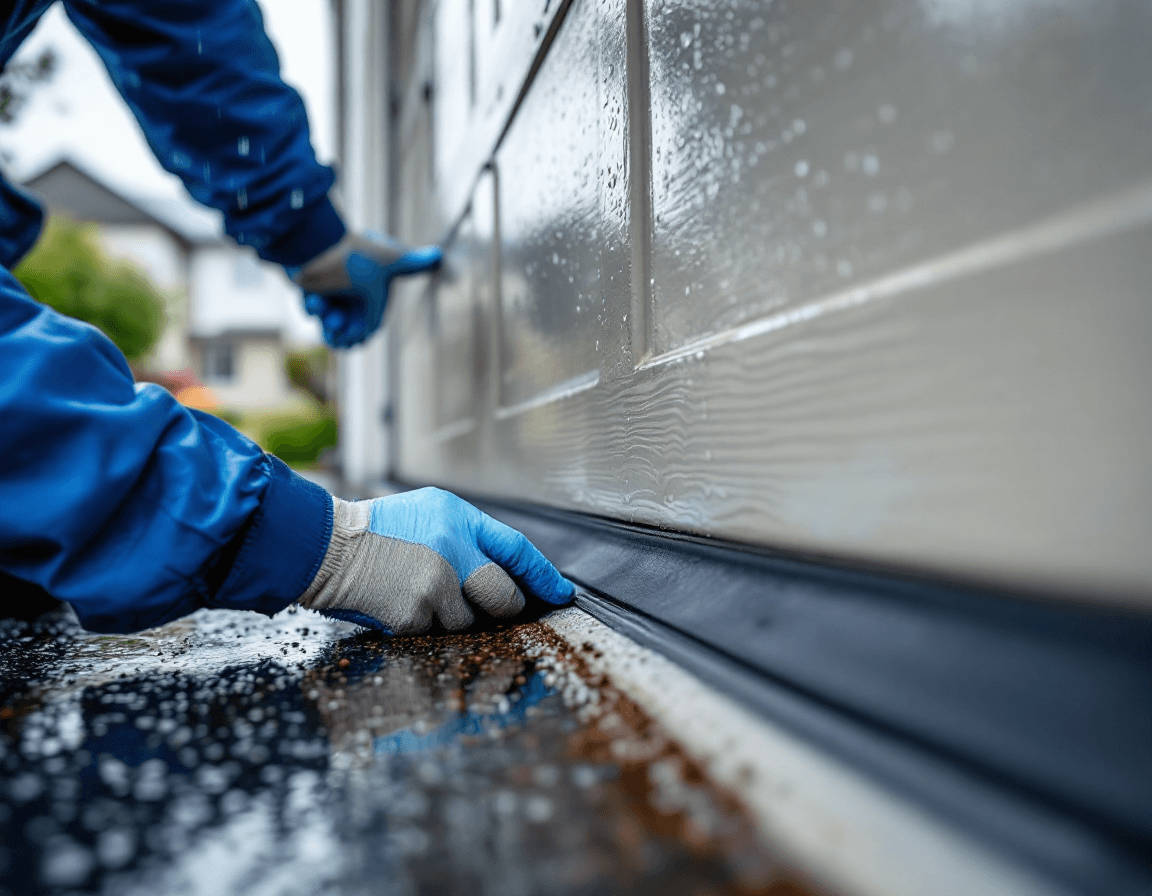
Garage door weather seal replacement in Auburn, WA is one of the most cost-effective repairs a homeowner can make, and it often gets postponed because the leak seems minor. Auburn sits in the Green River valley, where long stretches of gray, damp weather are the norm from October through April. A garage that seems dry in September can be taking on water, cold air, and pests by January. A worn bottom seal or a tired strip of perimeter weatherstripping lets all of that in.
This page explains what weather seals do, how to recognize when yours have failed, and what a replacement involves. We serve homes across Auburn, including the downtown core, the newer blocks of Lakeland Hills, and the hillside neighborhoods of Lea Hill, as well as the surrounding ZIP codes 98001, 98002, and 98092. Whether your door is a decade old or was installed during the last remodel, the same basic principles apply. Seals are inexpensive, so catching a problem early is almost always worth the small effort.
Why Auburn Garages Take On So Much Moisture
Western Washington's winters are wet rather than brutally cold, and that moisture behaves differently than snow or ice. Rain falls for days at a time, soaks the driveway, and pools against the threshold. Because many Auburn homes are built on slabs with gentle grades, water that runs toward the garage door has nowhere to go except under the door if the seal is compromised. Homes near the lower valley floor often see more standing moisture in the surrounding soil, which keeps the concrete damp longer after a storm.
Mildew and moss are the next visible sign. Dampness moving under a door leaves dark streaks on the interior slab, puts a musty smell in stored cardboard and boxes, and encourages rust on the bottom panel and the lower track brackets. Over time, that moisture can work into wooden shelving, stored tools, and even the bottom edge of the door itself. A seal that costs less than a dinner out can prevent all of it.
Auburn's mix of older homes and newer subdivisions also matters. Older garages were sometimes framed before modern weatherproofing became standard, so the gap between the door and the slab can be wider than the door manufacturer ever intended. Newer garages often have better slabs, but the seals still wear down with daily use and the constant cycle of opening and closing. Either way, the bottom seal and perimeter strips are the parts most exposed to the elements and most likely to need attention.
Reading the Gap: How to Tell a Bottom Seal Has Failed
The simplest test takes about two minutes. Close the door fully, turn off the lights inside the garage, and have someone stand outside with a flashlight pointed under the door. If you can see light along the bottom edge or at either corner, the seal has lost contact with the slab. A second check is to slide a sheet of paper under the closed door at several spots. If the paper slips out with no resistance in more than one location, the seal is no longer doing its job.
Physical signs are just as useful. Look for a bottom seal that is cracked, brittle, flattened, or missing entire sections. Vinyl and rubber that have spent years exposed to sun, heat, and cold lose their flexibility, and in Auburn's climate they often stiffen in winter and then tear as the door flexes. A seal that looks fine from a standing position may be split along the underside where it contacts the concrete, so crouch down and check it directly.
Watch for daylight behavior too. Light showing at the bottom of the door on a sunny afternoon is a clear indicator. So is a wet line or stain on the slab that appears after rain, or a dry patch that shows the water stopped at a specific point. Any of these signs suggests the seal has lost its profile, the retainer has pulled loose, or the door has shifted slightly on its rollers so the bottom no longer sits level against the floor.
Bottom Seal Materials and What Suits Your Door
Bottom seals come in several profiles, and the right choice depends on how your door is built and how much clearance is left. The most common is a vinyl or rubber seal that slides into a retainer channel fixed to the bottom panel of the door. Some doors use a flexible bulb profile with a rounded face that compresses against the concrete, while others use a T-shaped profile that fits into a groove. Each one works best when it matches the channel size on your specific door, which is why replacement is not simply a matter of buying the longest strip available.
Material affects longevity and performance. Vinyl is affordable and works well for most residential doors, though it can stiffen in extended cold snaps. EPDM rubber stays flexible across a wider temperature range and tends to hold up better against sun and ozone, making it a popular choice for doors that get full afternoon exposure. Some technicians also recommend a slightly thicker profile for garages where the slab has minor dips or cracks, since a thicker seal can bridge small irregularities more effectively.
A proper replacement also considers the retainer. If the metal channel is bent, rusted, or pulled away from the door, a new seal will not sit correctly no matter how good it is. We typically inspect the retainer while replacing the seal, straightening or reattaching it when needed, so the new profile seats evenly from one end of the door to the other. This prevents the early failure that happens when a seal is forced into a damaged channel.
Perimeter Weatherstripping Along the Jambs and Header
Bottom seals get most of the attention, but the perimeter weatherstripping along the vertical jambs and across the top of the door is equally important. These strips, often made of vinyl, foam tape, or a flexible rubber profile, block drafts and wind-driven rain from entering around the sides and top of the opening. When they wear out, you may notice a whistling sound during windy storms, a visible gap where daylight shows at the edge of the door, or a cold stream of air that can be felt on your hand when you stand near the frame.
Perimeter weatherstripping usually fails in predictable places. The lower few feet of the jamb get the most abuse from cars, bikes, and yard equipment brushing past. The corners where the vertical and horizontal strips meet tend to separate because they are cut and joined at angles that flex with every cycle of the door. Sun-exposed strips on the header can crack and peel, particularly on south- and west-facing garages that receive hard afternoon light.
Replacing these strips is a precise job. Old material needs to be removed completely, including any adhesive residue, and the mounting surface needs to be clean and dry before new strips are applied. Strips installed on a damp surface may release within weeks, especially in our humid winters. Overlapping ends and corners should be cut cleanly so they seal rather than gap. When done properly, perimeter weatherstripping quiets the door, keeps the cold out, and reduces the amount of dust that drifts in along the top.
Threshold Seals and the Concrete Edge
A threshold seal addresses the point where the garage floor meets the bottom of the door and, in some installations, the strip of concrete or metal that the door closes onto. On many Auburn garages the slab edge is slightly uneven, chipped, or sloped toward the driveway, which means a standard bottom seal alone cannot fully close the gap. In those cases a threshold seal or a small adjustment to the door's bottom-edge hardware makes a noticeable difference.
Concrete wear is a common factor. Years of tire traffic, salt-free but still gritty winter road debris, and occasional impacts from equipment can create a shallow lip or crack along the threshold. Water tends to collect in those spots and then find its way under the door. Patching the concrete edge is outside the scope of a weather seal job, but identifying a damaged threshold helps decide whether the seal alone will last or whether the floor needs attention too.
Some homeowners ask whether they can add a threshold strip themselves. Basic adhesive-backed strips are available at hardware stores, and they can help in a pinch, but they rarely match the profile of a commercial bottom seal and often peel within a season on a damp slab. A professionally fitted threshold seal is sized to the door's actual travel and mounted so the door still closes smoothly without binding on the rollers or the track.
Drafts, Heating Bills, and the Hidden Cost of a Leaky Door
Many people are surprised that a garage door gap affects the rest of the house. When the garage is open to the outdoors, cold air moves in and gets pulled through any shared wall or door into the living space, especially in homes where the garage is attached. The effect is most obvious in hallways and laundry rooms adjacent to the garage, where floors feel cold and thermostats seem to run longer than they should. Heated air from a furnace or heat pump that is placed or ducted near the garage can also be lost more quickly.
Energy use is hard to measure precisely for any single repair, because household habits and heating systems vary widely. What we can say with confidence is that closing an open gap reduces the amount of cold air your heating system must work against. Homeowners often notice the difference most in the coldest months, when a drafty garage makes the adjoining rooms feel unsettled despite a comfortable thermostat setting. A seal that stops the flow of air also reduces condensation along the garage floor and cabinets, which is another hidden cost.
Water and drafts often arrive together. A door that lets in cold air in January is usually the same door that lets in rain during a windy November storm. Sealing the bottom, sides, and top addresses both problems at once, which is why many Auburn homeowners treat weather sealing as a combined comfort and protection upgrade rather than a purely cosmetic repair.
Keeping Pests, Leaves, and Dust Out of the Bay
Small gaps are an open invitation to wildlife. Mice, shrews, and insects will squeeze through openings that look too narrow to matter, and garages with stored food, pet supplies, birdseed, or firewood are especially attractive. Auburn's surrounding greenspaces and wooded lots mean wildlife pressure can be significant in some neighborhoods, particularly around Lea Hill and the edges of newer developments where natural areas remain close to homes.
Leaves, needles, and blown debris also accumulate under a door that does not seal well. Fall is particularly messy in the Pacific Northwest, when maple and alder leaves drift against the garage and get pulled under the bottom edge by wind. Once inside, that debris traps moisture against the slab and makes the floor harder to keep clean. Dust follows the same route, settling on tools, vehicles, and stored items, and getting into the air you breathe whenever you open the door or move around in the space.
A good seal reduces all of these issues without requiring any special treatment. It works best when combined with routine cleaning along the threshold and a periodic check for entry points near utility penetrations, vents, and the bottom corners where the door meets the frame. If you notice droppings, chewed packaging, or nesting material in the garage, a seal alone may not be enough, and you should address the pest source directly before or alongside the repair.
What a Seal Replacement Visit Typically Covers
A typical visit begins with a full inspection of the door, not only the seal. A technician will close the door, check the bottom edge for level and contact, inspect the perimeter strips on both jambs and across the header, and look at the threshold and nearby concrete. The goal is to determine whether the seal is failing because of age, damage, a misaligned door, or a worn retainer. Skipping this step can result in new seals that fail quickly because the underlying cause was never addressed.
Once the assessment is complete, the work usually proceeds in a logical order. Old bottom seals are removed, the retainer is cleaned and repaired if needed, and the new profile is fitted and trimmed to the exact width of the door. Perimeter strips are replaced in sections, with corners cut and seated carefully. The door is then cycled several times to confirm that the new seals compress evenly without catching on the tracks, binding the rollers, or preventing the door from closing fully.
Final checks matter as much as the installation. We look for consistent contact along the full width of the bottom edge, confirm that no daylight appears at the sides or top, and verify that the door's balance and travel have not changed. If the door shows other problems, such as uneven closing, a sagging bottom panel, or worn rollers, those issues should be documented and discussed separately so you can decide how to proceed. A seal should make the door perform better, not hide a larger problem.
Pricing Between $95 and $250
Weather seal replacement typically falls between $95 and $250, depending on the type of seal being installed and the size of the door. A single-car door with a standard bottom seal and basic perimeter strips will generally fall at the lower end of that range, while a wide double-car door, a heavier-duty profile, or a combined job that includes bottom, perimeter, and threshold seals will move toward the upper end. Material quality, the condition of the existing retainer, and whether the work includes minor adjustments all influence the final figure.
Because every door is different, the exact price is best confirmed after an inspection. A visit where the technician identifies a worn retainer or a misaligned bottom panel may involve additional steps, and those will be explained before any extra work begins. Many homeowners find that the seal portion of the repair is modest in cost compared with the damage it prevents, including water staining, rust on tracks and hardware, and the ongoing energy loss from an open gap.
Replacing seals on a regular schedule is more affordable than waiting for water damage. A visual check twice a year, ideally in early fall before the rains set in and again in late winter, can catch brittle or torn seals before they cause problems. Acting early keeps the repair simple and avoids the larger expense of cleaning up after a flooded or damp garage.
Caring for New Seals Through Auburn's Seasons
New seals last longer when they are maintained, and Auburn's seasonal pattern gives homeowners a predictable schedule to follow. In fall, sweep leaves away from the threshold and wipe the bottom seal with a mild soap and water solution to remove grit that can abrade the material. Avoid harsh solvents, petroleum-based products, or abrasive pads, since these can degrade vinyl and rubber over time. Let the seal dry completely before the first heavy rains arrive.
Winter brings its own considerations. Cold can stiffen seals, so avoid forcing the door shut on frigid mornings, and check that snow melt or runoff is not pooling against the threshold. In summer, the opposite concern applies. Strong afternoon sun can cause rubber and vinyl to dry out and harden, so occasionally inspecting the exposed seals and cleaning them helps extend their life. Trimming vegetation near the door can also reduce the amount of debris that builds up against the bottom edge.
Keep an eye on the perimeter strips as well. Any strip that starts to lift, tear, or pull away from the jamb should be addressed quickly, because moisture can get behind it and make the loose area worse. Small repairs done early are far less disruptive than waiting until a full replacement is necessary.
When a Seal Is Not the Real Problem
Sometimes a gap under the door is a symptom of a larger issue. A bottom panel that has bent or cracked, a door that sits out of level, worn rollers that let the door sag, or track misalignment can all create gaps that no seal can fully close. If you replace the seal and still see daylight or water intrusion within a short time, the door's alignment or hardware may be the cause, and the repair should be re-evaluated.
Spring and cable systems deserve special mention. Torsion springs and lift cables store large amounts of tension, and they are dangerous to adjust or replace without proper training and equipment. If an inspection reveals a broken spring, frayed cable, or a door that is out of balance, that work must be handled by a licensed professional. Weather seals are a simple, low-risk improvement, but they should never lead a homeowner to attempt adjustments inside the spring system. Our technicians will tell you plainly when a problem falls outside the scope of a seal and needs specialized service.
Being honest about what a seal can and cannot fix is part of responsible repair. In many cases, a new bottom seal and fresh perimeter strips solve the problem completely. In others, they are a first step that reveals a deeper need. Either way, you should understand the reason for the gap before deciding how to proceed.
If your garage is letting in cold air, rain, or pests, a weather seal replacement is often the quickest and most affordable fix available. Call Seattle Garage Door Fix at (888) 799-3819 to schedule an inspection in Auburn or any of the surrounding communities we serve. Our licensed, bonded, and insured technicians will check the bottom seal, perimeter strips, and threshold, explain your options clearly, and give you a straightforward estimate before any work begins.