
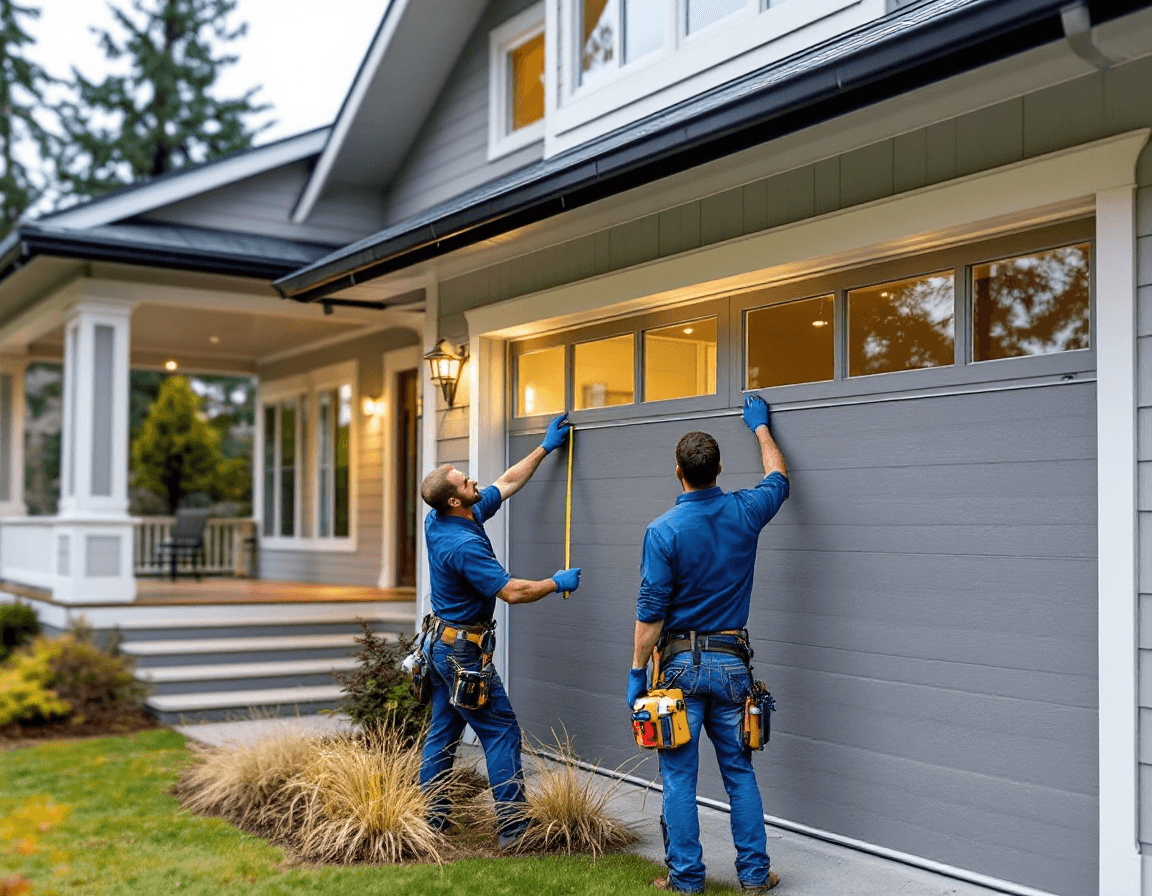
Garage door installation and replacement in Auburn, WA is one of the most practical upgrades a homeowner can make, and it's often more urgent than people expect. Auburn sits in the Green River valley at the south end of King County, where wet winters, humid spring months, and gusty storm fronts put steady pressure on every part of a garage door. When a door is damaged beyond repair, or when a decades-old unit keeps failing, replacing it is usually the smarter long-term choice. Our technicians at Seattle Garage Door Fix work with homeowners across Auburn's 98001, 98002, and 98092 ZIP codes, from the older blocks near Auburn Downtown to the newer streets in Lakeland Hills and the hillside properties on Lea Hill.
Replacement is a bigger decision than a spring swap or a sensor adjustment, so it helps to understand what you're buying. A new door involves choosing a style, a material, an insulation level, a wind-load rating, and a set of hardware that will work together for the next fifteen to thirty years. Installed pricing for a new single or double door generally runs from about $950 to $3,800 or more, and the spread depends on the door's construction, the materials, the size, and the complexity of the install. This page walks through the questions we hear most often from Auburn homeowners so you can make a clear, informed decision.
Whether you're chasing a warmer garage, a cleaner curb appeal, or simply a door that stops breaking down, the process starts with an honest look at what your current door is doing. We'll explain where a repair still makes sense, where it doesn't, and what a replacement would look like on your specific home. There's no obligation to upgrade more than you need, and we'd rather you leave with a plan that fits your house and your budget than a sales pitch.
Why Auburn Garages Often Reach the Replacement Point Sooner
Many homes across Auburn were built during decades when garage doors were lighter, thinner, and designed with far less attention to insulation and weather sealing. A door that has done its job for twenty years in a dry climate may struggle after two decades of Pacific Northwest rain, damp air off the Green River valley, and the freeze-thaw nights that come through in winter. Moisture gets into the bottom seal, the lower panels, and the hinges, and over time it works its way into wood sections and corrodes steel fasteners. What looks like a simple wear problem is often a slow chain reaction that accelerates once the first failure shows up.
Local weather also matters in a less obvious way. Auburn sees its share of winter windstorms, and a door that flexes under gusts can loosen tracks, stress the rollers, and bend the bottom brackets long before anyone notices. Homes on higher ground, including many on Lea Hill, may also catch more wind exposure than flatter lots, which makes the door's wind-load capacity a real consideration rather than a footnote. A door that was perfectly adequate in a sheltered yard may be the weak point on an exposed corner lot.
Finally, many Auburn homeowners are updating their homes overall. Garages that once served only as parking are increasingly used as workshops, gyms, storage spaces, or extra living areas, and the door is the first thing people see from the street. When a homeowner is repainting siding, replacing windows, or updating the entry, the garage door often becomes the next logical step. Replacing a tired door at the same time as other exterior work can make the whole house look coordinated and cared for.
Reading the Signs: When Repair Stops Making Sense
Not every noisy or sluggish door needs replacing, and a good technician should be able to tell you that honestly. Routine lubrication, a new sensor, or a replacement opener can extend the life of a door that is otherwise structurally sound. The question is whether the door itself, meaning its panels, hinges, tracks, and springs, is still worth investing in. When repairs start to add up and each fix reveals another problem, replacement usually becomes the better value.
Here are the warning signs we see most often in Auburn garages where a full replacement is the right call:
- Panels that are cracked, delaminated, or buckled, especially where the insulation layer has separated from the steel skin
- Visible rot along the bottom rail or at the base of wood sections, often caused by water pooling in the garage threshold
- Rust that has eaten through the steel panels or spread along the seams rather than sitting on the surface
- Repeated breakdowns within the same season, such as a door that needs new rollers, a new bottom bracket, and a track realignment all in one year
- A door that no longer closes square, leaves gaps around the perimeter, or lets light and drafts through the seal
- Hardware that is discontinued or no longer matches the door, making parts difficult or impossible to source
Damage from a storm, a fallen branch, or a vehicle impact deserves special attention. A dented panel may look like a cosmetic issue, but bent sections can misalign the entire door and compromise the wind rating. If the damage is spread across multiple panels or involves the frame and tracks, replacement is typically safer and more cost-effective than trying to piece the old door back together. We'll always explain exactly what we found and why.
Choosing Between Steel, Wood, Glass, and Aluminum
The material you choose shapes the door's appearance, its weight, its maintenance needs, and how well it handles the Auburn climate. Insulated steel is the most common choice for good reason. It's durable, relatively affordable, and available in a wide range of textures and finishes, including woodgrain patterns that mimic the look of real timber without the upkeep. A high-quality insulated steel door with a solid core resists dents and warping and tends to hold up well through damp winters when properly sealed and painted.
Wood doors, including carriage-style designs, bring a warmth that many Lakeland Hills and Downtown Auburn homeowners want, especially on traditional or craftsman-style houses. They do require more maintenance in our climate. Wood needs to be sealed or painted regularly, and it can swell, cup, or rot if moisture gets trapped behind the panels or along the bottom edge. Modern wood-look products that combine composite or engineered materials with a real wood appearance can offer a middle ground, but it's worth asking about their warranty and moisture performance before you commit.
Glass and aluminum doors each suit a different kind of home. Glass panels, often with frosted or tinted options, let in natural light and can make a garage feel more open, though they generally offer less insulation than solid insulated panels. Aluminum frames with glass infill are lightweight and resist rust, which makes them appealing for coastal-style modern homes, though they're less common on the traditional houses found in many older Auburn neighborhoods. We'll help you weigh appearance against insulation, maintenance, and budget so the door fits both the house and your daily routine.
Insulation and Energy Efficiency in a Wet, Mild Climate
Auburn's winters are rarely brutally cold, but they're persistently damp, and a poorly insulated garage door can make a real difference in how the space feels and how the adjacent rooms perform. Many homes have living space above or beside the garage, and an uninsulated door can allow cold air to radiate into a bonus room or laundry area. A well-insulated door also helps keep the garage more stable in temperature, which protects stored items, tools, and the garage door opener itself from constant swings.
Insulated steel doors typically use a foam core, often polyurethane, bonded between two steel skins. The insulation rating varies by manufacturer and model, and it's worth asking for the specific figures rather than relying on general descriptions. Beyond the panel itself, the seals matter just as much. Top, side, and bottom weatherstripping keep drafts and moisture out, and a worn bottom seal can undo much of the benefit of a good panel. Doors with thermally broken or well-designed section joints also reduce heat transfer along the edges where panels meet.
If your goal is energy efficiency, ask whether the door has a window or glass section, since glass generally insulates less well than solid panels. You can often keep a bright look with glass while still getting strong thermal performance by choosing high-quality insulated glazing and limiting the glass area. We'll walk through the tradeoffs with you so you know exactly what you're getting for the price.
Wind Ratings, Seals, and Weather Protection for Western Washington
Wind performance is a serious consideration for Auburn homeowners, especially during the storm seasons that roll through western Washington. Garage doors are rated for wind load, which describes how much pressure the door can resist before panels, tracks, or hardware fail. The right rating depends on your home's exposure, the size of the door, and local building conditions. Wider double doors, in particular, present more surface area to wind and deserve careful attention when selecting reinforcement and bracing.
Reinforcement options can include heavier-gauge steel, additional bracing, stronger track systems, and properly installed wind bars or struts on larger doors. A professional installation should account for the door's rating, the header and framing around the opening, and how the door will be anchored. A beautiful door installed with undersized hardware or weak mounting can fail precisely when you need it most, so we treat installation details as seriously as the door itself.
Weather protection extends beyond wind. The threshold, the weatherseal along the bottom, and the side and top seals all help keep rain out of the garage, which matters for stored items, electrical outlets, and the floor. If your current door lets water pool at the threshold or allows wind-driven rain to enter at the edges, a new door with a correctly fitted seal can solve a problem that has been slowly damaging the garage for years. Address drainage at the approach, too, since a driveway that slopes toward the door can send runoff straight into the opening.
Sizing, Openings, and Older Garages Near Auburn Downtown
Homes near Auburn Downtown and in the older established neighborhoods often have garages that don't match modern standard door sizes. Openings may be narrower, shorter, or set into framing that has shifted over the decades. Some older garages have low headroom that limits the type of track configuration that will fit, and others have been modified over time in ways that aren't obvious until someone measures carefully. Before ordering a new door, we verify the rough opening, the header height, the side room, and the clearance behind the door for the track and springs.
Sizing mistakes are expensive, and they're one of the reasons homeowners should be wary of quotes given without a site visit. A door that's even a fraction of an inch off can bind, leak, or fail to seal properly. In some cases, a small adjustment to the framing or a change in track layout solves the problem, while in others the most sensible route is a custom-sized door. Either way, the goal is a precise fit that operates smoothly and keeps the weather out.
Older garages also sometimes have framing that needs attention before a new door goes in. Soft or rotted header wood, a sagging lintel, or a damaged jamb should be addressed as part of the project, because a new door hung on compromised framing will not perform well. We'll let you know if any structural repair is needed and recommend the appropriate next steps, including whether a permit may be required for the scope of work. Requirements vary by project, so confirming with the City of Auburn's building division when needed is part of doing the job right.
Hillside Driveways and Slope Considerations on Lea Hill
Lea Hill and other sloped properties present their own installation challenges. A driveway that pitches upward or downward affects how the door sits in the opening, how the bottom seal meets the floor, and how water drains. On a slope, the garage floor may be level while the approach is not, which can allow runoff to pool against the threshold or flow under the door during heavy rain. These details shape not only how the door looks but how well it protects the space.
Track geometry and spring tension also need to be set with the home's grade in mind. Certain door styles and track configurations handle sloped conditions better than others, and the right choice depends on headroom, the garage's depth, and the location of the opener. A technician who has worked in hillside Auburn neighborhoods will check how the door will travel, where the opener will mount, and whether the existing slab has any settling or uneven spots that might affect the bottom seal over time.
Drainage solutions are often part of a successful installation on a slope. Regrading the approach, adding a trench drain, or installing a threshold seal designed for uneven conditions can make a big difference. These aren't always part of a door replacement, but we'll tell you when they're worth considering so that the new door isn't compromised by water that flows toward the opening.
Planned Communities, Design Guidelines, and Curb Appeal
Some Auburn neighborhoods, including parts of Lakeland Hills, have planned community standards that influence exterior changes. Depending on your development, there may be guidelines about color, style, materials, or visible hardware, and these can affect your choice of door before you've even looked at samples. Checking your community's requirements early helps avoid frustration later, especially if a door needs to be approved before installation.
Even when no formal guidelines apply, curb appeal is worth thinking through. The garage door often accounts for a large share of a home's street-facing surface, so its color, panel pattern, and trim have an outsized visual effect. A deep, neutral color can make a modest home look substantial, while a bright or heavily textured finish can give a tired facade new energy. Consider how the door will look alongside your siding, roof, and entry door rather than choosing it in isolation.
To help you prepare, here are a few things to check before choosing a new door:
- Review any HOA or planned community design guidelines for color, style, and approval steps
- Note the paint and trim colors on the house so you can compare door finishes in the actual light
- Check whether the garage has windows or glass sections that would change the look of the facade
- Decide whether you want a traditional, carriage-style, or contemporary panel pattern
- Confirm hardware finishes, such as handles and hinges, match other exterior fixtures
Remodels, Additions, and Adding a Second Door
Garage door projects often come up during a larger remodel or addition. A homeowner might be converting a single bay into a double, extending the garage for a workshop, or adding a new opening for a side entrance or a second vehicle. These projects shift the scope significantly, because the framing, header, electrical, and structural support all change along with the door itself. Coordinating the door with the remodel schedule prevents delays and avoids leaving an opening exposed to the weather.
Adding a second door or converting a single bay to a double brings additional considerations. Structural headers must be sized for the wider span, the wall must carry the load properly, and the new door's wind rating and bracing should match the increased exposure. Electrical work for a new opener or lighting may also be part of the plan, and it should be handled by a licensed electrician where required. We'll help you sequence the work so the door installation fits neatly into the larger project.
If your remodel changes how the garage is used, the door should reflect that. A workshop may benefit from better insulation and sound dampening, while a space that will be heated might warrant a thicker panel and improved seals. Think about how often you'll use the door, whether you'll want a pedestrian door built in, and whether you plan to add smart-opener features later. Planning these details early saves money and keeps the finished project consistent.
What Installation Day Looks Like and What Affects Pricing
Installed pricing for new garage doors in our service area typically ranges from about $950 to $3,800 or more. The main factors are the size and number of doors, the material and construction, the insulation level, the wind rating and reinforcement, the hardware and track system, and the complexity of the opening. Custom sizes, glass sections, carriage-style hardware, and structural framing repairs all move the number up, while a straightforward replacement of a standard-size door in a sound opening stays toward the lower end of the range.
On installation day, a technician should first remove the old door safely, which involves releasing the spring tension in a controlled way. That step is one of the most dangerous parts of the job and should only be performed by trained professionals with the right tools. Next, the opening is checked and prepared, the tracks and hardware are mounted, the new door is assembled and hung, and the springs are installed and balanced. The opener, if included, is connected, programmed, and tested along with the safety reversal system.
Before the crew leaves, the door should be checked for smooth operation, correct balance, proper seal contact, and safe reversing function. You should also receive a walkthrough of how the door works, how to use the manual release, and what routine maintenance keeps it performing well. A good installation is not just about the door looking right on delivery day. It's about the door running quietly, sealing well, and holding up through the seasons that Auburn is known for.
Safety, Licensing, and Why Spring and Cable Work Belongs to Professionals
Garage door springs and cables store enormous amounts of mechanical energy, and mishandling them can cause serious injury. Torsion springs under tension can release suddenly, and cables can snap under load. For this reason, spring replacement, cable work, and the removal of old doors should always be left to licensed and trained professionals. Even experienced DIYers can be caught off guard by the force involved, which is why we strongly advise against attempting these tasks yourself.
Seattle Garage Door Fix is licensed, bonded, and insured, and our technicians are trained to handle every stage of a replacement safely. That includes measuring the opening accurately, securing the work area, managing spring tension with proper equipment, and testing safety features before handing the door back to you. Working with a licensed professional also means you have clear accountability if something goes wrong, which is far more reassuring than trying to sort out a problem after an unsafe attempt at home.
If you're weighing whether to replace your Auburn garage door now or wait, we're happy to take a look and give you a straightforward assessment. We'll explain what's worth repairing, what's worth replacing, and what the options look like for your home's size, style, and exposure. To schedule a visit or ask questions about a new door, call Seattle Garage Door Fix at (888) 799-3819. Our team serves Auburn Downtown, Lakeland Hills, Lea Hill, and the surrounding neighborhoods, and we'll help you find a door that protects your home and looks right for years to come.