
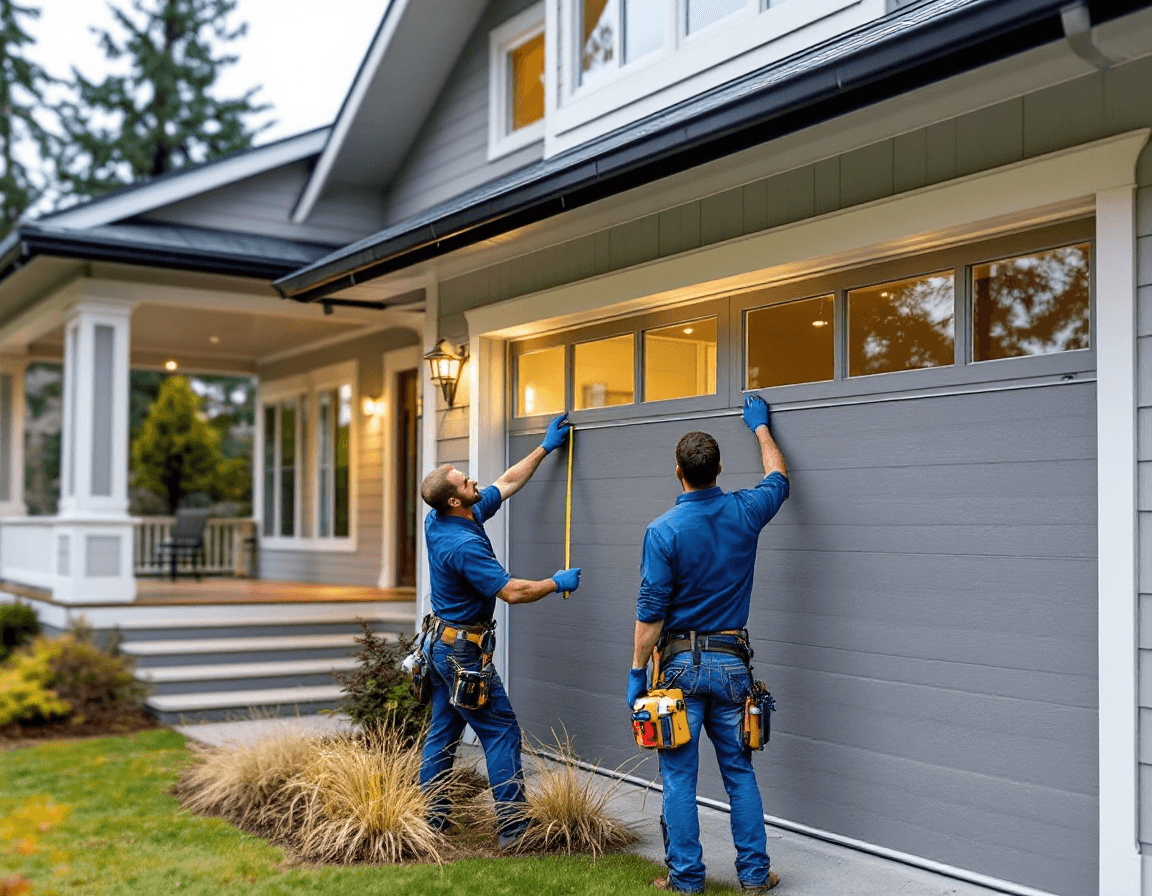
Garage Door Installation & Replacement in Pacific, WA is one of the most practical upgrades a homeowner can make, whether the old door has finally failed or it simply no longer suits the house. Pacific sits in the Green River valley corridor of King County, where wet winters, humid springs, and the occasional windstorm all put steady pressure on the large moving panel that guards your garage opening. Many homes here were built with garage doors that have seen decades of rain, road salt tracked in on vehicles, and temperature swings that move wood and metal in different ways. When one of those doors starts to bind, leak air, or sag, the cost of waiting usually grows.
Our team at Seattle Garage Door Fix installs and replaces single and double garage doors across Pacific and the surrounding communities in ZIP 98047. We work with insulated steel, carriage-style, wood, glass, and aluminum doors, and we help homeowners sort through the tradeoffs before anything is ordered. Installed pricing typically falls between $950 and $3,800 or more, depending on the door type, the size of the opening, the materials and hardware you choose, and what the existing opening needs before the new door can hang properly. This page walks through how we think about replacement decisions, what to look for in materials, and what a careful installation looks like from start to finish.
Whether you live near Pacific City Park, on a quieter street off the main roads, or in a home that has been added onto over the years, the principles are the same. A good door should move smoothly, seal well, hold up to the weather it faces, and suit the way you actually use your garage. The sections below are meant to help you decide whether replacement makes sense now, and if it does, how to approach the choice with confidence.
When a Repair Stops Making Sense on an Aging Door
Most garage door problems start small. A panel dents after a backing-out mishap, a roller starts to chirp, or the door takes a little longer to close than it used to. Repairs can keep a sound door running for years, and we are glad to recommend them when they are the right call. The question worth asking is whether the door as a whole still has good bones, or whether you are paying to keep alive a system that is slowly wearing out in several places at once.
A useful rule of thumb is to look at the frequency and cost of service calls. If you have needed the same type of repair two or three times in a short span, or if each visit uncovers a new worn component, the door may be telling you something. Sagging sections, gaps at the bottom seal that let in water, and panels that have warped away from the tracks are all signs that the structure is no longer keeping its shape. Once those conditions appear, adding parts can become a cycle of partial fixes that never quite restore the door's original performance.
Replacement also makes sense when the door no longer matches your expectations for security or comfort. An older door with thin, uninsulated panels can make an attached garage feel like an outdoor space in January, and a door that rattles or lifts unevenly invites wind and water into the gap at the header. Evaluating the door honestly, rather than only the latest breakdown, helps you decide whether to invest in repairs or step up to a new system that will serve you for the long term.
Reading the Warning Signs Your Current Door Has Reached Its Limit
Some indicators are easy to spot even without tools. Look at the panels from the outside in good light. Cracks, creases, or sections that bulge outward suggest the door has taken a hard impact or has been stressed by uneven lifting. Check for daylight around the edges when the door is closed, and feel along the bottom seal for drafts on a windy evening. If you can see light or feel air moving freely around the perimeter, the door is no longer sealing the opening, and that affects both energy use and how dry the garage stays.
Listen to how the door behaves. A grinding or popping sound, a door that stops partway and reverses, or a noticeably lopsided lift are all signs of mechanical stress. These problems can point to worn rollers, misaligned hinges, or tracks that have shifted, but on an older door they often appear together. If the door has been repaired several times and still performs unevenly, replacing the entire assembly may be more economical than continuing to chase individual symptoms.
Finally, pay attention to the surfaces that the Pacific Northwest weather tends to attack. Rot in the bottom rail of a wood door, rust bleeding from fasteners on a steel door, or chalky, failing finish on aluminum components all indicate that the protective layers have given out. Once moisture has penetrated the core of a wood panel or the seams of a steel section, sanding or painting rarely restores full strength, and a replacement door will usually be the more durable path.
Choosing Materials That Hold Up to Damp Pacific Winters
Western Washington winters bring long stretches of rain, cool humidity, and the kind of persistent dampness that finds every seam. Materials that handle a dry climate well may not age gracefully here, so it helps to think about moisture first when choosing a door. Steel, aluminum, fiberglass, and properly sealed wood can all work well in this region, but each requires attention to finish, sealing, and drainage at the base of the door.
In our experience, homeowners in Pacific often weigh the following factors when narrowing their choices:
- Insulated steel panels with a factory-applied, weather-resistant finish, which resist dents and do not rot
- Aluminum frames and panels, which stay light, resist corrosion, and suit modern and glass-inclined designs
- Wood doors, which offer warmth and character but need regular sealing and a good overhang to stay dry
- Glass and composite sections, which add daylight and style and can be paired with steel or aluminum frames for durability
Each option has trade-offs in weight, maintenance, and cost. Insulated steel is often the practical default for daily-use garages. Wood doors can be beautiful on a traditional home, but they demand more care in a wet climate. Aluminum and glass combinations look sharp on contemporary properties and can work well when the frame and seals are properly specified. We will talk through how each material handles the moisture, sun, and temperature swings in your specific location before recommending a path.
Matching Door Style to How You Use the Space
A garage door is more than a barrier. It is the front face of the home on many Pacific streets, and it shapes how the whole property feels from the curb. Carriage-style doors, with their horizontal panels and faux hardware, suit craftsman and farmhouse-inspired homes. Flush or raised-panel steel designs fit ranch and split-level layouts. Modern homes often look best with clean-lined aluminum or steel doors that include glass sections to let light into a deep garage.
Function matters just as much as appearance. If the garage doubles as a workshop, a sturdy steel door with thicker insulation will hold temperature better and stand up to daily use. If the space mainly stores vehicles and seasonal items, a lighter design may be enough. Households with teenage drivers or frequent deliveries often appreciate a door with reliable auto-reverse sensors and a smooth, quiet opener, which we can help specify alongside the panels.
When you are choosing a style, bring photos of the house, your neighborhood's existing curb appeal, and any paint or trim colors you plan to keep. A door that clashes with the rest of the façade can feel like a mistake for years, while one that echoes the home's proportions tends to look like it was always meant to be there. We take the time to show options in context so you can see the finished result before anything is ordered.
Understanding Insulation, Efficiency, and What the Ratings Mean
Insulation is one of the most common reasons homeowners in Pacific consider replacing a door. An attached garage that shares a wall with living space can transmit cold air into the rest of the house, and an uninsulated door can make a heated garage hard to keep comfortable. Insulated steel doors use a foam core bonded between steel skins, which reduces heat transfer and also adds rigidity. Manufacturers publish thermal ratings for their products, and those numbers are worth comparing when you evaluate options, though they tell only part of the story.
Real-world efficiency depends on more than the panel alone. The seal along the bottom, the weatherstripping at the sides and top, the condition of the header, and whether the opening is properly squared all affect how much air moves through the door. A high-rated panel installed in a poorly fitted frame can perform worse than a moderately rated door that seals well. This is one reason we treat installation as part of the efficiency conversation rather than a separate step.
If the garage is attached to living space, ask about the wall and ceiling insulation around the opening as well. A new door can make a noticeable difference, but it works best as part of a broader approach that includes sealing gaps and checking any penetrations between the garage and the house. We are happy to walk through what is practical for your layout, and we will say plainly when a simpler, lower-cost improvement is likely to deliver the comfort you are after.
Storm, Rot, and Rust: Knowing When Replacement Beats Patching
Windstorms are a real part of life in the Puget Sound lowlands, and a door that has taken a hard gust or a falling branch may show damage that is not obvious at first glance. Bent tracks, cracked panels, and bowed sections can compromise the door's ability to move freely and to lock securely. Even when the door still operates, stress on the springs, cables, and rollers can accumulate after a severe event, and that is worth having checked by a professional before it becomes a bigger problem.
Rot is a slower threat, and it is especially common in wood doors that sit close to wet soil or that lack a deep overhang. Soft spots at the bottom rail, swelling along the stiles, and paint that bubbles or peels are all signs that water has been working its way into the wood. Small areas can sometimes be repaired, but when rot runs through multiple panels or reaches the structural members, replacement is usually the more reliable choice. Rust on steel doors often starts at scratches, fasteners, or the bottom edge where water collects, and once it has eaten through the finish it can spread quietly beneath the surface.
Deciding between patching and replacing comes down to the extent of the damage, the age of the door, and how much you want to invest in the long term. A useful question is whether you would be comfortable trusting the repaired door through another winter. If the answer is uncertain, a new door with a warranty and a proper installation may give you more peace of mind than another round of partial fixes.
Sizing, Openings, and Remodel Planning in Older Pacific Homes
Many homes in Pacific were built decades ago, and their garage openings reflect the vehicles and expectations of their era. Some openings are narrower than current standard sizes, some have headroom limits created by ceiling joists or ductwork, and some have been modified during remodels or additions in ways that complicate a straightforward swap. Measuring carefully is the foundation of a successful replacement, and we take the time to verify width, height, backroom depth, and clearance for the springs and tracks before recommending a configuration.
Remodels and additions open up more possibilities. If you are converting part of the garage into living space, expanding the footprint, or adding a second bay, a new door can be sized and styled to match the updated structure. Double doors can improve access for larger vehicles or boats, while a single door may suit a narrower driveway or a side-load layout. Where the opening is unusual, we will talk through custom options and what they mean for cost and lead time.
Planning ahead also helps with the rest of the project. If you plan to add an opener, install new weatherstripping, or upgrade the lighting in the same visit, it is easier to coordinate everything at once. We can also flag any framing or trim issues that should be addressed while the old door is still in place, so the new door hangs square and performs the way it should from its first day.
What Your Installed Price Typically Includes
Installed pricing for a new garage door in our service area generally ranges from about $950 to $3,800 or more. The spread reflects the wide variety of door types, sizes, and features available, as well as the condition of the opening and any structural work the installation requires. A basic single steel door on a standard opening will usually sit toward the lower end, while custom wood, large glass-and-aluminum designs, or double doors with premium hardware will move the figure upward.
A complete quote typically accounts for several components. Homeowners should look for clarity on the following items when comparing estimates:
- The door panels themselves, including material, thickness, insulation, and finish
- Tracks, rollers, hinges, springs, and cables, all inspected and sized for the new door
- Labor for removal of the old door, installation, alignment, and final testing
- Weatherstripping, bottom seal, and any framing or trim adjustments needed for a proper fit
- Opener integration, if an opener is being installed, paired, or upgraded
- Disposal of the old door and a walk-through of operation and maintenance at the end of the job
Ask whether a warranty covers the panels, the hardware, and the labor separately, and what each one includes. Clear answers now prevent confusion later. We are glad to break down the estimate line by line so you can see where your investment is going.
Our Installation Process from Measurement to Final Test
A well-run installation starts long before the old door comes down. We begin with an on-site assessment that records the opening dimensions, the condition of the header and jambs, the headroom and backroom clearance, and the type of opener in use if there is one. We also talk with you about how you use the garage, what you want the new door to accomplish, and any constraints related to style, budget, or timing. From there, we recommend options and explain the reasoning behind each one.
Once a door is selected and ordered, we prepare the site so the work can proceed safely. Lead times vary by material and configuration, and we keep you informed on scheduling. On installation day, the old door is carefully removed, the opening is inspected, and any necessary framing or trim work is completed. The new panels, tracks, and hardware are assembled and fitted, and each section is checked for square, level, and plumb before the springs and cables are set.
The final stage is testing and handoff. We confirm the door balances correctly, reverses safely when it encounters resistance, seals evenly along the bottom and sides, and operates smoothly through its full travel. We walk you through how to use the door, what routine checks to perform, and when to call us if something seems off. Our goal is for you to leave with a door that works as well on its tenth day as it does on its first.
Safety First: Why Springs, Cables, and Balance Require Licensed Hands
Garage door springs and cables are under extreme tension, and this is the part of the door where homeowners are most often hurt. Torsion springs store large amounts of energy, and improper handling can cause serious injury. For that reason, we always recommend that spring and cable work be performed by a licensed, bonded, and insured professional with the proper tools and training. This applies to installation as well as repair, because setting the spring tension correctly is essential to how the door balances and how long its components last.
We encourage homeowners to resist the temptation to adjust springs themselves, even when a video or a neighbor makes the process look simple. Mismatched tension, incorrect winding, or loose cable fittings can cause the door to fall unexpectedly or to strain the opener. Our crews are trained to measure, set, and verify tension, and they check the balance of the completed door before leaving the site. That verification is part of what we mean when we say installation includes testing.
If you are unsure whether your current door is safe to operate, stop using it until a technician has inspected it. Visible gaps in the spring coil, frayed or kinked cables, and a door that drops quickly when released are all reasons to call for professional help. A new installation is the right moment to make sure every safety component is correct from the start.
Keeping Your New Door Performing Season After Season
A new garage door will serve you well for many years, but a little routine care helps it stay quiet, sealed, and reliable through Pacific's damp winters and dry summers. Twice a year, take a few minutes to look over the door. Check the bottom seal for cracks or flattened sections, look for gaps along the sides and top, and confirm that the hardware is snug without being overtightened. Wipe down steel and aluminum panels to remove road grime and salt residue, and keep the tracks clear of debris so the rollers can move freely.
Lubrication matters too, but it should be done with care. Use a silicone-based or manufacturer-recommended lubricant on hinges, rollers, and the bearing points that the door manufacturer identifies, and avoid greasing the tracks themselves, since that can attract dirt. Wood doors need periodic refinishing or sealing, especially on the bottom edge and any exposed end grain. If you notice changes in how the door moves, sounds, or seals, schedule a service visit rather than waiting for a larger failure.
We are happy to set up a maintenance check at a time that works for your household, and we will note any items that need attention before they turn into repairs. Keeping a simple log of inspections and service visits can also help when you need warranty support or when you consider a future upgrade.
Get Your Pacific Garage Door Replacement Started
If your garage door is damaged, drafty, outdated, or simply no longer keeping up with your household, now is a good time to talk through your options. Our team serves Pacific and the surrounding communities in ZIP 98047, and we are happy to assess your opening, explain the materials and styles that fit your home, and provide a clear installed estimate without pressure. Call (888) 799-3819 to schedule a consultation, and we will help you choose a door that stands up to Pacific's weather and suits the way you live.