
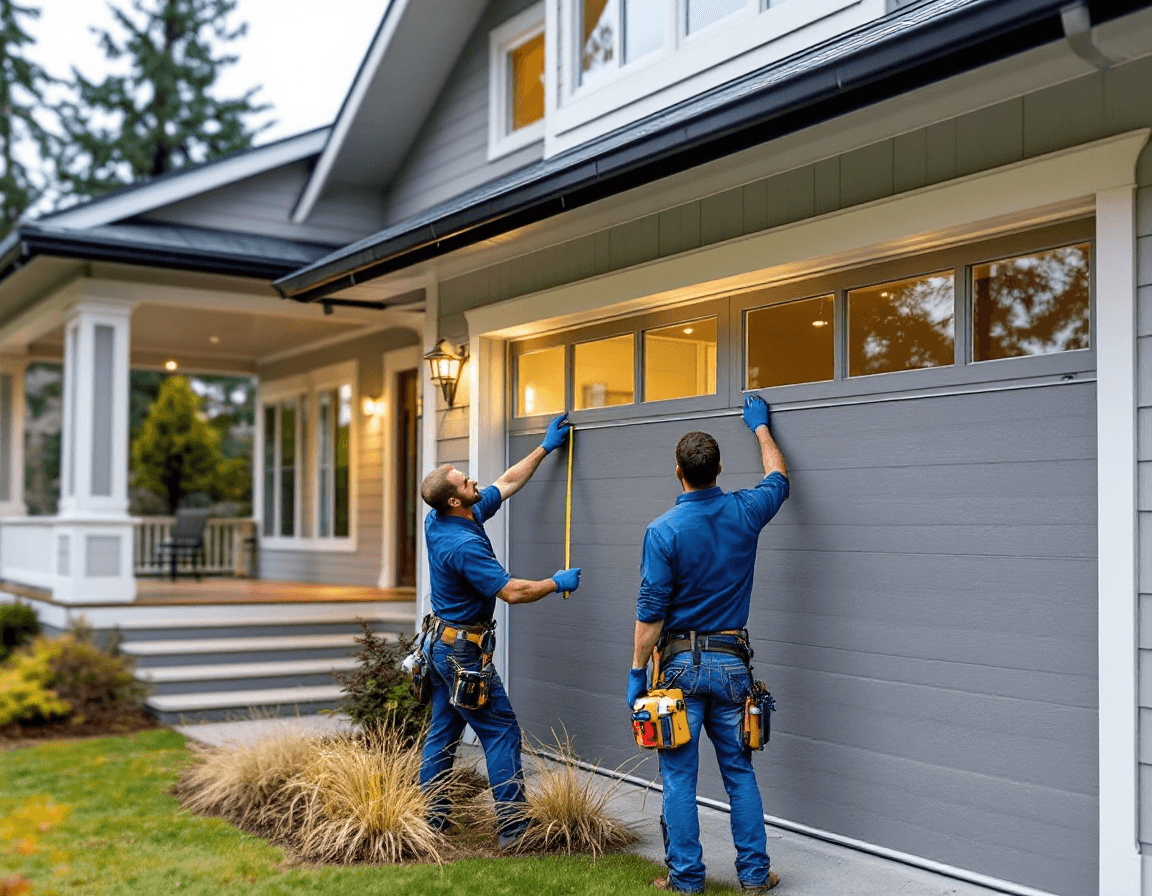
Garage Door Installation & Replacement in Milton, WA is a practical upgrade for homeowners whose current door has reached the end of its useful life, whether that's from years of wet winters, a storm-damaged panel, or a door that simply no longer fits how the household uses the garage. Milton sits along the Pierce County line between Fife and Edgewood, and many of the homes here were built when lighter, uninsulated steel or early wood doors were standard. Those doors were fine for the era, but they rarely hold up well to the damp, mild, and occasionally windy conditions that define Western Washington. Replacing a door is a bigger decision than a spring or opener repair, so it helps to understand what your options are before you sign anything.
This page walks through the situations where replacement makes more sense than another repair, the main door materials and what each one does well, and how the Pacific Northwest climate shapes those choices. It also covers what a typical installation involves, how pricing works, and what to check with the city and your homeowners association. Our goal is to give you enough detail to ask good questions and compare quotes fairly, whether you're working with us or someone else. Pricing for new doors generally runs from about $950 to $3,800 or more installed, and the spread depends mostly on door type, materials, size, and the hardware and insulation package you choose.
If you're weighing a replacement in Milton, you don't need to decide everything at once. Start by identifying what's actually wrong with the current door, then think about how you want the garage to function for the next fifteen or twenty years. A knowledgeable technician should be able to measure the opening, inspect the frame and track, and explain which options fit your home and budget. The sections below are meant to help you have that conversation with confidence.
Why Milton Homes Often Reach the Replacement Point Sooner
Many homes in Milton and the surrounding Pierce County neighborhoods have garage doors that have been patched, realigned, and re-spring-ed more than once. Repairs can keep a tired door running for a long time, but at some point the cost of keeping it alive starts to approach the cost of a new door that will actually perform. The wet season is a major factor here. Months of rain and high humidity slowly work into wood panels, swell joints, and encourage rust at the bottom edge of steel sections where water pools. Even a door that looks fine from the street can have soft spots or corroded hinges that signal it's near the end.
Age matters, but so does exposure. A door on a north-facing or heavily shaded wall may hold moisture for days after each storm and develop problems faster than one that gets afternoon sun. Doors that open onto a driveway with runoff sometimes take a beating at the bottom seal and weather strip. Homes near the Puyallup River corridor and older lots with mature trees can also see more debris, sap, and moss buildup on the top of the door and in the tracks. None of this means a door has failed on its own. It means the cumulative wear is real, and it should inform the decision.
Another reason Milton homeowners reach the replacement stage is that their needs have changed. A garage that once held a single compact car may now house two vehicles, bikes, a workbench, and stored tools. An older single door may be too narrow for a modern SUV or truck, and the owner may be tempted to squeeze in a wider vehicle by ignoring the clearance. That kind of daily frustration, combined with a door that's showing its age, is often the moment people decide a full replacement is worth it.
Reading the Signs That Repair Has Run Its Course
Not every problem calls for a new door. Worn rollers, a frayed cable, or a misaligned sensor are routine repairs that can be handled quickly. The question is whether the damage is isolated or whether it points to a deeper issue with the door's structure. A useful test is to ask whether the same component keeps failing, or whether new parts are constantly being added to an aging frame. When repairs become frequent, the door is telling you something about its overall condition.
Visible rot, rust, or delamination are strong signals that replacement should be on the table. Wood doors in particular can develop soft spots at the bottom rail or around hinge locations, and once the wood is compromised, fasteners stop holding properly. Steel doors that have rusted through at the seams or along the bottom section may be structurally weaker than they appear. Dents from storms or fallen branches are sometimes repairable on a single panel, but if the dent has cracked insulation foam or distorted several sections, replacing the door is usually more reliable than trying to patch it.
Pay attention to how the door behaves, not just how it looks. If it sags in the middle when half-open, bounces noticeably when it reaches the top, or grinds and shudders on the way down, the panels and hardware may be fatigued. A door that feels heavy or drifts off its track can put strain on the opener and create a safety risk. These are the moments to call a professional for an honest assessment rather than continuing to tolerate the problem.
- Repeated service calls for different components within the same year
- Visible rust at seams, hinges, or the bottom section that keeps returning after cleaning
- Soft, spongy, or split wood near the bottom rail or hinge points
- Panels that are cracked, bowed, or pulling away from the frame
- Noticeable drafts, cold spots, or a garage that's hard to keep warm in winter
- A door that no longer fits your vehicles or the way you use the space
Choosing a Door Style That Suits Your Milton Home
Style is about more than curb appeal. The right door should complement the architecture of your house, the roofline, the trim, and the color of your siding, while also serving the practical needs of your garage. Carriage-style doors, with their horizontal panels and decorative hardware, have become popular on Pacific Northwest homes because they suggest a classic, cared-for look without much maintenance when the right materials are used. Flush or contemporary designs with clean horizontal lines or full-width windows suit newer builds and homes with modern exteriors. Raised-panel doors remain a comfortable middle ground for traditional neighborhoods.
Think about how much natural light you want in the garage. Glass panels bring daylight into the space, which can make a workshop feel more pleasant, but they also raise questions about privacy, glare, and insulation. Frosted or tinted glass can soften the view while still letting light through. If your garage faces the street or a neighbor's windows, a door with fewer or smaller glass sections may feel more comfortable. Some homeowners choose a single decorative window band across the top section as a compromise.
Color and finish deserve just as much thought. Darker colors absorb more heat, which can be noticeable on sunny summer afternoons, though Milton summers are generally milder than inland areas. Lighter or medium tones often hide dirt and water spotting better in a region where the sky can stay gray for weeks at a time. Ask about factory-applied finishes and whether the warranty covers fading, chalking, or peeling, since the UV and moisture exposure in our area can test coatings over time.
Insulated Steel, Wood, Glass, and Aluminum Compared
Insulated steel is the most common choice for new installs in the greater Seattle area, and for good reason. Steel doors are typically made with a foam core sandwiched between two steel skins, which improves thermal performance and reduces noise. They come in a wide range of styles, can be embossed to look like wood, and generally require less maintenance than real timber. Quality steel doors also tend to offer strong wind-load ratings, which matters in a region that occasionally sees gusty storms. The key is to choose a door with good edge seals and a thermal break so that cold and moisture don't travel through the frame.
Wood doors offer a warmth and character that many homeowners love, especially on craftsman-style homes or houses with exposed timber details. Cedar and other naturally durable species are often favored because they resist decay better than many alternatives. However, wood requires consistent maintenance, including sealing or staining every few years and attention to the bottom edge where water can wick in. In a damp climate, wood is a commitment. It can be a beautiful choice for a homeowner who enjoys upkeep, but it's less forgiving for someone who wants a set-it-and-forget-it door.
Aluminum and glass systems are typically chosen for their clean, modern appearance and for garages that serve as flexible living or workshop spaces. Aluminum frames resist rust, which is an advantage in wet weather, but they usually have less insulation value unless paired with insulated glazing or thermally broken components. Glass sections should be tempered or laminated for safety, and the overall door should be evaluated for wind resistance and heat transfer. These doors often cost more than standard steel, and their performance depends heavily on the specific product and how it's installed.
Moisture, Moss, and Marine Air: Protecting Your Investment
Western Washington's climate is kind to lawns and hostile to unprotected wood and metal. Rain is frequent from fall through spring, and the marine air that drifts inland keeps humidity high for long stretches. Moisture gets into door panels, weather seals, and hinge pivots, and once it's trapped, it can accelerate corrosion and rot. A door that might last decades in a dry climate can show wear much sooner here if it isn't protected and cleaned on a regular schedule. Choosing the right material is the first line of defense, but routine care matters just as much.
Moss and algae are a particular concern on the top of garage doors and along the header, especially under evergreen trees or on shaded sides of the house. Moss holds water against the surface, which keeps the finish damp and can lead to staining or coating failure. Periodic gentle cleaning with a soft brush and a mild, non-abrasive cleaner will help, and trimming overhanging branches improves airflow and sunlight. Avoid high-pressure washers near door seams and openers, since forced water can push past seals and into mechanisms that weren't designed for that exposure.
Pay close attention to the bottom seal and the threshold, which take the brunt of rain splash and runoff. A worn bottom seal lets water and cold air into the garage and can allow leaves and debris to build up along the track. Replacing the seal during a new door install is a smart investment, and a properly sloped driveway or drain near the opening reduces standing water. Good drainage around the garage slab is often overlooked, but it protects both the door and the stored contents inside.
Sizing, Openings, and Remodel Additions
Accurate measurement is the foundation of a good installation, and it's where many avoidable problems begin. The rough opening width and height, the headroom above the opening, the sideroom on each side, and the backroom depth for the track all need to be confirmed before a door is ordered. Some older Milton homes have framing that isn't perfectly square or level, and the installer may need to shim, adjust, or reinforce the opening to get a clean fit. Ordering a door that doesn't account for these conditions can lead to delays, extra fees, and a result that never operates smoothly.
If you're adding a room, converting a carport, or extending the garage for a larger vehicle or workshop, the door plan becomes part of the larger project. Changing the width of an opening typically involves the header and framing, which may require a permit and an engineer's input depending on the scope. Even when you're only replacing a door in an existing opening, it's wise to think ahead about the opener's rail length, ceiling clearance, and whether you'll need additional track or a different spring system. Coordinate with your contractor early so the door, the framing, and the electrical layout all line up.
Remodel timing can also be an opportunity. If the siding, trim, or roofing is being replaced anyway, it may make sense to install the new door at the same time so the finish work looks cohesive. A door sized and styled in harmony with the new exterior can make a dramatic difference in how the home looks from the street. Ask whether your project would benefit from matching hardware, paint colors, or a window pattern that echoes other features of the house.
What Installation Involves, Start to Finish
A typical replacement begins with a site visit, where the technician inspects the existing door, the opening, the track, the springs, and the opener if one is installed. This visit is also when measurements are verified and the homeowner's goals are discussed. From there, the right door and hardware are selected, ordered, and scheduled for delivery. Lead times vary depending on the style and whether the door is a stock or custom product, so it's a good idea to ask about timing before you commit to a date for guests, vehicles, or the rest of your renovation.
On installation day, the old door is removed carefully, with attention to the springs, which store significant energy and must be handled only by trained technicians. The new door sections are assembled, the track is installed and leveled, and the springs are set to balance the weight of the new door. The opener is connected or adjusted, the safety reversal system is tested, and the weather seals are fitted and checked for gaps. A quality install should leave the door operating smoothly, quietly, and evenly from top to bottom, with no visible light gaps around the perimeter.
Before the crew leaves, the technician should walk you through how the door works, how to use the manual release, and what routine maintenance looks like. You should also receive documentation for the door and any warranty terms, along with clear information about who to call if something doesn't perform as expected. A good installer treats the handoff as part of the job, not an afterthought. Ask questions during this walkthrough so you understand what you're responsible for and what the company covers.
- Confirm opening measurements and headroom before ordering
- Verify the spring system and opener compatibility with the new door weight
- Test the auto-reverse safety feature and photo-eye alignment after installation
- Review the warranty, including what the manufacturer and installer each cover
- Ask for care instructions specific to your door material and local climate
Understanding Your Quote: From $950 to $3,800-Plus
Pricing for new garage doors in Milton typically falls between about $950 and $3,800 or more installed, and that range reflects real differences in what you're buying. A basic single steel door in a standard size with a simple finish sits near the lower end. Double doors, premium insulated steel with upgraded foam, custom wood, large glass sections, or specialty aluminum systems push the price higher. Opener upgrades, smart controls, weather packages, and removal of an existing door can also change the final total, so a number at the low end of the range usually means fewer add-ons and a standard opening.
When comparing quotes, look beyond the headline price. Make sure each quote lists the door model, the material and thickness, the insulation rating or core type, the spring system and its expected cycle life, the track type, the hardware finish, and whether old-door removal and haul-away are included. Ask whether the quote covers any framing adjustments, electrical work for openers, or permit fees if they apply. A lower quote that leaves out removal, weather seals, or safety testing may cost more in the end. Written, itemized estimates make it much easier to compare apples to apples.
It's also worth asking about financing options, seasonal promotions, and how the warranty is structured. Some warranties separate the door panels from the hardware and the labor, and coverage periods can vary widely between products. Understanding those terms now will save frustration later if a panel finish or a spring needs attention. A transparent installer should be willing to explain every line item without pressure.
Permits, HOA Rules, and Working With Neighbors Near City Hall
Milton's city government operates from the civic area near City Hall, and homeowners planning a door replacement should check with the city about whether a permit is needed for their specific project. A like-for-like replacement in an existing opening often doesn't require a permit, but enlarging an opening, altering structural framing, or changing the electrical service for an opener may trigger requirements. Rules can change, so confirming with the appropriate city office before work begins is the safest approach. It's a simple step that prevents surprises during inspections or when you sell the home.
If your property sits within a homeowners association or a planned community, the HOA may have design guidelines covering door color, style, window placement, and hardware. Many associations require architectural review before exterior changes are made, and approval can take several weeks. Gather the association's guidelines early, sketch your intended door style, and submit a clear product description with photos or manufacturer specifications. Doing this up front can keep the project on schedule and avoid having to reinstall a door that doesn't meet the standards.
Neighbors also notice big exterior changes, and a thoughtful approach can make the process smoother. Let adjacent homeowners know when delivery and installation will occur, especially if the work may block a driveway or require temporary parking adjustments. In older neighborhoods where garages and driveways are close together, a little communication goes a long way. Keep the work area clean, protect landscaping near the opening, and make sure the crew removes all packaging and debris before leaving.
Safety First: Why Spring and Cable Work Belong to Professionals
Garage door springs and cables are among the most dangerous components in a residential system because they store and release tremendous force. Torsion springs and extension springs can cause serious injury if they are adjusted, removed, or replaced without the right tools, training, and knowledge of winding procedures. A door that appears to be sitting quietly can still hold enough tension to cause harm. For that reason, spring and cable work should always be handled by a licensed, bonded, and insured professional, never by a homeowner attempting a do-it-yourself fix.
During a door replacement, the spring system is often reset or replaced as part of the installation, and this is one of the most important reasons to hire a qualified crew. The technician should confirm that the springs match the weight and size of the new door, that the cables are properly seated on the drums, and that the balance is correct before the opener is connected. A door that is out of balance can strain the opener, wear out components early, and create an unsafe condition. If you ever notice a door that won't stay open, drops unevenly, or shows fraying cables, stop using it and call for service.
Safety also extends to the opener and the door's auto-reverse features. A properly installed system should reverse when it contacts an object and should respond to photo-eye sensors placed near the floor. Keep children and pets clear of the door during operation, and never walk under a door that is moving or appears unstable. If you have any doubt about the condition of the door, call us at (888) 799-3819 to schedule an inspection before the problem gets worse.
Garage Door Installation & Replacement in Milton, WA is a decision that touches your home's security, comfort, curb appeal, and daily routine, so it deserves careful planning and a trustworthy installer. If your current door is damaged beyond repair, leaking heat, showing rust or rot, or simply no longer suits your home, we would be glad to take a look. Call Seattle Garage Door Fix at (888) 799-3819 to schedule a licensed technician to measure your opening, review your options, and provide a clear, itemized quote for your Milton home.