
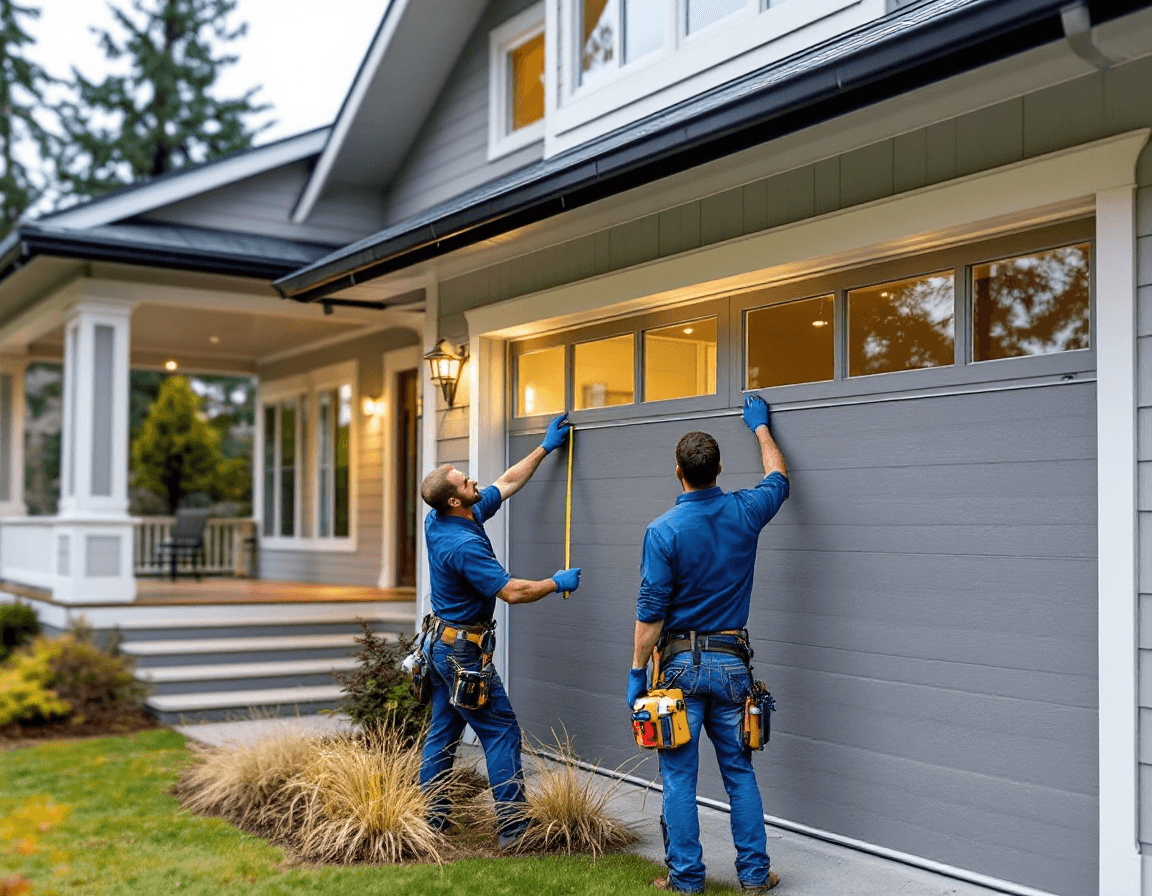
Garage Door Installation & Replacement in Fife, WA is often the right answer when a door has gone past the point of sensible repair, whether it was damaged in a windstorm, has rusted through at the bottom panels, or simply no longer keeps the weather out of the garage. Fife sits in the Puyallup River valley just east of Commencement Bay, and its mix of light industrial buildings, older residential streets, and newer single-family homes means garage doors here face wide variation in age, exposure, and use. Our crews at Seattle Garage Door Fix handle new single and double door installations across Fife and the surrounding Pierce County communities, and we work from the same premise on every job: the new door should fit the house, the climate, and the way the household actually uses the space.
Pierce County weather is mild by most national standards, but it is persistent. Long stretches of drizzle, cool damp evenings, and a steady run of gray months put continuous moisture on steel panels, wood stiles, and the metal hardware that holds them together. Add the occasional wind event that rolls up the Tacoma side of the Sound and pushes debris and rain sideways across exposed doors, and you have conditions that reveal weak points quickly. A replacement door is a chance to choose components designed for that reality rather than repeating the same setup that struggled.
This page explains how we think about replacement in Fife: when a new door makes more sense than another repair, which materials and insulation options suit local conditions, what drives the cost from the lower end of our range to the higher end, and what happens from the first measurement to the first test cycle. If you are weighing options right now, read through, then call us at (888) 799-3819 to talk through your specific door.
When Replacement Beats Another Repair Visit
Every technician has a version of the same conversation: the homeowner has paid for a third or fourth service call on the same door in a few years, and the question becomes whether the next repair is money well spent. Some repairs are clearly worth it, such as replacing a worn roller, adjusting a misaligned track, or swapping a failed opener. The calculation changes when the panels themselves are compromised, the frame has moved out of square, or the door is the original build from a decade or more ago. At that point, each repair buys only a short reprieve before the next failure.
Replacement also makes sense when the door has suffered damage that cannot be restored in a cost-effective way. A panel crushed in a backing-into-the-curb incident, a section warped by a fallen limb, or a bottom rail eaten through by corrosion often leaves the door out of balance and difficult to seal. Repairing individual sections is sometimes possible, but matching a discontinued panel profile or color can be frustrating, and the mismatched result rarely looks or performs like a single unified door. In those cases a full replacement gives you consistent insulation, a matching finish, and a door that operates as one assembly.
Our rule of thumb for Fife homeowners is simple. If the cumulative cost of recent repairs approaches the price of a new installation, or if the door has structural problems that a repair will not address, replacement is usually the better long-term investment. We would rather walk you through the numbers honestly than sell you a new door you do not need, so during every inspection we will tell you which parts of the old system are worth keeping and which are not.
Warning Signs Your Current Door Has Reached Its Limit
Most garage doors give advance notice before they fail completely, but the signs are easy to dismiss when the door still opens and closes. Paying attention to these patterns helps you decide whether the door is simply tired or genuinely at the end of its service life. Look for the following indicators during your next routine check:
- Visible rust that has spread past surface scale into the bottom panel, hinges, or track brackets
- Sections that have bowed, cracked, or separated from their neighbors along the seam lines
- Gaps of more than a few inches at the bottom edge that let rain, leaves, and cold air into the garage
- A door that stalls, reverses unexpectedly, or drifts out of level when you lift it by hand
- Frequent emergency calls where each repair is for a different component, suggesting a system-wide decline
Pay particular attention to rot in wood doors. Fife's damp winters can soak into untreated or poorly sealed wood, causing soft spots at the bottom rail and along stiles where water tends to collect. Once rot starts, it moves quickly through the grain, and patching rarely restores strength. The same goes for insulated steel doors whose foam core has taken on moisture through a damaged skin, since the insulation value drops and the panel can begin to delaminate.
If you notice any of these symptoms, avoid the temptation to fix the problem yourself with a quick adjustment to the spring system. Torsion springs and extension springs carry enormous stored tension, and mishandling them can cause serious injury. A licensed technician should inspect spring and cable conditions as part of any evaluation, and replacement often includes new springs matched to the weight of the new door.
Choosing Steel, Wood, Glass, or Aluminum for Your Home
Material choice shapes how a door looks, how it performs, and how much maintenance it demands over the years. Insulated steel is the most common choice for Fife homes because it balances durability, cost, and efficiency. Modern steel doors are built with a steel skin bonded to a polyurethane or polystyrene core, and they resist dents better than many people expect while staying relatively simple to maintain. Steel also comes in a wide range of textures and colors, including faux wood-grain finishes that mimic the look of real timber without the upkeep.
Wood doors remain a strong option for homeowners who want a traditional or custom appearance, particularly on craftsman-style and carriage-style homes. Cedar and other naturally durable species resist moisture better than many woods, but they still need regular sealing and painting to hold up under Pacific Northwest rain. If you choose wood, plan on a maintenance schedule and make sure the door includes proper bottom seals and drip edges, since most long-term failures start where water is allowed to sit against the lower panels.
Aluminum and glass combinations suit modern homes and additions where light and sightlines matter. Aluminum frames resist corrosion well, which is a real advantage in a damp climate, though they are less insulating than steel unless fitted with thermal breaks and insulated glazing. Glass panels in a steel or aluminum frame can transform a dim garage into a bright workspace, but the glazing should be specified with care for privacy, sun exposure, and thermal performance. We discuss those trade-offs openly during the planning stage so the door you choose matches both your architecture and your daily routine.
Insulation, Energy Efficiency, and Comfort in a Maritime Climate
Many Fife homeowners first call us because the garage is cold, drafty, or hard to heat, and the garage door is the most likely culprit. A large door with thin or no insulation can be a significant source of heat loss, particularly when the room adjoins living space or houses a water heater, freezer, or workbench that needs stable temperatures. Upgrading to an insulated door with proper weatherstripping can make the garage more comfortable and reduce the strain on any heating system you use there.
The rating that matters most is the R-value of the door, which describes resistance to heat flow. Higher numbers generally mean better insulation, though the real-world benefit depends on how well the door seals at the sides, top, and bottom. A high-R door with a leaky bottom seal will still let cold air in, so we pay as much attention to perimeter sealing and threshold conditions as we do to the panel itself. Ask about the complete sealing package, not just the insulation spec on the brochure.
In a maritime climate, moisture management is as important as thermal performance. Warm, humid air meeting a cold steel surface can produce condensation that drips onto the floor and promotes corrosion inside the panel bottom. Good ventilation in the garage, proper sealing, and a door with thermally broken construction all help prevent that problem. We will talk with you about whether an insulated door alone will meet your comfort goals or whether other improvements, such as ceiling insulation or a weather-resistant man door, belong in the same project.
Wind, Rain, and the Puget Sound Weather Test
Wind is an underappreciated factor in door selection, especially for homes with wide garage openings or exposed positions. Gusts that channel along open lots and streets can load a large door in ways that stress the tracks, hinges, and panel joints. Wind-load ratings describe how a door is expected to handle pressure, and a rating appropriate for your exposure is a practical safeguard. A properly installed door with the right reinforcement and track bracing will handle the typical wind events Western Washington sees, but the specification should be matched to your home rather than assumed.
Rain behaves differently than wind but tests the same weak points. Water finds its way into any gap, and it tends to pool at the bottom seal, along the track, and inside hollow sections where drainage is poor. Door designs that include a well-positioned bottom seal, sealed panel joints, and drainage paths for water are much better suited to Fife's wet season. We inspect the surrounding framing and header as well, since a door installed in a frame that leaks at the top or sides will keep letting water in no matter how good the door is.
Salt air is a consideration for homes closer to the water or in areas where prevailing winds carry moisture off the Sound. The corrosion risk is generally lower than on the immediate coast, but hardware, springs, and fasteners still benefit from corrosion-resistant finishes. Specifying galvanized or coated hardware and a finish designed for damp environments is a small upfront choice that pays off in fewer service calls down the road.
Carriage-Style Looks and Modern Updates for Fife Homes
The exterior of a garage door accounts for a surprising share of curb appeal, and many Fife homes built in earlier decades still carry the original builder-grade doors that now look dated. Replacing them is one of the more visible upgrades a homeowner can make. Carriage-style doors, with their decorative straps, hardware, and divided panels, have become popular because they suggest a garage that was built as a feature rather than an afterthought. Many carriage-style designs are available in steel with a wood-look finish, which gives the traditional appearance with less maintenance.
Modern homeowners often prefer clean horizontal panels, minimal hardware, and a monochrome or two-tone palette. These designs pair well with contemporary siding and trim, and they can be fitted with windows along the top section to add light without sacrificing privacy. If your home has been remodeled, bringing the garage door into the same visual language as the entry door, windows, and fencing will make the whole property look more intentional. A good installer will bring sample colors and finishes to the home so you can evaluate them in natural light before ordering.
Color choice deserves more thought than it usually gets. Dark finishes absorb more solar heat, which can cause faster expansion and contraction in steel panels on sunny days, while very light finishes show dirt and water spotting more readily in a rainy climate. We usually suggest viewing finish samples next to the actual siding and roof color, and checking how they look on a cloudy afternoon as well as a bright one, since the Pacific Northwest rarely gives you a single consistent light condition.
Sizing, Openers, and Planning Around Remodels and Additions
Garage door replacement often coincides with a remodel, an addition, or a change in how the space is used. Before ordering, the opening dimensions must be measured accurately, including width, height, and the depth of the headroom and back room. These measurements determine which track configuration will fit, whether a standard or low-headroom setup is needed, and whether the door can clear overhead storage or a new ceiling. Taking the time to measure twice prevents the frustrating situation where a beautiful door arrives and does not fit the opening.
Remodels can also change the structural and electrical picture. Moving a wall, adding a room above the garage, or widening an opening may require a different header, updated framing, or a different opener location. In some cases, city review or permits are required for structural changes, so it is worth confirming requirements with the City of Fife before construction begins. We coordinate with homeowners and their contractors on these details so the door installation does not stall the rest of the project.
Opener selection belongs in the same conversation. Belt-drive openers run quieter, which matters for garages that share a wall with bedrooms or a home office, while chain-drive units are often more economical for detached or utility spaces. Battery backup is useful in a region where the power occasionally goes out during storms. Smart features such as remote monitoring and app control are available, but we recommend selecting them based on how you actually use the garage rather than on feature lists alone.
Understanding the Investment Behind the $950 to $3,800+ Range
Our pricing for new single and double garage doors in Fife generally falls between $950 and $3,800 or more, installed. That range reflects real differences in materials, size, insulation, hardware, and labor complexity. A basic insulated steel single door in a standard opening sits at the lower end of the scale, while a large double door in custom wood, glass, or specialty aluminum can climb well beyond the midpoint. Each quote depends on the specific door and the conditions at your home, so we avoid giving a single number without seeing the opening.
Several factors push the cost upward. Non-standard sizes, low-headroom or vertical-lift track systems, reinforced structures for heavy doors, and upgraded wind-load ratings all add material and labor. Carriage-style and wood designs carry higher material costs and sometimes require more finishing work. Insulation upgrades, premium weatherstripping, and better hardware are worth considering because they affect comfort and durability for years, not just the appearance on installation day.
Some costs are easy to overlook in an initial comparison. Removal and disposal of the old door, any framing or header repairs, opener installation or replacement, and any permit-related requirements all belong in the total. A quote that looks lower may leave these items out, so when you compare bids, ask each company to list what is included. We are happy to walk through our estimate line by line so you can see exactly where your money goes.
How Our Installation Crew Works From Measurement to Test Cycle
A typical replacement starts with an on-site visit. A technician measures the opening, inspects the existing framing, checks the condition of the header and jambs, and evaluates the old springs, cables, and hardware. This step tells us whether the current structure can support the new door as planned or whether preparatory work is needed. We also discuss your priorities, whether those are insulation, appearance, noise, security, or budget, and tailor the recommendation to match.
On installation day, the old door is carefully removed and the opening is prepared. The new tracks, brackets, and hardware are fitted and squared, and the door sections are assembled and hung. Springs are installed and balanced to the door's weight, a task that requires specialized tools and training, and the opener is mounted and connected if it is part of the job. Every installation includes sealing, alignment checks, and safety-reversal testing before the crew leaves.
The final step is a walkthrough with you. We demonstrate how the opener works, explain the remote and keypad settings, and confirm that the door reverses properly when it contacts an obstruction. We also provide guidance on routine maintenance, such as lubricating moving parts with the correct product, checking weatherstripping seasonally, and keeping the tracks clear of debris. A new door should run smoothly from the first day and continue to do so with simple, regular care.
Permits, Safety, and Why Licensed Installers Matter
A garage door is one of the heaviest moving assemblies in a home, and its safety depends on correct installation of springs, cables, tracks, and openers. Torsion springs in particular store enough energy to cause serious injury if they are handled improperly. For that reason, spring work, cable replacement, and any adjustment to tension should always be performed by a licensed, trained professional with the proper equipment. Attempting these tasks without training is one of the most common ways homeowners end up injured during what they expected to be a simple repair.
We are licensed, bonded, and insured, and we carry that responsibility into every installation in Fife. Our crews follow manufacturer specifications for hardware, fastening, and balance, and they verify that the door operates safely before leaving the job site. Insurance and bonding protect you and your property if something unexpected happens during the work. These protections matter more for a major installation than for a routine service call, because the scope and weight involved are greater.
Permits are another area where clear communication helps. Requirements depend on the scope of the project, and changes to structural openings or electrical connections may trigger review. We will tell you what applies to your situation and help gather the information needed, while leaving final determinations to the City of Fife or the appropriate authority. Being upfront about these steps avoids delays and keeps the project on schedule.
Ready for a New Garage Door in Fife?
A new garage door is one of the most practical improvements a Fife homeowner can make, combining better security, improved energy performance, reliable operation, and a fresh look for the front of the house. Whether your current door has rusted, rotted, or simply worn out, or you are planning a remodel that calls for a larger or more attractive opening, our team is ready to help you choose the right materials, insulation, and hardware for your home. Call Seattle Garage Door Fix at (888) 799-3819 to schedule an in-home measurement and receive a clear, itemized estimate.