
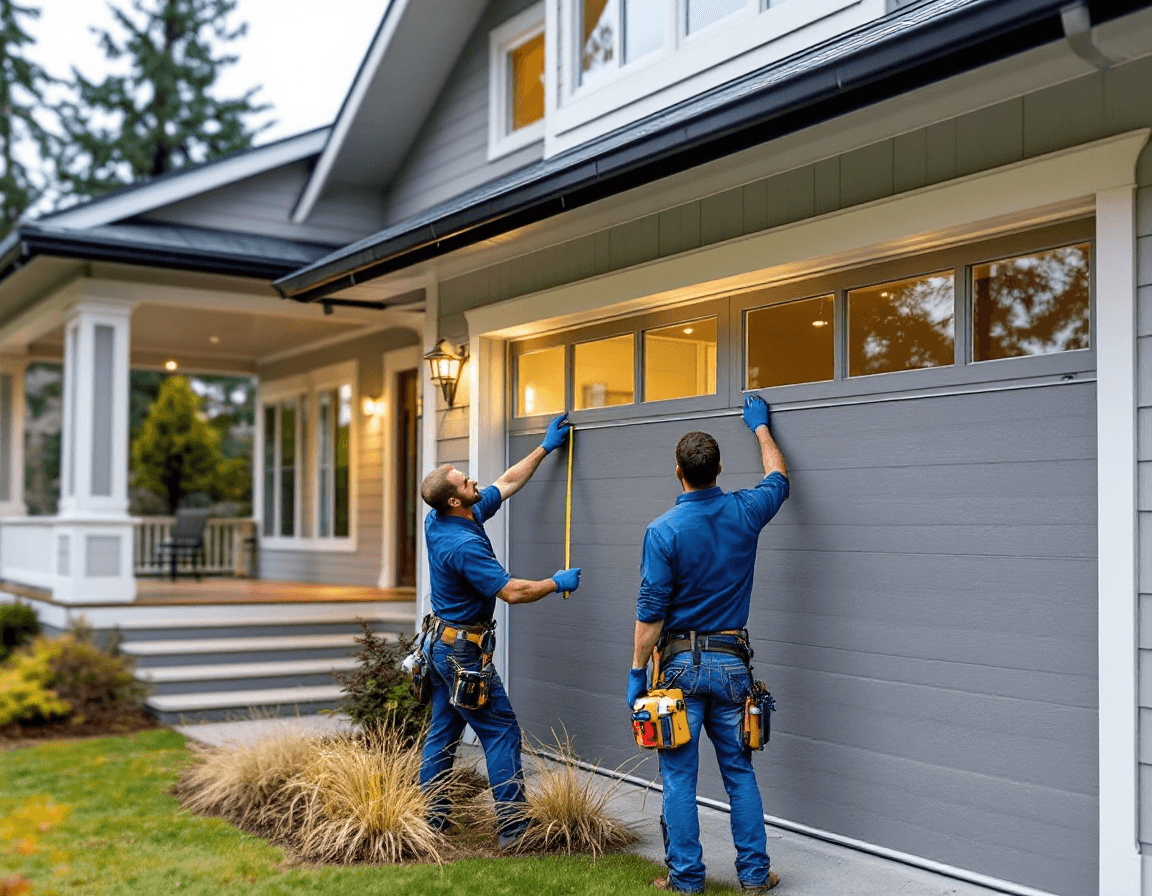
Replacing a garage door in Tacoma is a bigger decision than it looks from the curb. Our city sits on the Commencement Bay shoreline, where salt-tinged air drifts in off the Sound, and rain tends to arrive sideways in the winter months. A door that has been quietly soaking up that moisture for years can look fine from the driveway while its bottom panel, hinges, and tracks tell a different story. Whether your home is a 1920s bungalow near the Hilltop or a newer build in Parkland, a well-chosen replacement door can improve how your home looks, feels, and functions for the next two decades or more.
At Seattle Garage Door Fix, we install new single and double garage doors across Tacoma and Pierce County, working in insulated steel, carriage-style, wood, glass, and aluminum. Our crews are licensed, bonded, and insured, and we handle everything from measuring the opening and selecting a door to removing the old unit and calibrating the new one. Installed pricing typically falls between $950 and $3,800 or more, depending on the door style, materials, insulation package, and any structural work the opening needs. This page explains how we think about replacement decisions in Tacoma, what to look for, and when it makes more sense to repair than to replace.
If you are reading this because your door is damaged, drafty, outdated, or failing again and again, you are in the right place. Below we walk through the warning signs we see most often on the Tacoma side of the county, the material trade-offs that matter in our climate, and the practical details of a clean installation. You will also find notes on what to ask any contractor before you sign, so you can compare quotes with confidence rather than guessing.
When a Door Has Crossed the Line From Repairable to Replace
Every garage door eventually needs attention, but there is a point where repairs stop making financial sense. In our experience, the clearest sign is structural damage to the door panels themselves, such as cracked sections, bowed panels that no longer sit flat in the track, or delamination where the outer skin has separated from the foam core. Once the panels are compromised, a replacement hinge or roller will not restore the door's balance or its weather seal. Trying to keep patching a door in that condition often means paying for several service calls while the underlying problem keeps returning.
Tacoma's weather adds its own accelerants. Winter wind gusts funneling off the water can slam a poorly balanced door against its stops, and heavy rain that pools at the threshold can wick into the lowest section and rot it from the inside out. Wood doors in particular will show swelling, soft spots near the bottom rail, and peeling paint long before the damage is visible from the outside. Steel doors can develop rust at panel seams and along the edges where the galvanized coating was scratched during installation or by years of track contact.
Repeated breakdowns are another signal worth taking seriously. If your door has needed a new opener, a set of rollers, and a track realignment within a few years, the cumulative cost of those visits can approach the price of a new door, and you still will not have the energy performance or security you could have gained from an upgrade. We are always happy to look at an existing door and give an honest opinion about whether it is worth saving. Sometimes it is, and we will say so.
Choosing Between Insulated Steel, Wood, Glass, and Aluminum
Material selection is the decision that shapes everything else, so it is worth slowing down here. Insulated steel is the most common choice for Tacoma homes because it resists dents, handles moisture well when properly finished, and comes in a wide range of styles and colors. A foam-insulated steel door with a solid core will noticeably reduce heat transfer between an attached garage and the living space, which matters when the outside temperature stays in the damp 40s for weeks at a time. Quality varies widely between manufacturers, so look at the insulation R-value listed by the manufacturer and the construction of the panel rather than the price tag alone.
Wood carriage-style doors remain a favorite for North End and Hilltop homes, where the architecture calls for warmth and character. These doors are beautiful, but they demand maintenance. In a marine-influenced climate, a wood door should be sealed and refinished on a regular schedule, and the bottom edge deserves particular attention because it is the most exposed to splash and standing water. Many homeowners pair wood-look steel or composite carriage doors with the same visual style and far less upkeep, which is a practical middle path we recommend discussing during your consultation.
Glass and aluminum options work well for modern remodels and for homes that want more natural light in the garage. Frosted or tempered glass panels can brighten a workspace dramatically, but they reduce insulation compared with solid steel, so they are best suited to detached garages or spaces that are not heated. Aluminum frames resist corrosion and stay light, which helps with smooth operation, though they are typically paired with glass panels rather than used as a solid door. We will talk through the trade-offs honestly, because a door that looks great but leaks heat every winter is not a good investment.
Insulation, Energy Use, and What a Better Door Actually Changes
Many Tacoma homeowners ask whether a new door will make a real difference in their heating bills, and the honest answer depends on the house. An attached garage that shares a wall with a heated kitchen or bedroom is a major source of heat loss when the door is old and uninsulated. Upgrading to an insulated door can reduce drafts, cut down on cold air pooling along the floor of the living space nearby, and make the garage more comfortable to work in during cold snaps. Detached garages benefit too, especially if you run a shop, a workshop, or a space where you spend long hours.
Insulation is only part of the equation. The weatherstripping on the bottom seal, the side jamb seals, and the top header seal all determine how much air and moisture get past the door. When a new door is installed, we check and replace these seals as needed, because a premium door with a worn or misfitting seal will still leak. We also look at the threshold and the concrete slab in front of the door. If water is running under the door during heavy rain, the fix may involve the seal, the threshold, or the grading outside, and we will tell you which one applies.
Energy efficiency is also about how the door operates. A door that is properly balanced and runs smoothly puts less strain on the opener, which tends to extend the life of the entire system. If you are replacing the door, it is a good moment to evaluate the opener as well. Some homeowners find that an older opener can handle the new door without trouble, while others need a unit with more lifting capacity or a quieter drive. We will tell you what the new door requires rather than guessing.
Wind, Rain, and Coastal-Influenced Storms in Pierce County
Tacoma gets its share of significant wind events, especially during the fall and winter storm season when systems move across the Sound and funnel through the valleys. Garage doors are large, flat surfaces that catch wind, and older doors with weak panels or worn track hardware can be pushed out of alignment or damaged during a strong gust. When we replace a door in an exposed location, such as a corner lot with a clear view of the water or a home on a rise with few windbreaks, we pay close attention to the wind load rating of the door and how the track and bracing are installed.
Rain is the other major factor. Pierce County winters are long and wet, and the moisture that soaks into a door does not always evaporate quickly, especially in a garage with limited ventilation. Steel doors should be finished with a durable coating that resists moisture at the edges and seams. Wood doors need sealing and periodic refinishing. Even the best materials benefit from a clean bottom seal and a threshold that sheds water away from the door rather than toward it.
Storm damage is a common reason homeowners contact us after a windy night or a heavy snowfall. A door dented by a falling branch or a tree limb, or one that has been knocked off track, may still be repairable, but damage to multiple panels or to the frame usually points toward replacement. If you are dealing with storm damage, document the condition with photos before any cleanup, and check whether your homeowner's policy covers it. We are happy to provide a written description of the damage and the work needed to support an insurance claim, though the coverage decision itself rests with your insurer.
Matching the Door to Your Tacoma Home's Architecture
A garage door is one of the largest visual elements on the front of a house, and the right choice can tie the whole exterior together. Tacoma's architecture is varied. Historic Victorian and Craftsman homes in the North End and Stadium District often call for carriage-style doors with divided lites or decorative hardware that echoes the original porch details. Mid-century homes in areas like Proctor and parts of the south end tend to suit cleaner, simpler panel designs with a flat or subtly textured finish. Newer construction in Downtown-adjacent infill and the growing number of townhome conversions may benefit from contemporary full-view glass or horizontal panel styles.
Color and finish matter as much as style. Darker tones absorb heat and can warm up noticeably in summer sun, while lighter colors reflect more light and may show water spotting or dirt more readily. Consider how the door will look in Tacoma's soft, overcast light, which can make a color appear flatter than it did in a showroom. We recommend bringing physical samples to your home and viewing them at different times of day before committing.
Sizing and proportion are equally important. A double door on a narrow facade can overwhelm the house, while a single door on a wide lot may look underpowered. We take photos of your home's exterior during the consultation and walk through the options with you on screen or in person, so the final choice reflects the whole house rather than just the opening. Many homeowners find that the door they initially wanted looks different once they see it next to their siding, trim, and entry door.
What Happens During a Professional Installation
A clean installation starts long before the old door comes down. We begin by measuring the rough opening at the top, middle, and bottom, checking for square and plumb, and confirming the headroom, sidewall space, and backroom depth needed for the track system. Many older Tacoma garages have irregular openings, sloped slabs, or framing that has shifted over decades, and these conditions must be addressed before a new door can hang properly. Discovering a problem halfway through the job is one of the most frustrating situations for everyone involved, so we inspect thoroughly at the start.
Once the opening is confirmed, the old door is removed in a controlled way. Torsion springs and cable systems carry significant tension, and they are never something a homeowner should attempt to release on their own. Our licensed technicians handle spring removal and installation, set the new torsion or extension spring system to match the door's weight, and calibrate the cables and drums. After the door is hung, we balance it, test the safety reversal system, adjust the limits on the opener, and confirm that the door stops correctly at both the open and closed positions.
Finally, we walk you through the operation of the new door, explain basic maintenance, and make sure the seals and threshold are properly set. We also review the warranty terms for the door and for our labor, so you know exactly what is covered and for how long. If your project requires a permit, we will tell you what to expect, though you should confirm current permit requirements directly with the City of Tacoma or the relevant permitting authority for your address, since rules can vary by project type and location.
Questions to Ask Before You Hire Any Garage Door Installer
Comparing contractors can feel overwhelming, but a few targeted questions will reveal a great deal about the quality of the work you will receive. Start by asking whether the company is licensed, bonded, and insured, and request documentation rather than relying on a verbal assurance. A reputable installer will be happy to provide proof and to explain how their crews are trained for spring and cable work, which carries real safety risks if handled improperly.
Next, ask how the company measures and what happens if the opening does not match the expected dimensions. A thorough installer will inspect the opening in person before quoting a final price, and will explain any additional work such as header reinforcement, slab repair, or opener upgrades. Be cautious of quotes that seem dramatically lower than others without a clear explanation of what is included. Pay attention to whether the quote covers removal and disposal of the old door, the new spring system, the seals, and the opener adjustment.
Finally, ask about warranties for the door, the hardware, and the labor, and get the terms in writing. Ask who to contact if a problem appears after installation, and how quickly the company typically responds. Local presence matters here. A company that works across Tacoma and Pierce County regularly will understand the local climate, the common housing styles, and the practical realities of getting service to your street. We would rather you ask these questions and feel confident in your choice than rush into a decision you later regret.
Common Mistakes Tacoma Homeowners Make When Replacing a Door
One of the most frequent mistakes we see is choosing a door based on looks alone without considering the opening, the opener, or the local climate. A beautiful wood door installed without proper sealing or with an inadequate threshold may look wonderful for a season and then begin to fail. Similarly, a heavy insulated door paired with an underpowered opener will strain the system and shorten its life. Taking a whole-system view, including the door, springs, tracks, seals, and opener, leads to a far more reliable result.
Another common error is delaying the decision until the door fails completely. When a door has stopped working, homeowners often feel pressured to accept the first available appointment and the first recommended product. Planning ahead gives you time to compare materials, consider your budget, and schedule the project during a season that suits your household. Many people choose to replace the door in late spring or early fall, when the weather is more predictable and crews are often able to schedule more flexibly, though timing preferences depend on your needs.
Finally, some homeowners attempt to save money by handling parts of the job themselves. Removing old springs, adjusting cable tension, or lifting a heavy door without proper support can cause serious injury. Even seemingly simple tasks such as replacing a panel or adjusting the track can throw the door out of balance if done incorrectly. We always recommend a licensed professional for spring and cable work, and for any installation that involves structural modification to the opening.
Planning Your Garage Door Project Around Tacoma's Seasons
Timing your project around the Pacific Northwest climate can make the process smoother. Spring and early summer typically bring drier conditions that make it easier to work on the slab, seal the threshold, and let finishes cure, though the weather in Tacoma can still change quickly. Early fall is another good window before the heaviest rains arrive. Winter installations are certainly possible, and our crews work through the cooler months, but you should expect that wet conditions can affect exterior prep and the curing of certain sealants.
Think about your household routine as well. Replacing the door means the garage will be out of commission for part of a day, so plan around vehicle access, workshop schedules, and any items you need to move out of the way. Clear the area around the door in advance, remove stored items from the first several feet of the garage, and let us know about any opener remotes, keypad codes, or smart-home integrations you rely on so we can reconnect them properly.
If you are planning a remodel or an addition that will change the garage opening, coordinate with your contractor early. A new door may need to be sized around a new header, a widened opening, or a revised slab. Bringing us into the conversation before framing begins can save time and money. We are glad to review plans, measure existing conditions, and provide guidance on door selection that fits your broader project.
Ready to talk through whether a new door is the right move for your Tacoma home? Call Seattle Garage Door Fix at (888) 799-3819 to schedule a consultation. Our licensed, bonded, and insured team serves Tacoma and communities across Pierce County, including the Downtown, North End, Proctor, Stadium District, and Hilltop areas, and we will give you a straightforward assessment, clear pricing that typically ranges from $950 to $3,800 or more installed, and honest advice about whether to repair, replace, or upgrade your door.