
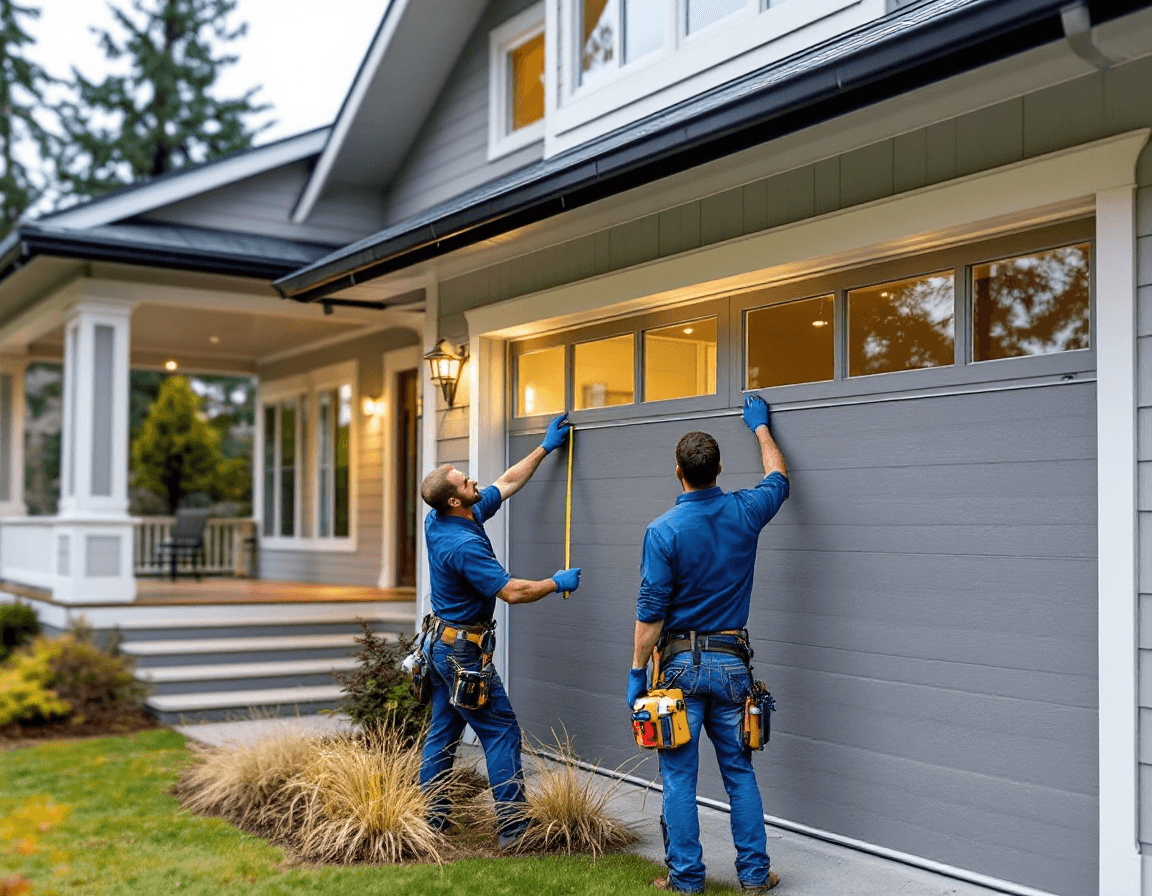
Garage Door Installation & Replacement in Edgewood, WA is a decision most homeowners make only a handful of times in their lives, and it deserves more thought than a quick scroll through catalog photos. Your garage door is the largest moving object on your property, and it carries the weight of your car, your storage, and your family's daily routine every time it opens. In Edgewood, where wet winters, damp soil, and occasional gusty storms all test building materials, a door that has reached the end of its useful life can quietly become a safety and comfort problem long before it fails completely.
This page walks through how we approach installation and replacement for Edgewood homes, from recognizing when repair no longer makes financial sense to choosing materials, understanding the investment, and planning the project around your household. We serve neighborhoods across Pierce County, including homes near the Edgewood Meadows area and throughout the 98372 ZIP code. Whether you are replacing one single door or upgrading a double-wide opening, the goal is the same: a door that operates smoothly, seals well, and looks like it belongs on your house.
Our technicians are licensed, bonded, and insured, and we are glad to talk through your options before you commit to anything. If you are unsure whether a door is worth fixing or replacing, the sections below should help you sort through the factors that matter most. Keep in mind that every property is different, and the right answer for a 1990s tract home in Edgewood may not be the right answer for a custom build with a slope-side driveway.
Reading the Signs That a Door Has Reached Its End
Most garage doors do not die in a single dramatic moment. They fade over months or years, with small symptoms that homeowners often learn to live with. A door that grinds on the track, stops halfway, or bangs loudly at the bottom is telling you something about its condition. The question is whether those symptoms point to a part that can be swapped or to structural fatigue that makes repairs a poor investment. When you start replacing rollers, hinges, and springs every year, the cumulative cost can quietly approach the price of a new door.
Panels themselves offer clues. Dents that bow the panel, cracks along the seams, or sections that no longer sit flush with their neighbors usually mean the door has been stressed beyond what a simple fix can restore. Rust bleeding through paint on steel doors, or soft spots in the bottom panel of a wood door, suggest moisture has been working inside the material for a long time. Once the core is compromised, patching the surface rarely holds for long.
Pay attention to the bottom seal and the gaps around the perimeter as well. If daylight shows at the edges, or if you can feel a draft in the garage during a windy afternoon, the door is no longer doing its job of separating the garage from outdoor conditions. That loss of sealing can affect what happens inside your garage, and in turn the rooms that share a wall with it.
Why Edgewood Garages Take a Beating from Wet Winters
Western Washington winters bring long stretches of drizzle, low cloud, and moisture that seems to find every seam in a building envelope. In Edgewood, the damp months are not just an inconvenience for your garage door; they are a steady test of metal finishes, wood sealers, and the hardware that holds everything together. Humidity that lingers for weeks can speed up corrosion on steel sections and encourage swelling and checking in wood panels if the finish is not maintained.
Wind is the other local factor to respect. Winter storms roll through the South Sound regularly, and a large door presents a broad surface that catches gusts. Doors that were not designed with wind performance in mind can flex, rack out of square, or pull loose from their tracks during a strong blow. For homeowners near open fields or more exposed lots, this can be a meaningful consideration when choosing a replacement.
Shade and tree cover also play a role. A garage door that sits under dense evergreens may stay damp longer after rain, while a door that gets afternoon sun on a south or west exposure may see more thermal swing, which can stress joints and finishes over time. A good installer will look at the orientation and surroundings of your garage before recommending a specific product, rather than treating every door as identical.
Choosing Between Insulated Steel, Wood, Glass, and Aluminum
Material choice shapes how a door looks, how it performs, and how long it will hold up in our climate. Insulated steel is the most common choice for Edgewood homes because it balances cost, strength, and energy performance. A quality insulated steel door typically has a foam core bonded to steel skins, along with weatherstripping that reduces drafts. Modern finishes resist fading and chalking far better than older paint systems, and many manufacturers offer textured surfaces that hide minor dings.
Wood carries a distinct warmth that many homeowners want, especially on traditional or craftsman-style houses. Real wood requires regular sealing and inspection, particularly on the lower panels where rain splashes and where moisture can wick up from the slab. Wood can look stunning when it is properly built and finished, but it asks more from its owner than steel does. Engineered wood and composite options can offer a similar look with better moisture resistance, which is worth discussing if you love the appearance but want less upkeep.
Glass and aluminum suit a different style of home. Frosted or clear glass panels let natural light into the garage, which can be helpful if you use the space as a workshop or studio. Aluminum frames are lightweight, resist corrosion well, and can be finished in a range of colors, though they generally provide less insulation than foam-filled steel unless the design includes thermal breaks and insulated glazing. We will go over the tradeoffs for your specific door layout so you can weigh light, looks, and efficiency together.
Carriage-Style Looks That Suit Edgewood Homes
Carriage-style doors have become one of the most requested designs in the region, and for good reason. Their simulated hardware, decorative handles, and paneled appearance give a garage a welcoming face that reads as intentional rather than utilitarian. Many Edgewood homeowners choose carriage styles to complement stucco, lap siding, or stone accents, and the look pairs naturally with the landscaping and entryways common in newer neighborhoods.
Installing a carriage-style door involves more than picking a design from a brochure. The trim, header, and surrounding framing need to be checked so that the door sits correctly and the decorative elements align with the architecture. On some homes, a slight change in color temperature or panel depth can make a dramatic difference in how the entrance reads from the street. Bring photos of your house, your siding color, and your front door hardware to the consultation so we can suggest combinations that work together.
Carriage styles also offer flexibility for upgrades. You can often add or change hardware, windows, or panel accents later without replacing the entire door, which makes them a practical way to modernize an older look without starting from scratch. If your home has a porch light or a garage lamp, we can help you think about lighting placement so the door looks just as good at dusk as it does in daylight.
What a Typical Installation Day Looks Like
A well-run replacement starts before the crew arrives. We measure the opening carefully, check the header and jamb condition, and confirm that the existing tracks, rails, and mounting points are sound enough to support a new door. If the old door is being removed, we plan for the handling of heavy panels and springs, since those parts carry significant tension and should only be managed by trained technicians. Scheduling also matters for families who need to keep a vehicle or an entry point available, so we will walk through the timeline with you in advance.
On installation day, the old door comes down in sections and the opening is inspected for rot, water intrusion, or framing damage that needs attention before the new unit goes in. The new door is assembled, hung on its tracks, and balanced with the appropriate spring system. Openers are typically reinstalled or upgraded at the same visit if needed, and we test safety reversal features before we leave. Finish work such as trim, weatherstripping, and threshold adjustments is completed so the door seals properly.
Once the door is in place, we run through the operation with you. You will see how the door should move, what normal sounds are, and which warning signs to watch for in the first few months. We also explain how to keep the bottom seal and tracks clean and how to recognize when a part is wearing out. Clear, honest communication at the end of the job is just as important as the work itself.
Understanding the Price Range Without Surprises
Installed prices for new garage doors in our service area generally fall between $950 and $3,800 or more, depending on the door, the materials, and the work required around it. A basic insulated steel single door without specialty features will sit near the lower end, while a large double door in wood, glass, or a custom style can exceed the upper range. Openers, insulation upgrades, structural repairs to the opening, and removal of an old door can all shift the final figure.
Several factors drive the difference. Door size and width matter because wider openings need heavier panels and stronger hardware. Insulation rating, panel thickness, and finish quality change the material cost. The condition of the existing framing can add time if rot or water damage needs to be addressed before the new door can be hung. Each of these items should appear as a separate line on your written estimate so you can see exactly where your money is going.
We believe in transparent quotes. Before any work begins, you should know the product being installed, the warranty terms from the manufacturer, what our labor covers, and what might change if hidden conditions turn up. Ask for clarification on anything that feels unclear. A good estimate should leave you feeling informed rather than rushed.
Wind Ratings, Permits, and Doing Things by the Book
Choosing a door for a windy region involves more than appearance. Some products are tested and labeled for wind load performance, and in areas with more severe exposure, the rating of the door and its hardware can matter for both safety and insurance peace of mind. We will tell you what ratings a given product carries and what they mean in practical terms, so you are not left guessing about how the door will behave in a strong storm.
Permits are another part of the process that homeowners sometimes overlook. Depending on the scope of your project, especially if it involves structural changes to the opening, a change in door size, or work tied to an addition, you may need approval from the City of Edgewood or the relevant authority. A simple like-for-like replacement often has a different requirement than a project that alters the framing. Ask us during your consultation, and we will tell you what we expect to be needed and who handles it.
Doing the work correctly protects your home and your investment. Permits and inspections are not just bureaucratic steps; they create a record that the work was checked, which can matter when you sell the house or file a claim after a storm. We take those responsibilities seriously and will tell you plainly if a project needs documentation before it can move forward.
Insulation and Your Edgewood Energy Bills
A garage is often the least conditioned space in a home, yet it shares walls, ceilings, and sometimes plumbing with rooms you heat and cool every day. A poorly insulated garage door can let cold air into that space during winter and allow heat to escape, which makes the adjoining rooms work harder. Upgrading to an insulated door with a continuous foam core and quality weatherstripping is one of the more noticeable improvements you can make to a garage's comfort level.
Insulation ratings can be helpful when comparing products, but the real-world difference also depends on how well the door seals at the sides, top, and bottom. A high-performance panel paired with a worn threshold or a missing bottom seal will not deliver the results you expect. During installation, we check the seal along the entire perimeter and adjust the threshold so the door meets the floor evenly, reducing drafts and moisture entry.
If the garage is used as a workshop, a gym, or a room for hobbies, insulation becomes even more valuable. Consistent temperatures make tools, paints, and stored items last longer, and they make the space more pleasant to use in the cooler months. We can help you decide whether an insulated door alone will meet your goals or whether additional steps, such as insulating the garage walls or ceiling, would make sense alongside the new door.
Planning a Remodel or Addition Around Your New Door
Many Edgewood homeowners replace a garage door as part of a larger project, such as converting part of the garage into living space, extending the house, or updating the exterior before listing the property. These projects change how the door should be sized, positioned, and finished. A new door that looks perfect on its own may clash with a planned siding change or a new roofline, so it helps to bring the design plan into the conversation early.
Timing is another consideration. If your contractor is still framing an addition or replacing siding, it may make sense to coordinate the door installation with that schedule to avoid damage to the finished surface. Our crew can work alongside other trades, but we will ask for clear dates and access so the door goes in cleanly without rushing. A brief pause in the project to protect the new door is often better than repairing scratches later.
Think ahead about future needs as well. If you expect to add an electric vehicle charger, a workbench along a wall, or a new opener with smart features, the door and opening should be planned with those items in mind. Small decisions made during the replacement, such as where the opener rail runs or how the wiring is routed, can save a lot of trouble down the road.
Keeping a New Door Performing Through Pacific Northwest Seasons
A new door will serve you well for years, but it still needs simple, regular attention. Once or twice a year, wipe down the weatherstripping, clear debris from the tracks, and check that the bottom seal is still making contact with the floor. Look over exterior finishes for scratches or chalking, especially on the lower panels where spray from driveways and rain can build up. In a wet climate, keeping the door clean helps prevent the slow buildup of grime that can hold moisture against the surface.
Some maintenance should always be left to professionals. Torsion springs and extension springs are under high tension and can cause serious injury if they are adjusted, wound, or replaced without the right tools and training. Cable work, drum alignment, and spring replacement belong with licensed technicians, not with a homeowner working alone in the garage. If you notice a spring that looks stretched, a cable that is fraying, or a door that feels unbalanced, call a licensed professional rather than attempting the repair yourself.
Routine inspections also help you catch small problems early. An annual check by a technician can confirm that the opener's safety reversal works, that the balance is correct, and that hardware is tight. Catching a worn roller or a loose bracket before it fails can prevent damage to the panels and the opener. Think of this as preventive care that protects the investment you have just made.
If you are weighing whether to repair an aging door or replace it with a new insulated, carriage-style, wood, glass, or aluminum option, give us a call at (888) 799-3819. Our team will look at your opening, talk through your goals, and give you a clear, written estimate so you can decide with confidence. We serve homeowners across Edgewood and the surrounding Pierce County communities, and we would be glad to help you find a door that fits your home, your budget, and the Pacific Northwest weather you live with every day.