
Replacing a garage door is one of the bigger exterior upgrades a Sumner homeowner can make, and it affects how the house looks, how warm the garage stays, and how safely the family uses the driveway every day. Our crew installs and replaces garage doors across Sumner and the wider Pierce County area, including homes near Downtown Sumner and the neighborhoods of Lakeland Hills. Installed pricing typically runs from about $950 to $3,800 or more, depending on the door style, the materials, the size of the opening, and the hardware you choose. This page explains when replacement makes more sense than another repair, which materials hold up best in our wet, mild climate, and what to expect from the job itself.
Many homeowners in ZIP codes 98390 and 98391 delay this decision because the old door still opens and closes. That habit is understandable, but a door that works on a sunny afternoon may be struggling in the damp months when the panels swell, the tracks collect grit, and the springs lose tension. Once a door has taken repeated hits from wind, moisture, and daily use, the cost of keeping it running can quietly add up to more than a new door would cost. The sections below walk through the signs, the material choices, and the practical details so you can make the call with confidence instead of guessing.
Why Sumner Garages Age Differently in a Wet Lowland Climate
The Puget Sound lowlands have long, damp winters, frequent drizzle, and periods of heavy rain that keep the air humid for weeks at a time. Sumner sits in a river valley shaped by the White and Puyallup river systems, and that low, moist setting means garage doors often face more condensation than doors in drier parts of the state. Moisture gets into wood panels, causes steel to surface-rust where scratches expose bare metal, and encourages mildew along the bottom seal and tracks. Over a decade or two, those small conditions wear down even well-built doors.
Winter storms and occasional strong windstorms add another layer of stress. A door that flexes in a gust, combined with a loose track or a worn roller, can bend panels or pull hardware out of the wall. Homes in older parts of town and in the newer Lakeland Hills developments both see this, though the causes differ. Older garages may have original doors that were never designed for today's wind loads, while newer homes sometimes have doors that were installed quickly with builder-grade hardware. Knowing your door's age and history helps you decide whether a replacement will solve the root problem or just reset the clock.
Signs Your Current Door Has Moved Past Repair
Some problems are simple fixes, such as a worn roller or a misaligned sensor. Others point to a door that has reached the end of its useful life. The most obvious sign is physical damage that cannot be straightened or patched cleanly, like a panel dented through the insulation, a section that has separated at the seam, or a bottom panel that has rotted out at the base. When the door no longer sits flat in the track or leaves visible gaps around the edges, you will also notice drafts, pests, and higher heating or cooling costs in the adjoining rooms.
Repeated breakdowns are another strong signal. If you have called for service several times in a single year, add up what those visits cost and compare that total with the price of a new door. Other warning signs include popping or grinding noises during operation, a door that stops halfway and reverses, or panels that bow outward when the door is closed. Any time a door's spring system has failed or needs replacement, the job should be handled by a licensed technician, since spring tension is one of the most dangerous parts of a garage door system.
- Visible damage to panels, sections, or the bottom seal that cannot be cleanly repaired
- Rust or rot spreading through wood or steel panels, especially along the lower edge
- Frequent service calls within a short period, with the total approaching the cost of a new door
- Drafts, light leaks, or pest entry around the perimeter, even after weatherstripping
- Panels that bow, sag, or separate when the door is partly open
Matching Door Materials to Western Washington Weather
Choosing a material is about more than appearance. Steel doors are the most common choice in the region because they are strong, relatively affordable, and easy to insulate. A properly built steel door with a sealed bottom and good weatherstripping handles the damp climate well, provided the finish is maintained and scratches are touched up before rust takes hold. Wood doors offer a warm, classic look, but they require more attention in a rainy climate, including periodic sealing or painting and careful attention to ventilation, since trapped moisture can cause swelling and rot.
Aluminum and glass doors suit homeowners who want a modern, open look or more natural light in the garage. Aluminum resists rust well, which is a real advantage in a humid setting, but aluminum panels are thinner and typically need added bracing and insulation to perform well in cold snaps. Glass panels, whether frosted or clear, can be paired with aluminum or steel frames, and they let daylight into the space, though they generally offer less insulation than solid panels. A good installer will talk through the tradeoffs between these materials with you based on how you actually use the garage, not just what looks good in a showroom photo.
Insulated Steel Doors and the Case for Better Efficiency
If your garage is attached to a living space, or if you use it as a workshop, gym, or hobby room, insulation matters a great deal. Insulated steel doors use a foam core bonded between two steel skins, which reduces heat transfer and cuts down on the drafts and condensation that build up in uninsulated doors. The benefit is most noticeable on the wall shared with the house, where a poorly insulated door can make a bedroom or laundry room feel cold in winter and stuffy in late summer. Insulated doors also run quieter, which helps if the garage sits under a bedroom.
When comparing insulated options, look at the insulation thickness and the R-value listed by the manufacturer, and ask how the door performs as a complete system. The bottom seal, the side and top weatherstripping, and the frame all influence how well the door keeps air where it belongs. A high-rated panel paired with a worn seal will still leak. Replacing the door and the seals together, while confirming the track and rollers are in good shape, usually gives the best result. Our technicians can measure the opening and recommend a combination that fits your budget and the way your home uses the space.
Carriage-Style, Wood, and Glass Designs for Curb Appeal
Carriage-style doors have become popular across the Sumner area because they echo the look of traditional barn doors while using modern steel or composite construction underneath. Their decorative straps, hardware, and panel grooves give a home a finished, welcoming face, and they pair well with the brick, siding, and craftsman details found in many older homes near the historic downtown core. Many carriage-style designs now include insulated cores and factory-applied finishes, so you can get the appearance without giving up performance.
Real wood doors remain a strong option for homeowners who value craftsmanship and who are willing to maintain them. Cedar and other woods used in exterior doors can look stunning when stained or painted, but they need regular finishing to hold up against Pacific Northwest rain and seasonal humidity swings. Glass-paneled designs in either wood or aluminum frames can soften a plain facade and bring light into a deeper garage. If you are unsure which look suits your home, bring photos of your front elevation and the trim colors to your estimate appointment so the recommendation fits the whole house.
Aluminum and Modern Lines for Remodeled Homes
Homeowners finishing a remodel often want the garage door to match new siding, updated windows, or a refreshed entry. Modern-style aluminum doors with clean horizontal lines, large glass sections, and slim frames can give a contemporary look that stands out from the typical raised-panel door. These designs work particularly well on newer homes and on houses where the owner has added a covered porch or updated the front walkway lighting. Because the frames are lightweight, they may need careful balancing and hardware selection, which is another reason to rely on a professional installer.
Aluminum systems also tend to suit upgrades where corrosion is a concern, such as garages that sit close to the driveway edge where road spray and damp soil can reach the lower panels. Glass should be specified with safety glazing where code or the manufacturer requires it, and the frame should be rated for the size of the door and the local wind exposure. Before committing to a large glass design, think about privacy, since a bright, glass-fronted garage at night can reveal stored items and lighting inside. A short conversation about your street, sun exposure, and neighbors can help narrow the choice quickly.
Choosing Between Single and Double Garage Doors
Single and double doors each have their place in Sumner homes. A single-car door is usually narrower and can be easier to fit into older garages with limited framing, while a double door provides a wider opening for two vehicles and can make a large facade look balanced. Measuring the existing rough opening is the first step, including the width, height, and depth from the back of the track to the wall. Those measurements determine which door sizes are possible and whether the existing headroom and track layout will accommodate a new system.
Double doors in particular need careful attention to panel weight, reinforcement, and the operator. Wider doors put more load on springs, tracks, and the opener, so the hardware must be matched to the door's weight and size. If your current door is a single unit that you want to replace with two smaller doors, or the reverse, the framing may need adjustment, and that change should be planned before the old door comes down. A technician who measures carefully and explains the options protects you from surprises on installation day.
Remodels, Additions, and Planning Your Project Around the Permit
Adding a new garage door during a remodel or an addition is a different job from a straight swap. When the wall, header, or opening changes, the new door has to fit the revised structure, and the project may need inspection or permit review depending on the scope. Before work begins, confirm with the City of Sumner or the appropriate Pierce County office what applies to your specific project. Requirements can change, and the details depend on whether you are altering a structural element or only replacing a door in an existing opening.
Coordinating with other trades makes a remodel run more smoothly. If you are adding a garage bay, changing a garage-to-house entry, or extending the driveway, scheduling the door installation after framing and before final finishes often avoids damage to new drywall, paint, and flooring. Ask your contractor and your garage door technician to agree on a sequence, and share drawings or photos early so the opening, header, and track clearances are right the first time. A clear plan reduces delays and keeps the new door from becoming the last item that holds up the job.
What the Installation Process Typically Involves
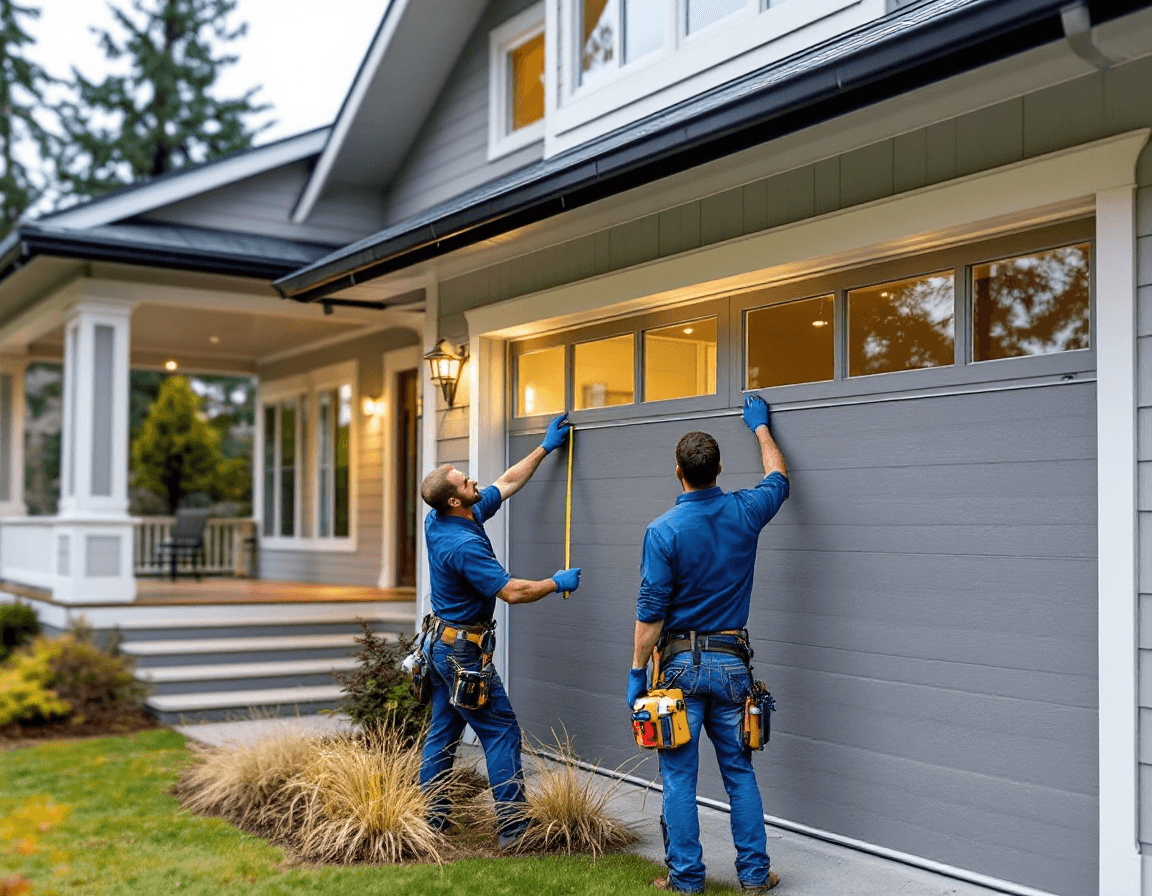
A professional installation begins with a site visit to measure the opening, inspect the header and walls, and check the condition of any existing hardware you plan to keep. The technician will confirm the door's weight, the spring system, the track configuration, and the type of opener that fits your garage and your daily use. From there, the old door is removed safely, the opening is prepared, and the new door is assembled and fitted with its tracks, rollers, hinges, and seals. Final steps include balancing the door, setting limit switches, testing the safety reversal system, and walking you through operation and basic care.
- On-site measurement of width, height, headroom, and back-room depth
- Inspection of the header, framing, and wall condition at the opening
- Safe removal of the existing door and any worn hardware
- Assembly, track installation, and hinge and roller alignment
- Spring installation and balancing, performed only by licensed technicians
- Opener mounting, limit setting, and safety reversal testing
- Walkthrough of operation, maintenance schedule, and warranty details
Understanding What Drives the Price From $950 to $3,800+
The installed price range of roughly $950 to $3,800 or more reflects several variables. The door material and style matter most, since a basic insulated steel door costs less than a carriage-style design with decorative hardware or a large glass aluminum system. The size of the opening and whether it is a single or double door also influence the total. Insulation level, the quality of the weatherstripping, the type of spring system, and whether a new opener is included all change the final figure. Structural work, such as adjusting a header or reframing an opening for a remodel, is priced separately because it involves additional labor and materials.
- Door material and construction, from insulated steel to wood, glass, or aluminum
- Single-car versus double-car width and overall opening size
- Insulation rating, panel thickness, and sealing package
- Decorative options such as carriage hardware, window inserts, and custom finishes
- Opener upgrades, smart controls, and safety accessories
- Structural modifications needed for remodels or enlarged openings
Every estimate should break out these components so you can see where your money goes and decide which upgrades are worth it for your home.
Safety, Springs, and Why Licensed Technicians Handle the Work
Garage doors store a large amount of energy in their springs, and that energy can cause serious injury if a spring or cable is mishandled. Torsion springs and extension springs under tension should never be adjusted, removed, or replaced by an untrained person. Many homeowners are tempted to try a DIY fix to save money, but a single mistake can cause a spring to release violently or a door to fall. For this reason, every spring, cable, and drum task during a replacement should be performed by a licensed, bonded, and insured technician with the right tools and training.
Safety also extends to the rest of the system. Photo-eye sensors should be aligned and tested, the auto-reverse feature should stop and reverse the door when it meets an obstruction, and the emergency release should be explained so you know how to disconnect the opener during a power outage. Keep children and pets clear of the door while it is moving, and never use a door that makes unusual noises or moves unevenly without having it inspected. A professional installation includes these checks as a matter of course, and we are glad to walk you through them before we leave.
Replacing a garage door is a practical, lasting improvement when the old one has reached the end of its life, and it gives Sumner homeowners a chance to improve comfort, security, and curb appeal in one project. If you are weighing a new insulated steel door, a carriage-style design, a wood or glass option, or an aluminum system for a modern remodel, our team can measure your opening, explain your options honestly, and provide a clear installed price. Call (888) 799-3819 to schedule a free estimate, and we will help you choose a door that fits your home, your budget, and the Pacific Northwest weather you live with every day.