
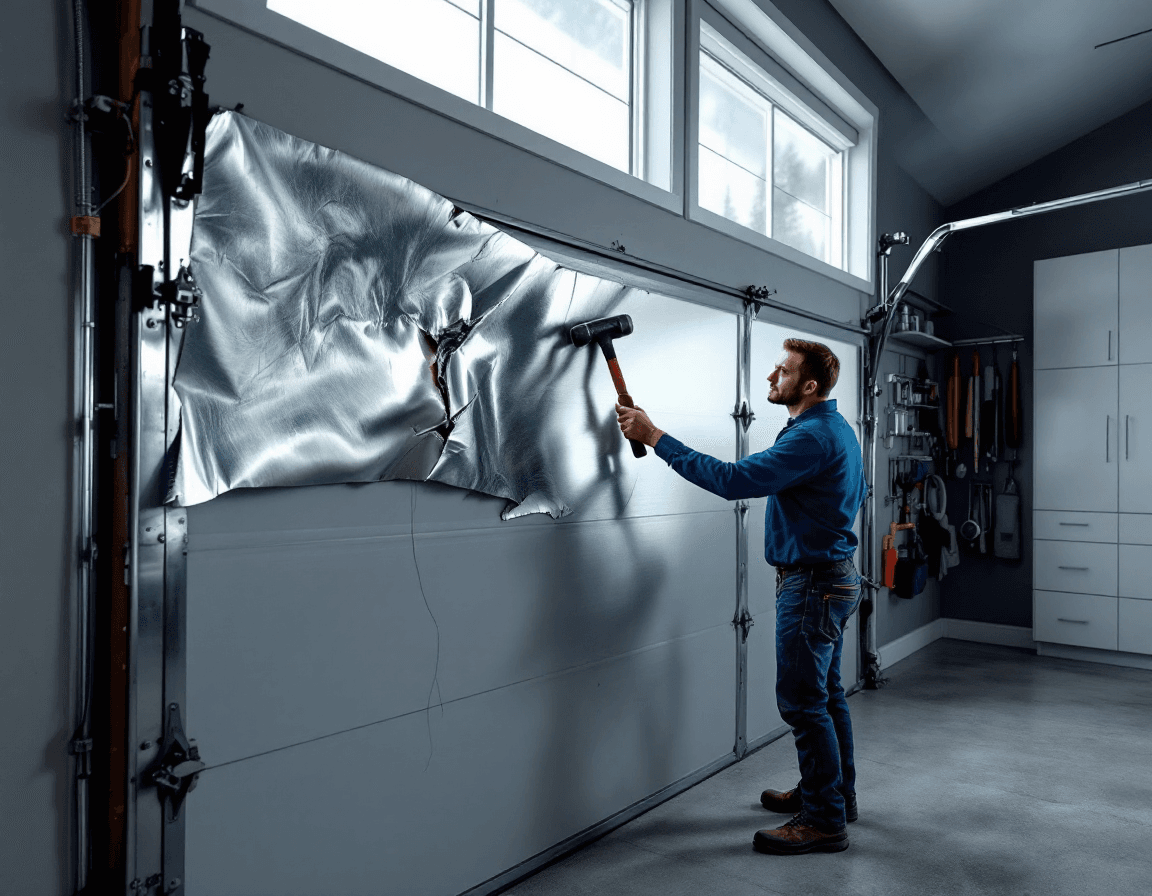
Garage door panel replacement in Pacific, WA is often the most practical fix when one section of your door is damaged but the rest of the system still works. Pacific homeowners in the 98047 area deal with the same mix of wet winters, sun-faded driveways, and busy family schedules as neighbors across King County. When a panel is dented, cracked, or rotting, you usually do not need a new door, and a qualified technician can often swap out just the affected section. Our team at Seattle Garage Door Fix handles these repairs for homes throughout the city and nearby neighborhoods.
A damaged panel can look like a bigger problem than it is, or it can hide a more serious issue. A dent on the lower section might be purely cosmetic, while a crack near a hinge can affect how the door tracks and balances. That is why a careful inspection matters before anyone orders parts. In this guide, we explain what panel damage usually means, how Pacific's climate affects different door materials, what replacement involves, and when repair makes more sense than replacement. If you are unsure what you are looking at, call us at (888) 799-3819 and we will help you sort it out.
Reading the Dent: What a Damaged Panel Tells a Technician
A dent is more than a flat spot on the metal. Many steel garage doors are built with multiple sections, each one a sandwich of an outer skin, an inner skin, and often a layer of insulation. When a backing vehicle or a stray basketball pushes into one panel, the force can crimp the seam, separate the insulation from the skin, or bend the reinforcing ribs that keep the section rigid. A technician looks at the depth, the location, and whether the metal has creased or stretched before deciding what the right fix is.
Dents near the edges are especially worth checking. If the damage sits along the top or bottom edge of a section, it can interfere with the rollers, the hinge brackets, or the weatherstripping that seals the door against the floor. Even a small dent can cause a door to rub in its track, which leads to noise, uneven movement, and extra wear on the opener. A good inspection checks the panel alongside the hinges, rollers, and track alignment so nothing gets overlooked.
Cracks deserve close attention. A hairline crack in a painted steel skin may be a surface issue, but a split that runs through the inner skin or foam core is a structural weakness. Wood and composite panels can split along grain lines, and cracked vinyl or fiberglass sections often need full replacement rather than a patch. Taking a few clear photos of the damage before your appointment can help us prepare the right parts list.
Water, Moss, and the Wet Seasons Around Pacific
Western Washington winters bring long stretches of rain, and that moisture is hard on garage doors. Water that wicks into the bottom section can sit against the metal or wood for weeks, especially when the door closes against a worn threshold seal. Over time, this encourages rust at the edges of steel panels and softens wood panels from the inside out. Homeowners often notice the problem as a soft spot, a bubbling paint line, or a faint musty smell when they open the door on a damp morning.
Moss and mildew add another layer of concern. Shaded driveways and north-facing garage doors can stay damp long after a storm passes, and the growth that forms along the bottom panels can trap moisture against the surface. Cleaning helps, but if moisture has already penetrated the core of a panel, scrubbing alone will not restore its strength. We recommend checking the bottom two sections after every wet season, paying close attention to the seams where water tends to collect.
Pacific sits in a part of King County where temperatures swing enough to stress materials across the year. Cold snaps cause metal to contract, while summer heat expands it, and that repeated movement can open small gaps at seams and fasteners. Those gaps let in more water, creating a cycle that can turn a minor cosmetic problem into a rotted or rusted section. Addressing a small rust spot early often costs far less than waiting until the panel fails.
Bottom Sections Take the Hardest Hits
The bottom panel of a garage door is the most exposed part of the system. It sits closest to the driveway, where tires, snow shovels, lawn equipment, and rolling bins can strike it. It also absorbs more moisture from splashing rain and from water pooling against the threshold. For these reasons, a damaged bottom section is one of the most common reasons homeowners in Pacific call us for panel replacement.
Impact damage on the bottom section often shows up as a crease that runs across the full width of the panel, sometimes with the insulation pushed out of place. Water damage tends to appear as rust streaks, swollen edges, or flaking paint near the floor line. In some cases, both problems appear together, because a dent creates a small opening where water can get into the core. A technician checks whether the damage is limited to one section or whether the adjacent panel has also been stressed.
Because the bottom section carries weight from the rest of the door, replacing it requires careful handling. Technicians typically support the door and confirm that the springs and cables are in a safe, stable condition before any hardware is loosened. This is one of the main reasons we recommend leaving the work to licensed professionals rather than attempting a do-it-yourself swap.
When a Panel Can Be Straightened and When It Cannot
Not every dent calls for a new section. Shallow dents in steel skin, particularly those that have not creased or separated from the insulation, can sometimes be pushed back into shape and refinished. A technician will evaluate whether the metal has been stretched too far, because stretched steel rarely holds its original shape and may show waves or ripples after repair. If the dent is cosmetic and the door operates smoothly, a repair may be all that is needed.
Replacement becomes the better choice when the damage compromises the panel's structure. Cracks through the inner skin, rotted wood, torn insulation that cannot be reattached, and bent ribs that prevent the section from sitting flat all point toward replacement. Sections that have been damaged repeatedly in the same spot can also weaken over time, even if they look acceptable after a single repair. In these cases, swapping the panel protects the rest of the door and avoids a repeat visit next season.
It is also worth thinking about the long term. If a panel is cracked or rotted and the same door has other aging sections, replacing one panel may give you a door that looks uneven. A technician can explain whether the remaining panels are in good enough condition to pair with a new section, or whether a broader upgrade makes more sense.
Matching a Panel That Has Been Sitting in the Sun
Matching a replacement panel is one of the trickiest parts of this job. Garage doors exposed to years of sunlight fade, and the color on an older section may no longer match a fresh panel straight from the factory. Even when the paint looks similar in a store, it can appear noticeably different once it sits next to a panel that has weathered for a decade. Homeowners often notice the difference most on sunny afternoons, when the lower sections reflect light differently from the upper ones.
The door model matters as much as the color. Manufacturers change designs, profiles, and insulation thicknesses over time, and some older models are no longer sold. A panel that looks identical in a photo may have a different thickness, rib pattern, or hinge spacing, which can affect fit. We check the door's model number, section height, and panel style when possible, and we discuss what options are realistically available for your specific door.
When an exact match is not possible, there are practical alternatives. A technician might recommend a replacement section that is close in color and profile, with a plan to refinish the surrounding panels for a more uniform look. In some situations, painting the full door or replacing several sections together provides a better visual result. We will walk you through the tradeoffs so you can decide what matters most, whether that is appearance, budget, or keeping the existing door as long as possible.
What a Single Section Typically Costs ($250 to $800)
Panel replacement pricing in Pacific generally falls in the range of $250 to $800 per section. Where a specific door falls within that range depends on several factors, including the door's material, the section's size, insulation, window or decorative features, and how difficult the part is to source. A standard steel section on a common model will usually cost less than a custom wood panel or a section with glass inserts. Sourcing a discontinued part can also affect the final number.
The condition of the rest of the door can influence cost as well. If the damaged section is the only one with a problem, the job is typically straightforward. If the hinges, rollers, or track are also worn, a technician may recommend addressing those items during the same visit, which can prevent future callbacks. We always present the price before any parts are ordered so you know what you are approving.
Here is a simple way to think about the cost. A dent that can be straightened costs less than a full replacement, and a section that can be swapped in one visit costs less than a door that requires several trips. Ask for an itemized estimate that lists the panel, labor, any hardware, and any repairs to nearby components, so you can compare options clearly.
The Replacement Process, Step by Step
A professional panel replacement follows a predictable sequence. Understanding it can help you know what to expect and ask informed questions. The steps below describe the general approach, though the specifics vary with the door type and manufacturer.
- Inspection and measurement: The technician checks the damaged section, measures its dimensions, identifies the door model if possible, and confirms the condition of the springs, cables, rollers, and track.
- Safety assessment: Before any disassembly, the door is evaluated for stability, and the spring system is confirmed safe to work around. Technicians do not release tension on springs during a panel swap.
- Parts sourcing: The correct replacement section is ordered, compared against the existing panel for fit, and checked for color and profile match.
- Panel removal and installation: The damaged section is separated from its neighbors, the new panel is fitted, and hinges and fasteners are secured to the manufacturer's specifications.
- Alignment and testing: The door is cycled slowly to confirm smooth travel, proper track alignment, and a tight seal at the floor, with the opener tested afterward.
- Finishing and cleanup: Any touch-up paint, weatherstripping, or sealant is applied, and the work area is cleared before you return to normal use.
Most replacements are completed in a single visit, but the timing can change if a part must be ordered. We will let you know the expected schedule during your estimate.
Backing Accidents and the Paperwork That Follows
A single panel damaged in a backing accident is a common scenario. A car reversing out of a driveway, a delivery vehicle clipping the door, or a child's bicycle hitting the lower section can each create a dent that needs professional attention. These incidents can feel stressful, especially when the damage is visible from the street, so it helps to document the situation from the start.
Take photographs of the damage from several angles, including a wide shot that shows the full door and a close-up of the dented area. Note the date and time, and keep any repair estimates or receipts. If another party was involved, exchange information and report the incident to your insurance company if your policy applies. Coverage varies by policy and situation, so review your own policy terms or ask your agent how the coverage works for your home.
Our technicians can provide a written estimate and describe the repair in detail, which may be useful for your records. We do not make coverage determinations, and we recommend checking with your insurer before approving a larger job. Being organized early often makes the process smoother for everyone.
Mechanically Sound Doors That Still Need Attention
Many homeowners assume a damaged panel must mean the door is failing. In reality, a door can move smoothly and still have a section that looks or performs poorly. The opener may run quietly, the springs may be balanced, and the track may be aligned, yet a cracked or rotted panel still needs replacement. Cosmetic damage also affects curb appeal, resale impressions, and the feeling that your home is well maintained.
Doors in this situation are often good candidates for a targeted repair. Replacing one section can restore both the appearance and the weather seal without the expense of a full door. A technician will still check the surrounding hardware during the visit, because a damaged panel can sometimes stress hinges or rollers that appear fine at first glance. Catching a loose hinge early prevents a second problem down the road.
If you notice the door is noisy, lopsided, or slow, schedule an inspection rather than assuming the damage is only on the surface. A short visit can confirm whether the panel is the sole issue or whether other components need attention. Early attention usually keeps the repair simple.
Safety Limits: Why Springs and Tension Belong to Licensed Professionals
Garage door springs store a large amount of energy, and working on them without training can cause serious injury. Panel replacement may seem like a simple job, but removing sections and handling the door's balance system can expose you to moving parts and tension. This is why we always recommend a licensed, bonded, and insured professional for any work that involves springs, cables, or heavy panels.
Certain warning signs mean you should stop and call for help right away. If the door is off track, bent, leaning, or sitting unevenly, do not try to force it open or closed. If you hear a loud snap, see a gap in a spring, or notice a cable frayed or hanging loose, keep people and pets away from the door. These conditions can change quickly, and attempting a fix can make the situation more dangerous.
- Do not attempt to adjust, remove, or release spring tension yourself.
- Do not remove panels from a door that is not fully supported and stable.
- Keep children and pets clear of the door during any inspection or repair.
- Disconnect the opener only as directed by a technician, and never rely on the opener to hold a damaged door.
- Call a licensed professional if any part of the door looks bent, cracked, or out of alignment.
Our team uses proper equipment and procedures for every job, and we are happy to explain each step so you feel confident about the work being done.
Choosing Between Panel Repair and a Full Door Replacement
Sometimes the question is not whether to replace a panel but whether a new door would make more sense. A single damaged section on a relatively young door usually points toward panel replacement. An older door with several rotted sections, failing hinges, worn springs, and a faded finish may be a better candidate for full replacement. The age of the door, the number of damaged components, and the availability of matching parts all play a role.
Consider how long you plan to stay in your home and how much the door's appearance matters to you. A panel swap is often the most economical choice when the rest of the door is sound and a close match is available. A full replacement can offer a fresh look, updated insulation, and a single consistent finish, but it represents a larger investment. We will help you weigh these factors honestly, including whether the cost of ongoing repairs is adding up.
Whatever you decide, a clear inspection is the best starting point. We can explain your options, provide written estimates, and help you plan the work around your schedule. Homeowners in Pacific and nearby neighborhoods rely on us for practical advice, and we aim to recommend only what your door truly needs.
Ready to talk through a dented, cracked, or water-damaged panel? Call Seattle Garage Door Fix at (888) 799-3819 to schedule an inspection for your Pacific home. Our licensed, bonded, and insured technicians will assess the damage, explain your repair-versus-replace options, and give you a clear estimate before any work begins.