
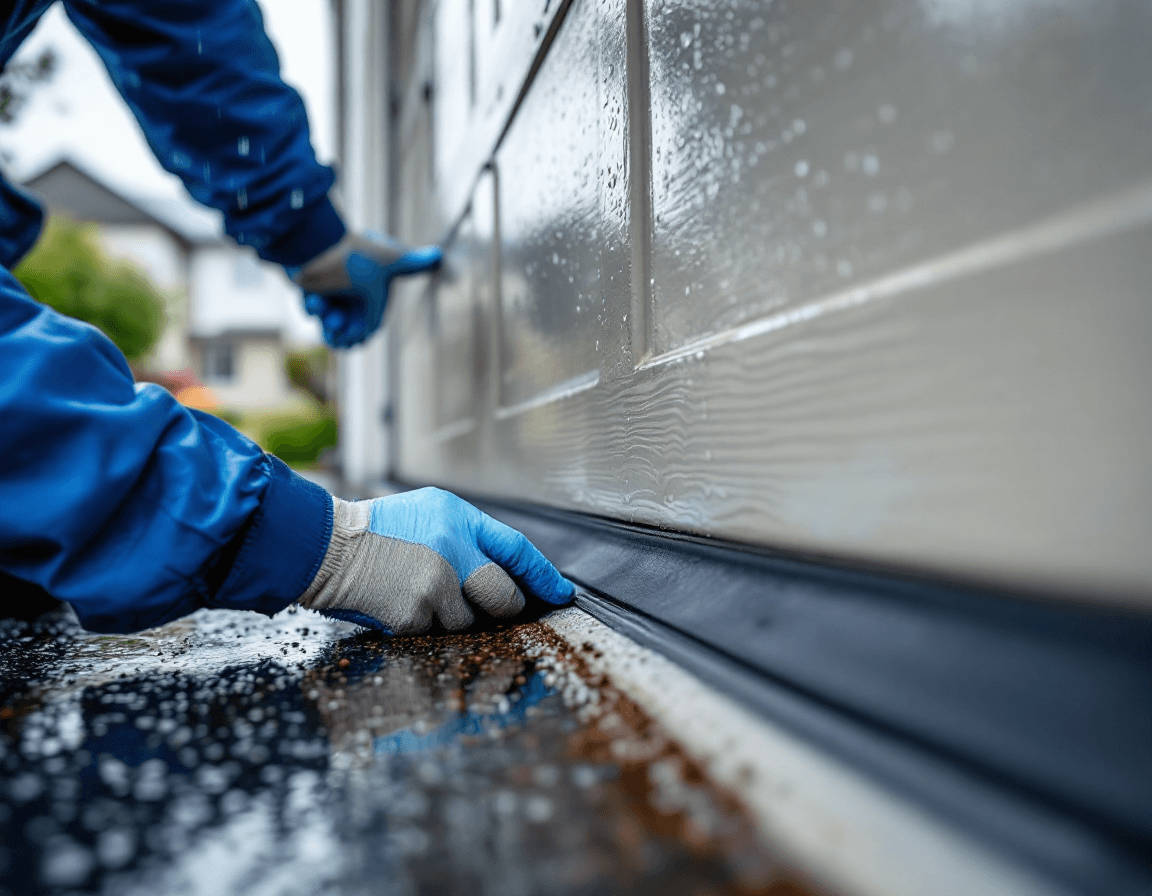
Few things make a Bremerton garage feel as unwelcome as stepping inside on a gray February morning and finding a damp stripe across the concrete. Garage door weather seal replacement in Bremerton, WA is one of the most practical repairs a homeowner can schedule, because a worn bottom seal, a cracked threshold, or tired perimeter weatherstripping lets in water, cold air, leaves, and pests long before the door itself shows any real wear. The good news is that these components are inexpensive compared with most garage repairs, and a careful installer can usually restore a tight seal in a single visit.
Our crews at Seattle Garage Door Fix work across Kitsap County every week, and the calls we get from Bremerton homeowners have a familiar rhythm. Someone notices daylight at the base of the door, or a puddle that appears after every south wind, or a utility bill that climbed without explanation. Most of the time the cause is not a broken opener or a failing spring. It is a seal that has done its job for years and is now cracked, flattened, or simply gone. This page explains how those seals fail, what replacement involves, what it typically costs, and how to tell whether your garage needs one.
Throughout this guide you will find notes about Bremerton's weather, its older housing stock, and the neighborhoods our technicians drive through regularly, including East Bremerton, Manette, and the homes around Kitsap Lake. Specific details matter here, because a seal that lasts a decade in a dry inland town may fail in four years on a windward lot near the water. Read on for a practical picture of what your garage needs and how to get it fixed correctly.
Why Bremerton Garages Take Wind-Driven Rain So Personally
Bremerton sits on the western shore of the Kitsap Peninsula, and that position shapes nearly everything about how a garage door ages. Winter storms often arrive from the southwest, pushing rain sideways rather than straight down. A door that sheds vertical rain well can still admit water at the bottom when the wind drives moisture under the panel and across the threshold. Homeowners often assume the problem is a leak in the roof or the siding, when the real source is a seal that no longer touches the concrete along its full width.
The Pacific Northwest also delivers long stretches of cool, damp weather rather than brief dramatic storms. Those conditions keep rubber and vinyl perpetually moist, and moisture encourages the slow breakdown of seal materials, especially where dirt and organic debris sit against them. Many Bremerton garages have sloped driveways or aprons that channel runoff toward the door, which means the bottom seal may be working against a steady flow of water for months at a time. A seal that looks acceptable in July can reveal its weakness by late November.
Older homes in established neighborhoods sometimes have garage floors that are not perfectly level. A slab that has settled a fraction of an inch, or an apron that has heaved, can leave a gap that no single seal fully bridges. When we inspect these properties, we often find that the seal itself is only part of the story, and that correcting the gap requires matching the seal profile to the actual floor condition. Honest installers will tell you when a seal alone will not solve the problem.
Reading the Gap: A Five-Minute Check You Can Do Tonight
Before calling anyone, you can learn a surprising amount about your door with a flashlight and a dry afternoon. Close the door fully, turn off the lights inside, and have someone watch from outside while you shine the light along the bottom edge. If you see daylight in more than a thin line, or if the glow appears in patches, the bottom seal is likely compressed, torn, or missing in those spots. Repeat the test along both sides and across the top, because perimeter weatherstripping can fail independently of the bottom seal.
Pay attention to the material as well as the gap. Bottom seals made from vinyl or rubber often develop a chalky surface, fine surface cracks, or a stiff, brittle edge when they have aged. A seal that bends easily when you press it with a gloved thumb is generally still serviceable, but one that snaps or crumbles has reached the end of its useful life. Look for sections that have pulled away from the retainer channel, since a seal that has slid sideways will never sit flat against the floor no matter how carefully you adjust it.
Here are the signs that most reliably point toward replacement rather than simple cleaning:
- Visible daylight under the closed door along more than a few inches of the bottom edge
- A seal that cracks, crumbles, or breaks when flexed gently
- Water tracks, dried mineral lines, or fresh puddles on the garage floor after rain
- Perimeter strips that have torn loose, flattened, or shrunk away from the door frame
- Leaves, grit, or small insects accumulating along the threshold after each windy week
If you find several of these at once, the seals are almost certainly due for replacement. Note the approximate width of your door and whether it is a single or double panel, because those details will matter when a technician quotes the job.
Bottom Seals, Perimeter Strips, and Thresholds Explained
The phrase "weather seal" covers three related components, and understanding the difference helps you ask better questions. The bottom seal is the flexible strip fastened to the lowest section of the door. It presses against the floor when the door closes and does most of the work of blocking water, wind, and pests. Bottom seals come in several profiles, including T-shaped, bulb, and flat-fin designs, and the correct profile depends on how your door's bottom panel is built.
Perimeter weatherstripping runs along the vertical jambs and across the header, creating a seal between the door panels and the surrounding frame. In many Bremerton homes these strips are made of vinyl, foam, or a brush-style material, and they do more than stop drafts. They also reduce the amount of wind-driven spray that reaches the inside face of the door, which protects stored items and keeps the lower panels drier. When perimeter strips wear out, you often feel a cold stream along the sides on windy days even when the bottom seal looks fine.
The threshold is the fixed strip on the garage floor where the door meets the slab. On some installations it is a separate aluminum or vinyl piece that can be replaced independently. A damaged or uneven threshold can defeat even a brand-new bottom seal, which is why good technicians inspect the floor-level interface rather than simply swapping the rubber. Replacing all three components together is often the most cost-effective approach on an older door, because the labor to reach them is largely the same.
How Salt Air and Moss Shorten the Life of Your Seals
Bremerton's proximity to Puget Sound brings salt-laden air and a constant cycle of wetting and drying, both of which accelerate the aging of door seals. Salt residue settles on surfaces and can dry out rubber over time, making it less flexible. Along waterfront-adjacent streets and in neighborhoods with direct sightlines to the water, we see seals fail earlier than the same product does on an inland property. Rinsing the lower portion of the door during dry spells helps remove residue that would otherwise sit against the seal.
Moss and algae are another regional factor. The damp shade common under mature conifers in Kitsap County encourages growth on driveway aprons and garage thresholds. A thick green film can prevent a seal from seating properly, and the organic material holds moisture directly against the rubber. Keeping the threshold area clear of needles, moss, and accumulated grit is one of the simplest ways to extend seal life, and it takes only a few minutes with a stiff broom and a hose.
Temperature swings also matter. Bremerton winters are mild by national standards, but cold snaps still stiffen rubber and vinyl, and summer heat can soften some low-grade compounds until they deform permanently. A seal that was cut to length during a cool spring may shrink or stretch through a warm August. This is one reason we recommend choosing materials rated for outdoor exposure and checking seal fit at least once a year, ideally before the rainy season sets in around October.
Honest Pricing From $95 to $250
Garage door weather seal replacement in Bremerton typically falls within a range of $95 to $250, and the final figure depends on several factors. The seal type is the largest variable. A standard vinyl bottom seal for a common single-car door costs less than a reinforced rubber profile designed for a heavier, insulated double door. Perimeter weatherstripping adds material and labor, and a threshold replacement may be added if the existing strip is damaged or misaligned.
Door width changes the price as well. A wide two-car door requires more linear material and more time to fit evenly across the span. Older doors sometimes need the retainer channel cleaned, straightened, or partially replaced before a new seal can sit correctly, and that preparation work adds to the total. If the gap is caused by floor unevenness rather than a worn seal, the technician may recommend a different profile or an additional adjustment, and that conversation should happen before any parts are ordered.
We believe you should know what you are paying for before the work begins. A reputable quote will name the seal type, explain whether perimeter strips and the threshold are included, and describe any conditions that could change the final price. If a technician cannot tell you what the number covers, ask again. Our goal is a seal that works through the next several rainy seasons, not a cheap fix that fails by the following winter.
Drafts, Heating Bills, and the Cost of an Open Garage
Many Bremerton homeowners first notice a failing seal not because of water but because of the cold. An attached garage that leaks air at the bottom and sides allows heated or semi-heated air to escape, and the chill often migrates into adjoining rooms, particularly laundry areas, mudrooms, and kitchens built along the garage wall. Over a long wet season, that lost warmth can show up as higher heating costs and a house that never quite feels comfortable.
Drafts also make the garage itself harder to use. A cold, damp space discourages you from working on projects or storing items you care about, and moisture that enters through a gap can gradually affect cardboard, wood, paint, and stored electronics. If you run a dehumidifier or space heater in the garage, a leaky door forces both to work harder and may shorten their lifespans. Sealing the perimeter tends to make the entire space feel more stable, which is a benefit that does not appear on a repair invoice.
It is worth being realistic about expectations. A new seal will reduce drafts substantially, but it will not turn an uninsulated door into an energy-efficient one. If your garage is attached and you notice persistent cold spots, you may benefit from pairing the seal work with insulation or a discussion about the door's insulation rating. We are glad to give an honest assessment of what the seal alone can accomplish and where other improvements might make sense.
Keeping Pests, Leaves, and Storm Debris Outside
Few things are more frustrating than discovering mice in a stored box of holiday decorations or finding a pile of wet fir needles inside the garage after a windstorm. Gaps at the bottom of the door create an easy entry point, and pests in the Pacific Northwest are quick to exploit them. Rodents can squeeze through openings that look surprisingly small, and insects follow the warmth and shelter of a garage that stays open to the outdoors.
Leaves and debris behave in a similar way. Wind pushes fir needles, alder leaves, and grit under a loose seal, where they accumulate and keep the bottom edge from closing properly. Over time, that debris can wear the seal faster and create a permanent wedge that holds the door slightly off the floor. Clearing the threshold regularly helps, but the more lasting solution is a seal that closes firmly enough to keep debris from getting underneath in the first place.
A tight seal does not replace good pest management, and it is wise to keep food stored in sealed containers and to check the garage periodically for signs of activity. Still, closing the entry points is usually the most effective first step. Once the seal is restored, you may find that the pest activity you were tolerating simply stops, which is a result that surprises many homeowners who assumed the problem was elsewhere.
Neighborhood Notes: East Bremerton, Manette, and Kitsap Lake
Our technicians serve many parts of Bremerton, and each area has its own character when it comes to garage doors. East Bremerton includes a mix of older single-family homes and newer infill, and many properties have driveways that slope toward the garage, which means runoff sometimes pools right at the threshold. In these neighborhoods we often find bottom seals that have been battered by standing water and need a sturdier profile to handle the constant contact.
Manette, across the Port Washington Narrows from downtown, has a distinctive feel shaped by its waterfront views and tightly built lots. Homes there frequently sit close to the street and receive strong wind exposure, so perimeter strips in particular can loosen faster than they do in more sheltered areas. Technicians working in Manette pay close attention to the sides and header, because wind-driven spray often reaches the top corners before it reaches the floor.
The neighborhoods around Kitsap Lake tend to be more wooded, with mature trees that drop needles and cones onto roofs and driveways throughout the year. That debris finds its way to the garage threshold and into any gap at the bottom of the door. Moisture in the shade also encourages moss growth along the apron. In these areas we often recommend a seal designed to resist debris buildup and a simple maintenance routine that keeps the threshold clear. Whatever part of town you live in, we will look at the specific conditions on your property rather than applying a one-size answer.
What Happens During a Professional Seal Replacement
A typical visit begins with a full inspection of the door, not just the bottom edge. The technician checks the bottom seal, the perimeter strips, the threshold, the retainer channels, and the floor-level contact along the entire width. We also look at the door's alignment and the condition of the panels, because a door that sags or tilts will wear seals unevenly no matter what material is installed. If the inspection reveals a problem outside the seal scope, such as worn rollers or a damaged track, we explain what we found and what it would take to address it.
Once the inspection is complete, the old seal is removed and the channel is cleaned. This step is more important than many homeowners realize, because old adhesive, grit, and corrosion can prevent a new seal from seating correctly. The replacement strip is then cut to the exact width of the door, fitted into the channel or fastened to the panel, and adjusted so it compresses evenly when the door closes. The technician tests the fit by closing and reopening the door several times and checking for light and resistance along the full span.
Safety is part of every step. Seal replacement does not require adjusting springs or cables, and it should never be attempted by a homeowner working on a door under tension. Spring and cable work is dangerous and must be handled by a licensed professional with the proper tools and training. If a seal repair reveals a spring or cable concern, our technicians will stop and explain the situation rather than improvising. Keeping the work within safe boundaries is part of how we protect the people in your home.
Simple Habits That Extend the Life of Your Seals
A new seal lasts longest when it receives modest, regular attention. Once or twice a year, usually in early fall and again in late spring, clear the threshold of debris, rinse off salt residue and grit with a garden hose, and scrub away any moss or algae with a stiff brush. Avoid harsh solvents or petroleum-based cleaners, which can soften or swell rubber and vinyl over time. A mild soap solution and clean water are enough for most seals.
Test the door's closing action periodically as well. Close the door slowly and watch whether the seal compresses evenly along the floor. If one corner or one section seems to lift, that is an early warning that the door may need adjustment or that a particular panel is no longer seating properly. Catching these issues early often prevents a small problem from becoming a full seal replacement. Check the perimeter strips too, since a loose end flapping in the wind is easy to notice and simple to correct before it tears.
Finally, consider the timing of your inspection. Many Bremerton homeowners find it helpful to check the door before the wettest months arrive, because a seal that is marginal in September will almost certainly fail under the steady rain of December. A quick assessment in early fall gives you time to schedule repairs during a calmer part of the year, and it avoids the frustration of discovering water on the floor after a storm has already passed.
Where We Provide Garage Door Seal Service Across Bremerton
Seattle Garage Door Fix provides garage door weather seal replacement throughout Bremerton and the surrounding Kitsap County communities, including properties within ZIP codes 98310, 98311, 98312, and 98337. Our technicians are licensed, bonded, and insured, and we work on single and double doors of many ages and styles. We serve homes in established neighborhoods, newer developments, and rural-edge properties alike, and we understand that the conditions in one part of town can differ noticeably from another.
We are happy to discuss your situation before scheduling a visit. Describe the gap you have noticed, the type of door you have, and any leaks or pest activity you have observed, and we will help you understand what is likely happening and what a repair might involve. If you are unsure whether your problem is a seal or something more significant, a professional inspection will give you a clear answer without pressure to buy anything you do not need.
If your Bremerton garage is letting in water, cold air, or unwelcome visitors, the sooner the seals are restored, the sooner your home and garage will feel right again. Call Seattle Garage Door Fix at (888) 799-3819 to schedule an inspection and get a clear, itemized quote for your garage door weather seal replacement. We will help you choose the right seal for your door and make sure it closes tight through the next wet season.