
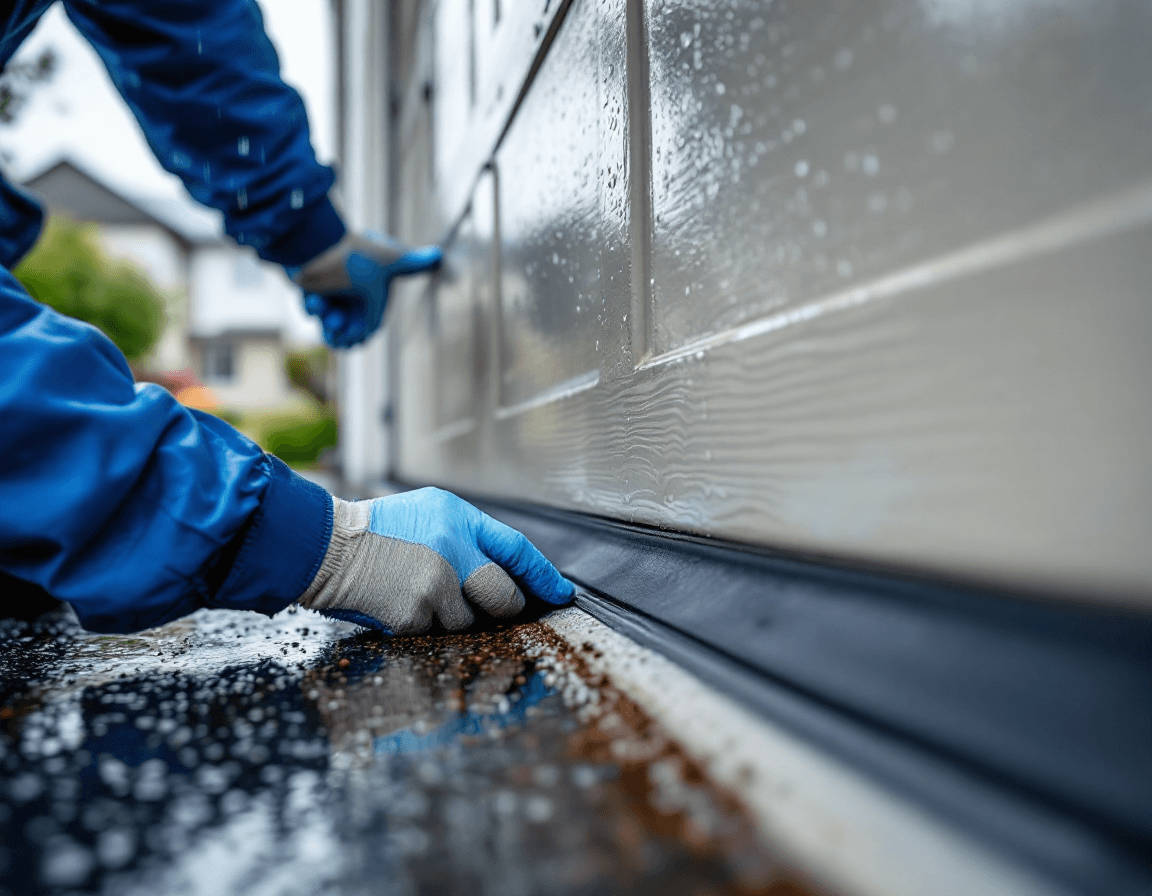
Garage Door Weather Seal Replacement in Normandy Park, WA is one of the most affordable fixes that makes a visible difference in how your garage performs through the year. Homeowners in this part of King County often notice the problem first as a thin line of daylight under the door, a damp stripe on the concrete after a windy storm, or a cold draft that rolls across the floor when they walk through from the house. These are signs that the rubber or vinyl seal along the bottom, sides, or top of the door has stopped doing its job. Replacing those seals is usually a straightforward job, and it protects everything stored behind the door from moisture, dust, and pests.
Our crew works across Normandy Park and the surrounding communities on the Puget Sound shoreline, and we see the same patterns repeat from one street to the next. Garages near the water, close to the cove, or on slopes that funnel runoff toward the door tend to show wear sooner than garages tucked further inland. The combination of salt-laden air, frequent wind-driven rain, and long stretches of damp weather takes a steady toll on any elastomer seal. A seal that looked fine at the end of summer can be brittle and split by the time the first hard winter storms arrive.
This page explains what a worn seal looks like, why our local climate is so hard on it, how bottom seals differ from perimeter weatherstripping and thresholds, and what to expect when you schedule a replacement. Typical seal replacement projects in our service area run from $95 to $250, depending on the seal profile you choose and the width of your door. The final number depends on what your door actually needs once we see it in person. If you would like a clear answer before any work begins, you can call us at (888) 799-3819.
Reading the Gap: A Simple Light Test for Your Closed Door
The easiest way to judge the condition of your bottom seal takes less than a minute. Close the door fully, turn off the garage lights, and have someone stand outside with a flashlight aimed along the bottom edge. If light pokes through in several spots, or in one continuous line across the width of the door, the seal has lost enough material that it no longer closes the gap against the floor. Repeat the test along both sides and the top, because perimeter weatherstripping can fail independently of the bottom seal.
A small amount of light in one corner is common on older doors, especially where the floor has settled or the concrete has chipped. A full-width gap is a different matter, and it usually means the seal has compressed, hardened, or torn away from its retainer channel. Pay attention to whether the gap changes with the season. If the door seems to close tightly in August but leaves a visible line by late October, temperature swings are stiffening the material and pulling it away from the floor. That seasonal pattern is typical of rubber and vinyl in our mild but damp climate.
Look closely at the seal itself while the door is open. Run your fingers along the bottom edge and feel for cracks, flat spots, or sections that have curled upward. Check the ends of the seal where it meets the side tracks, because that is where water often sneaks around. If you can pull a section free with light pressure, the retainer clip or adhesive has failed, and the seal will not hold up to another season of wind without intervention.
- Stand outside with a flashlight and look for light along the bottom edge while the door is fully closed.
- Check both side jambs and the top header for daylight or damp marks on the interior wall.
- Run your hand along the seal to find cracks, brittle sections, or pieces that have pulled loose.
- Note any corners where the seal ends do not meet the track, since water and pests often enter there.
- Watch the garage floor after a windy rain and look for a damp line that follows the door's width.
Why Puget Sound Weather Is Especially Hard on Bottom Seals
Western Washington has a reputation for rain, but the more important factor for garage seals is the combination of moisture, wind, and temperature cycling. Our weather tends to arrive in long, gray stretches with frequent showers and sudden gusts from the southwest, which push water sideways under doors that would shed a straight downpour without trouble. A seal that sits flat in calm weather may lift or fold when the wind drives rain against the door face for hours at a time. Over several seasons, that repeated flexing fatigues the material until it cracks.
The marine air near Normandy Park adds another layer of wear. Salt carried inland from Puget Sound settles on the door, the hardware, and the floor, and it accelerates the breakdown of rubber compounds that were never designed for constant exposure. Garages that open toward the water or sit on the lower side of a lot often show the most deterioration on the exterior face of the seal. You may notice a chalky film or a faint discoloration that does not appear on garages farther from the shoreline.
Temperature swings matter as well. Our winters rarely produce deep freezes, but the cycle of cool, wet nights and occasional mild afternoons causes the seal to expand and contract repeatedly. Over time, vinyl becomes stiff and rubber loses its spring. A seal that once compressed neatly against the concrete begins to leave a gap, and that gap widens as the material continues to harden. Replacing the seal before it fails completely prevents water from reaching the wall framing, the stored items, and the electrical outlets near the floor.
Telling Bottom Seals, Thresholds, and Perimeter Strips Apart
Homeowners often use the word "seal" to describe several different components, and the distinction matters when you request a repair. The bottom seal is the rubber or vinyl strip attached to the lower edge of the door panel. It is the piece that meets the concrete and blocks water, leaves, and insects from crawling underneath. Most bottom seals slide into a retainer channel along the bottom panel, which means replacement is generally a matter of removing the old strip and fitting a new one.
Perimeter weatherstripping runs along the sides and top of the door opening, typically on the door jambs and header. It seals the gaps between the moving panels and the stationary frame, and it is responsible for stopping drafts that enter from the edges rather than the bottom. Perimeter strips are often made of foam, vinyl, or a flexible brush material. They compress when the door closes, so they can look fine from a distance while still allowing air through worn sections.
A threshold seal is a separate component, usually found on the garage floor just inside the door. Some garages have a raised metal or composite threshold that the bottom seal rides over, and others have a flat floor where a threshold strip or adhesive seal is installed to bridge small irregularities. When a threshold is cracked or the adhesive has lifted, water can pool at the base of the door even when the bottom seal is intact. We inspect all three components during a seal visit, because fixing only one often leaves the others to cause the same problem.
Water Intrusion and the Low Spots That Collect Runoff
Rain getting into a garage is one of the most common reasons homeowners call us about seals, and it is often misdiagnosed. A damp line on the floor is usually evidence of a failed bottom seal, but water sometimes enters from a slope in the driveway, a clogged gutter, or a grading issue that sends runoff directly toward the door. Before replacing a seal, we look at where the water is coming from. A new seal will not solve a driveway that drains into the garage, but it will stop the intrusion that a seal is designed to prevent.
Many properties in our area have sloped approaches or drainage patterns shaped by the lay of the land near the water. When rain runs down a driveway and hits a worn seal, it can wick under the door in surprising volumes during a long storm. Homeowners sometimes notice water on the floor only after wind-driven rain, while calm showers leave the floor dry. That pattern points strongly toward a seal that is lifting in high wind rather than a leak from above. Recording when the water appears can help a technician narrow the cause quickly.
Water that enters through a failed seal can cause more damage than most people expect. It soaks cardboard boxes, damages stored holiday decorations and paper goods, and encourages mildew on the lower sections of drywall and wood framing. It can also reach the bottom of a steel door panel and start corrosion at the hinges and rollers. Acting early on a seal is inexpensive compared with replacing a water-stained wall board or a rusted bottom bracket.
Drafts, Heat Loss, and What Your Energy Bill Might Be Revealing
A garage that is attached to the house can feel surprisingly cold, and that chill often travels straight into the rooms above and beside it. If you notice that the laundry room or kitchen on the garage side is colder than the rest of the house, or that the floor near the door feels noticeably chilly in the morning, a failed bottom seal or perimeter strip may be letting outside air pour in. The effect is especially noticeable on windy days, when pressure differences push air through every small gap.
Energy bills rarely point directly to a garage seal, which is why the problem can go unnoticed for years. Heating systems in attached living spaces work harder when cold air keeps flowing through the garage, and that extra demand can show up as higher usage during the winter months. We do not promise specific savings, because every home is different and the amount of heat loss depends on insulation, the size of the gap, and how often the door is opened. What we can say is that sealing a meaningful air leak is a practical step toward a warmer, more comfortable home.
Drafts also affect the garage itself. Cold air moving across the floor makes it harder to keep a workshop comfortable and can cause condensation on tools and stored equipment when humid outdoor air meets a cold surface. A tight seal reduces that exchange, which helps the garage stay drier and more stable throughout the year. Homeowners who use the space for hobbies, vehicle storage, or home workshops often find that the improvement is noticeable within the first few cold weeks after a replacement.
Pests, Leaves, and Fine Dust Finding Their Way Under the Door
Western Washington's mild climate supports a steady population of insects, slugs, rodents, and other small animals that look for shelter from wind and rain. A worn bottom seal gives them an easy way in. Mice and rats are the most concerning visitors, because they can chew through stored materials, nest in insulation, and leave droppings near food storage or pet supplies. Spiders and earwigs often slip through the same gaps, and they can become a frequent nuisance in the corners of the garage.
Leaves and debris are another common problem, especially in neighborhoods with mature trees. Fallen needles, alder leaves, and small twigs collect at the threshold and get pushed under a damaged seal by the wind. Over time, that debris builds a small ridge that prevents the door from closing fully, which in turn strains the seal and the opener. Fine dust from the street and driveway works its way in through the same openings, settling on tools, shelves, and vehicle paint.
When we replace a bottom seal, we check for debris trapped in the retainer channel and clear it before installing the new strip. A clean channel helps the seal sit flat and reduces the chance of a premature failure. If pest activity is significant, we recommend pairing seal replacement with a review of other entry points, such as gaps around utility penetrations and the lower corners of the garage walls. Sealing the door is one important step, but it works best as part of a broader approach to keeping the space dry and closed off from unwanted visitors.
Materials and Profiles That Hold Up in Salt Air and Wet Weather
Not every seal is suited to the coastal conditions found in Normandy Park. Standard rubber profiles can perform well for years when they are properly matched to the door and kept clean, but they may harden faster in areas with heavy salt exposure. Vinyl seals are widely used because they resist moisture and are generally affordable, although they can become stiff in cold snaps if the formulation is not designed for flexibility. Flexible polymer blends are a common choice for homeowners who want a longer service life without a significant jump in price.
The profile of the seal matters as much as the material. Some bottom seals are flat strips that rely on compression against the floor, while others have a bulb or fin design that adapts to minor unevenness in the concrete. A bulb profile can be useful on older garage floors that have settled or cracked, because it fills small irregularities without requiring the floor to be perfectly flat. A fin profile may work well on smooth floors, but it can lose contact more quickly where the concrete has heaved.
Perimeter weatherstripping has its own material choices. Foam tape is inexpensive and easy to install, but it compresses over time and may need replacement more often than vinyl or rubber strips. Brush seals are useful for sliding sections where a solid strip would drag, although they can collect dust and need occasional cleaning. We discuss these options during an estimate and recommend the approach that fits your door design, the amount of wind exposure, and your expectations for long-term performance.
What a Seal Replacement Visit Involves and How Pricing Works
A typical seal replacement visit begins with an inspection of the door, the floor, and the frame. Our technician checks the bottom seal, perimeter strips, and any threshold components, and looks for signs of water, pests, or debris. We also verify that the door balances properly and closes evenly, because a door that hits the floor unevenly or is out of alignment will wear a new seal unevenly too. If we notice a larger issue, such as a damaged panel or a failing roller, we explain it before doing any additional work.
Once the inspection is complete, we measure the door width and identify the correct seal profile. The replacement process generally involves removing the old seal from its retainer, cleaning the channel, cutting the new seal to length, and fitting it so that it compresses evenly against the floor. Perimeter strips are attached to the jambs and header in a similar way, using adhesive or clips depending on the product. Thresholds may require a clean surface and a suitable adhesive before installation.
Pricing for seal work typically falls between $95 and $250. The final figure depends on the seal type and the width of the door, along with whether you need only a bottom seal or a combination of bottom, perimeter, and threshold components. Larger doors and premium materials cost more, while a straightforward bottom seal on a standard single-car door sits at the lower end of the range. We will give you the price in writing before any work begins, so there are no surprises when the job is done.
Scheduling Seal Work Around Western Washington's Seasons
Seal replacement can be done at almost any time of year, but timing affects how well the new material performs. Installing a seal during a cold, damp stretch can make the adhesive slower to cure on thresholds and exterior trim, while very warm weather can make some vinyl strips soft and difficult to handle. For most homes in our service area, early fall and late spring offer the most comfortable conditions for installation. Those seasons also let you address problems before the heaviest rains and windstorms arrive.
Homeowners who wait until the first big storm of the season often discover water on the floor the same week they call. If that happens, we can usually still complete the seal replacement quickly, but it is helpful to clear the floor of boxes and check for moisture in stored items. A quick check of the garage before the wet months begin can prevent a damp surprise and gives you time to schedule the work at a convenient date.
If your garage door has recently been serviced, it is worth mentioning that to us when you book. We can coordinate the seal work with any other maintenance so that the door is inspected once and adjusted as needed. Coordinating visits also helps avoid repeated trips for minor issues that could have been addressed in a single appointment.
Keeping Seals Working Between Visits and Knowing When to Call a Professional
A new seal lasts longer when it is cleaned and inspected periodically. Sweep the threshold and the area just inside the door at least a few times a year to remove grit and leaves, because abrasive debris can wear the seal edge and hold it away from the floor. Wipe the seal with a mild soap and water solution, rinse it, and let it dry. Avoid petroleum-based products, which can soften some rubber compounds and cause them to swell or degrade over time.
Watch the seal after windstorms and heavy rain. A quick visual check can catch a section that has lifted, torn, or pulled out of its channel before water reaches the floor. Keep an eye on the ends of the seal near the side tracks, since those spots are where many failures begin. If you notice a new gap, unusual odor, or evidence of pests, schedule an inspection rather than waiting for the problem to grow.
Some garage door tasks should always be left to licensed professionals. Torsion springs, extension springs, and cables store significant energy and can cause serious injury if they are adjusted or replaced improperly. Seal replacement does not require any work on the springs, but if you find that the door is binding, sagging, or closing unevenly, do not attempt to correct it yourself. Contact a licensed technician, and let us inspect the door as part of the seal visit. For any spring or cable concern, call (888) 799-3819 so a licensed professional can assess the system safely.
Garage door weather seal replacement is a practical, affordable way to keep rain, drafts, leaves, and pests out of your garage through every Normandy Park season. If the light test has shown you a gap, or if water, cold air, or debris has started finding its way inside, we are ready to help. Call (888) 799-3819 to schedule an inspection and get a clear, written price before any work begins.