
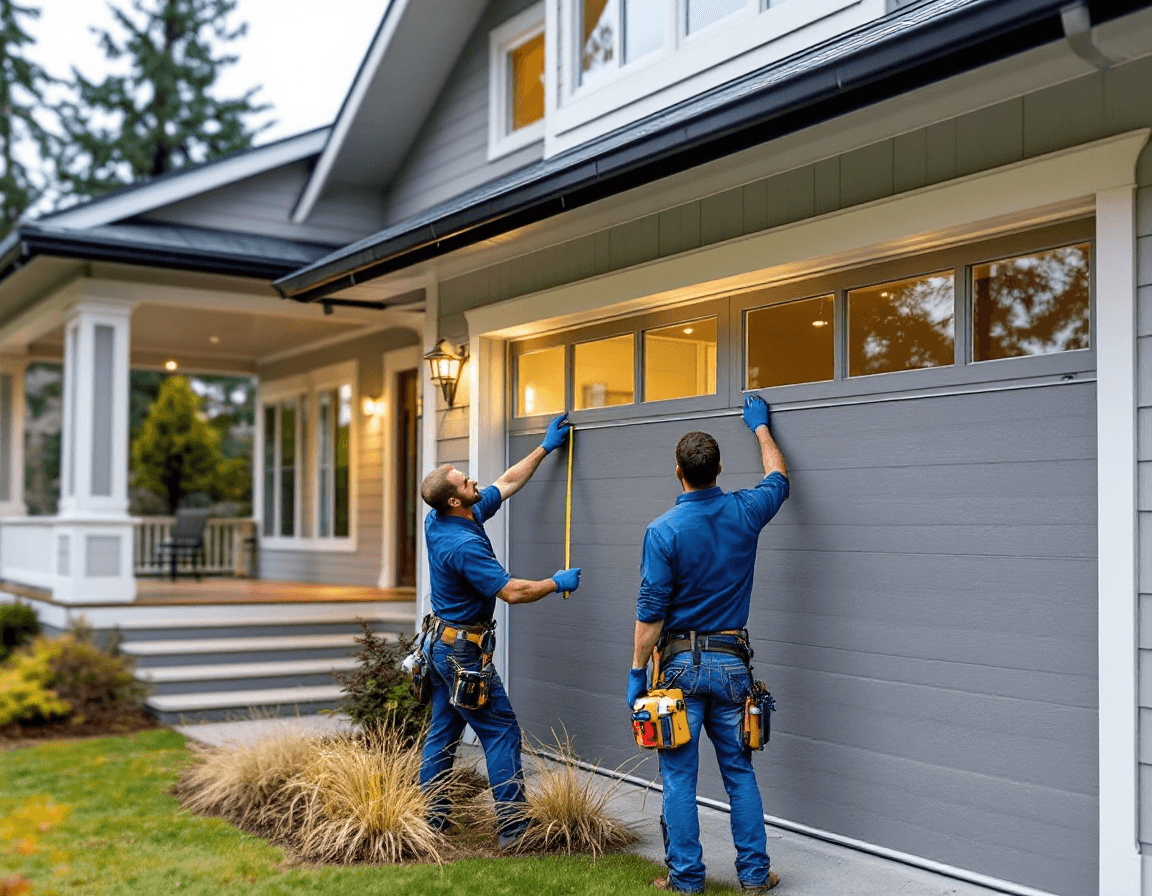
Garage Door Installation & Replacement in Brier, WA is often the right answer when a door has reached the point where another repair call would only delay the inevitable. Brier homeowners live with a mix of older split-level and rambler garages, newer additions, and attached two-car bays that take daily abuse from weather, kids, bikes, and tight turning radii. A door that once carried the household through every morning commute can start to feel unreliable, drafty, or simply tired. This page walks through how to recognize when replacement makes more sense than repair, what Pacific Northwest weather does to different materials, and how to plan a project that fits your home and budget.
Our crews work across Snohomish County and the wider Seattle area, so we see the same patterns repeat from one neighborhood to the next. A door might look fine from the street while the bottom panel has quietly separated, or the springs have fatigued after thousands of cycles. Some homeowners wait until a storm bends a section or a panel warps beyond straightening, and then they are making a rushed decision. Others plan ahead, pick a style they love, and schedule the work during a dry stretch. Both paths can end well, but the second one gives you more choices, more time to compare materials, and fewer surprises on installation day.
Replacement is not always the most expensive or the most sensible move, and a good installer should be willing to tell you when a repair will do. Our pricing for new single and double doors generally runs from about $950 to $3,800 or more installed, depending on the door type, materials, insulation, hardware, and any structural work around the opening. The sections below explain what drives those numbers and how to decide what fits your garage. Wherever safety is involved, especially with torsion springs and cables, we recommend leaving the work to a licensed professional.
When Repair Stops Making Financial Sense
A repair becomes a poor investment when the cost of fixing one problem exposes three more. If a technician replaces a broken cable only to find the bottom bracket is cracked and the top roller tracks are bent, the door is telling you something about its overall condition. Ask yourself whether the door still tracks smoothly, whether the panels are flat, and whether the opener strains to lift it. When the answers point toward a door that is slowly failing in several places, replacement often costs less over the next five years than repeated service calls.
Repeated breakdowns deserve particular attention. A door that has needed service two or three times in a single year is usually aging across multiple components at once. Hinges loosen, rollers wear flat, weatherstripping hardens, and the balance shifts as springs lose tension. Each individual fix may be reasonable, but together they signal that the door has reached the end of its useful life. Replacing it at a planned moment is generally less stressful than waiting for it to fail with the car parked inside.
Damage from storms, falling limbs, or a backing vehicle also tips the scales quickly. A dented panel can sometimes be swapped, but if the damage has bent the frame, cracked the top section, or compromised the track alignment, the repair can be unreliable. Because many older doors are no longer manufactured in the same sizes or styles, matching a single panel may be impossible. In those cases, a full replacement gives you a door that is uniform, insulated consistently, and backed by a current warranty rather than a patchwork.
How Pacific Northwest Weather Shapes Door Choices
Western Washington is not a harsh climate by national standards, but it is persistently damp. Long wet winters, frequent drizzle, and humid stretches in spring and fall create conditions where moisture finds every seam. Garage doors sit at the bottom of the house, where runoff pools near the threshold and where road spray and tracked-in debris accumulate. Over time, that moisture drives rust in steel doors, rot in wood, and swelling or warping in poorly sealed composite panels. Choosing a door with the right finish and bottom seal for this environment matters more here than in drier regions.
Wind is another factor, especially during the autumn and winter storms that roll through the Puget Sound lowlands. A large, uninsulated panel can flex under gusts, and worn tracks or weak hardware can allow the door to rattle or shift. Many manufacturers publish wind load ratings for their doors, and it is worth asking how a specific model performs in your exposure. Corner lots and homes with open views to the west or south may see stronger gusts than an interior lot tucked among taller trees.
Seasonal temperature swings matter as well. Brier garages can run cold through winter mornings and warm in summer afternoons when the sun hits a south-facing door. Metal expands and contracts more than many homeowners expect, which is why good installers set tracks with appropriate clearances and why a quality weather seal should stay flexible across the full range of temperatures. Planning for these swings at the time of installation prevents squeaks, gaps, and binding later on.
Comparing Steel, Wood, Glass, and Aluminum
Insulated steel remains the most common choice for Brier homes because it balances cost, durability, and energy performance. Modern steel doors typically have a foam core bonded to the exterior skin, which adds rigidity and improves thermal performance compared with single-layer panels. Galvanized steel with a factory-applied paint finish resists rust well when the coating is intact, though scratches should be touched up promptly. Steel also offers a wide range of textures and colors, from traditional raised-panel designs to flush contemporary styles.
Wood delivers warmth and character that many homeowners want for a craftsman or carriage-style look. Real wood doors, however, require regular maintenance in a wet climate, including refinishing every few years and careful attention to end grain and bottom edges. Engineered wood and composite options can reduce that upkeep while still offering a convincing grain. If you choose wood, plan for sealing, and ask about the finish system and warranty before you buy.
Glass and aluminum appeal to homeowners who want more natural light or a modern profile. Frosted or tempered glass panels can brighten a dim garage and pair well with sleek architecture. Aluminum frames resist corrosion, which is an advantage in damp weather, but they usually have less insulating value unless paired with thermally broken construction or insulated glazing. Glass sections also need thoughtful placement so they do not create glare for neighbors or a privacy concern at the street.
- Insulated steel: strong all-around choice, good insulation, widest style range, low maintenance when the finish is maintained
- Wood or engineered wood: classic appearance, needs periodic refinishing, best suited to covered or well-protected exposures
- Glass with aluminum frames: maximum daylight, modern look, check insulated glazing if the garage is heated or used as a workspace
- Carriage-style overlays: traditional character on a modern steel or composite base, often a practical middle ground
Reading Insulation Claims and Your Energy Bills
Insulation is one of the most common reasons Brier homeowners upgrade. If your garage is attached to living space, or if you run a heater, workshop, or home gym out there, an uninsulated door can make the entire area feel colder and push utility costs higher. Insulated doors reduce heat transfer through the panels, and a good perimeter weather seal and bottom seal reduce drafts. Together, these features help keep the garage more stable and can make an adjacent room more comfortable.
When comparing doors, look for the manufacturer's listed R-value and understand what it represents. Ratings depend on panel thickness, core material, and construction, and they are usually reported for the door assembly as tested. Be cautious about marketing language that sounds impressive without a stated value. It is also worth asking how the door's insulation performs with the particular window or glass sections you select, since glass generally insulates less than a solid panel unless it is insulated glazing.
Energy savings vary widely from home to home, so avoid promises that a new door will cut your bill by a specific percentage. Real savings depend on how often the door opens, how well the rest of the garage is sealed, whether the garage is conditioned, and what your current door looks like. The most reliable improvement often comes from combining a well-insulated door with new weatherstripping at the sides, top, and bottom, plus a sealed threshold. Our technicians can walk you through the options and explain what you would realistically gain.
Carriage-House Style and Curb Appeal in Brier
Garage doors account for a large share of a home's street-facing surface, so style choices shape how the entire property looks. Many Brier homes have brick, lap siding, or stucco exteriors with simple rooflines, and a door that complements those materials can make a modest house feel polished. Carriage-style doors with grid patterns, faux hardware, and recessed panels have become popular because they echo historic barn doors while still operating on modern tracks. For a split-level or ranch, a flush panel with a slim top window can feel more appropriate.
Color deserves as much thought as profile. Darker tones show dust and water spots less visibly in some settings but can absorb more heat on sunny days, while lighter colors reflect more and often hide weathering better. Consider the trim, siding, front door, and roof color before you choose. Samples viewed in daylight on your own home are far more useful than glossy brochure photos, and we encourage homeowners to look at a sample board outdoors during different times of day.
Hardware is the finishing detail that many people overlook. Decorative handles, hinges, and window grilles can be added or updated during installation, and they should match the home's existing metal finishes where possible. Keep in mind that decorative elements sometimes add cost and should be functional as well as attractive. Choose hardware that is rated for exterior use in a wet climate, and confirm that the mounting method will not compromise panel strength.
Remodels, Additions, and Adding a Second Door
Many Brier projects begin with a remodel or addition rather than a failed door. Converting a single-car bay into a two-car garage, extending the footprint for a workshop, or reconfiguring an entry can all require a new opening, new headers, or a different door size. Adding a second door is a common goal, but it changes the structural load, the opener placement, and the way the wall around the opening is framed. Coordinating with the contractor early keeps the framing, electrical, and door plans aligned.
If your remodel changes the opening, measure carefully and confirm the rough opening dimensions before ordering. Include clearance for tracks, room for the springs, and any headroom needed for the opener rail. Ceiling height, sloped driveways, and the location of overhead ductwork or water heaters can all limit door options. A site visit before final design usually prevents expensive rework.
Permitting may also come into play, depending on the scope of work and local requirements. Structural changes, electrical work for a new opener, and alterations near property lines can trigger review. Check with the City of Brier or Snohomish County before you start, and ask your installer how they handle permit coordination. A reputable contractor will be clear about what is included and what remains your responsibility.
Inside a Typical Installation Day
A well-run installation day follows a predictable sequence, which helps you know what to expect. The crew typically arrives, protects the driveway and nearby walls, and removes the old door in a controlled way. Old springs and cables are a serious hazard, and removal should always be handled by trained technicians who understand the tension involved. Once the opening is clear, the crew checks the header, jambs, and tracks for square and level, and corrects any issues before the new door goes in.
Next comes assembly and mounting. Sections are fitted, hinges and rollers installed, and the track hung to the manufacturer's specifications. The springs are then sized and installed, and the door is balanced so it lifts smoothly by hand and stays put when partially open. Opener installation, if included, follows with limit settings, safety reversal testing, and remote programming. Weatherstripping and the bottom seal are adjusted last, because they need the door in its final position to seal correctly.
Most homeowners are surprised by how much attention goes into final testing. The technician should run the door through several full cycles, check the auto-reverse sensors, confirm that the door is not binding, and walk through maintenance tips. Ask for a walkthrough of the warranty and how to care for the finish. A good crew leaves the area clean and explains any minor adjustments you may notice during the first few weeks as the door settles.
Budgeting for a Door That Fits Your Life
The price range for new garage doors is wide because the variables are significant. A basic insulated steel single door in a standard size will sit at the lower end of our range, while a custom double with glass, decorative hardware, heavy insulation, and a premium opener can climb toward the top. Structural modifications, unusual sizes, and removal of old materials can also add to the total. Our quoted range of about $950 to $3,800-plus reflects these differences rather than a single standard package.
- Door size and whether it is single or double width
- Core material and insulation rating
- Exterior finish, texture, and any carriage-style overlays
- Glass sections, insulated glazing, and frame material
- Track type, spring system, and warranty level
- Opener selection, smart features, and battery backup
- Structural header or framing changes
- Old door removal and disposal
When comparing estimates, make sure each one lists the same scope. One quote may include the opener, sensors, and removal while another leaves them out. Ask whether the price covers permits, weather seals, and a full testing walkthrough. A lower number that excludes key parts can end up costing more once the add-ons appear. Clear, itemized quotes make it easier to see where your money goes and which features are worth the investment.
Questions to Ask Before You Sign
Choosing the right installer protects your investment, your home, and your household. Start by confirming that the company is licensed, bonded, and insured, and ask for proof before work begins. Request a written estimate that spells out the door model, materials, warranty terms, and what is included in the price. A professional installer will be comfortable answering detailed questions and will not rush you into a decision.
Ask how the crew handles safety, especially when old springs and cables are involved. Spring tension is powerful, and removal or adjustment should only be done by licensed, trained professionals using proper tools. Be wary of anyone who suggests DIY spring work to save money. Ask also about the warranty on parts and labor, what it covers, and how service calls are handled after installation.
- Are you licensed, bonded, and insured for this work in Washington?
- Does the estimate include removal, disposal, permits, and opener installation if I need it?
- What is the warranty on the door panels, finish, springs, and labor?
- Who will be on site, and how long does the installation usually take?
- How will you handle any structural or framing changes?
- Can you show me the listed insulation value and wind rating for the model I am considering?
Ready to Plan Your Brier Garage Door Project
If your garage door has reached the end of its useful life, or if you are ready to upgrade insulation, style, or capacity, our team can help you compare options and build a plan that fits your home. Call Seattle Garage Door Fix at (888) 799-3819 to schedule a visit, talk through materials, or get a clear written estimate for your Brier property.