
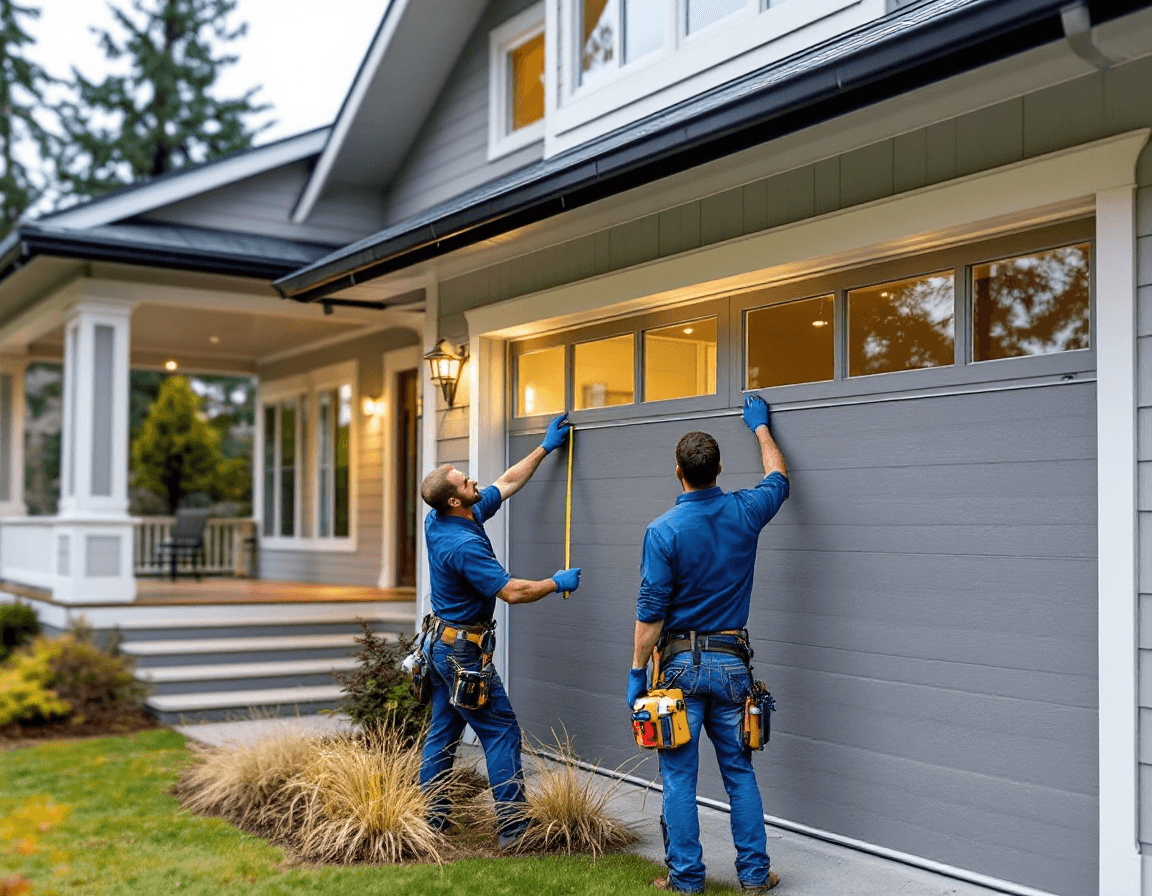
Garage door installation and replacement in Edmonds, WA is one of the most practical upgrades a homeowner can make, and it is also one of the most misunderstood. Many people wait until a door fails completely, then choose a replacement in a rush. A better approach is to know what your garage door is doing now, what your home needs, and which options hold up in our wet, salty, temperate climate. Our technicians work on doors throughout Edmonds every week, from older bungalows near Downtown Edmonds to newer builds on the hillside streets above Perrinville.
This page explains when replacement makes more sense than another repair, how different door materials perform in Snohomish County weather, and what to expect from the installation process. We also cover pricing, permits for remodels and additions, and how to protect your investment after the new door is hung. Installed costs typically run from about $950 to $3,800 or more, and the final number depends on the door style, the materials, the size of the opening, and any structural or track work your existing frame requires. We aim to give you enough detail to make a confident decision, whether you are replacing a single car door or upgrading a double bay.
If you are unsure whether your door is worth saving, you do not have to sort it out alone. A licensed technician can inspect the springs, panels, tracks, and opener, then explain which parts are still sound and which are approaching the end of their life. Read through the sections below, compare them to what you see in your own garage, and call us at (888) 799-3819 if you want a straight answer about your options.
Reading the Signs That Your Edmonds Door Has Reached Its Limit
A garage door rarely fails without warning. In Edmonds, the first clues often show up as slow or jerky movement, a door that stops partway and reverses, or a panel that bows when the door is closed. Homeowners sometimes assume each of these is a small, isolated problem and repair them one at a time. When the same symptoms return every few months, it is worth asking whether the door as a whole has reached the end of its service life.
Repeated breakdowns are one of the clearest signals. If you have replaced rollers, adjusted the opener limits, or serviced the tracks more than once in a short period, the cumulative cost can start to approach the price of a new door. Cracked or separated panels are another indicator, especially when the damage runs along seams or hinges where the sections meet. A door that has been hit by a car, a falling branch during a windstorm, or a heavy storm-driven limb may also be structurally compromised even if it still appears to move.
Pay attention to the tracks and the header as well. Bent track sections, loose bracket anchors, or a header that shows cracking can mean the opening itself is no longer stable. In those cases a new door needs a proper inspection of the surrounding framing before installation begins. Replacing the door without addressing the frame can lead to premature failure and misalignment, which is why we check the opening as part of every replacement estimate.
Salt Air, Drizzle, and What Puget Sound Weather Does to Garage Doors
Edmonds sits close enough to Puget Sound that salt-laden air and persistent moisture are part of daily life for many homes. Those conditions work on metal and wood in ways that people in drier climates rarely encounter. Steel panels can develop surface rust at scratches, dents, and along the bottom edge where water collects. Wood doors are vulnerable to swelling, cupping, and rot, particularly at the base and along joints that never fully dry out during our long gray season.
Winter brings its own challenges. Repeated cycles of damp cold and occasional freezes can stress the seals, weatherstripping, and door panels, and a door that sits in a shaded driveway may stay damp for weeks at a time. Gusty storm systems add wind load to the equation, which puts extra pressure on the tracks, hinges, and the panel-to-panel connections. A door that was adequate twenty years ago may not handle modern wind conditions as well as a newer, properly rated unit.
Choosing a replacement with these conditions in mind makes a real difference. Galvanized steel, factory-applied coatings, sealed wood, and aluminum with a durable finish each respond differently to salt and moisture. We recommend asking about the finish system, the edge and bottom seal design, and whether the door is rated for the wind pressures typical of your neighborhood. These details matter as much as the color or style you choose.
Comparing Insulated Steel, Carriage-Style, Wood, Glass, and Aluminum Doors
Each door material has a clear set of strengths and tradeoffs, and the right choice depends on how you use your garage, how the house is oriented, and how much maintenance you want to handle. Insulated steel is the most common choice for Edmonds homeowners who want efficiency and durability with limited upkeep. It is available in a wide range of textures and colors, and the foam core improves temperature control in attached garages that share a wall with living space.
Carriage-style doors have become popular across older and newer Edmonds neighborhoods alike. They can be built from steel with embossed faux-wood patterns, from real wood, or from composite materials that mimic the look without the same maintenance demands. Wood doors offer a classic appearance and can be beautiful on a traditional home, but they require regular sealing and inspection to resist moisture. Glass panels, whether frosted, clear, or tinted, bring light into the garage and suit modern architecture, though they should be paired with insulated frames and quality glazing if the garage is used as a workspace.
Aluminum doors are lighter and resist corrosion well, which makes them a practical option for homes close to the water. They are often used with large glass sections and sleek frames. Their lighter weight can reduce strain on the opener, but they typically provide less insulation than a foam-filled steel door unless the manufacturer specifies a thermally broken design. A technician can walk you through sample panels, compare insulation ratings, and point out which features are worth paying for in your particular setting.
Choosing Between Single and Double Doors on Edmonds Lots
Lot size and driveway layout shape more of the decision than many people expect. Some Edmonds homes were built with a single bay, while others have a double-width opening that accommodates two vehicles side by side. Replacing a single door with a double door, or the reverse, involves changes to the framing, the header, the tracks, and sometimes the spring system, so the decision should be made deliberately rather than by default.
Double doors offer more open width and can make a two-car garage feel more usable, but they are heavier and more demanding on springs and openers. Two smaller single doors can be easier to balance and may suit a narrow lot or a garage with an odd layout. For homeowners on tight streets or with limited turning space, the swing and clearance of the door can also matter. A door that looks good on paper may not leave enough room for a vehicle with a roof rack or a larger truck.
Ask the installer to measure the rough opening carefully, including the header height, side room, and backroom depth. These measurements determine which track configuration will fit and whether a low-headroom or high-lift system is required. If your garage is also used for storage, workshop space, or as a second living area, factor that into the choice of door weight, insulation, and opener capacity.
Insulation, Drafts, and Living Space Beside the Garage
For homes where the garage shares a wall with the house, or where a bonus room or workshop sits above the garage, the door plays a bigger role in comfort than many homeowners realize. Air leaking through a worn door or gaps at the bottom seal can make adjacent rooms colder in winter and carry dampness into the garage. Upgrading to an insulated door with a well-designed perimeter seal is often one of the most noticeable improvements in the space.
Insulation ratings vary by manufacturer and construction, so compare the specifications rather than relying on general descriptions. Pay attention to the thickness of the foam core, the type of panel construction, and the quality of the weatherstripping along the top, sides, and bottom. A door that is insulated but poorly sealed will still leak air, so both elements matter. Our technicians will measure the existing gaps and recommend seal upgrades where needed, even if you are not replacing the door itself.
If the garage is heated, insulation also helps keep energy costs more predictable. The benefit is most noticeable when the door is closed for long periods, but frequent openings during cold or wet weather add up as well. Homeowners who run a workshop or use the garage for hobbies often find that a better door makes the entire space more usable through the year.
Modernizing the Curb Appeal of Older Edmonds Homes
Many Edmonds houses have character, from mid-century layouts to traditional craftsman details, and the garage door is one of the largest visual elements on the front of the home. A worn or mismatched door can make an otherwise attractive property look neglected, while a well-chosen replacement can refresh the entire facade. The goal is to complement the architecture rather than fight it.
For older homes, carriage-style steel or composite doors with recessed panels often look more authentic than flat, modern designs. For contemporary builds, sleek horizontal panels, frosted glass, or aluminum frames can create a clean line. Color matters too. Deep greens, charcoal, and warm neutrals tend to hold up well against the soft natural light of the Pacific Northwest, while very bright colors may show water spotting and dirt more quickly.
Hardware and trim are easy places to add polish. Decorative hinges, handles, and window inserts can change the look without altering the door structure. Before you finalize a style, bring a sample or photo of your siding, roofing, and trim to the consultation so the new door can be evaluated in context.
Remodels, Additions, and Working Through Permits
Garage door replacements often happen alongside larger projects, such as a kitchen remodel, a second-story addition, or the conversion of a garage into a bedroom or office. In these situations the door becomes part of a broader plan, and the timing and sequencing matter. A door installed too early may be damaged by construction dust and debris, while a door installed too late can delay the final inspection or the completion of interior finish work.
Some changes to a garage opening or structure may require permits, and requirements can vary depending on the scope of work. Before you schedule a major remodel, check with the City of Edmonds about whether your project triggers a permit and what documentation the city expects. A licensed contractor who regularly works in the area can help you understand how the door fits into the larger scope, although the homeowner remains responsible for confirming the specific requirements for their property.
When a garage is being converted or an addition is planned, consider the door's insulation, sealing, and fire-related details alongside its appearance. If the garage will be adjacent to living space, the door and the wall between the spaces should be evaluated together. This is a good moment to plan electrical and opener placement as well, so the final result is coordinated and efficient.
What Installation Involves and What Drives the Price
Installation is more than hanging a panel and attaching a track. A proper job includes removing the old door safely, inspecting the opening, measuring for the new assembly, installing tracks and brackets, setting the spring system, connecting the opener if needed, and testing the balance, safety reversal, and seals. Springs carry significant tension and must be handled by a trained professional. Attempting to adjust, remove, or replace torsion springs on your own is dangerous and should never be done by a homeowner.
Pricing reflects several factors. The door material and style are the largest drivers, followed by the size of the opening, the insulation level, and the hardware package. Structural or track work, a damaged header, or a need to upgrade the opener can add to the total. Installed costs for new single and double garage doors commonly fall between about $950 and $3,800 or more, depending on these variables. A written estimate should break down the door, labor, removal and disposal, and any additional components so you can compare options clearly.
Ask whether the quote includes warranty coverage on the door and on the installation work, and whether the spring system and opener are covered under separate terms. Clarity at the estimate stage prevents surprises later. We recommend keeping the paperwork and any manufacturer documentation with your home records.
Handling Storm, Rot, and Rust Damage Before You Decide
Storm damage, rot, and rust each call for a different response, and the right move is not always full replacement. A panel dented by a falling branch may be replaceable without changing the entire door, provided the rest of the assembly is sound and the design is still available. Surface rust on steel can sometimes be treated early, but rust that has perforated the panel or spread into the frame usually signals that replacement is the more reliable path.
Rot is most common on wood doors and wood trim near the base of the door, especially where water has pooled during long wet spells. Soft spots, flaking finish, and swelling at the bottom rail are warning signs. Wood damage that has penetrated the core often cannot be reliably repaired, and a replacement door with better moisture protection may serve you longer. Rot in the surrounding framing also needs attention, since it can compromise the header and the tracks.
After a storm, take photographs of any damage before cleanup, and check the door's balance, tracks, and opener once the area is safe. If the door is off track, bent, or leaning, keep people and vehicles away from it and call a professional. Insurance claims may apply in some situations, and documentation helps. Our technicians can inspect the damage and explain which components are repairable and which should be replaced.
Timeline, Old Door Removal, and Protecting Your New Installation
Most residential installations are completed in a single visit once the door has been selected and any preparation work is done. The timeline depends on the complexity of the job, the availability of the chosen door, and whether structural or track changes are needed. Lead times for custom styles or special finishes can be longer than for standard models, so plan ahead if you have a deadline such as a move-in date or a remodel milestone.
On installation day, expect the crew to protect the driveway and interior, remove the old door, and haul away the old components. Ask how the old door will be disposed of and whether any materials can be recycled. Before the crew leaves, the new door should be tested for smooth travel, correct balance, proper seal contact, and safe reversal. You should also receive instructions on basic care, including how to keep the tracks clean and how to inspect the seals each season.
Protecting your investment means keeping the door clean, checking the finish, and scheduling periodic professional inspections. In our climate, rinse off salt residue if you live close to the water, look for early signs of corrosion, and keep the bottom seal in good condition. Simple habits like these help a new door perform well for many years.
Ready to talk through your options? Call Seattle Garage Door Fix at (888) 799-3819 to schedule an inspection or request an estimate for garage door installation and replacement in Edmonds, WA. Our licensed, bonded, and insured team will evaluate your opening, explain which materials suit your home, and give you a clear written quote.