
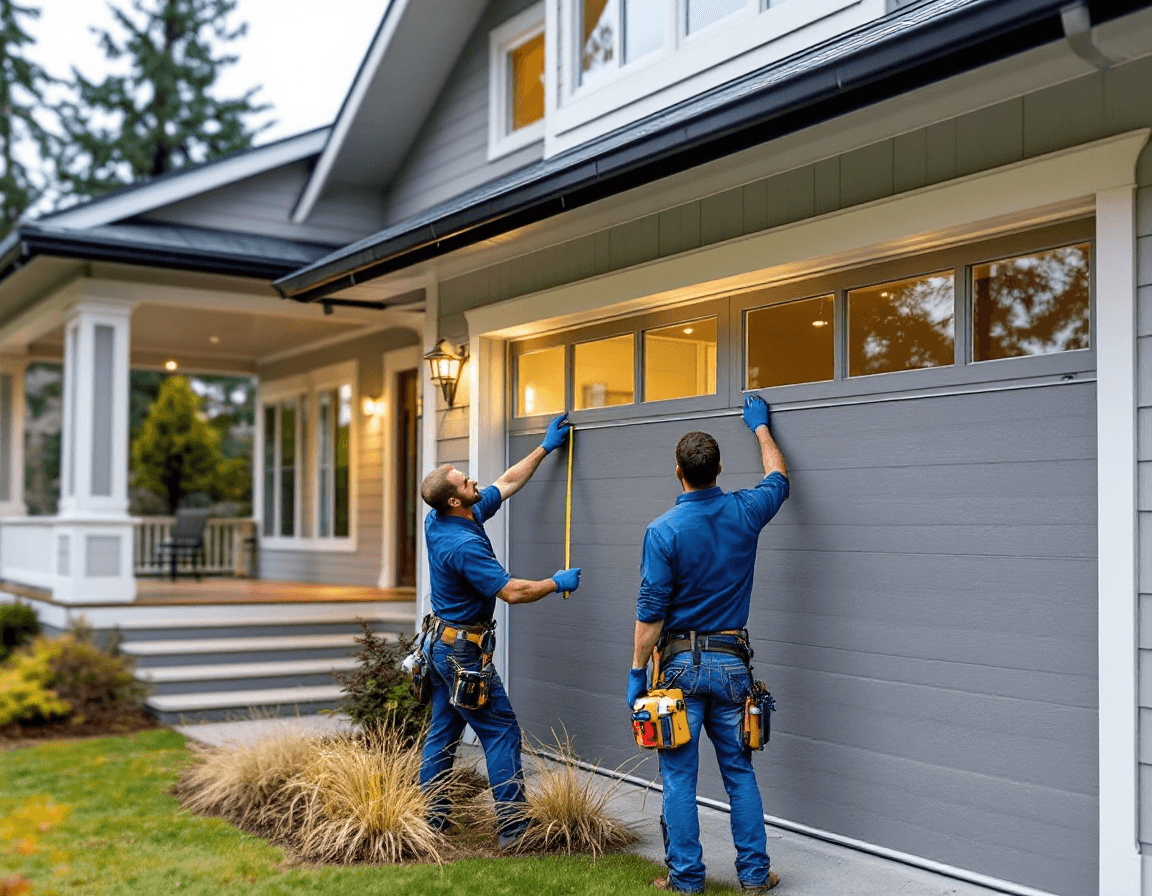
Garage Door Installation & Replacement in Woodway, WA is a decision most homeowners make only a few times in their lives, and it deserves more thought than picking the first door on a showroom wall. Woodway sits on the bluffs above Puget Sound in Snohomish County, where homes tend to sit on larger lots among mature evergreens and deciduous trees. The garage is often the largest opening in the house, so the door affects curb appeal, energy use, security, and how the home holds up through long, damp winters. This page explains when replacement makes more sense than another repair, what materials perform well in our climate, and what to expect from installation.
Many Woodway homeowners reach this point gradually. A spring snaps, a sensor fails, the door shudders on the way up, and each fix seems reasonable until the bill for repairs starts to approach the cost of a new door. Others replace a door after a windstorm drops a branch on it or after years of moisture have softened the bottom panel. Whatever brought you here, the goal is to make a clear choice based on the condition of your door, your budget, and how long you plan to stay in the house. Seattle Garage Door Fix installs new single and double garage doors across Western Washington, and we are happy to talk through your options with no pressure to buy.
Our pricing for installed doors generally falls between $950 and $3,800 or more, depending on the door style, the materials, the size of the opening, and any hardware or structural work required. Insulated steel doors sit at the lower end of that range for many standard sizes, while custom wood, glass-heavy, or large-format aluminum designs push the total higher. The sections below walk through how to read the signs of a door that has reached the end of its useful life, how to compare materials for Woodway conditions, and what a careful installation looks like from start to finish.
Telling a Repair From a Replacement in Woodway Homes
A door that needs one part is not always a door that needs replacing. A worn roller, a misaligned track, or a failed opener can often be corrected in a single visit, and those fixes are usually inexpensive compared with a new door. The question becomes harder when several components are wearing out at the same time, because each repair leaves the rest of the door in service a little longer without addressing the underlying condition. A technician who looks at the panels, the bottom seal, the frame, and the hardware together can tell you whether the door as a whole still has value.
Some conditions point clearly toward replacement. Panels that are cracked, bent, or separated at the seams rarely return to their original shape, and a door that has been bent by a vehicle or a fallen limb may keep the same stress points for years. Rot in wood sections, deep rust in steel that has gone through the skin, or delamination in older insulated panels are also hard to repair in a lasting way. When repairs keep returning on the same door, the cumulative cost and the inconvenience usually outweigh the savings.
Age matters too. Many older doors were built without the insulation, weatherstripping, and reinforcement that current designs include, and their springs, brackets, and tracks may have been sized for a lighter door than the one hanging today. If your door is original to a home built decades ago, we recommend having a full evaluation before you invest in more repairs. A replacement can improve safety and performance in ways that a patch on an aging system cannot.
How Pacific Northwest Weather Shapes Door Materials
Western Washington's climate is mild by national standards, but it is hard on garage doors. Long stretches of rain, high humidity, and cool temperatures mean that wood can swell and cup, steel can rust where coatings are scratched, and metal components can corrode faster than owners expect. Salt-laden air drifting in from the Sound adds another layer of wear for homes in the bluff neighborhoods, especially where a door faces the water or sits in a partially shaded spot that stays damp for days.
For this reason, we often steer Woodway homeowners toward factory-finished insulated steel or aluminum as a baseline, with wood or glass sections reserved for designs where the look truly matters and the owner is prepared for regular maintenance. Insulated steel with a quality polyurethane core resists moisture well, holds its shape, and is available in a wide range of textures and colors. Aluminum is lighter and naturally resistant to corrosion, which suits sloped driveways and coastal exposure, though it is less rigid and may dent more easily.
Wood carriage-style doors can be beautiful and are a good match for many Woodway architectural styles, but they need a real finishing schedule. Sealing and repainting every few years, keeping the bottom edge protected from splash and standing water, and watching for early signs of swelling along the stiles are all part of owning them. We are candid with customers about this tradeoff so that the door you choose still looks good five years from now.
Insulation, Comfort, and Energy Use in an Attached Garage
An attached garage is often the weak link in a home's thermal envelope. When the door is thin or poorly sealed, cold air moves into the garage in winter, and that air can travel into living spaces above and beside it. Many Woodway homeowners notice the difference most in mudrooms, laundry rooms, and bedrooms built over the garage, where floors feel cold and heating bills run higher than expected. A better door will not solve every comfort problem by itself, but it removes a significant source of heat loss.
Insulated steel doors use a foam core bonded between steel skins, and the thickness and density of that core determine much of the door's thermal performance. Look for doors that also include a complete perimeter seal and a bottom seal that meets the floor evenly, because gaps around the edges can undo much of the benefit of a well-insulated panel. Some models add a thermal break within the panel design to reduce heat transfer through the metal. We can compare the specifications of several models so you can see how they differ in practice rather than relying on marketing language.
If the garage is heated or used as a workshop, insulation becomes even more valuable. A well-insulated door helps the space hold a comfortable temperature with less effort, and it reduces condensation on the inside of the door during cold snaps. Pairing the new door with weatherstripping on the side jambs and a sealed threshold gives you the best return on the investment.
Modernizing the Look Without Losing Woodway Character
Curb appeal is one of the most visible reasons to replace a garage door, and in Woodway the front of the house often sets the tone for a whole street of substantial homes. An outdated door with faded paint, mismatched hardware, or a flat, unadorned face can make an otherwise handsome home look tired. A carefully chosen replacement can refresh the entire facade without requiring any structural change to the house.
Carriage-style designs with recessed panels and decorative hardware remain popular in our area because they suit traditional and transitional architecture. Modern flush panels with horizontal grooves or large glass sections appeal to homeowners with contemporary exteriors, especially when the door is paired with matching entry hardware and exterior lighting. Color choices matter as much as the profile. Deep greens, warm grays, and charcoal tones tend to blend with the surrounding trees, while lighter shades can brighten a shadowed north-facing elevation.
When you are weighing styles, consider the view from the street, the view from inside the driveway, and how the door will look when it is closed in the evening with the lights on. A door that photographs well in a showroom may read very differently in the soft, overcast light common along the Sound. We recommend bringing samples or photos of your home to the consultation so we can review options against the actual exterior.
Glass, Aluminum, and Specialty Designs: What to Expect
Glass panels bring light into the garage and can make a workshop or home gym feel open. They also let passersby see into the space, so privacy-tinted or frosted options may be worth considering if the garage faces a walkway or neighboring property. Glass sections generally cost more than solid steel and are less thermally efficient, so the design should be a deliberate choice rather than an afterthought. Tempered or reinforced glazing is standard practice for residential doors and is worth confirming with any installer you consider.
Aluminum doors with large glass lites are a common choice for modern homes and for owners who want a clean, contemporary look. They handle moisture well and can be finished in a range of colors. Because aluminum is lighter and less rigid, the installation must account for the door's weight and wind loading, and the frame and track should be checked carefully. We treat each large-format or glass-heavy installation as a custom project and take measurements that account for the full opening, including header height and clearance above the door.
Specialty designs such as wide single-piece doors for RV or boat storage, or doors with unusual heights for converted outbuildings, also require careful planning. These openings often fall outside standard sizes, and the spring system, track, and opener need to be selected for the actual door weight. Tell us about any special use when you call so we can plan for it from the beginning.
Choosing Between Single and Double Doors for Your Opening
Many Woodway garages were designed for two vehicles and feature a double door, while others were built as single-bay spaces with a narrower opening. The door width should match how the garage is actually used, not just how it was built decades ago. A wider door can make it easier to park and load, but it also places more weight on the springs, tracks, and header, and it may require reinforcement in older framing.
Single doors are often lighter and simpler to balance, which can mean smoother operation and fewer components to maintain. Double doors may be best for a two-car garage that serves as a primary entry point, though they demand more careful spring sizing and sometimes a center stile or reinforcement bar to handle the load. Either option can be insulated and finished to match the rest of the house, so the decision usually rests on the opening and the daily routine more than on appearance.
The header above the opening deserves attention during planning. If the framing has deteriorated, shifted, or was never designed to carry a heavier door, we will tell you before installation begins. Correcting structural issues early is far less expensive and far safer than discovering them after the old door is removed.
Preparing the Opening, Removing the Old Door, and Installing the New One
A well-run installation begins with measurement and inspection. We check the rough opening for width, height, and squareness, confirm the header and jamb condition, and look at the floor for slope or damage that could affect the bottom seal. We also review the opener, electrical outlet, and any safety sensors so the new door works with the system you already have or with an upgrade if one is needed.
Removing the old door is the most hazardous part of the job because the springs are under high tension. Our technicians are licensed and insured, and they use the correct tools and procedures to release tension safely. Homeowners should never attempt to remove, adjust, or replace torsion springs or lift cables on their own. These components store enough energy to cause serious injury, and the work should always be performed by a qualified professional with proper training.
Once the old door is out, the new door is assembled, hung on the tracks, balanced, and tested. We adjust the springs for the actual weight of the door, set the travel limits, check the auto-reverse function, and verify that the door seals properly at the bottom and sides. We then walk you through daily operation and the basic maintenance schedule that keeps the door performing well.
Warranties, Maintenance, and Protecting Your Investment
A new garage door is a significant purchase, and understanding what is covered matters. Manufacturer warranties vary by product, material, and component, and they often differ for panels, finishes, springs, and hardware. We will explain the coverage for the specific door you choose, including what is handled by the manufacturer and what falls under our workmanship, so there are no surprises later. Keep your paperwork somewhere accessible, and note the installation date.
Routine care extends the life of any door. In Woodway's wet months, it helps to wipe down the exterior of steel and aluminum doors periodically to remove salt, pollen, and tree debris, and to check the bottom weatherstrip for cracks or flattening. Lubricating rollers, hinges, and tracks with a silicone-based product as recommended by the manufacturer keeps movement quiet and reduces wear. Wood doors need the finishing schedule described earlier, and any door should be inspected after major storms for dents, loose hardware, or shifted panels.
We also suggest scheduling a professional inspection every year or two, particularly if your door is heavily used or sits in a shaded, damp location. Small issues caught early are usually simple and inexpensive to correct. A door that is maintained well will serve the home faithfully for many years and will keep its value and appearance.
Planning Your Replacement With Confidence
If you are considering a new garage door in Woodway, start by writing down the problems you want solved. Maybe the door is loud, drafty, slow, or simply past its prime. Maybe you want a more secure, quieter, or more attractive entry to the home. Maybe you are planning a remodel and need the opening adjusted to match a new floor plan. Having a clear list makes it easier to choose the right material, style, and features without paying for things you do not need.
It also helps to gather a few photos of the house from the street, a rough measurement of the opening, and any information about the opener and existing hardware. Bring your budget range so we can recommend options that fit it, and let us know whether you have a preferred color or style. We will give you an honest assessment, explain the tradeoffs in plain language, and provide a written estimate before any work begins.
Our technicians serve Woodway and communities throughout Snohomish County and the wider Seattle area, and we are licensed, bonded, and insured. Whether your door needs a simple upgrade or a full replacement, we will help you choose a solution that fits your home, your climate, and your budget. Call (888) 799-3819 to schedule an evaluation or to ask questions about garage door installation and replacement in Woodway. We would be glad to help you get it right the first time.