
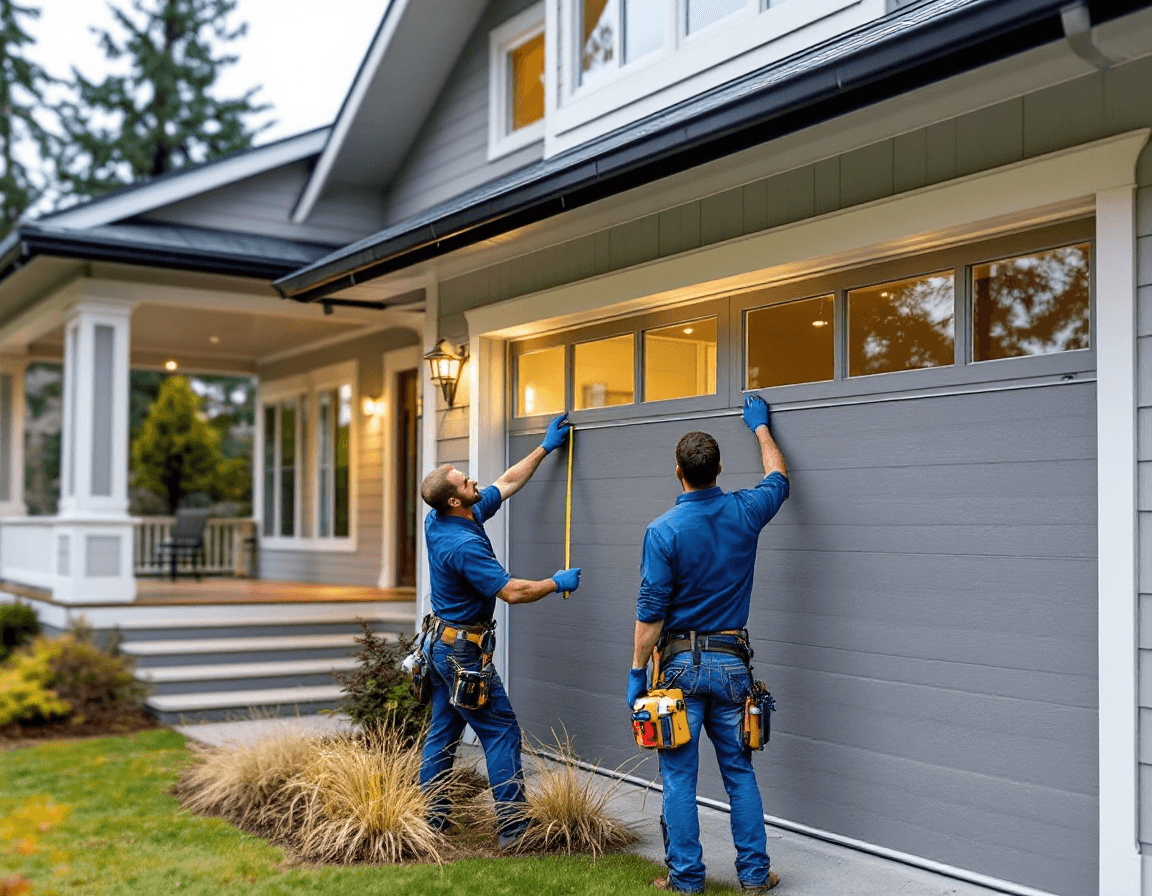
Homeowners in Lynnwood often start looking for garage door installation and replacement in Lynnwood, WA after a door has given them one too many problems. Maybe the panels have dented from a windstorm, the bottom seal has cracked and let rainwater pool on the floor, or the old door rattles so loudly that the neighbors notice. Whatever triggered the search, a new door is one of the few home upgrades that improves security, curb appeal, energy use, and daily convenience all at once. This page explains how we approach replacements in Lynnwood, what separates one door from another, and how to plan the project around the weather and housing styles you see across Snohomish County.
Lynnwood sits in a part of the Puget Sound region where the weather is rarely dramatic but almost never dry for long. Winters bring steady rain, damp mornings, and stretches of cold that keep garage slabs cool well into spring. Summers are mild by most standards, although a clear July afternoon can push a south- or west-facing garage door surface quite warm. That combination of moisture, temperature swings, and periodic gusty weather is hard on steel, wood, and hardware alike. Choosing the right door is less about chasing the newest style and more about matching construction to the conditions your home actually faces.
We serve homeowners throughout Lynnwood, including neighborhoods near Alderwood, the Lynnwood City Center area, and the residential streets that run between Highway 99 and Interstate 5. Many of the homes in these areas were built in waves across several decades, which means garage openings vary widely in width, height, and framing. Some are original builds with standard openings, while others have been expanded for a second vehicle, a workshop, or a storage loft. Our goal on every replacement is to measure the actual opening, not just the nominal size, so the new door fits the structure you have today.
Why Lynnwood Replacement Projects Often Start After a Single Bad Season
Many of the replacement calls we take in Lynnwood follow a particularly rough winter or a windy stretch that tested the door more than usual. Wet weather finds every weak point: a rusted bottom bracket, a warped panel that no longer sits flush with the frame, or weatherstripping that has hardened and lost its grip. Once water gets behind the panels or under the bottom seal, wood sections can soften and steel sections can begin to corrode at the edges where paint has chipped. A door that seemed merely tired in October can look structurally compromised by March.
Lynnwood's older housing stock adds another layer. Garage doors installed decades ago were often built with thinner gauge steel and single-layer construction, and they were designed for a different set of expectations about insulation and automation. If the door has been patched several times and the springs have been adjusted repeatedly, the cost of keeping it running can quietly climb past the cost of a new system. We often walk homeowners through that math during the estimate so they can decide based on what the door will actually cost them over the next several years.
Replacement is also common when a homeowner is already planning a larger project. A bathroom remodel, a finished basement, or an addition that changes how the garage connects to the living space gives an ideal moment to upgrade the door. Coordinating the installation with other work reduces the number of times the garage is opened to dust and weather, and it lets the door's color and style complement new siding, trim, or a refreshed entry. Planning ahead also gives you time to compare materials calmly rather than choosing under pressure after a sudden failure.
Reading the Warning Signs Before a Door Fails Completely
A garage door rarely dies without warning, and recognizing the early signs can save you from being stranded at the end of a driveway with a door that will not open. Some of the symptoms we see most often in Lynnwood homes include:
- Visible dents, creases, or cracked panels, especially along the bottom section where vehicles and debris make contact
- Rust bloom or flaking paint around hinges, rollers, and panel edges, which often signals moisture trapped inside the door
- Gaps at the bottom or sides that let rain, cold air, or pests into the garage
- Panels that have bowed or no longer align evenly when the door is closed
- Repeated service calls for the same component, suggesting the door's underlying structure is wearing out
Beyond these visible clues, pay attention to how the door behaves. A door that stalls partway up, pulls unevenly to one side, or makes grinding and popping noises may be telling you that the frame, tracks, or counterbalance system no longer match the weight of the panels. If you notice any of these conditions, avoid trying to force the door open or closed. Manual attempts to lift a heavy, unbalanced door can cause sudden movement that injures hands or backs, and it can also stress the opener further.
If you are unsure whether your door can be repaired or should be replaced, a licensed technician can inspect the panels, tracks, and counterbalance system and explain what is practical. We will tell you honestly when a repair makes sense, and we will also tell you when the door has reached the point where replacement offers better long-term value. Either way, you should expect a clear explanation rather than a sales pitch.
Choosing Between Insulated Steel, Carriage-Style, Wood, Glass, and Aluminum
Each door material brings a different balance of cost, appearance, durability, and maintenance, and the best choice depends on how you use your garage and how exposed it is to weather. Insulated steel remains the most common choice for Lynnwood homes because it resists dents reasonably well, holds up in wet conditions when properly finished, and comes in many insulation thicknesses. Carriage-style doors, which mimic the look of old swing-out barn doors, have become popular on modern builds and craftsman-inspired homes alike. They are usually built from steel or composite skins with decorative hardware, and they can dramatically change the character of a front elevation.
Wood doors offer warmth and a traditional appearance that many homeowners love, but they require consistent maintenance in a damp climate. Sealing, staining, and periodic inspection are necessary to keep moisture from working into the panels and causing warping. Glass and aluminum designs suit homeowners who want natural light or a contemporary look, though they typically involve more careful attention to insulation and privacy. Aluminum frames are lightweight and resist corrosion well, but the panels in many aluminum doors are thinner, so you should compare insulation values and structural ratings carefully before deciding.
The table of options is only part of the picture. We spend time on the exposure of your specific garage, including whether it faces the prevailing wet weather, whether it sits under a deep roof overhang, and whether children or pets spend time near the door. A door on a covered side yard will age differently from one on an open driveway, and those differences affect which finish and panel design will hold up best over time.
What Insulation Ratings Mean for Lynnwood Winters and Living Spaces
Insulation is one of the most misunderstood aspects of garage door shopping. Manufacturers typically list an R-value for insulated doors, but the number alone does not tell the full story. Factors such as the construction of the door sections, the quality of the seals between panels, and the presence of a thermal break in the frame all influence how much heat a door keeps in or out. A door with a respectable rating can still leak energy if the perimeter weatherstripping is worn or poorly fitted.
For homes in Lynnwood, the most noticeable benefit of an insulated door often appears in an attached garage that shares a wall or ceiling with living space. Cold garages can make the adjacent rooms feel chilly and can increase heating demand, while a well-insulated door helps keep the garage more stable through the damp, cool months. If you use the garage as a workshop or a home gym, that stability also makes the space more comfortable and reduces condensation on tools and surfaces. We recommend pairing a new insulated door with a full inspection of the bottom seal, side seals, and top seal so the upgrade delivers the performance you are paying for.
It is also worth asking about the door's warranty on insulation performance and panel finish. Reputable manufacturers publish their own warranty terms, and those terms vary by product line and finish. We explain what each warranty covers in plain language during the estimate so you understand what is protected and what depends on routine care.
Wind Load, Rain Protection, and Hardware Built for Snohomish County Weather
Although Lynnwood is not on the open coast, the region does experience gusty winter storms that can push hard against a large, flat garage door. Wind load ratings describe how much pressure a door can withstand without bending or separating from its frame, and they matter most for wide double doors and for homes in more exposed positions. When you compare options, look for documented wind ratings from the manufacturer, and ask whether the door has been tested for the conditions you are likely to face. A rated door paired with properly anchored tracks and secure end brackets is far more resilient than a door that only looks sturdy.
Rain protection depends on more than the panels. The bottom seal, the side seals, and the top weatherstrip all need to fit the new door precisely, and the threshold should drain away from the garage rather than toward it. We check drainage around the opening during installation and recommend adjustments when water is likely to collect against the door. A small change in the slope of the apron or a better seal can prevent the moisture problems that otherwise show up after the first heavy rain.
Hardware matters as well. Galvanized or coated tracks, rust-resistant hinges, and corrosion-resistant fasteners extend the life of the system in damp conditions. Stainless or coated components are worth considering near the bottom of the door, where splashing and road spray can accumulate. We will explain which hardware upgrades are standard for your chosen door and which are optional, so you can decide how much protection you want.
Budgeting Between $950 and $3,800-Plus: What Actually Drives the Installed Price
Our installed pricing for new garage doors generally falls between $950 and $3,800 or more, depending on the door type, materials, size, and the work required at the opening. A basic single steel door in a standard opening will sit near the lower end of that range, while a large custom wood or glass double door with premium hardware will push toward the top. Those figures reflect installed pricing, not the door alone, and they are meant to give a realistic starting point rather than a binding quote. Every estimate depends on measurements and the condition of the existing opening.
Several factors commonly move the final number. The following items often make a difference in Lynnwood projects:
- Single versus double door width, since wider openings require heavier panels and more robust track and spring components
- Material selection, including insulated steel, carriage-style designs, wood, glass, or aluminum
- Insulation level and the number of layers in the panels
- Decorative hardware, windows, and custom finishes or paint
- Opener compatibility, including whether you want a new opener installed alongside the door
- Framing repairs, header adjustments, or bracket upgrades needed to support the new door
When you request an estimate, ask the technician to explain each line item. A clear breakdown helps you compare quotes fairly and understand which features truly matter for your home. We would rather you choose the right door for your budget than stretch to a premium option you do not need.
Single Versus Double Doors and Planning Around Remodels and Additions
Choosing between a single door and a double door is one of the first decisions in any replacement, and it affects everything from structural support to the appearance of your home. Single doors suit one-car garages and many older homes, while double doors fit two-car openings and offer easier access for larger vehicles and storage. Some Lynnwood homeowners who have expanded a garage for a workshop or a second car have discovered that the original opening no longer matches the space, so the replacement becomes an opportunity to resize the entire entry.
Remodels and additions introduce their own considerations. If the garage is being reconfigured, the door may need to align with new framing, a different roofline, or revised siding. We can coordinate the timing so the door arrives after the framing is stable and before finish work begins, which protects the new panels from dust and construction debris. Homeowners often find that a door chosen during a remodel complements the entry, exterior lighting, and house trim in a more cohesive way than a door installed as a standalone repair.
Neighborhood character also influences design. Homes around Alderwood and the City Center area vary in style, and a door that fits a contemporary build may look out of place on a traditional home. We encourage homeowners to bring photos of the house and any color palettes they are considering, so the recommendation reflects both function and appearance. A thoughtful choice often adds more curb appeal than the price difference alone would suggest.
Permits, Associations, and Practical Steps Before Installation Day
Depending on the scope of your project, a garage door replacement may require attention to permits or community guidelines. Simple replacements in the same opening often proceed without major review, but changes to the size of the opening, structural alterations, or electrical modifications for a new opener can trigger requirements. We recommend confirming current requirements with the City of Lynnwood before work begins, particularly if the project is part of a larger remodel. Our technicians can tell you what they have seen work smoothly for similar projects, but official rules should always come from the appropriate agency.
Homeowners in planned communities or condominium-style developments should also review any architectural guidelines. Some associations regulate door color, style, glass content, or the appearance of hardware visible from the street. Checking these rules early prevents the frustration of installing a door that must be changed later. If you are unsure whether your property has restrictions, your association documents or management office can clarify what applies.
Preparing the space on your end also helps. Clear the area around the garage, move vehicles and stored items, and remove any household items that might be damaged by vibration. If you plan to keep the old door for salvage or recycling, let the crew know in advance. Good preparation keeps the installation on schedule and reduces the chance of surprises.
How Our Installation Team Works From Measurement to First Test Cycle
Every installation begins with careful measurement. We check the width and height of the opening at several points, verify that the header and tracks have clearance, and examine the floor for level and drainage. We also inspect the surrounding framing for rot or moisture damage, since a replacement is the right time to address any hidden problem before the new door goes in. Accurate measurement is the foundation of a smooth installation and a door that operates quietly for years.
On installation day, the crew removes the old door in a controlled sequence and sets the new components according to the manufacturer's specifications. The springs, cables, and tracks are installed with tension and alignment checked at each stage. Once the door is in place, we balance the system, adjust the travel limits, and test the opener if one is included. We then run the door through several complete open and close cycles, checking for smooth movement, proper seal contact, and even alignment. Before we leave, we walk you through how the door works, what routine care it needs, and how to recognize early signs of trouble.
Our crews are licensed, bonded, and insured, and we hold those credentials to protect you and your property during the work. We are happy to share proof of insurance and licensing upon request. You should never feel pressured to proceed without a clear explanation of the work and its cost.
Why Torsion Springs and Cable Work Belong in Licensed Hands
Garage door springs and cables store enormous amounts of energy, and mishandling them is one of the most dangerous tasks a homeowner can attempt. Torsion springs under tension can release suddenly, and cables under load can snap and cause serious injury. Even experienced do-it-yourselfers can be hurt when a spring is adjusted or removed without the proper tools and procedures. For this reason, we recommend that all spring and cable work during a replacement be performed by a licensed professional who understands the specific system being installed.
During a replacement, the old springs and cables should be removed and disposed of safely, and the new components must be tensioned to match the weight and balance of the new door. Improperly tensioned springs can cause the door to fall, strain the opener, or wear out prematurely. A licensed technician will verify the balance after installation and make adjustments as needed. This step protects both your safety and the investment you are making in the new door.
If you notice a broken spring, a frayed cable, or a door that slams or drops, keep everyone away from the opening and call a professional. Do not attempt to repair the spring yourself or try to lift the door manually to free a stuck mechanism. Our team can respond to these situations, and during a planned replacement we will handle every spring and cable component with the care and training the job requires.
Replacing an old garage door in Lynnwood is a practical decision that pays off in security, energy comfort, appearance, and reliability, especially when the right material and insulation are matched to Western Washington's wet, variable climate. If your current door is damaged, drafty, outdated, or simply no longer keeping up with your household, call Seattle Garage Door Fix at (888) 799-3819 to schedule an inspection and estimate. We will measure your opening, explain your options clearly, and help you choose a door that fits both your home and your budget.