
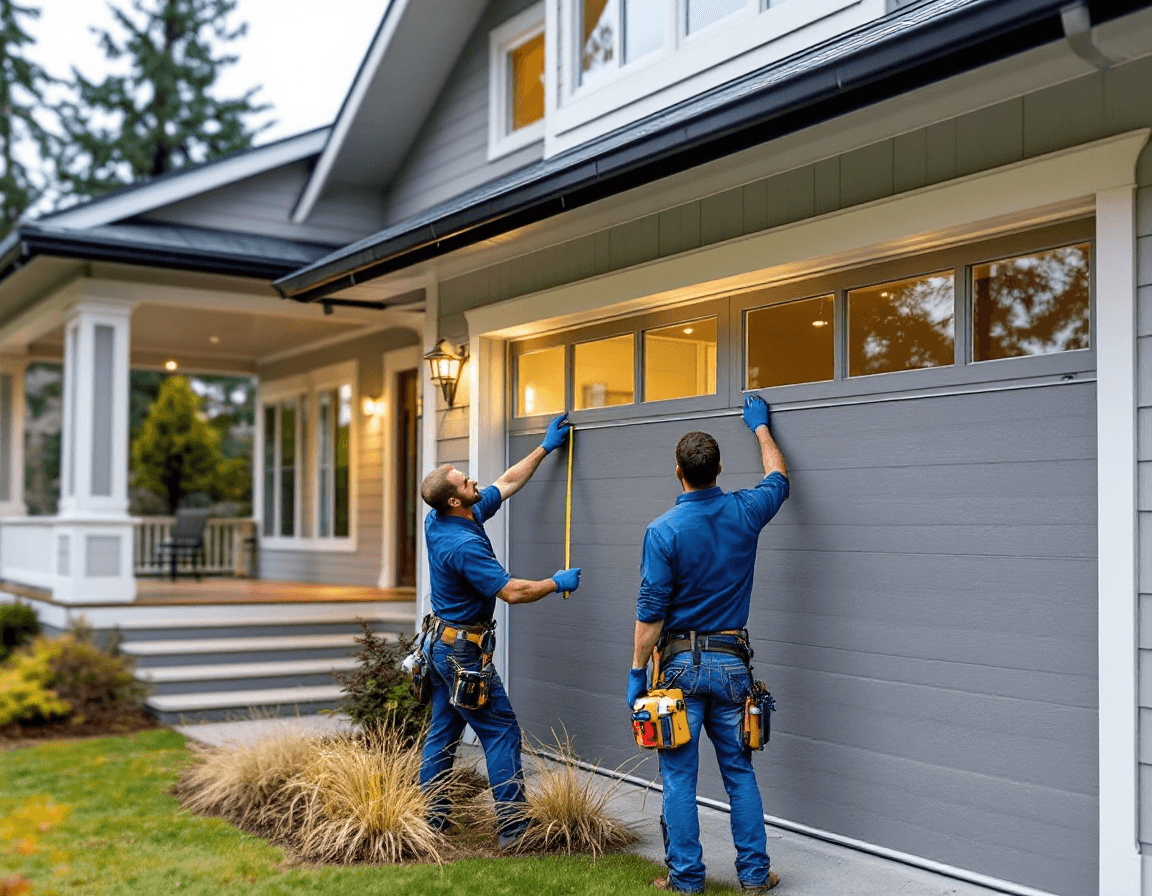
Garage Door Installation & Replacement in Mill Creek, WA is often the right call when a repair no longer makes financial sense, when an old door is working against your home's comfort, or when a remodel calls for something better. The garage door is the largest moving part of most houses, and it takes daily wear from wind, rain, and temperature swings. Many Mill Creek homeowners reach a point where patching the same panel or replacing the same opener for the third time is more expensive than starting over. This page explains how to think through that decision.
Mill Creek sits in the heart of Snohomish County, close to the Town Center shops and the quieter residential streets around the Silver Firs area, and the homes here vary widely in age and style. Some have original builder-grade doors that have held up well for decades, while others have doors that were installed during a remodel and have never been properly sealed. Because we work across the greater Seattle and Western Washington region, we see how the same door can perform very differently from one neighborhood to the next, depending on exposure, tree cover, and how the house handles moisture. The goal of this guide is to help you make a clear, informed choice rather than a rushed one.
Whether you are replacing a single-car door, upgrading a double-wide opening, or adding a new door to a converted or expanded garage, the process starts with understanding your options. Installed pricing typically runs from about $950 to $3,800 or more, and the spread comes down to door type, materials, size, insulation, and hardware. The sections below walk through those variables in plain language so you can compare quotes on equal footing. You will also find practical notes about safety, since spring and cable work should always be handled by a licensed professional.
Why Mill Creek Homeowners Are Replacing Doors Instead of Patching Them
Many of the calls we take in Mill Creek start with the same frustration: the door works, but only just, and every season brings a new problem. A panel bows after a wet winter, the bottom seal cracks, the track gets out of alignment, or the opener strains every time the door goes up. Repairs are often worth doing on a door that is otherwise sound, but there is a point where the cumulative cost and inconvenience outweigh the benefit. When a door has been patched repeatedly, the underlying structure may be fatigued, and each new fix can create stress somewhere else.
A useful test is to ask whether the door's core components still match the rest of the system. If the panels are warped, the hinges are corroded, the rollers are worn, and the springs are near the end of their rated cycles, you are no longer replacing one part. You are replacing a collection of parts that were designed to work together and no longer do. In those cases, a complete installation with a matched door, track, and hardware usually gives you a more predictable result than another round of spot repairs.
Storm damage is another common trigger. Windstorms that roll through Snohomish County can push a door out of its track, dent a panel, or crack a window section, and sometimes the damage is hidden behind the surface. If a door has been hit hard or has taken on water, have it inspected thoroughly before assuming a repair will hold. Insurance claims can sometimes cover storm-related replacement, but the details depend on your specific policy, so check with your insurer before committing to a plan.
Choosing Between Single and Double Door Layouts
Before you look at colors or styles, measure the opening carefully and decide how you actually use the space. A single-car door typically has a narrower opening and leaves little margin for error, while a double-car opening can be configured as one wide door or two separate doors with a center post. Each layout has trade-offs in cost, structural support, and how the door moves. A wide single door can look sleek, but it places more weight on the springs and track and may require heavier hardware. Two separate doors can be easier to handle and may be more forgiving if one panel is damaged, but the center post changes the look and the usable space inside.
Homes in Mill Creek often have garages that were designed for one vehicle plus storage, and many owners have since converted part of the space or added a second bay. If you are considering a layout change, make sure the header above the opening can support the new configuration. This is not something to guess at. A qualified installer will check the framing, clearance above the opening, and space behind the door for the track and opener before recommending a size.
Do not overlook headroom and backroom depth either. Some garages have limited space above the door, which can rule out certain track configurations, and shallow garages may not leave enough room behind the door for a standard track layout. Low-headroom or high-lift setups exist for these situations, but they affect the price and the opener you need. Measuring the opening, headroom, sideroom, and backroom before you request quotes will save time and help every estimate you receive be accurate.
Materials Side by Side: Steel, Wood, Glass, and Aluminum
Steel is the most common material for residential replacement doors, and insulated steel is the workhorse of many Pacific Northwest garages. Steel panels are durable, relatively low in maintenance, and available in a wide range of styles, including carriage-house looks that mimic traditional swinging doors. Insulated steel uses a foam core between two skins, which improves thermal performance and also reduces the drumming noise that thin steel can make in wind. Quality varies by manufacturer, so compare construction details rather than focusing only on the finish.
Wood doors offer a warmth that many Mill Creek homeowners want, especially on craftsman-style or traditional homes with wood trim. Real wood requires more attention than steel, particularly in a region that gets sustained rain from fall through spring. Sealing, staining or painting, and periodic inspection of the bottom edge and joints are part of owning a wood door here. Engineered wood and composite options are available and can offer a similar appearance with better moisture resistance, which is worth discussing with your installer.
Glass and aluminum are popular for modern homes and for owners who want more natural light in the garage. Glass sections can brighten a workshop or a home gym space, but they transmit more heat and cold than solid panels, so they are usually paired with insulated frames and quality glazing. Aluminum frames are lightweight and resist rust, which suits damp coastal-influenced air, though they are less thermally efficient on their own. A good installer will help you balance visual appeal against comfort, especially if the garage is heated or shares a wall with living space.
Insulation, Seals, and Keeping Heat Inside Through Wet Winters
Western Washington winters are rarely brutally cold, but they are long, damp, and gray, and the temperature inside an unheated garage often tracks closer to the outdoors than homeowners expect. If your garage shares a wall with a bedroom, a laundry room, or a home office, an uninsulated door can quietly pull heat out of the house and make adjacent rooms feel colder. Insulated doors reduce that loss, and the difference is more noticeable when the garage is used as a workspace or hobby area during the winter months.
Insulation is only part of the picture. The seals around the perimeter, the bottom weatherstrip, and the top and side seals are what keep drafts and moisture from sneaking in. Worn or flattened seals are one of the most common reasons a new door still feels cold. When you compare quotes, ask what weatherstrip package is included, whether the bottom seal is replaceable, and how the door is designed to meet the floor and frame. Small details like these often have a bigger effect on comfort than the R-value printed on a label.
It is also worth asking about the door's construction and how it was tested. Manufacturers publish performance information for their products, and you should read it carefully rather than relying on general claims. If energy efficiency is a priority, consider how the door will interact with your garage ceiling insulation, any attic access, and the wall between the garage and the house. A door is one component in a larger building envelope, and the best results come from addressing the whole space together.
Wind Ratings and Storm Readiness for Snohomish County Weather
Wind is a real consideration in Snohomish County. Sudden gusts, especially during autumn and winter storms, can put significant pressure on a large garage door, and a door that flexes too much can pop out of its tracks or buckle at the top section. Many manufacturers list wind load ratings for their doors, and those ratings matter most for wide openings, exposed locations, and homes with open views or limited shelter from prevailing winds. Ask your installer how the door, track, bracing, and wall anchoring were considered for your specific setup.
Storm readiness also includes the hardware that holds everything together. Heavy-duty hinges, reinforced end stiles, properly sized tracks, and well-anchored brackets all contribute to how the door handles pressure. If your existing installation shows signs of stress, such as bent track sections, loose bolts, or cracks radiating from hinge points, those are signals to address before the next storm rather than after. A door that was never braced properly for its size can fail even when the panels themselves are solid.
For garages with a window or glass panels, consider impact and wind resistance as part of the selection. Glass sections should be rated for the expected loads and installed with appropriate framing. If you have a backup power plan, remember that a garage door opener typically needs power to operate, so knowing how to use the manual release safely is important during an outage. Keep the manual release handle accessible and ask your technician to show you how it works during the installation visit.
Fighting Rot and Rust in Damp Western Washington Air
Moisture is the main enemy of garage doors in this part of the country. Rain runs down driveways, splashes onto the bottom panel, and collects in the seams of the door, while humidity keeps surfaces damp for long stretches. Steel can develop rust at scratches, dents, and fastener points, and wood can swell, cup, or rot if the finish breaks down and water gets into the end grain. Aluminum resists rust well but can still corrode where dissimilar metals touch, and all materials can be stressed by repeated expansion and contraction.
Choosing the right finish and construction is the best defense. For steel, look for quality coatings and factory finishes that are backed by a clear warranty, and ask how the door handles edge protection and galvanizing. For wood, discuss sealing systems and the maintenance schedule before you buy, because a beautiful wood door that is neglected will not last in a wet climate. Composite and engineered options can be a practical middle ground for owners who want the look of wood without the same level of upkeep.
Drainage and installation details matter as much as the material. A door that sits too low can collect water at the threshold, and a poorly sloped driveway or a clogged threshold drain can send water under the door. Your installer should check whether the door's bottom seal sits properly on the floor and whether the surrounding trim and weatherstrip are shedding water correctly. A few minutes spent on these details during installation can prevent years of staining, swelling, and corrosion.
Matching Carriage Style and Curb Appeal Across Mill Creek Neighborhoods
Curb appeal is one of the reasons many homeowners upgrade, and the garage door often covers more of the front façade than people realize. Carriage-style doors, with their horizontal panels, decorative hardware, and window grids, have become a popular choice for homes that want a traditional or farmhouse look. In Mill Creek, where many homes were built with a mix of architectural styles, the right door can tie the front of the house together or give an older home a fresh and cohesive appearance.
Color and hardware deserve as much thought as the panel style. Dark finishes can look dramatic against light siding, while warmer tones may blend more naturally with cedar or stone accents. Hardware, such as handles, hinges, and decorative straps, can add character, but it should be proportionate to the door and in keeping with the rest of the house. Walking the street and looking at neighboring homes can help you decide whether you want the door to stand out or to complement the look of the block.
Consider how the new door will look at different times of day and under overcast skies, since the Pacific Northwest rarely offers the hard, bright light that makes some colors appear more vivid. Sample panels or a photo study of finishes on a similar home can be more helpful than a small swatch. If your home has a covered porch or a deep overhang, factor that shade into your color selection so the door does not look washed out or too heavy.
Planning a Remodel or Addition Around Your New Door
Garage doors are often part of a larger project, such as a kitchen remodel that also involves the mudroom, an addition that changes the footprint of the garage, or a conversion of the space into a living area or workshop. Each of these projects changes the requirements for the door. An addition may create a new opening, a conversion may call for a fully insulated door and better seals, and a workshop may need extra headroom or a wider opening for larger equipment or vehicles.
Timing matters when a remodel is underway. If framing, drywall, or electrical work is still in progress, the installer may need access to the opening and surrounding wall, and the sequence should be coordinated so the door is not damaged during the rest of the project. If the garage is becoming a living space, consider the door's insulation rating and how it contributes to the overall envelope, since a poorly sealed door can undo the benefits of insulated walls. Discuss the plan with your contractor before ordering the door.
Electrical planning is part of this too. Openers, keypads, lights, and any future smart features depend on outlets and wiring in the right place. If you are adding a door for a remodel, ask whether the opener location, outlet, and control wiring have been considered. These small details are easier to solve during construction than after the drywall is finished.
What a Professional Installation Visit Involves
A professional installation is more than hanging a door. A proper visit starts with measuring the opening, checking the header, inspecting the wall and floor, and confirming the track configuration and opener needs. The technician will also look at the existing hardware if you are replacing a door, documenting anything that needs to be removed or corrected, such as worn bearings, damaged header brackets, or misaligned sections that could affect the new door's performance.
Safety is central to every step, and this is where we want to be very direct. Torsion springs and extension springs store enormous amounts of energy, and improper handling can cause serious injury. Spring adjustment, cable replacement, and spring replacement should only be performed by a licensed, trained professional with the proper tools. Homeowners should never attempt these tasks on their own, even if they have watched a video or helped a friend with a similar job. If a spring or cable has failed, keep everyone away from the door and call a qualified technician.
After installation, the technician should test the door's balance, travel, reversing safety features, and opener settings. They should show you how the manual release works, explain how to clean and maintain the door and seals, and review the warranty terms. A thorough walkthrough at the end of the job is a good sign that the installer is focused on long-term performance rather than just getting the door hung and leaving.
Budgeting from $950 to $3,800+: What Drives the Final Price
Installed pricing for new garage doors commonly ranges from about $950 to $3,800 or more, and the reason for that spread is not mysterious. The door itself is the largest variable, with materials, insulation, glass, and decorative details all adding to the cost. Size and layout also matter, since a double-wide door costs more than a single, and specialty configurations such as low-headroom or high-lift tracks require additional hardware. Openers, weatherstrip upgrades, and removal of the old door are often separate line items.
Below are the factors that most often shape a quote:
- Door material and construction, such as insulated steel, wood, composite, glass, or aluminum
- Single or double-car opening, and whether the layout uses one wide door or two panels
- Insulation level and the quality of seals and weatherstrip included
- Track configuration, headroom and backroom limitations, and any structural work
- Opener selection, including battery backup, smart controls, and extra remotes
- Removal and disposal of the existing door and any repairs to framing or trim
When comparing estimates, make sure each quote covers the same scope. A lower number may leave out removal, a new opener, or the bottom seal, while a higher number may include those items and better hardware. Ask every installer to itemize materials, labor, warranty coverage, and any permit or inspection costs so you can see what you are actually buying.
Permits, Warranties, and Questions Worth Asking Before You Sign
Some garage door projects require permits, especially when the work involves structural changes, a new opening, or electrical work. Requirements can depend on the scope of the job and local rules, so ask your installer whether a permit is needed and who will handle it. A reputable company will be transparent about permits and will not pressure you to skip a step that protects your home and your insurance coverage. Confirm current requirements with the City of Mill Creek or your permitting office before the work begins.
Warranties deserve careful reading. Door manufacturers typically offer coverage on panels, finishes, and components, while installers may offer a separate workmanship warranty. Understand what is covered, for how long, and what voids the coverage, such as lack of maintenance or damage from improper use. Ask how claims are handled and who you contact if a problem arises after the job is finished.
A few practical questions can help you choose the right partner. Ask whether the company is licensed, bonded, and insured, and request proof rather than relying on verbal assurances. Ask who will perform the installation, whether they are employees or subcontractors, and how they handle spring and cable work. Ask what happens if the measurements turn out to be different on installation day, and get the answer in writing. Clear answers now will save frustration later.
Replacing a garage door is a significant investment in your home's safety, comfort, and curb appeal, and the right choice depends on your opening, your climate, your budget, and how you plan to use the space. If you are weighing a new door in Mill Creek or anywhere in the surrounding Snohomish County area, our team can measure your opening, walk through material and insulation options, and give you a clear, itemized estimate with no pressure. Call Seattle Garage Door Fix at (888) 799-3819 to schedule a consultation and get your questions answered by a licensed professional.