
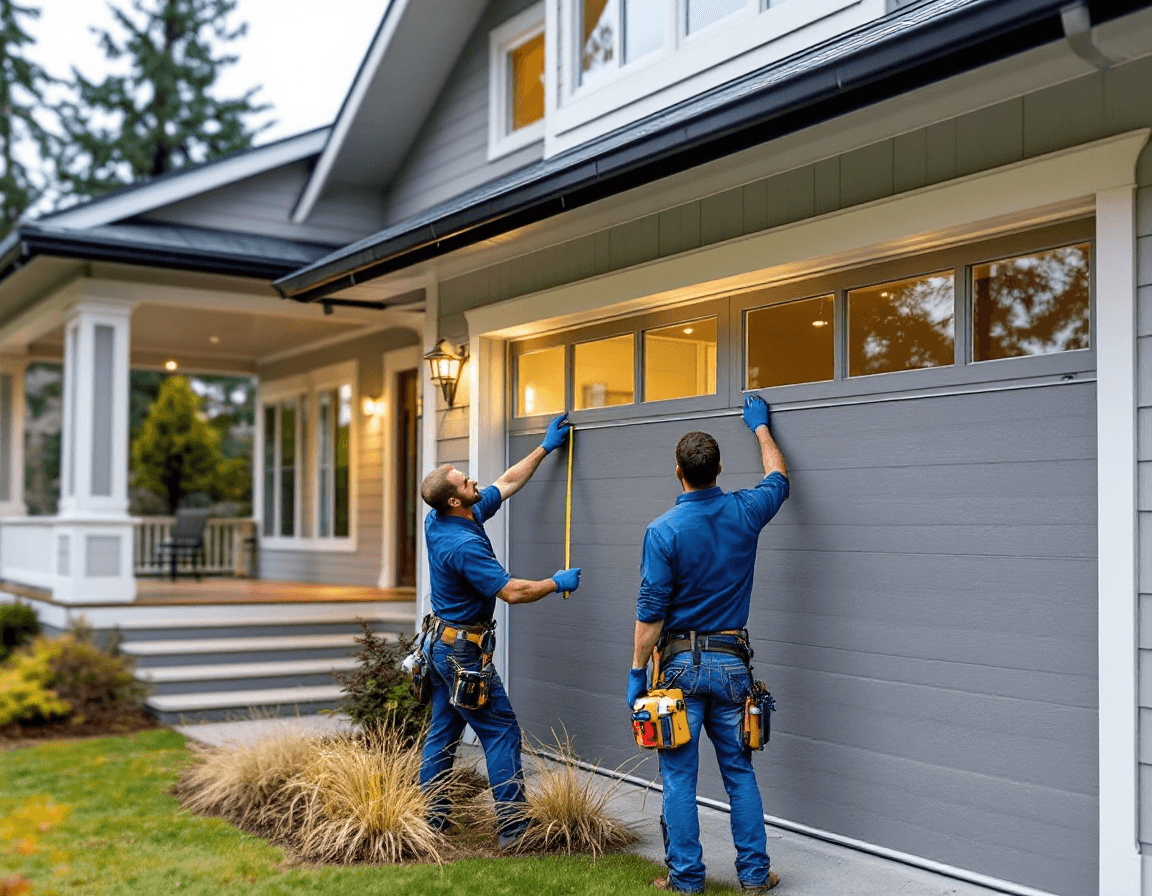
Garage Door Installation & Replacement in Everett, WA is one of the most consequential home projects a local homeowner can take on, because the door is the largest moving object on the property and it has to hold up to rain, wind, and salt air for years. Many Everett households reach the point where repairs no longer make financial sense, whether the panels are warped, the frame is corroded, or the opener has been fighting an old track for a decade. When that happens, a well-planned replacement can improve safety, comfort, curb appeal, and daily convenience all at once. This page explains how we approach that decision for homes across Everett and the surrounding Snohomish County communities we serve.
Everett sits where the Snohomish River meets Port Gardner and Possession Sound, and that location shapes almost everything about how a garage door performs. Winters bring long stretches of drizzle, the occasional atmospheric river, and wind gusts that can push against a wide, unsupported door face. Summers are usually mild, but morning marine layers keep surfaces damp longer than many homeowners expect. A door that looked fine in a dry climate may start showing edge swelling, hinge stiffness, or bottom-seal failure within a few seasons here, which is why material and weatherproofing choices deserve more attention than they might elsewhere. We build every recommendation around these conditions rather than generic catalog advice.
Whether you live near Downtown Everett, out toward Silver Lake, or in a newer development closer to Harbour Pointe, your garage door is working against the same forces. Our crews serve homes across the ZIP codes 98201, 98203, 98204, and 98208, and we bring the same discipline to a single-car replacement on a 1950s bungalow as we do to a double door on a modern two-story house. The sections below walk through the key questions, from deciding whether to replace at all, to choosing materials, understanding price ranges, and protecting your investment afterward.
Reading the Damage: When Replacement Makes More Sense Than Repair
The first question most homeowners ask is whether a door can be saved, and the honest answer depends on what is actually failing. Individual panels can often be swapped, a broken spring can be replaced, and a worn roller set is a modest repair. However, when several components are failing at once, or when the door itself has lost its structural integrity, patching the problem only delays the next call. We look for warped or delaminated panels, cracked tracks, rusted bottom brackets, and sections where the steel skin has separated from its foam core.
Storm and rot damage deserve special attention in Everett. Wind-driven rain can work its way behind weatherstripping and into wood or composite panels, and once moisture is trapped inside a section, it can rot the core from the inside before the surface shows obvious signs. Steel doors can develop rust at scratches or where coastal air settles on exposed hardware, especially on the lower panels that collect spray from the street. If a storm has bent a section or pulled a track out of alignment, the replacement conversation should start right away, because a distorted frame places stress on the opener and the remaining hardware.
Repeated breakdowns are another signal that replacement may be the smarter path. If you have paid for the same type of repair two or three times in a few years, the door may be too heavy for its current springs, too worn for its tracks, or simply built to a lower standard than what you need now. We typically recommend a side-by-side cost comparison: the cumulative price of recurring service calls versus the installed cost of a new door with a warranty and better hardware. Most homeowners find that once the math is laid out clearly, the decision becomes much easier.
Salt Air, Drizzle, and Rot: How Everett's Weather Shapes Door Choices
Materials that perform beautifully in a dry inland climate can struggle along the Snohomish County shoreline. Salt and humidity accelerate corrosion on hinges, rollers, and bottom brackets, and they encourage mildew on wood surfaces that never fully dry between rain events. For this reason, we pay close attention to finishes, sealing details, and the quality of the weatherstripping on every door we install in Everett. A door built for this environment is not necessarily the most expensive one, but it does need the right combination of coatings and construction.
Wind is the other major factor. Everett experiences seasonal wind events that can flex a wide door, particularly a double-car model with a large unsupported span. Doors are often given a wind load rating by the manufacturer, and while we will never promise a specific performance number beyond what the product certification states, we will make sure the door you choose is appropriate for the exposure of your home. Homes with open lots, tall adjacent trees, or elevated positions may warrant closer review of bracing, track configuration, and header support.
Drainage and threshold details matter just as much as the door itself. Standing water at the base of a garage door can wick into the bottom panel and corrode its lower edge, so a properly adjusted bottom seal and a sound slab slope are essential. We check the concrete apron for cracks or pooling during every replacement and recommend corrections where needed. Taking these small steps during installation prevents many of the problems homeowners would otherwise blame on the door.
Insulated Steel, Wood, Glass, or Aluminum: Matching Material to Your Home
Choosing a material is part function and part personality, and the right answer depends on how the garage is used. Insulated steel is the most common choice for Everett homes because it balances durability, weather resistance, and energy performance. Modern steel doors typically have a foam core bonded to the outer skins, which helps reduce heat transfer and dampens the rumble that thin single-skin doors produce. If the garage is attached to living space or used as a workshop, insulation becomes a meaningful upgrade in comfort.
Wood carriage-style doors offer warmth and craftsmanship that many homeowners want for historic or character-rich homes. They require more attention than steel, including periodic refinishing and careful sealing of edges and joints to protect against moisture. Engineered wood and composite options can reduce some of that maintenance while still delivering the look of traditional carriage doors. Glass and aluminum designs bring in natural light and a contemporary feel, though they generally provide less insulation than foam-filled steel unless the glazing and frame are specifically rated for better performance.
When comparing options, we suggest asking a few practical questions. How much daily sun does the door face receive? Is the garage used for storage, parking, or a workspace? Will the door be visible from the street, and does the neighborhood have design guidelines or an HOA? The answers help narrow the field quickly. We are happy to show samples in person so you can see finish colors and panel profiles in natural Everett light before you commit.
- Insulated steel: strong all-around performance, good for most Everett homes, available in many styles
- Wood carriage-style: classic appearance, needs regular sealing and refinishing
- Composite or engineered wood: low-maintenance alternative with a similar look
- Glass and aluminum: bright, modern appearance, lighter weight, lower insulation unless upgraded
Carriage Houses and Craftsman Facades Around Downtown and Silver Lake
Many homes in and around Downtown Everett and the Silver Lake area have architectural details that deserve a door to match. Craftsman bungalows, older farmhouse-style homes, and a range of mid-century houses all have distinct proportions, trim profiles, and roof lines. A garage door that looks out of place can make an otherwise well-kept home feel unfinished from the curb, while a door that echoes the home's original character can add real visual value.
For carriage-style designs, the details matter. Faux hinges, decorative handles, and divided glass lites can recreate a traditional look while keeping the modern operating advantages of a sectional door. We often recommend matching the color to the trim, siding, or front door hardware rather than picking a color in isolation. Subtle choices, such as a deeper stain on a wood-look steel panel or a muted green that complements existing landscaping, can make a big difference in how the finished house reads.
Measure the existing opening carefully before choosing a design. Some older garages have non-standard widths, shallow headers, or framing that does not match current production sizes. Adjusting the door to fit is sometimes the best option, but it can add cost and complexity. We walk through these constraints during the estimate so there are no surprises on installation day, and we will tell you plainly if a particular style would require more framing work than you expected.
Harbour Pointe Homes and Designing for Views, Wind, and Light
Homes in and around the Harbour Pointe area often have a different relationship with the outdoors than inland properties. Water views, open sightlines, and larger driveway frontages mean the garage door becomes a more visible part of the home's exterior composition. Many owners in this kind of setting want a clean, uncluttered look with minimal panel seams and a finish that holds up to bright reflected light off the water. Glass sections can be a good fit here, provided you consider privacy and the amount of heat gain from afternoon sun.
Exposure also matters. Properties with open approaches to the water may experience stronger wind than sheltered lots a few blocks away, so we pay attention to bracing, track mounting, and the condition of the header when we evaluate these homes. A door with a higher wind load rating, reinforced stiles, or a more robust track system can provide peace of mind, particularly for wide double doors. These are decisions we discuss openly, based on the specific home and the product's certified specifications.
If your home is designed around a modern aesthetic, a contemporary aluminum or steel door with horizontal grooves or full-glass panels can complement large windows and simple exterior materials. Pairing the door with a quieter belt-drive opener can also make a noticeable difference in a neighborhood where early-morning and evening quiet is valued. We are glad to help you think through the full picture, including how the door will look from the street, from inside the home, and from the driveway at different times of day.
Remodels and Additions: Sizing the Opening Before You Order
Adding a new garage door during a remodel or an addition is a different kind of project from a straight replacement. In these cases, the opening itself may be changing, the wall may be getting new framing, or the door may be part of a larger redesign of the front elevation. Careful planning at the start prevents costly delays later. We recommend coordinating with your general contractor, architect, or designer early so that the rough opening, header, and electrical or opener mounting locations are settled before drywall or siding goes up.
Structural work requires attention to local requirements. Depending on the scope, a change to an existing wall opening, header, or foundation may need a permit and inspection through the City of Everett or the relevant county jurisdiction. Replacing a door in an existing opening of the same size is often simpler than enlarging it, but homeowners should always confirm requirements before committing to a plan. We will tell you what we know about the typical process, and we recommend checking directly with the permitting office for your specific property.
Once the opening is set, the details become more precise. Headroom, sideroom, and backroom clearances determine whether a particular track configuration will fit, and they influence whether a low-headroom or high-lift system is needed. Electrical planning for the opener, weatherproof outlets, and any smart-home integrations should be finalized before the drywall is hung. A little forethought in the remodel stage can save considerable money and frustration once the new door arrives.
Understanding Price Ranges from $950 to $3,800 and Beyond
Pricing for garage door installation in the Everett area varies widely, and we believe homeowners should understand what drives those differences. Our installed prices generally range from about $950 to $3,800 or more, depending on the door type, the material, the size, the insulation package, the hardware, the style details, and the complexity of the installation. A basic single-car steel door in a standard opening sits at the lower end of that range, while a custom wood carriage double door, a large glass design, or a project requiring framing changes will land higher.
Several factors shift the number. Double-car doors cost more than single-car doors because they use more material and more robust hardware. Insulation upgrades, reinforced wind bracing, decorative hardware, and premium finishes add cost but may deliver real value depending on how the garage is used. Removal and disposal of the old door, adjustments to framing, and any electrical work for a new opener are also line items to consider. We provide itemized estimates so you can see exactly what you are paying for.
Price should be weighed against long-term performance, warranty coverage, and installation quality. A less expensive door installed with poor alignment or inadequate sealing can cost more over time than a properly fitted premium door. When we review an estimate with you, we will explain the trade-offs honestly, including where spending more is worthwhile and where a standard option meets your needs just as well. We would rather you make an informed choice than feel pressured toward the most expensive package.
What a Professional Installation Involves, Step by Step
A proper installation follows a sequence that protects both the homeowner and the equipment. It begins with a site assessment that checks the opening dimensions, the condition of the header and jambs, the level of the floor, and the presence of any obstructions such as ductwork, lighting, or water lines. We verify that the new door's specifications match the opening before anything is removed, because discovering a mismatch after the old door is gone creates an unnecessary exposure to the weather.
Next comes removal and preparation. The old door is carefully disassembled, with spring tension handled by trained technicians who understand the stored energy involved. The tracks, rollers, and brackets are inspected, and any damaged framing or worn hardware is noted. Once the opening is clean and square, the new door is assembled, fitted to the tracks, and balanced. Balancing is one of the most important steps, because a correctly balanced door opens and closes smoothly and reduces strain on the opener.
Final steps include installing the opener if applicable, programming remotes and keypads, setting the limit and force adjustments, and testing the auto-reverse safety features. We check the bottom seal against the slab, adjust the weatherstripping, and confirm that the door clears all obstructions through its full range of motion. Before we leave, we walk you through how the door operates, what routine care it needs, and whom to call if something feels off.
- Site assessment and opening measurement before ordering or removal
- Careful removal of the old door with proper spring handling
- Track alignment, panel fitting, and door balancing
- Opener installation, safety reverse testing, and remote programming
- Final seal adjustment and a walkthrough for the homeowner
Why Spring and Cable Work Belongs to Licensed Technicians
Garage door springs store a large amount of tension, and the cables, drums, and bearings around them can fail suddenly and dangerously when mishandled. This is why we strongly recommend that homeowners never attempt to wind, unwind, adjust, or remove torsion or extension springs themselves. Even a seemingly simple task can lead to serious injury if a spring releases unexpectedly. Spring and cable work should always be performed by licensed, bonded, and insured professionals with the training and tools to do it safely.
Installation projects bring these hazards into sharp focus. During a replacement, the old spring system must be released in a controlled manner, and the new system must be tensioned to the correct specification for the door's weight and size. Our technicians use proper winding bars, safety stops, and verification steps throughout the process. We would rather spend an extra few minutes on a safety check than leave a homeowner with a door that is not balanced correctly.
There are also practical reasons to hire a professional for these tasks. Incorrect spring tension can damage the opener, strain the tracks, and void warranties. Cables that fray or fail can allow a door to drop, which can damage vehicles and create a crush hazard. If your door is making grinding, popping, or snapping noises, or if one side appears to be sagging, please stop using it and call a licensed technician rather than attempting a fix yourself.
Choosing a Contractor and Asking the Right Warranty Questions
Selecting a company to install your new door is one of the most important decisions in the project. Because a garage door is a large investment and a safety-critical system, you should look for a contractor who can clearly explain licensing, insurance, and the warranty terms that apply to both the product and the labor. A reputable company will welcome these questions and answer them directly. Avoid anyone who is vague about coverage or pressures you to decide on the spot.
When you request estimates, compare them using the same details. Confirm the door model, insulation rating if applicable, wind load information provided by the manufacturer, the track and hardware package, and whether removal and disposal are included. Ask whether the price covers an opener and, if not, what the opener installation would add. A clear, itemized estimate makes it much easier to compare options fairly.
Warranty language deserves careful reading. Manufacturers typically provide coverage on panels and certain components, while labor warranties are provided by the installing company and may have different time frames and conditions. Ask what is covered, what voids the warranty, and how claims are handled. Please ask for these answers in writing so that you have a clear reference if a question comes up after installation.
- Confirm current licensing, bonding, and insurance before work begins
- Request an itemized estimate that lists door model, materials, and hardware
- Ask for both manufacturer and labor warranty terms in writing
- Verify whether removal, disposal, and opener work are included
- Ask how the company handles adjustments during the first few months
Caring for Your New Door Through Everett's Wet Seasons
A new garage door will perform well for many years, but it still benefits from simple, regular maintenance. In the Pacific Northwest, the most valuable habit is a seasonal inspection, ideally in early fall before the heaviest rain arrives and again in late winter after the wettest months. Look at the bottom seal for cracks or flattening, check the weatherstripping along the sides and top, and wipe down the panels to remove salt residue and grime that can dull the finish over time.
Lubrication and hardware checks keep the door moving quietly. Use a silicone-based or manufacturer-recommended lubricant on hinges, rollers, and track surfaces, and avoid heavy grease that can attract dirt. Tighten loose bolts gently, and listen for changes in sound that might indicate a worn roller or a loose bracket. For wood doors, plan on periodic refinishing and resealing, paying special attention to the bottom edge and any joints exposed to rain splash.
Finally, know when to call for help. If the door begins to move unevenly, reverse unexpectedly, stop partway through its travel, or show visible gaps at the top or sides, schedule a service visit before a small problem becomes a major repair. Keep a record of maintenance dates and any warranty paperwork in a single folder so it is easy to find when you need it. Taking care of your door is one of the simplest ways to protect the investment and keep your home looking its best.
Whether your current door is cracked, rusted, storm-damaged, or simply out of step with the way you want your home to look and perform, Seattle Garage Door Fix is ready to help homeowners across Everett and the surrounding ZIP codes 98201, 98203, 98204, and 98208. We will assess the opening, discuss material and insulation options that suit Everett's climate, provide a clear itemized estimate, and handle installation with licensed, bonded, and insured technicians. Call (888) 799-3819 today to schedule your free consultation and learn which door fits your home and your budget.