
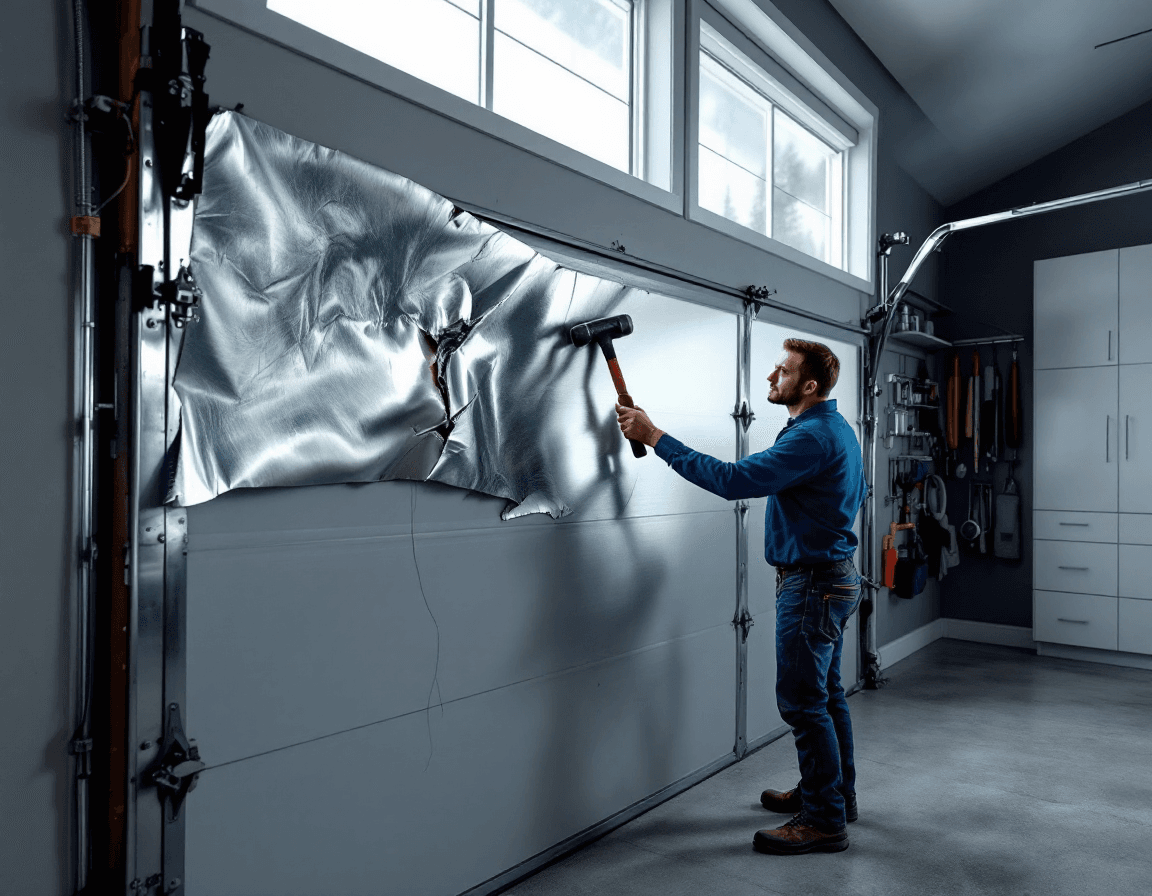
Garage door panel replacement in Everett, WA is often the most sensible fix when one section of an otherwise healthy door has taken a hit. A dented bottom panel from a backing accident, a cracked section after a windstorm, or a rusted panel near the floor can make the whole door look worn out even when the springs, rollers, and opener are still in good shape. Replacing only the damaged section costs far less than a new door, and it lets you keep the working hardware you already have. For many Everett homeowners, that is the difference between a small repair and an expensive replacement they did not need.
Seattle Garage Door Fix serves homes across Everett and the surrounding Snohomish County communities, including neighborhoods near Downtown Everett, the Silver Lake area, and the Harbour Pointe district. Our technicians see the same patterns repeatedly: panels that have softened from years of rain, steel sections with rust creeping up from the bottom edge, and wood doors that have swelled and split after a damp season. Panel replacement is a precise job, and matching the new section to the existing door matters as much as the structural fix. This guide explains how to read the damage, decide whether a panel should be replaced or the whole door reconsidered, and what to expect from the process and cost.
Reading the Damage: Dents, Cracks, and What They Mean
Not every dent calls for a new panel. A shallow dimple in the middle of a steel section may only affect appearance, while a crease that runs along a horizontal stiffening ridge can weaken the panel enough to change how it tracks in the track. Look closely at whether the dent has bent the edges of the panel where it meets the next section. Edge damage is important because it can affect how the rollers seat and how smoothly the door travels, even if the panel itself still looks solid from a few feet away.
Cracks deserve more attention than dents. On insulated steel doors, a crack through the outer skin can expose the foam core to moisture, and once water gets inside, the insulation loses much of its value. On wood doors, cracks often follow the grain and can open further each time the wood swells and shrinks with the seasons. If you see a crack that runs through a panel's full thickness or continues into a neighboring section, a technician should evaluate whether a single panel swap will hold up or whether the damage points to a larger problem with the door's frame or hinges.
Take a few photos before anything is repaired, especially if you plan to file an insurance claim. Measure the height and width of the damaged section and note where it sits on the door, such as the bottom panel, a middle section, or the top. Those details help a technician confirm the correct replacement part before arriving on site. Bringing the door's model information or a manufacturer label photo, usually found on the back of a panel or inside a side track area, can save time on the day of the visit.
Why Everett's Wet Winters Work on Steel and Wood Panels
Everett's climate is mild by many national standards, but its persistent moisture is hard on garage doors. Long stretches of gray, damp weather mean panels rarely dry out completely between storms, and that constant humidity encourages corrosion on exposed metal edges and mildew on wood surfaces. The bottom panel takes the worst of it, since rain splashes up from the driveway and water pools against the threshold after heavy downpours. Over several seasons, a bottom section that looked fine can begin to bubble, flake, or soften from the inside out.
Wood doors and wood-look composite doors respond to this moisture in their own ways. Solid wood panels absorb water, swell in the wet months, and shrink as the weather dries, which can open gaps at joints and split the face of a panel along the grain. Paint and sealant help, but they need regular maintenance, and a neglected finish can let water reach the core of a panel in a single wet winter. Many homeowners in older Everett neighborhoods have doors that were installed before modern weatherproofing, so panels can show their age faster than expected.
Moisture also affects the way a damaged section fails. A small dent on a dry day may seem harmless, but water that collects in that depression can freeze during a cold snap and widen the damage over time. For this reason, our technicians often recommend addressing even minor panel damage before the wet season sets in. A panel replaced in the fall is far easier to live with than a door that has been slowly deteriorating through a full winter.
Salt Air and Sound Breezes: Rust Patterns Near the Water
Homes closer to the shoreline face an additional challenge. Air carrying salt and fine mineral particles from Possession Sound and the surrounding waterways can settle on exterior surfaces, and garage doors are no exception. Steel panels on homes near the water often show rust earlier than similar doors farther inland, typically beginning at fasteners, seams, and the lower edges where salty moisture collects. Harbour Pointe and other waterfront-adjacent areas are places where we commonly see this pattern.
When rust is present, the question becomes how far it has spread. Surface rust on the face of a panel can sometimes be cleaned, primed, and repainted, especially if the metal is still firm. Rust that has eaten through the skin, lifted the paint in blisters, or weakened the edges of a panel usually means the section should be replaced. Pay attention to rust around hinge points and where panels join, because corrosion in those areas can affect how the door moves and how well the sections align.
Galvanized steel and powder-coated finishes resist corrosion better than basic painted steel, but no finish lasts forever in a salt-influenced environment. If your replacement panel is being matched to an older door, a technician can discuss coating options and whether a more corrosion-resistant finish makes sense for your location. Rinsing the lower panels with fresh water every few months, especially after storms that bring salt spray, can slow the buildup and extend the life of both the old sections and the new one.
Repair or Replace? A Practical Decision Path
Deciding between a repair and a full replacement starts with the condition of the panel itself. If the damage is limited to a single section, the surrounding panels are sound, and the door tracks smoothly, panel replacement is usually the right answer. If multiple panels are cracked, rusted through, or delaminating, the cost of replacing several sections can approach the price of a new door, and at that point a broader conversation about the door's age and overall condition makes sense. Age matters too, because a door that is decades old may have other wear that a new panel will not address.
Think about the rest of the door as well. Panels are attached to hinges, rollers, and track, and damage to those parts can make a new panel look good while the door still performs poorly. Ask whether the door has been binding, making unusual noises, or sitting unevenly when closed. If the panel damage came from an impact that also bent a track or shifted a hinge, the panel may be the smallest part of the repair. Our technicians check those connected components before recommending a replacement so that a new section is not installed on a door that cannot support it.
A simple way to frame the decision is to compare three numbers: the cost of replacing the damaged section, the estimated cost of any other necessary repairs, and what you expect to get from the door over the next several years. If the door is structurally sound, has good hardware, and only needs one section updated, replacement is often the most cost-effective choice. If the door is aging and showing widespread wear, a full replacement may give you better insulation, security, and appearance for the money. A licensed technician can walk through these scenarios with you on-site and give you a clear recommendation without pressure.
Matching a Panel That Has Faded Over the Years
Matching is one of the trickiest parts of panel replacement. A section that was installed ten or fifteen years ago has likely been exposed to sun, rain, and salt for much of its life, so its color may have shifted even if the original paint was a perfect match at the time. The Everett sun is not especially intense compared with drier regions, but long summer days still fade darker colors, and the contrast between a weathered panel and a new one can be noticeable from the street. The result is a door that looks patched rather than repaired.
Start by identifying the manufacturer and model whenever possible. Many garage door makers have used consistent panel profiles, textures, and color names over multiple years, which makes sourcing a close match easier. If the exact model is no longer produced, a technician can look at the panel's rib pattern, thickness, insulation type, and finish to find the closest available option. Sometimes the best solution is a full-door refinish or a coordinated repaint of the surrounding sections, which can make a new panel blend in more naturally.
Be realistic about what matching can and cannot achieve. A fresh panel will almost always look a little different from older surrounding panels, at least at first, and that difference often softens over a season or two as the weathering evens out. If appearance is a priority, discuss options during the estimate, such as painting the entire door to unify the color. Clear communication up front helps avoid surprises on installation day.
Sourcing Sections: Insulated, Non-Insulated, and Wood-Look Options
The type of panel you need depends on what your door was built with. Non-insulated steel panels are common on older and budget-friendly doors, while insulated panels have a foam core that improves temperature control and adds structural rigidity. Wood-look and composite panels are popular for their appearance, and they often perform well in damp conditions when properly finished. Replacing an insulated section with a non-insulated one, or vice versa, can create a visible and functional mismatch, so identifying the original construction is important.
A few practical points help narrow the choice:
- Check the panel thickness and rib profile, since these affect how the new section fits in the track and how it aligns with neighboring panels.
- Confirm whether the original section was insulated, and whether the attached hardware, such as hinge brackets and end caps, is compatible with the replacement.
- Note the door's window configuration if the damaged section includes or sits next to a glass insert, because window sections are sized differently.
- Ask about finish and warranty terms, especially for coastal-influenced areas where corrosion resistance matters more.
For wood-look doors, consider how the new panel will be sealed and maintained. A new composite or treated panel may need a finish that matches the existing sections, and proper sealing is critical to prevent moisture from wicking into the edges. Solid wood replacements can look beautiful, but they demand more upkeep in a wet climate and may not suit every household. Your technician should explain the maintenance expectations for each option before you decide.
What a Typical Section Swap Involves on Site
A panel replacement is a careful, methodical job rather than a quick swap. The technician first confirms the door's condition, checks the track, rollers, and hinges, and verifies that the damaged section is the only component that needs attention. The door is then secured and the damaged panel is detached from its neighbors, which usually involves removing the hinges and end caps that connect it. Once the old section is out, the new one is fitted, aligned, and reattached, and the door is tested through several full cycles to confirm smooth travel.
Timing depends on the door and the parts involved. Many section replacements are completed in a single visit once the correct panel is on hand, but if the section must be ordered, the schedule includes a waiting period for delivery. Our technicians will tell you whether a part needs to be sourced ahead of the appointment so you know what to expect. They also check for any hidden damage to adjacent panels or hardware that may have been masked by the original dent.
Throughout the process, a licensed technician should keep the door balanced and controlled. Panel swaps do not normally involve adjusting spring tension, but removing and reinstalling sections can change how the door's weight is distributed, and a door that is not properly balanced can behave unpredictably. This is one reason we recommend keeping the job in professional hands rather than attempting it with improvised tools. Clear communication during the visit also means you will know exactly what was replaced and what, if anything, still needs attention.
Budgeting for a $250 to $800 Section
Panel replacement pricing generally falls between $250 and $800 per section, depending on the door. That range reflects differences in panel size, material, insulation, finish, and whether the section includes glass or specialty hardware. A standard steel section on a common residential door will usually sit toward the lower end, while a custom-matched wood-look panel or a section with a window insert may fall higher. Labor, access, and any additional repairs found during the visit also affect the final total.
Because every door is different, the most accurate way to budget is to have a technician inspect the damage in person. During an estimate, we can explain what is included in the quoted price, what might change if hidden damage is discovered, and whether the section can be matched closely enough to meet your expectations. We also encourage homeowners to ask about any additional fees for same-day work or after-hours scheduling. Clear pricing conversations up front help you compare options without guesswork.
Consider the long-term value as well. Replacing a damaged section protects the rest of the door from further water intrusion, reduces the risk of a panel failing while the door is in use, and maintains the curb appeal of your home. For many households, a timely panel replacement costs far less than replacing the entire door several years earlier than necessary. If the damage is recent, acting quickly often keeps the repair simpler and more affordable.
Backing Accidents and Insurance Paperwork in Snohomish County
A single panel damaged in a backing accident is one of the most common situations we see. A bumper, a trailer hitch, or a roof rack can make contact with the lower section of a door in seconds, leaving a crease, a split seam, or a bent edge. These incidents are often surprising because the rest of the door continues to operate normally, which can tempt homeowners to wait before addressing the damage. Waiting, however, can allow moisture into the dented area and make the eventual repair more involved.
If the damage came from an accident, check your homeowners insurance policy to understand whether garage door damage is covered and what your deductible looks like. Policies vary, and coverage depends on the cause of the loss, so it is worth reviewing the terms before scheduling work. Photograph the damage, keep any relevant receipts, and document the date and circumstances of the incident. A licensed technician can provide a written estimate that describes the damaged section and the recommended repair, which many homeowners find useful when discussing claims.
Be sure the repair is performed by a licensed, insured professional. A reputable company should be willing to explain its work clearly and provide documentation for your records. Avoid rushing into any decision that seems pressured, and take time to compare the scope of work with your insurance adjuster's findings if a claim is filed.
When the Door Looks Fine but a Panel Is Failing
Sometimes the door operates perfectly, the opener responds, and the springs look intact, yet one panel is quietly deteriorating. This happens often with bottom sections that take splash and moisture, or with panels near the top where UV exposure and temperature swings cause gradual weakening. The door may appear healthy from the street, but a closer look can reveal soft spots, lifted paint, hairline cracks, or a faint sag where the panel's support has begun to fail. Catching these signs early can prevent a larger repair later.
Check the damaged area periodically with a few simple tests. Gently press along the face of each panel to feel for flex or softness, and look along the seams for gaps or uneven alignment. Watch the door during operation for any rubbing, popping, or unusual movement near a particular section. If you notice any of these issues, a technician can evaluate whether the panel needs replacement or whether the issue stems from a related component such as a roller or hinge.
A door can look fine mechanically and still need panel attention, so do not rely on operation alone as a measure of health. Water inside a panel may not show up until a particularly wet week or a hard freeze. Scheduling a seasonal inspection, especially before the heavy rains arrive in fall, gives you the best chance to address minor issues before they grow into costly replacements.
Safety Lines We Hold Firm On
Panel replacement is manageable for a trained technician, but it is not a project for an untrained homeowner. Garage doors are heavy, and sections can shift unexpectedly when they are detached, creating pinch and crush hazards. Torsion springs and extension springs store enormous energy, and cables carry tension that can cause serious injury if released. These components should only be adjusted, replaced, or serviced by a licensed professional with the right equipment and training.
If your panel repair appears to require spring or cable work, stop and call a professional rather than attempting the adjustment yourself. Disconnecting a section may seem simple, but a door that is not properly supported or balanced can drop without warning. Keep children and pets clear of the door during any service, and never stand under a door that is being worked on or held open by hand. Safe work starts with a clear plan and the right tools, and a reputable technician will explain each step before beginning.
Our commitment is to deliver panel replacement that is safe, accurate, and well documented. When a repair crosses into spring or cable territory, we bring in the proper expertise and walk you through what needs to happen. You should never have to guess whether a job is safe, and a professional visit is the surest way to protect your household and your door.
Ready to restore a damaged garage door panel in Everett? Call Seattle Garage Door Fix at (888) 799-3819 for a licensed technician to inspect the section, confirm the best match, and give you a clear estimate for your door. Our team serves Downtown Everett, Silver Lake, Harbour Pointe, and surrounding Snohomish County neighborhoods, including ZIP codes 98201, 98203, 98204, and 98208. Give us a call and we will help you decide whether a single panel swap is the right fix for your home.