
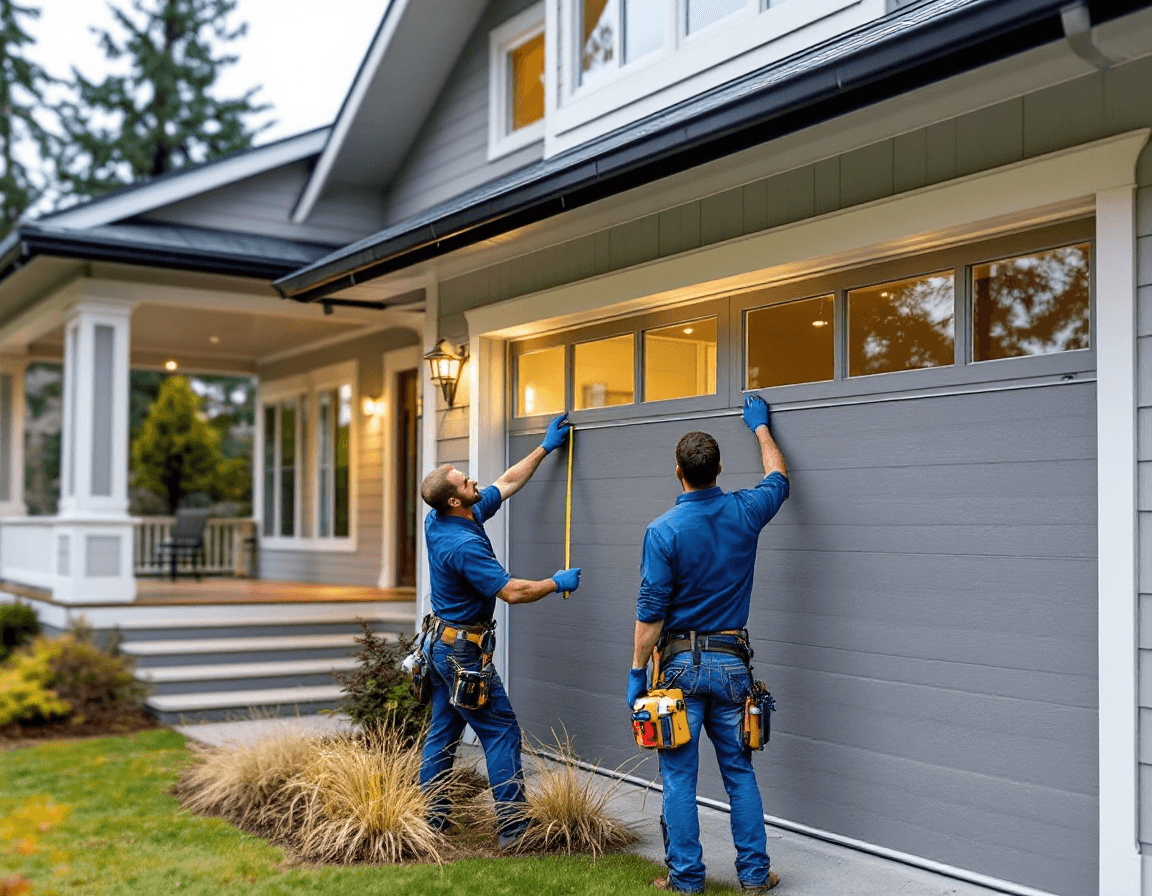
Garage Door Installation & Replacement in Gig Harbor, WA is a practical decision for many homeowners on the Kitsap Peninsula, especially when an old door has cracked, rusted through, or simply stopped keeping up with daily use. A garage door is one of the largest moving objects on a house, and it sees more cycles than most people realize, so when it starts to fail, the problems tend to spread into the opener, the tracks, the weatherseal, and even the comfort of the rooms above and beside the garage. Replacing the whole door is sometimes the smarter choice compared with pouring more money into repairs on a panel that is already past its best years.
Gig Harbor sits on a series of waterfront neighborhoods, wooded lots, and newer subdivisions that stretch north toward Gig Harbor North and east toward Rosedale. Homes here range from older craftsman-style houses near the water to contemporary builds with attached two- and three-car garages. That mix means the right door depends as much on the architecture and the way the home is used as it does on the budget. Our technicians walk through the property with you, look at the existing opening, and talk through options that fit both the house and the Pacific Northwest weather it has to survive.
If you are weighing a new door, this page explains the warning signs, the material choices, the insulation and climate factors that matter in Pierce County, and what to expect from the process. We also cover typical pricing, permit considerations, and why door installation should always be handled by trained, licensed professionals. Read through the sections that apply to your situation, and feel free to call us with questions about your specific garage.
Reading the Signs That Your Current Door Has Reached Its Limit
Most garage doors do not fail overnight. They give warning signals for months, sometimes years, and homeowners often get used to the noise or the lurch at the bottom of the track before they realize something has changed. The first sign is usually repeated breakdowns. If you have called a technician for the same panel, the same roller, or the same opener fault more than once in a short period, the door itself may be wearing out faster than any single part can be repaired. Replacing one component at a time can become a cycle of expense that never quite ends.
Physical damage is another clear indicator. A panel that has been dented in a windstorm, cracked from an errant car backing up, or split along a seam can sometimes be patched, but once the damage reaches multiple sections or the structural framing inside the door, replacement is usually more cost-effective. Look closely at the bottom edge of the door as well, since rot in wooden doors and rust at the bottom corners of steel doors are common in damp coastal climates. Soft wood that crumbles under a screwdriver is a sign the door has taken on too much moisture for a simple refinish.
Finally, pay attention to how the door feels in daily use. If it rattles loudly, sticks partway up, drifts when it should hold steady, or lets cold air creep in along the bottom seal, those symptoms point to a door that has lost its alignment and its ability to protect the garage. Older doors without insulation can also make the adjoining laundry room or mudroom noticeably colder during a Gig Harbor winter. If you are asking whether it is time to replace rather than repair, those ongoing inconveniences are worth adding to the list.
Salt Air, Wind Off the Narrows, and What Gig Harbor Weather Does to Steel
Living near Puget Sound means your garage door works in a more demanding environment than many homes inland. Salt-laden air drifts across the water and settles on exposed metal, and in neighborhoods close to the shoreline the effect can show up as surface corrosion around hinges, roller brackets, and bottom panels. Even homes a few miles from the water can see moisture-driven wear because of the persistent humidity and frequent drizzle that characterize the region from late autumn through early spring.
Wind also plays a role. Gusts that funnel across open ground and off the water can push against a large door panel, stressing the tracks, the springs, and the opener mechanism. When we recommend a new door for a Gig Harbor home, we pay attention to wind load ratings and the quality of the track system, since a door that works well in a sheltered inland garage may need more robust hardware in an exposed location. Choosing a door built to handle these conditions is one of the simplest ways to extend the life of the entire system.
Temperature swings matter too. The Pacific Northwest rarely sees extreme cold, but the freeze-thaw pattern and the constant moisture can cause wood to swell and shrink, and steel panels to flex as they warm and cool. A well-built door with proper sealing and quality finishes handles these cycles gracefully. A poorly finished door can develop hairline cracks in the paint, which then let moisture reach the metal underneath. Protective finishes, galvanized components, and regular cleaning all make a noticeable difference over the years.
Choosing Between Insulated Steel, Wood, Glass, and Aluminum
Material selection is one of the most important decisions you will make, and each option has tradeoffs. Insulated steel is the most common choice for Gig Harbor homes because it balances durability, cost, and energy performance. These doors are usually built with a steel skin bonded to a foam core, and they are available in a wide range of textures and colors that can mimic wood grain without the maintenance. Steel doors also resist the warping that can affect timber in damp weather, which is a major reason they remain popular here.
Wood doors offer a warm, traditional appearance that suits many older Gig Harbor houses and craftsman-style properties. They can be beautiful, but they require regular sealing and painting to hold up against rain and humidity. Expect more maintenance than with steel, and plan on periodic inspections of the bottom panel and the joints where moisture tends to collect. Quality wood doors are an investment, and the cost reflects the craftsmanship and the upkeep they demand.
Glass and aluminum doors serve a different purpose. Glass panels, often paired with aluminum frames, let natural light into the garage and work well for contemporary homes with clean lines. Aluminum is lightweight and resists corrosion, which makes it appealing near the water, though it typically offers less insulation than foam-filled steel unless it is specifically engineered for thermal performance. Many homeowners who want a modern look choose a steel door with glass windows or an aluminum frame with insulated glass to balance appearance and efficiency.
When comparing options, consider these practical factors:
- Insulation value and whether the garage is heated or used as living space
- Exposure to salt air, wind, and direct rain on the entry side of the house
- How much maintenance you are willing to perform each year
- The architectural style of your home and nearby HOA guidelines, if applicable
- Whether you want windows for natural light or a solid panel for privacy and security
Carriage-Style Doors and Harborview-Era Curb Appeal
Carriage-style doors have become one of the most requested designs for Gig Harbor homes, particularly in neighborhoods with architecture that leans traditional or farmhouse. These doors mimic the look of old-fashioned swing-out barn doors, with horizontal stiles, decorative hardware, and grid patterns, yet they operate on modern tracks that slide up and overhead. Many homeowners choose them because the garage door is a major part of the home's street presence, and a well-chosen carriage design can transform the entire front elevation.
The character of a home near Harborview and the older waterfront streets often calls for a restrained, classic approach. Dark earth tones, muted greens, and warm neutrals tend to blend well with cedar siding and stone accents, while lighter colors can brighten a home with white trim and large windows. We help homeowners look at the door in context, including the roofline, the entry walkway, and the landscaping, so the final result looks intentional rather than tacked on.
Carriage doors can be built in steel with faux wood finishes, in real wood, or in composite materials that offer the look with less upkeep. Hardware choice matters, too. Decorative handles and hinges can be functional as well as attractive, and they should be installed securely to support the door's weight and movement. A competent installer will check that every bracket and fastener is rated for the door, since poorly anchored decorative elements can loosen over time under constant use.
Insulation Ratings and Keeping Heated Air in a Gig Harbor Winter
Winters in Gig Harbor are generally mild compared with much of the country, but they are long, damp, and often gray. Many homeowners are surprised by how much heat a single-layer or uninsulated garage door can lose, particularly if the garage is attached to a bedroom or a living area. Cold air sinking through the door can make the adjacent rooms uncomfortable, and it can also force the furnace to run more often. Upgrading to an insulated door is one of the more direct ways to reduce drafts and smooth out temperature swings in those connected spaces.
Insulated steel doors with polyurethane foam cores generally provide the strongest thermal performance among common residential options. When evaluating a door, look at the R-value listed by the manufacturer, and pay attention to the quality of the weatherseal along the bottom, the sides, and the top. A high R-value means little if the door leaks air around its edges, so the seals are just as important as the panel itself. Proper installation, with tight tolerances between the door and the frame, is what turns a good product into an efficient one.
If you use the garage as a workspace or plan to heat it, discuss this with your installer before ordering. Some homeowners choose a thicker door or add extra seals specifically for garages that stay warm for long periods. Others focus on the threshold and floor-level drafts, which are often the largest source of air leakage. Ask about options to address the full opening, not just the door panel, since a complete approach usually delivers better comfort.
Sizing, Openings, and Working With Remodels and Additions
Many of our Gig Harbor installation calls come from homeowners who are remodeling, adding a bay, or converting a garage into additional living space. These projects require careful measurement and planning. Before a new door is ordered, the technician must verify the rough opening width and height, the header clearance above the door, the depth of the garage for track and spring placement, and any obstructions such as light fixtures, ductwork, or sloped driveway transitions that could affect operation.
Single-car and double-car openings differ in structural considerations. A wider double door demands heavier springs, sturdier tracks, and often a reinforced header, while a single door may fit comfortably into an existing frame with minimal modification. If you are adding a new garage door as part of a larger remodel, coordinate timing with your framing and finish contractors. Installing the door too early can expose it to dust and damage, and installing it too late can delay the rest of the project.
Remodels also raise questions about the home's exterior appearance. A new opening or a relocated door changes how the front of the house looks, so it helps to review drawings or photos before committing. Taking the time to plan these details reduces surprises and helps the finished project feel cohesive with the rest of the home.
What a Typical Installation Day Looks Like
Homeowners often wonder what happens on the day a new door arrives. In most cases, the process begins with removing the old door, which involves disconnecting the opener, releasing and safely handling the spring system, and detaching the panels from the tracks. This step is where experience matters most, because the springs store substantial energy and must be managed carefully. Our technicians follow established procedures for every removal and never improvise when tension is involved.
Once the old door is out, the opening is inspected for level, plumb, and square. Tracks are mounted or adjusted, the header and jamb hardware are checked, and any necessary reinforcement is added. The new door sections are assembled, hinged, and fitted to the track system, then the springs are installed and tensioned to match the door's weight. The opener is mounted, connected, and programmed, and the safety reversing features are tested to confirm the door stops and reverses when it contacts an obstacle.
The final steps include adjusting the balance, verifying that the door opens and closes smoothly, installing weatherseals, and walking the homeowner through daily operation and basic maintenance. Most installations can be completed within a single day for standard residential doors, though custom work, structural changes, or complicated remodels may take longer. We aim to leave the garage clean and the new door working correctly before we leave.
Understanding Pricing From $950 to $3,800-Plus
Installed prices for new garage doors in our service area typically range from about $950 to $3,800 and above, depending on the door and the scope of work. Simpler steel doors without windows or decorative elements sit at the lower end, while custom carriage designs, real wood construction, glass-and-aluminum systems, and doors for oversized openings can climb considerably higher. Quoting a precise number requires seeing the opening and discussing the materials you have in mind, which is why we offer on-site estimates rather than relying on generic figures.
Several factors shape the final cost. The door material and insulation rating are obvious drivers, but the hardware package, the type of opener, the complexity of the track system, and any structural repairs to the header or framing all affect the total. Removal and disposal of the old door, along with any necessary trim or weatherseal replacement, also belong in the estimate. Ask for a written breakdown so you can compare options clearly.
Consider these questions when reviewing a quote:
- Does the price include removal and proper disposal of the existing door?
- Are springs, tracks, rollers, and hinges included, and what warranty applies to each?
- Is the opener included, and if so, what features are covered?
- Are weatherseals, threshold seals, and any trim work part of the installation?
- Will the installer confirm the rough opening measurements before ordering?
Permits, HOA Rules, and Paperwork in Pierce County
Depending on the scope of your project, you may need a permit before replacing or modifying a garage door, particularly if the work involves changing the size of the opening, altering structural elements, or adding electrical components for the opener. Requirements vary by jurisdiction, so we recommend confirming with the city or county permitting office that applies to your property. A knowledgeable installer can help you understand when a permit is likely needed and what documentation is typically requested.
Homeowners associations in some Gig Harbor neighborhoods also set rules about exterior appearance, including door style, color, and hardware. If your property is governed by an HOA, review the covenants and architectural guidelines before selecting a door. Obtaining approval in advance avoids the frustration of installing a door that must later be changed. Keep copies of your approval, permit, and warranty documents together so they are easy to find when you sell the home or file a claim.
Warranty paperwork deserves attention too. Manufacturers typically offer separate coverage for panels, springs, and finishes, and installers may provide their own labor warranty. Read the terms carefully, register the product if required, and keep your receipts. Clear records protect your investment for years.
Safety, Spring Tension, and Why Licensed Techs Handle the Swap
Garage door springs are among the most dangerous components in a residential home. Torsion and extension springs store enough energy to cause serious injury if they are released improperly, and the cables and drums under tension can cause similar harm. Replacing a door, adjusting springs, or working on cables is not a task for untrained homeowners, no matter how handy they are. We strongly recommend hiring a licensed, bonded, and insured professional for any installation or spring-related work.
Professional technicians use specialized tools, follow established safety procedures, and understand how to balance a door so the opener is not overworked and the springs are sized correctly for the panel weight. They also know how to inspect the surrounding hardware for wear that could cause a future failure. Attempting these tasks without proper training can lead to injury, damage to the door or vehicle, or a failed installation that costs more to correct than the original job.
Protecting your household is the real reason to rely on trained professionals. If you ever notice a broken spring, frayed cable, or door that will not stay balanced, keep everyone away from the door, disconnect the opener if it is safe to do so, and call a qualified technician to inspect it. Once the new door is installed, practice the safety reverse test monthly, and keep children and pets clear of the path of the door while it is moving.
Ready to Talk About Your Gig Harbor Garage Door?
If your current door is damaged, drafty, outdated, or simply worn out, the team at Seattle Garage Door Fix is ready to help you compare options and plan a replacement that fits your home and the Gig Harbor climate. We serve neighborhoods across the area, including Harborview, Gig Harbor North, and Rosedale, and we can provide an on-site estimate that explains materials, insulation, and pricing clearly. Call (888) 799-3819 today to schedule your consultation and talk through the right door for your garage.