
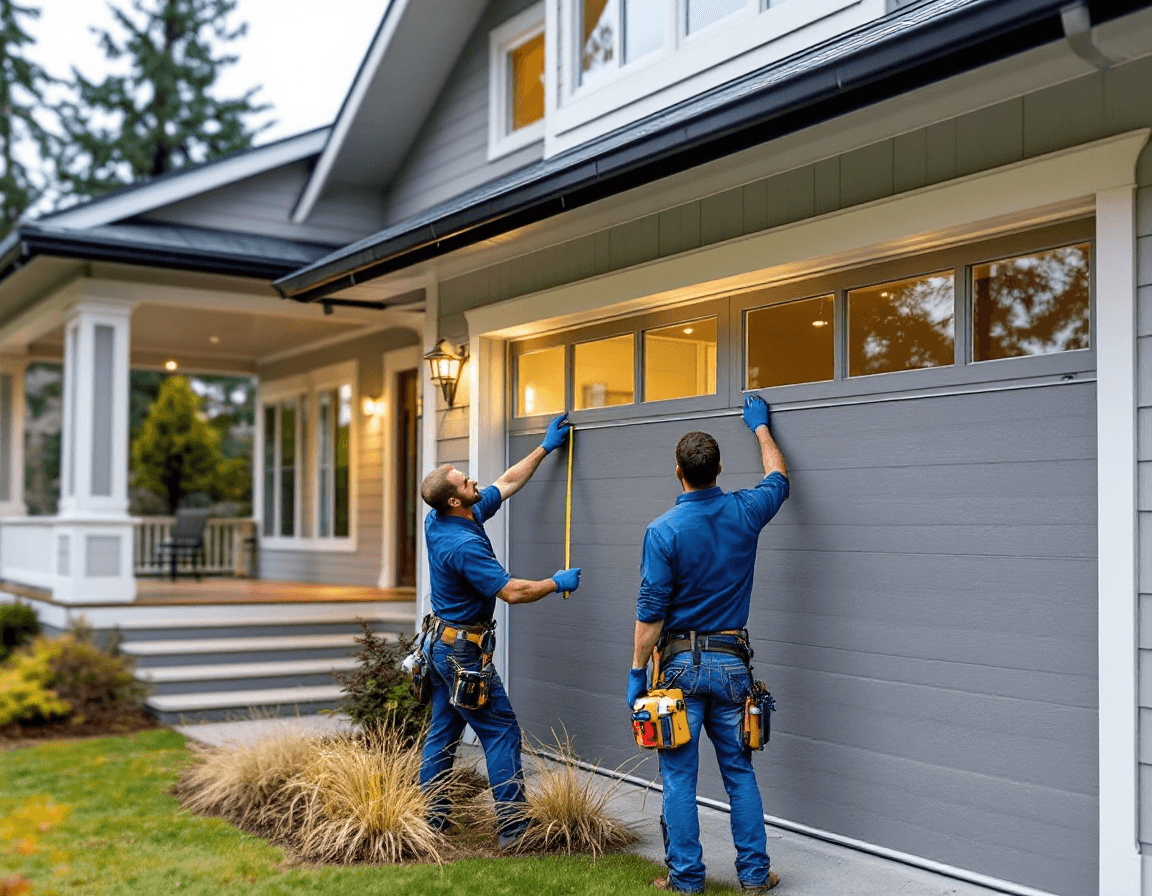
Garage Door Installation & Replacement in Issaquah, WA is often the right answer when a door has moved past the point of sensible repair. Many Issaquah homes were built during the decades when the Eastside grew quickly, and the original garage doors on those houses have spent years absorbing rain, damp air, and temperature swings. When a panel is cracked, the tracks are bent, or the opener strains every time it lifts, replacing the whole door can cost less over time than continuing to patch it. Our technicians serve homeowners across the 98027 and 98029 ZIP codes, from the newer blocks near the town's main corridors to the wooded lots tucked into the surrounding hills.
Deciding to replace a door is rarely about a single failure. More often, homeowners notice a pattern: a spring that snapped last winter, a panel that dents every time a branch falls, a door that sticks in the morning damp and rattles in the afternoon wind. Those small annoyances add up, and they also hide bigger problems such as sagging sections, failing weather seals, and corroded hardware. A proper evaluation looks at the whole assembly, including the door, the track system, the header and bracing above the opening, and the opener itself, so you know exactly what you are paying for before any work begins.
Our goal in this guide is to walk you through the decisions that matter most for an Issaquah home. We will cover how local weather affects different materials, what insulation upgrades actually do for comfort and energy use, which styles suit different architectural looks, and what drives the installed price range of roughly $950 to $3,800 or more. We will also explain how remodels and additions change the job, and what to expect on installation day. Read through at your own pace, and call us at (888) 799-3819 whenever you want a straight answer about your specific door.
Recognizing When a Door Has Reached the End of Its Useful Life
Not every noisy or sluggish door needs to be replaced, but some conditions point clearly toward a full installation. A door that has lost structural integrity, meaning sections that bow under their own weight, cracked panels that no longer lock together evenly, or hinges and rollers pulled out of the wood or steel, usually cannot be restored to reliable operation. When the door no longer closes evenly against the floor, it also lets in drafts, insects, and water, and those leaks can damage the garage slab and anything stored along the wall. Technicians often find that an older door has become a collection of mismatched parts, where each repair was made with whatever was available at the time.
Age alone is not always the deciding factor. A well-maintained steel door from a reputable manufacturer can perform well for decades, while a neglected door can fail in a few years. What matters is the condition of the panels, the bottom seal, the track alignment, and the presence of corrosion or rot. If a repair estimate starts to approach half the cost of a new door, or if the same component keeps failing every year or two, replacement is typically the better investment. Those repeated breakdowns are a signal that the door's overall design or condition has been overtaken by the demands placed on it.
Safety matters here as well. Doors that drop unexpectedly, reverse badly, or move unevenly along the tracks create real risk for people and vehicles below. Because garage door springs and cables store a great deal of tension, any work involving them should be handled by a licensed, insured professional. If you have noticed a door that behaves erratically, stop using the opener and have the system inspected before someone gets hurt.
Matching Materials to the Foothill Weather
The Pacific Northwest climate is the single biggest factor in choosing a garage door for Issaquah. Winters bring long stretches of rain and humidity, and the surrounding terrain near Squak Mountain and the Cascade foothills can hold moisture in the air well into spring. Summers are generally mild by comparison, though a warm stretch can still heat a south-facing door enough to cause panels to flex and seals to stiffen. A door that performs well in a drier climate may show its weaknesses much sooner here, particularly where bottom seals meet damp concrete.
Steel doors are a popular choice for good reason. Galvanized steel with a factory-applied, weather-resistant finish resists rust better than bare steel, and insulated steel panels hold their shape well in changing temperatures. Wood doors, including cedar and other rot-resistant species, bring warmth and character, but they require regular sealing and finishing to handle the wet season. Aluminum doors resist corrosion naturally, making them a good option for homes that sit close to shaded, damp areas, though they are not as insulating as thicker steel construction. Glass and aluminum combinations allow natural light into the garage but usually pair best with tempered or insulated glass that resists condensation.
Moisture control deserves attention regardless of material. Good bottom seals, properly sized weatherstripping along the sides and top, and a finish that sheds water all reduce the chance of rot and rust. Ask your installer how the door will be sealed against the slab and frame, because a beautiful door will still underperform if water finds its way behind the panels or under the bottom edge. Ventilation in the garage also helps, since trapped humidity can encourage mildew on stored items and on the inside of the door.
Comparing Insulated Steel, Carriage-Style, Wood, Glass, and Aluminum
Each door type brings a different balance of cost, appearance, maintenance, and performance. Choosing among them depends on how you use the garage, how the home looks from the street, and how much upkeep you want to commit to over the next decade or two. The right answer for a detached workshop may differ from the answer for an attached two-car garage that opens onto the main living area.
- Insulated steel: Typically the most practical option for daily use. Panels are durable, relatively low maintenance, and available in many textures and colors. Insulated models reduce heat transfer and help keep the garage more stable in cold snaps.
- Carriage-style: These doors mimic the look of old-fashioned swinging barn doors and often use steel or composite construction with decorative hardware. They suit traditional and craftsman-inspired homes and add curb appeal, though the styling options vary by manufacturer.
- Wood: Offers natural warmth and custom design possibilities. It demands regular inspection, sealing, and refinishing to resist moisture, so it is best for owners who are willing to maintain it.
- Glass and aluminum: Brings in daylight and creates a modern, open look. Insulated glass options help with comfort, while aluminum frames resist corrosion. Privacy and heat gain from large glass areas should be considered on sunny exposures.
- Aluminum: Lightweight and naturally rust-resistant, which makes it a sensible choice for damp sites. It is often selected for contemporary designs and may be a good fit for homes near wooded lots.
Carriage-style doors deserve a closer look for many Issaquah homeowners, since the community has a strong mix of traditional and modern architecture. A carriage-style steel door can give a plain garage the detail of a much older farmhouse, while keeping the low maintenance that steel provides. Your installer can show sample panels in finishes that hold up under local sun exposure, which matters on the west and south-facing elevations that take the most light.
Energy Efficiency Gains That Show Up on the Utility Bill
Many homeowners ask whether a new insulated door will meaningfully lower their energy costs. The honest answer depends on how the garage is used. If the garage is attached to a heated living space, a well-insulated door and a tight perimeter seal can reduce heat loss through the shared wall and make adjoining rooms more comfortable. If the garage is unheated and used only for storage or parking, the gains are more about temperature stability for stored items, quieter operation, and reduced drafts, rather than large savings on heating bills.
Insulation ratings vary by manufacturer and construction, so compare the actual specifications rather than relying on general claims. Look at the insulation type, the thickness of the panels, the quality of the foam core, and the design of the joints between sections. Doors with insulated cores and better seals generally perform more consistently across the wide temperature range we see in the area, from cool, damp spring mornings to occasional hard freezes. Pairing a new door with weatherstripping on the jambs and a fresh bottom seal often makes a larger difference than the door alone.
Comfort is also worth factoring in. An insulated door dampens noise from the street and from the garage itself, which can matter if a workshop or home gym sits next to a bedroom. It also reduces condensation on the inside surface during wet weather, which helps protect stored bicycles, tools, and cardboard boxes from moisture damage. These benefits are harder to quantify on a bill but are often noticed the first winter after the new door goes in.
Modernizing the Look of Issaquah Homes Without Losing Character
A garage door is one of the largest visual elements on a house, often covering a significant portion of the front facade. For that reason, replacing an outdated door is one of the most effective ways to refresh curb appeal without touching the rest of the exterior. Homes built in earlier decades may have flat, short-panel doors with dated hardware, and a modern carriage-style or horizontal-panel design can transform the look while keeping the proportions of the house intact.
Color and finish choices matter as much as the style. Darker neutrals can make a garage door recede and emphasize the rest of the facade, while warmer tones can complement natural siding and stone. Window patterns, hardware finishes, and the spacing of panel grooves all influence how the door reads from the street. Bring photographs of your home and your siding, roofing, and trim colors to the consultation so your installer can help you pick combinations that look intentional rather than mismatched.
If your home is part of a planned community, check any design guidelines or covenants that apply before selecting a door. Some developments set rules about colors, styles, or materials for exterior elements, and these rules can affect what is approved. A quick review at the start can prevent the frustration of a finished installation that does not meet the community's standards.
Storm, Rot, and Rust Damage Worth Replacing Rather Than Patching
Windstorms, falling limbs, and heavy rain can do serious damage to garage doors, especially in neighborhoods with mature trees. A single impact can crack a panel, bend a section out of alignment, or strip the tracks. When damage is limited to one panel on a door with otherwise sound construction, a panel replacement may be practical. However, when the damage spreads across several sections, affects the frame, or involves the springs and drums, replacement is often the more reliable path.
Rot is a particular concern for wood doors and for the wood trim surrounding steel doors. Water that sits along the bottom rail, around hinges, or behind decorative trim can soften wood fibers over time, and the damage often hides behind a painted surface until the wood feels spongy. Rust is the equivalent problem for steel, usually appearing first at the edges of panels, around screw holes, and along the bottom where moisture collects. Surface rust can sometimes be treated, but deep corrosion weakens the metal and is a strong reason to replace the door.
Before deciding, have a technician check for hidden damage. Probing with a screwdriver, looking inside the panel joints, and checking the header and framing above the opening can reveal problems that are not obvious from the outside. A thorough inspection protects you from paying for a repair on a door that will fail again within a season.
Planning a Replacement Around a Remodel or Addition
Garage door replacement becomes more involved when it is part of a larger project. A remodel may change the size of the opening, the position of the wall, or the height of the ceiling inside the garage. An addition might create a new garage bay or convert a space into a wider entry. In these cases, the new door has to match the finished opening, the structural header, and any new trim or siding, so coordination with your contractor is essential.
Measure carefully and communicate the timeline early. Changes to framing, drywall, or exterior cladding can alter the dimensions of the opening by small amounts that matter a great deal for a door. Ask whether the door will be ordered after framing is complete, and whether temporary weather protection will be needed if the opening will be open for several days. Many homeowners find it helpful to schedule the door installation near the end of the exterior work, once the trim is set and paint is dry.
Permitting can also come into play when structural changes are involved. The City of Issaquah and King County may require permits for certain alterations to garage openings or headers, so confirm requirements with the appropriate office before work begins. A licensed installer can help identify whether the planned change requires review and can coordinate the inspection timeline with your general contractor.
Understanding What Drives the Installed Price Range
The installed price of a new garage door typically falls between about $950 and $3,800 or more, and that range reflects real differences in materials, size, and features. A standard single door in a basic insulated steel finish will usually sit near the lower end, while a large double door in custom wood, glass, or specialty carriage styling will land higher. The installed price includes the door itself, labor, removal of the old door, and standard hardware, but details vary by product and project.
- Door size and configuration: Single-car doors cost less than double-car doors, and nonstandard or extra-tall openings often require special sizing.
- Material and construction: Insulated steel, wood, glass, and aluminum each carry different price points, and thicker insulation or premium finishes add cost.
- Style and hardware: Carriage-style hardware, decorative windows, and custom colors can increase the total, as can upgraded tracks and reinforcement.
- Opener and accessories: Whether you keep your current opener or add a new one, plus features such as smart controls and weather sensors, will change the final figure.
- Site conditions: Framing repairs, header upgrades, or changes needed for a remodel can add labor and materials.
Ask for an itemized estimate so you can see exactly what is included. A clear quote should list the door model, insulation rating, track and spring specifications, warranty terms, and any cleanup or disposal fees. Comparing estimates on that basis gives you a fair view of value rather than just a headline number.
Neighborhood Notes for Issaquah Highlands, Gilman Village, and Squak Mountain
Issaquah covers a wide range of home types, and the right approach varies by neighborhood. Issaquah Highlands includes many newer homes with attached garages, narrow driveways, and design guidelines that influence exterior choices. Doors in these homes often need to fit tight openings and coordinate with contemporary siding and trim, so precise measurements and a clean, modern profile are common priorities. Homeowners here often ask about quiet operation and insulation, since attached garages sit close to living space.
Gilman Village and the older parts of town tend to feature a mix of historic character and updated homes. Carriage-style doors, wood-look finishes, and traditional panel patterns are frequently chosen to complement the architecture. Owners of older homes may also discover that the existing opening is not square or plumb, which affects how the new door is fitted and sealed. An experienced installer will check the opening carefully and adjust the track and seal details accordingly.
Homes on and around Squak Mountain frequently sit among mature evergreens, with more shade, more leaf litter, and more exposure to damp air. Doors in these settings benefit from corrosion-resistant materials and careful attention to drainage at the threshold. Falling debris and wind-driven rain can also be harder on panels, so impact-resistant construction and good bottom seals are worth discussing. Wherever you live in 98027 or 98029, a short site visit lets the technician account for your specific exposure, slope, and driveway layout.
What a Professional Installation Visit Involves
A typical replacement starts with an inspection and measurement. The technician checks the opening for square and level, examines the existing header and framing, tests the opener, and reviews the condition of the tracks, rollers, and springs. Measurements are taken at several points because older openings often vary by a fraction of an inch from top to bottom. This step ensures the new door will fit correctly and operate smoothly.
On installation day, the old door is carefully removed. Because the springs and cables are under high tension, this step is performed only by licensed, insured professionals using proper tools and safety procedures. Homeowners should never attempt to release springs, adjust torsion components, or remove the door themselves, since mishandling can cause serious injury. The new door is then assembled, the tracks are mounted and aligned, the springs are set and balanced, and the opener is connected and programmed. Weatherstripping and bottom seals are fitted, and the door is tested through several full cycles.
After installation, the technician should walk you through operation, safety reversal testing, and basic care. Ask how to clean the finish, when to inspect the seals, and what seasonal checks make sense in a wet climate. A good installer leaves you with a clear understanding of how the door works and what to watch for over time.
Warranties, Permits, and Choosing a Licensed Installer
Choosing the right installer is as important as choosing the door. Look for a company that is licensed, bonded, and insured, and ask to see proof of coverage before the work begins. Verify that the installer will handle permitting when needed and that their team is trained to work safely with springs, cables, and structural openings. Experience with local conditions, such as moisture management and wind exposure, is also valuable.
Warranties deserve careful reading. Manufacturers typically offer coverage on the door panels and finish, while installers may provide a separate warranty on labor and workmanship. Read what each warranty covers, how long it lasts, what maintenance is required to keep it valid, and what is excluded. Ask whether the opener is covered separately and how to file a claim if a problem arises. Written terms are more reliable than verbal assurances, so get them in your estimate or contract.
Finally, ask questions and expect clear answers. A knowledgeable installer will explain the differences between materials, show you how the door will be sealed, and tell you honestly if a repair would be a better choice than replacement. That kind of transparency is what makes a new door a lasting improvement rather than a source of future headaches.
If your garage door is damaged, noisy, drafty, or simply out of step with the rest of your home, we are ready to help you weigh your options. Call (888) 799-3819 to schedule an inspection and get an itemized estimate for your Issaquah home. Our licensed, bonded, and insured technicians will assess your opening, talk through materials and styles that suit the Pacific Northwest climate, and help you choose a door you will be happy with for years to come.