
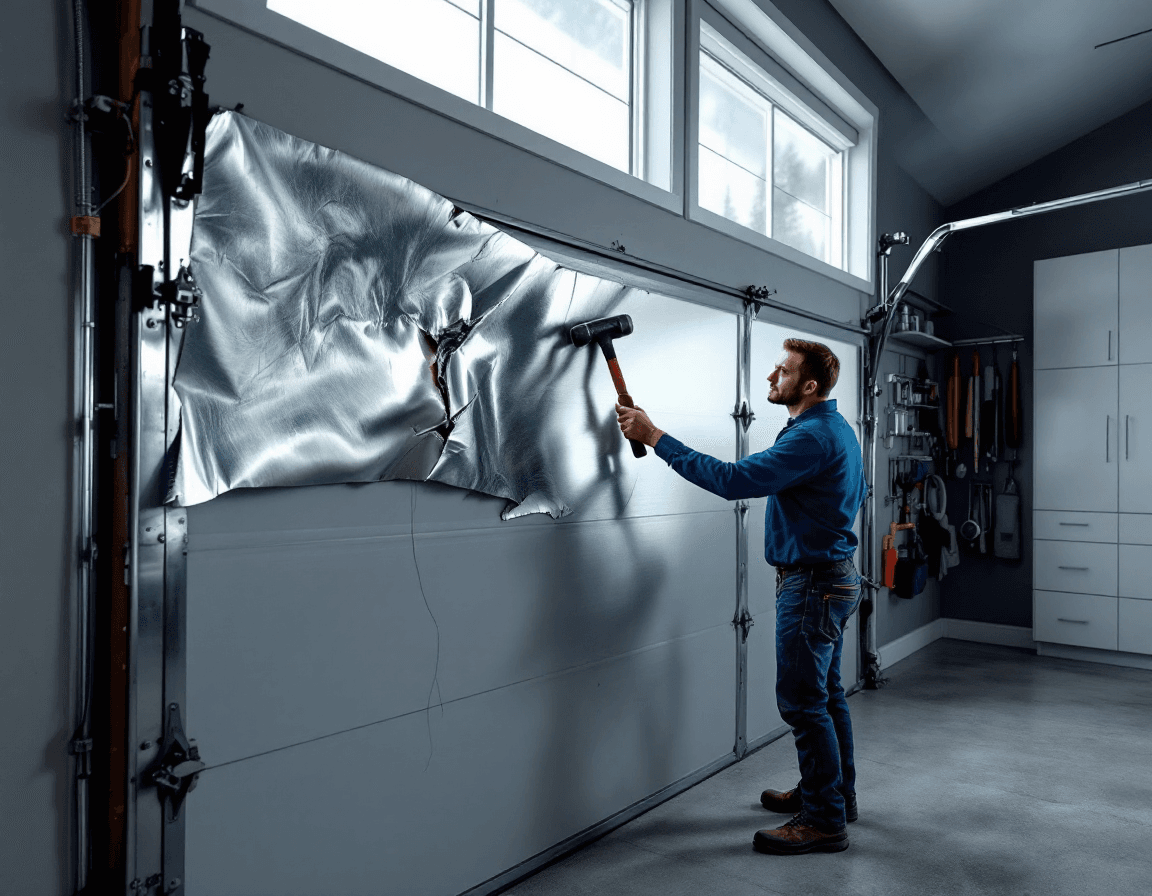
Garage Door Panel Replacement in Issaquah, WA is often the smartest fix for a door that still runs well but looks worn, dented, or patched. Homeowners across the plateau, from the newer streets around Issaquah Highlands to the older lots near Gilman Village and the wooded slopes below Squak Mountain, tend to notice panel damage long before the opener or springs give out. A single crushed section after a backing mishap, a bottom panel softened by water, or a rusted strip near the track can make the whole door look neglected, even when the mechanics are sound. Replacing the damaged section, rather than the entire door, often restores both function and curb appeal at a fraction of the cost.
Seattle Garage Door Fix works with homeowners in 98027 and 98029 and throughout the greater Issaquah area, and our approach to panel work starts with a simple question: is the damage confined to one or two sections, or is the door telling us something bigger? We look at the panel itself, the hinges and rollers that hold it in alignment, the bottom seal, and the way the door sits in its tracks. This page explains what panel replacement involves, what it typically costs, how we decide between repair and replacement, and when a damaged panel is really a symptom of a larger problem. Our goal is to help you make a confident decision, whether you call us or simply plan your next steps.
Every door is different, and so is every damaged panel. Pricing for panel replacement generally falls in the range of $250 to $800 per section, with the final figure depending on the door's material, insulation, width, finish, and how difficult the replacement panel is to source. If you have questions about a specific door, call us at (888) 799-3819 and we will walk through what we see on the phone and what we would confirm on site.
Why Wet Winters Are Hard on Garage Door Panels Here
Issaquah sits in a climate that rewards slow, patient rain and punishes anything that holds moisture. Long stretches of gray, damp weather mean the bottom eighteen inches of a garage door can stay wet for weeks at a time, especially on driveways that slope toward the garage or on lots where runoff pools near the threshold. Steel panels with chipped paint or scratched primer are vulnerable to rust at the bottom edge, and wood or composite panels can swell, separate at the seams, or develop soft spots where water wicks upward through the grain. Over several wet seasons, what begins as a hairline finish problem can become a section that no longer holds fasteners or insulation.
Moss and algae add another layer of trouble on shaded north-facing doors, which are common on tree-lined Issaquah streets. Growth trapped against the lower panels keeps moisture in contact with the metal or wood longer than it would otherwise stay, and pressure washing, while useful for cleaning, can force water into seams if the nozzle is too aggressive. Homeowners sometimes assume a stained bottom panel is cosmetic, but staining often signals that water has already found a path inside the section. A technician who understands local weather patterns will check for hidden corrosion and swelling, not just surface discoloration.
Because the region rarely sees the dry, sustained heat that bakes finishes in drier parts of the country, our experience is that paint and sealant failures here tend to show up as gradual peeling and blistering rather than sudden fading. That makes timing important. Addressing a small moisture-related problem with a targeted panel replacement is far less disruptive than waiting until the rot has spread to the frame and tracks.
Recognizing a Panel That Needs to Be Replaced
Not every mark on a garage door warrants a new panel. Many dents are shallow, cosmetic, and do not affect how the section fits within the door. The difference becomes clear when you look at how the panel sits relative to its neighbors and how the door moves through its tracks. A panel that has been bent inward or outward can push against the tracks, bind against the rollers, or leave a visible gap at the seam, and any of those conditions deserves attention before the damage gets worse.
Cracks are a more serious sign, particularly in insulated steel or fiberglass sections where the outer skin has split and the foam core may be exposed. Once the insulation layer is compromised, the section loses its thermal value, and moisture can migrate into the core, where it is difficult to detect from the outside. Cracks in wood panels often run along the grain and can widen with each temperature swing, while cracks in composite panels sometimes indicate that the material has become brittle with age. In either case, a crack is rarely a problem that improves on its own.
- Dents deep enough to cast a visible shadow or change the panel's flat profile
- Cracks, splits, or separated seams, especially near the bottom or along joints
- Soft, spongy, or discolored areas that indicate water intrusion or rot
- Rust bloom or flaking paint on steel sections, particularly near the bottom edge
- Panels that no longer align with adjacent sections or rub against the tracks
The Bottom Section: Where Water and Impact Meet
The bottom panel takes more abuse than any other part of the door. It sits closest to the driveway, absorbs the first splash from passing cars, and is most exposed to the wet, muddy conditions that define much of the year in King County. Bottom sections are also the most common casualties of impact, whether from a delivery vehicle clipping the door, a bicycle or trash bin striking it, or a snowblower handle during a rare cold snap. When the bottom panel is damaged, the bottom weather seal often suffers too, which allows water and debris to enter the garage and creates a cycle of further damage.
Because the bottom section supports the most weight during operation and receives the most contact with the ground, the replacement needs to match the original closely in thickness and profile. A thinner or mismatched panel can flex under load, causing the door to sag or bind as it rises. We check the bottom bracket, the lift handle or pull ring if one is mounted there, and the bottom seal during any replacement at this location, because those components are usually affected by the same impact.
Water damage at the bottom edge sometimes looks worse from outside than it is, while in other cases the rot runs farther than it appears. We look for swelling, delamination, and corrosion inside the section, and we evaluate whether the surrounding panels show early signs of the same problem. If the moisture has reached the second or third section up, replacing only the bottom panel may buy time but will not solve the underlying cause.
Matching Panels: Color, Profile, and Age
Matching a replacement panel is one of the more difficult parts of this work, and it is the question homeowners ask most often. Garage door manufacturers update their designs over time, and a door installed a decade or two ago may have a groove pattern, insulation thickness, or texture that is no longer produced in the same form. Finish matters as well. Paint color that looked identical when the door was new can shift noticeably after years of exposure to the sun and rain, so a fresh panel may look a shade off next to the original sections.
We begin matching by identifying the manufacturer, the model series, and the panel dimensions, which are often printed on a label inside the door or on the original paperwork. When an exact match is available, we order it. When it is not, we discuss alternatives honestly, including panels with similar profiles and close color options, and we explain the trade-offs. In some cases, a slight visible difference is acceptable, particularly if the replaced section sits low on the door. In others, a homeowner may prefer to consider a full door upgrade, which we can discuss without pressure.
Our goal is never to promise a flawless match we cannot guarantee. Instead, we aim for a result that is structurally sound, properly aligned, and as close in appearance as the available parts allow. If you are weighing a panel replacement against a new door, bring photos of the door from the street and from directly in front, because those views help us judge how noticeable a mismatch would be in everyday use.
Repair Versus Replacement: Making the Call
The decision between repairing a panel and replacing it depends on the type of damage, the age of the door, and how the section interacts with the rest of the assembly. Minor surface scratches on steel can often be touched up with a primer and paint system suited to the material. A small hole or split in a wood panel may be repaired with epoxy filler and refinishing, provided the surrounding wood is solid. Those kinds of repairs are inexpensive and effective when the damage is limited and the core material is intact.
Replacement becomes the better option when the panel is bent, cracked through, saturated with moisture, or structurally compromised. It also makes sense when repairs would be visible and unlikely to hold, or when the cost of several repairs approaches the price of a single new section. A door that is more than fifteen or twenty years old, or one whose panels have multiple failures, may warrant an honest conversation about whether replacing individual sections still makes financial sense compared with a complete door replacement.
We encourage homeowners to think of this as a practical question rather than a sales conversation. A single panel that is cracked through and letting water into the insulation is a clear candidate for replacement. A small cosmetic dent on a sound door may not be worth the expense at all. Our technicians will tell you which category your door falls into and why, and if the repair is not worth doing, we will say so.
Safety First: Why Springs and Cables Stay With Professionals
Panel replacement sounds like a simple cosmetic job, but it often involves removing sections from the door assembly, which can require releasing tension from the springs or disconnecting the cables that carry the door's weight. Those components store enormous energy, and a spring or cable under tension can cause serious injury if handled incorrectly. For that reason, any work that touches the spring system or requires lifting the door off its tracks should be performed by a licensed, trained professional, never by a homeowner working alone.
Our technicians are licensed, bonded, and insured, and we treat spring and cable work as a specialized task that requires proper tools, training, and a clear procedure. When a panel replacement requires spring tension to be released or the door to be safely supported during disassembly, we handle that step ourselves. We will also check the condition of the springs, cables, and drums while the door is open, because it is far easier to address a worn component during a panel job than to schedule a separate visit later. If you notice a broken spring or frayed cable on your own, keep the door closed, avoid using the opener, and call us instead of attempting a fix.
What a Typical Visit Looks Like
A panel replacement visit usually begins with a careful inspection of the door in its closed and open positions. We document the damage, measure the affected section, identify the manufacturer where possible, and check the surrounding panels, hinges, rollers, and tracks for alignment. We also test the balance of the door, because an unbalanced door can strain the opener and make a replacement panel harder to fit correctly. Before any work begins, we explain what we found, what we recommend, and what the cost range is for your specific door.
Once you approve the work, the technician secures the door, removes the damaged section, and prepares the opening for the new panel. The replacement is fitted, fastened, and checked for alignment and smooth operation. The bottom seal, if affected, is replaced or adjusted, and the door is cycled several times to confirm that it tracks properly and does not bind. Most single-section replacements are completed in a single visit, though the exact timing depends on the door's construction and whether the replacement part needs to be ordered.
After the work is finished, we walk you through what was done and offer simple maintenance guidance. That might include rinsing the bottom panels periodically, clearing debris from the threshold, and keeping an eye on paint condition in the seams. We want you to leave with a door that works smoothly and a clear understanding of how to keep the new section in good shape through the next wet season.
Preventing Future Panel Damage in Wet Western Washington
Protecting your garage door panels is largely about managing moisture and impact. Keeping the bottom of the door clean and dry helps prevent rust and rot, and a quick rinse with a garden hose after heavy mud or road spray is usually enough. Avoid high-pressure washing near seams, and rinse away any salt or de-icer that may have been tracked in during colder spells. If you notice paint chips or scratches on steel panels, touch them up promptly with a compatible primer and paint before moisture has a chance to take hold.
Impact protection is equally useful. Bollards, a simple parking marker, or a reminder for delivery drivers and household members can reduce the chance of a backing accident. Bumper guards on the garage floor, though modest, prevent the sort of low-speed contact that dents a panel. Trimming shrubs near the driveway edge and keeping bins and bikes stored away from the door also limits the random impacts that accumulate over time.
Finally, schedule a periodic inspection. A technician can spot early swelling, loose fasteners, and seal wear that a homeowner might miss, and catching those issues early keeps panel repairs small and affordable. Whether your door sits on a sloped driveway near Squak Mountain or on a flatter lot closer to Gilman Village, a yearly check helps the door stay quiet, aligned, and protected through every season the Issaquah area throws at it.
Frequently Overlooked Signs That Point to a Bigger Problem
Sometimes a damaged panel is simply a damaged panel. Other times, it is a warning. If the same section keeps getting dented, cracked, or stained despite repairs, something nearby may be misaligned, causing the panel to flex or rub each time the door moves. A door that sags at one corner, rises unevenly, or makes a grinding noise when it reaches a particular height may be putting stress on its panels, and that stress will eventually show up as damage.
Water staining on the wall or floor inside the garage near the door can also indicate that the bottom seal has failed and that water is entering through the gap rather than through the panel itself. Gaps visible between sections or along the sides of the door may suggest worn hinges or rollers. Each of these conditions is worth addressing alongside the panel, because replacing a section without correcting the cause often leads to a repeat repair within a few seasons.
If you are unsure whether a panel issue is isolated, call us and describe what you are seeing. A short phone conversation can often tell us whether a home visit is worth scheduling, and we would rather help you understand your door's condition than sell you work you do not need.
Your garage door's panels take a beating from weather, traffic, and the everyday bumps of life, but a damaged section does not have to mean a costly full replacement. Seattle Garage Door Fix provides licensed, bonded, and insured panel replacement and repair-versus-replace guidance for homeowners throughout Issaquah, including 98027 and 98029. If a dented, cracked, rotted, or mismatched panel is affecting your door, call (888) 799-3819 to talk with a technician, describe what you are seeing, and get a clear, honest recommendation for your home.