
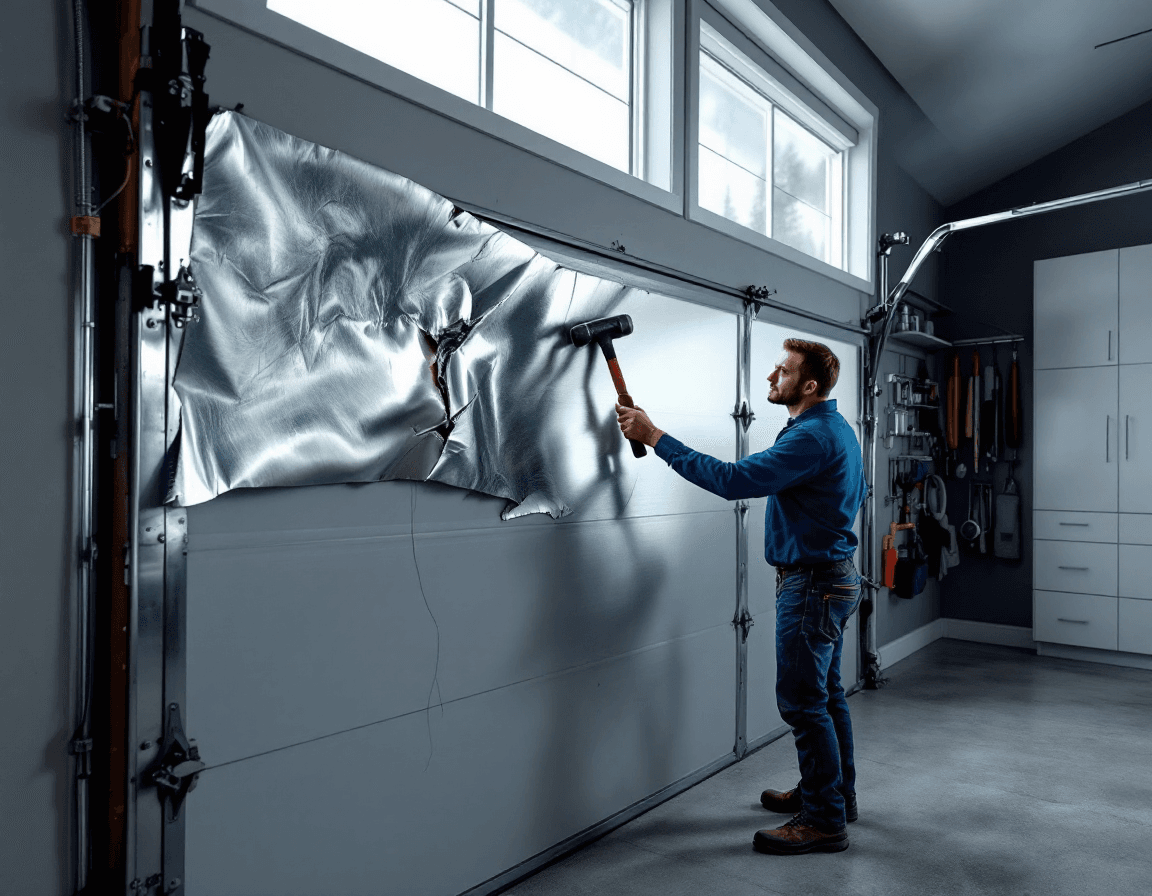
Garage Door Panel Replacement in Snoqualmie, WA is often the most sensible fix when a door otherwise runs well but one or two sections have taken a beating. Homes around Snoqualmie Ridge and the older streets closer to the valley see a steady mix of driveway mishaps, wet winters, and the occasional stray basketball or delivery truck. When a single panel gets the worst of it, the rest of the door can keep working smoothly for years.
Because a residential garage door is a sectional system, you rarely need to replace the entire door for a dented, cracked, or water-damaged panel. Each section is built to be swapped individually, and a technician can usually source a replacement from the manufacturer or a regional distributor. The harder part is matching the new panel to the old one, especially after years of Pacific Northwest sun, rain, and grime have changed the original finish. This page explains how to read the damage, when repair makes sense, when replacement is the better call, and what homeowners in the 98065 area can reasonably expect.
Seattle Garage Door Fix serves more than 60 cities across Western Washington, including Snoqualmie, and our technicians are licensed, bonded, and insured. A panel problem can look dramatic while the opener, tracks, and springs are perfectly fine, so we take the time to separate cosmetic damage from structural concerns. Panel replacement typically runs $250 to $800 per section, with the final figure depending on the door style, the material, and how well the new panel needs to match. The sections below walk through the details.
Why Panels in Snoqualmie Take a Particular Beating
The climate here is the first thing to understand. Snoqualmie gets long stretches of gray, damp weather from fall through spring, and moisture is the constant companion of every garage door in the valley. Steel panels can develop rust at scratches and at the seams where the bottom edge sits close to the concrete slab. Wood and composite doors absorb moisture through their edges and can swell, soften, or rot if the finish has worn thin. Even vinyl and aluminum sections, which resist corrosion well, can crack or dull when repeatedly exposed to cold snaps and summer UV.
Location adds its own wear pattern. Many homes in and around Snoqualmie sit on sloped lots or in subdivisions where driveways are narrow and turning space is tight, which makes low-speed backing impacts surprisingly common. Households with teenage drivers, frequent visitors, or large trucks and trailers tend to see the most corner and edge damage. Seasonal traffic toward Snoqualmie Falls and the nearby trails also means more vehicles parked and maneuvering on residential streets, and some owners notice that a door takes its first dent right at the height of a bumper.
Understanding these patterns helps you know what to look for. A dent from a backing accident usually sits at the height of a vehicle's bumper or mirror, while weather-related damage tends to start at the bottom section and work its way up. A panel that has been slowly failing from moisture often shows symptoms long before the damage becomes visible from the street. Reading the location and pattern of the problem gives a technician useful clues about whether the cause is a one-time impact or an ongoing environmental issue that will affect the replacement panel too.
Reading the Damage: Dents, Cracks, and Hidden Rot
Not every mark on a door needs a new panel. A shallow dent that has not creased the metal, or a light scuff that sits only in the paint, may be better handled with a touch-up kit or a gentle body-shop style pull. The real question is whether the panel has lost its structural shape. A sharp crease, a split seam, or a section that no longer sits flush with its neighbors is a sign the panel has crossed the line from cosmetic to functional. Panels that bow or buckle can also cause the door to bind in its tracks, which is why a visual inspection should always include a look at how the door moves.
Hidden rot and corrosion deserve special attention, because they rarely announce themselves in obvious ways. Homeowners in the valley should check the bottom section, the corners, and the lower edges of wood or composite panels for soft spots, bubbling paint, or dark staining. Press gently with a screwdriver handle along the lower rail; if the material feels spongy or crumbles, the damage likely extends beyond the surface. Steel panels should be inspected for rust blooms around screw holes and hinge contact points, since those are where moisture tends to collect.
Common signs that a panel needs professional attention include:
- A crack that runs through the full width of the panel or continues across a seam
- Rust that has bubbled the paint or left orange staining that returns after cleaning
- Soft, swollen, or rotted wood or composite near the bottom edge
- A section that visibly sits out of line with the panels above and below it
- Gaps at the seams that let light through or allow water and drafts into the garage
If you find any of these, take photos from several angles in daylight and note the location. Those photos help a technician estimate the scope and availability of replacement parts before the visit, which can shorten the appointment and clarify the expected cost.
When Water and Impact Meet at the Bottom Section
The bottom section takes the most abuse of any panel on a garage door. It sits closest to the driveway, where splashing water, road grit, and snowmelt collect, and it is the first thing a lawnmower, bicycle, or misjudged reverse can strike. In a wet climate like ours, that combination creates a steady cycle: a small dent lets water in, the water softens or corrodes the material, and the weakened spot then fails more easily under the next impact. Many homeowners are surprised to learn that a bottom panel which looks only mildly dented may already have lost much of its resistance to moisture.
Water-related damage at the bottom often traces back to the door's weather seal and threshold rather than the panel itself. If the rubber seal along the bottom is cracked, flattened, or missing, water can wick up into the panel's lower edge and stay there through long wet spells. Checking the seal is a quick task that can prevent a repeat problem after a new panel goes in. A technician can also check whether the door's bottom edge is sitting too low, which allows the panel to contact the slab and absorb repeated moisture and abrasion.
Impact damage at the bottom sometimes hides a more complicated problem. A strike that bends the bottom section can misalign the rollers or the lower bracket, and the door may appear to function while putting uneven stress on the springs and cables. This is one reason the repair decision should never be made from the panel alone. If the door hesitates, jerks, or closes unevenly after an impact, have it inspected before replacing anything, and leave all spring and cable work to a licensed technician.
After a Backing Accident: What to Check First
A backing accident can damage a garage door in ways that are easy to underestimate. The panel that absorbed the impact may look like the only problem, but the force can also knock a track out of alignment, bend a hinge, or stress a roller. Before you decide the damage is limited to one section, step back and look at the whole door. Check whether the top and bottom edges still sit square in the frame, whether the door rises and lowers evenly, and whether any gap has opened at the sides or along the top.
Safety comes first after any impact. If a spring is visibly broken, a cable is frayed or hanging loose, or the door is off its tracks, do not attempt to force it back into position and do not operate it manually. Keep people and pets clear of the opening, and disconnect the opener by pulling the emergency release cord only if it is safe to do so and the door is closed. Those situations call for a licensed technician, because springs and cables store significant tension even when they look intact.
When the door is mechanically sound and only the panel is damaged, document everything before the repair. Take photos of the panel, the surrounding sections, and the vehicle or object involved if relevant, and note the date and time. If an insurance claim is in play, that record can be useful, though your insurer will have its own requirements. A technician can then assess whether the damaged section can be removed and replaced in place, or whether the surrounding panels also need attention because the impact shifted them.
Matching a Faded or Mismatched Panel
Matching is where many panel replacements succeed or fail in the eyes of the homeowner. A brand-new section that shows a slightly different shade, texture, or embossed pattern can make the door look patched rather than repaired. Over time, the finish on the existing panels fades under UV exposure, and the replacement, which is fresh, may stand out. In the Pacific Northwest, where doors spend long periods under overcast skies, fading is usually gradual, but it becomes obvious once a single panel is swapped out.
Several factors determine how close a match can be. The door's manufacturer, model year, and color code all matter, and some older doors have been discontinued, which means the closest available panel may differ in profile or finish. Wood and composite doors present their own challenges, since natural grain and stain variations can make an exact match impractical. A technician will usually compare the new panel side by side with the existing door, often in natural light, and may recommend refinishing adjacent panels so the whole door reads as a single unit.
Homeowners who want the best result can help by sharing the door's make, model, and serial or label information if it is available, along with clear photos of the door in daylight. Knowing the original color name or paint code is also helpful. If an exact match is not possible, a technician can discuss options such as painting the entire door to a uniform color, which may cost more but produces a more cohesive appearance. Setting expectations early avoids surprises when the new section arrives.
Repair or Replace: A Practical Decision Guide
Deciding between repairing a panel and replacing it depends on the type of damage, the material, and how the door functions. A small surface dent, a scuff, or minor paint loss on a steel panel can often be handled with filler, primer, and paint, which is usually a low-cost option. Structural damage such as cracks through the full panel, deep creases, or rot throughout the material generally calls for replacement, since patching will not restore the strength or appearance of the section. The goal is a door that operates safely and looks acceptable, not just one that passes a quick glance from the street.
Cost and age also weigh into the decision. If the door is near the end of its expected service life and several panels show wear, replacing a single section may simply postpone a larger expense. On the other hand, if the door is relatively new, well-maintained, and otherwise sound, a single panel replacement is often the most economical path. Technicians typically look at the condition of the springs, rollers, tracks, and opener alongside the panels before recommending a plan, because a door with a worn spring system may need separate attention regardless of the panel work.
A simple way to frame the choice is to ask a few questions:
- Is the damage limited to one or two sections, or is it spread across much of the door?
- Does the damage affect how the door moves, seals, or insulates?
- Can a matching panel be sourced at a reasonable cost and lead time?
- Are the springs, cables, and tracks in good condition, or do they need work anyway?
- Is the door likely to remain in service for many years, or is replacement of the whole door being considered?
If most answers point toward a contained, structural problem with a good door underneath, panel replacement is usually the right call. If the answers point toward widespread wear, a complete door replacement may deliver better value over time. A licensed technician can walk through those tradeoffs with you based on the actual condition of your door.
What a Panel Replacement Typically Involves
A panel replacement is more involved than it might seem, but it is a manageable job for an experienced technician. The door must be secured so it cannot move during the work, and the tension on the springs must be handled according to safety procedures that belong to licensed professionals. Once the door is safely supported, the technician removes the hardware that holds the damaged section to its neighbors, which often includes hinges, brackets, and fasteners at the section's edges. The old panel is then lifted out and the new one is seated, aligned, and reattached.
Alignment is the step that separates a clean result from a sloppy one. The new section must sit flush with the panels above and below it, and the hinges must allow the door to fold smoothly through the track curves. Weather seals should be checked and replaced if they are worn, since a new panel with an old seal can still let water and drafts through. The technician will then cycle the door several times to confirm it runs quietly and evenly, and to watch for any binding or rubbing at the new section's edges.
Some replacements reveal additional work. A panel that was bent by impact may have damaged a hinge or roller that needs replacement, and wood or composite sections sometimes require a fresh finish on the adjacent panels to blend the color. Homeowners should expect the technician to explain any extra items before proceeding. Clear communication about scope, parts, and final cost is part of the job, and it helps prevent surprises at the end of the appointment.
Pricing Per Section and What Changes the Number
Panel replacement is commonly priced per section, with a typical range of $250 to $800 depending on the door. Several variables move the price within that range. The material matters a great deal: steel sections are generally less expensive than insulated composite or wood sections, and specialty designs with decorative windows or unusual profiles tend to cost more. The door's age and manufacturer also affect availability, since older or discontinued models may require a longer search for a compatible panel.
Other factors include the size of the section, the number of panels being replaced, and whether the color match requires refinishing. Replacing a single bottom panel on a standard steel door will usually fall toward the lower end of the range, while replacing a damaged panel on a custom wood door with glass inserts is more likely to land near the top. If the technician discovers hinge, roller, or track damage during the work, those repairs are priced separately, so it helps to ask for a clear estimate that distinguishes panel costs from related parts.
Keep in mind that these figures are general ranges rather than fixed quotes. The most accurate number comes from an on-site assessment, where the technician can measure the section, identify the door model, and confirm what is needed to match the existing finish. Requesting a written estimate before work begins gives you a clear picture of what you are agreeing to and what the final invoice should reflect.
Keeping the Rest of the Door in Good Shape
Once a damaged panel is replaced, a little routine care helps the new section and its neighbors last. Rinsing the door with a mild soap and water solution every few months removes the salt-free but still persistent film of dirt, pollen, and moisture that builds up in the valley. Inspecting the bottom seal seasonally, especially before the wet months of fall and winter, catches cracks and flattening before water finds its way in. Steel panels benefit from a quick check for scratches, which can be touched up with a matching paint pen before rust starts.
Wood and composite doors need more attention to finish. Refinishing or sealing the surface on a regular schedule keeps moisture from soaking into the edges, and it is much easier to maintain a finish than to rebuild a rotted panel. Gently checking the lower rail and corners during routine care can reveal soft spots early. If you notice a change in the finish, a new discoloration, or a faint musty smell near the bottom of the door, schedule an inspection rather than waiting for the problem to spread.
Routine maintenance also means watching how the door moves. A smooth, quiet operation usually indicates that the panels, hinges, and rollers are working together. If you hear grinding, see the door sit crookedly, or notice a section rubbing the frame, have the system checked. Catching those issues early often keeps a simple panel job from turning into a larger repair.
Safety Boundaries: Springs, Cables, and Other Licensed Work
Panel replacement is one of the tasks homeowners sometimes consider tackling themselves, but there are clear limits. Torsion and extension springs store a large amount of energy, and cables carry significant tension even when they look relaxed. Mishandling these components can cause serious injury, and the door itself can drop unexpectedly. For that reason, any work involving springs, spring adjustment, cable replacement, or drum and shaft issues should be left to a licensed garage door technician with the right tools and training.
If a damaged panel sits near a spring or cable mount, or if removing the section would require disturbing the tension system, a licensed professional should handle the job from start to finish. Even when the panel itself seems straightforward, the door's balance can shift once a section is removed and reinstalled, and that balance is what keeps the door from slamming or lifting unevenly. A technician can verify the balance after the work and confirm that the opener and safety reversing features are functioning correctly.
Seattle Garage Door Fix technicians are licensed, bonded, and insured, and we recommend professional service for all spring and cable work. Homeowners in Snoqualmie who see any sign of a spring or cable problem alongside a damaged panel should call before attempting repairs. A brief inspection can clarify the scope, protect your household, and keep your door running safely through the next season of rain and wind.
Ready to get your Snoqualmie garage door looking and operating right again? Call Seattle Garage Door Fix at (888) 799-3819 to schedule an inspection for panel damage, matching questions, or a repair-versus-replace assessment. Our licensed technicians will look at the whole door, explain your options clearly, and give you a straightforward estimate before any work begins.