
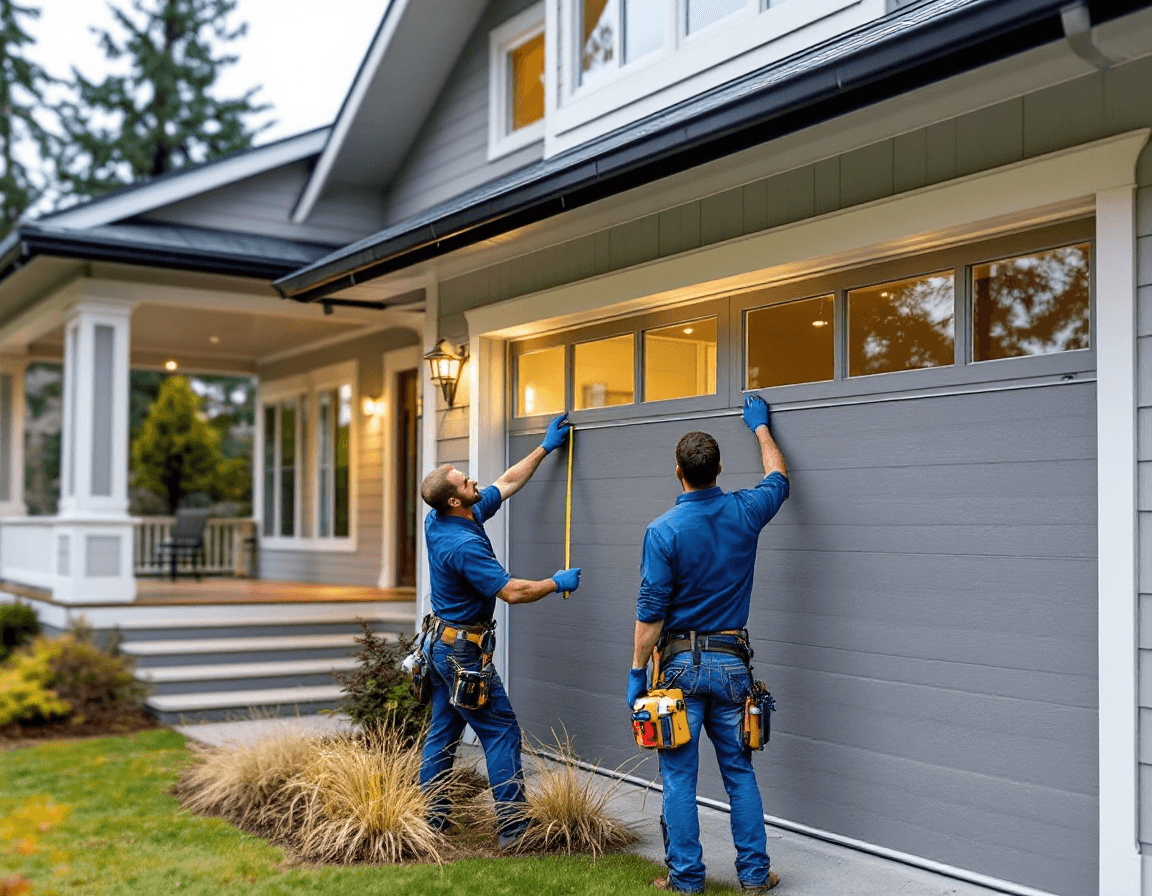
Garage Door Installation & Replacement in Snoqualmie, WA is a practical decision for homeowners who have reached the point where another repair call will not solve the problem. Snoqualmie sits in the Snoqualmie Valley of King County, where the Snoqualmie River winds below the foothills and the air stays damp for much of the year. Those conditions push garage doors harder than most people realize, and a door that once worked well can start to sag, warp, or lose its seal within a decade or two. When a door reaches that stage, a well-planned replacement can restore security, quiet, and comfort at the same time.
Many of the homes in and around Snoqualmie were built in the last few decades, and plenty of them are on the Snoqualmie Ridge side of town, where newer subdivisions have wider driveways and two-car garages. Owners in these neighborhoods often want a door that matches the rest of the house, not a generic panel that looks like it came off a builder's catalog. Others live in older parts of town near the historic core and want a door that respects the character of the house while still operating safely and reliably. This guide walks through the choices, costs, and local considerations that matter most when you are replacing a garage door in this part of King County.
If you are reading this because a door has already failed, or because you can see obvious damage, you are not alone. Our technicians see the same patterns repeatedly: cracked panels after a windstorm, rusted bottom sections near the floor, springs that snapped during a cold snap, and tracks bent by a car that backed into a door that was already misaligned. The good news is that replacement is a straightforward process when it is scoped correctly from the start. The sections below explain how to make that decision with confidence.
How Snoqualmie's Wet Winters Wear Down Garage Doors
Western Washington winters are long, gray, and wet, and the Snoqualmie Valley tends to hold moisture longer than areas closer to the open coast. Rain, fog, and condensation settle into the lower panels of a garage door and stay there, especially where the door meets the concrete slab. Over time that moisture can work into wood sections, cause steel to begin rusting at scratches or seams, and degrade the paint and primer that protect the door surface. A door that looks fine from the street may have soft spots along the bottom rail that only show up when you press on them.
Temperature swings add another layer of stress. A morning in the valley can start with frost on the driveway and end with a mild afternoon, and that daily expansion and contraction gradually loosens fasteners, stresses hinges, and pulls panels slightly out of square. Steel expands and contracts more than many owners expect, which is one reason older doors develop rattles and uneven gaps at the top corners. Wood doors respond even more dramatically to humidity, swelling in wet months and shrinking when the house is heated through a dry spell.
Wind is the third factor. Storms that roll through the valley can push against a large, flat door surface with real force, particularly on exposed properties and along open streets. A door that was installed without attention to wind load, or one whose hardware has loosened over the years, can buckle at the top or pull away from its track. When we replace a door in this area, we pay close attention to how the new panels, brackets, and tracks will hold up under those conditions, because a door that survives the first windstorm of the season is worth the extra planning.
Comparing Insulated Steel, Wood, Glass, and Aluminum
Choosing a material is the first major decision in any replacement, and each option has real strengths and tradeoffs in a climate like ours. Insulated steel is the most common choice for good reason. Steel panels filled with polystyrene or polyurethane foam provide solid insulation, resist dents, require relatively little maintenance, and come in a wide range of colors and textures. They also stand up well to the moisture of the Snoqualmie Valley when they are properly primed and finished.
Wood carriage-style doors offer a classic look that many homeowners associate with older Pacific Northwest farmhouses and craftsman-style homes. Wood can be beautiful, but it demands regular attention. Cedar and other naturally durable species perform well when they are sealed and maintained, and engineered wood products are often more stable than solid boards. Expect wood doors to need refinishing every few years in a wet climate, and inspect the bottom edges closely, since that is where water tends to collect.
Glass and aluminum options work well for owners who want natural light or a contemporary appearance. Frosted or tinted glass panels can add visual interest without making the garage feel like a display case, and aluminum frames resist corrosion better than steel in damp settings. Glass sections generally offer less insulation than foam-filled steel, so they are often paired with insulated panels or chosen for a space that does not need to be heated. We will walk you through the tradeoffs for your specific house, exposure, and use of the garage before you commit to a material.
Carriage-Style Doors That Suit Ridge Homes and Valley Properties
Carriage-style doors have become one of the most requested styles for homes around Snoqualmie Ridge and across the valley. These doors use decorative hardware, horizontal grooves, and often overlay trim to imitate the swinging barn-style doors of earlier generations, but they operate on modern sectional tracks that lift smoothly overhead. The effect can transform the front of a house, especially when the color coordinates with trim, siding, and entry doors. For homeowners who feel their garage is the dominant feature of the facade, a carriage-style door can make the whole property look more intentional.
Getting the look right depends on details that are easy to overlook. The width and height of the opening, the style of the surrounding trim, and the color of the siding all affect how a door will read from the street. Hardware matters too, because faux hinges and handles that are proportioned poorly can make a door look like a costume rather than a feature. We often recommend bringing photos of the house in daylight and at dusk so you can see how the door will look under the lighting you actually get in a Snoqualmie evening.
Carriage-style doors are available in both steel and wood, and in composite or aluminum versions that try to capture the look with less maintenance. Each has its place. A steel carriage door on a newer home can deliver the style and insulation most owners want with minimal upkeep, while a wood version may suit a custom home with mature landscaping and a homeowner who enjoys periodic finishing work. Whichever you choose, ask to see the finished product in person, since sample swatches rarely capture how the texture and grain look once the door is installed.
Signs It Is Time to Replace Instead of Repair
Not every garage door problem calls for a new door. A worn opener, a snapped spring, or a damaged roller can often be fixed for a reasonable cost, and a good technician will tell you when a repair makes more sense than a replacement. The challenge is knowing when repairs are no longer worth the money. Replacement tends to be the better path when the same problems keep returning, when the door structure itself is compromised, or when the cost of keeping the old door running approaches the cost of a new one.
- The door has been repaired more than once in the last two years for different components, such as springs, cables, rollers, and panels.
- Sections are cracked, delaminated, or crushed, and the damage cannot be cleanly replaced because the panels no longer match.
- The bottom rail or lower panels show soft wood, flaking steel, or rust that has spread beyond a small spot.
- The door sags, leans, or no longer closes evenly, and the tracks cannot be realigned without significant changes.
- The door rattles badly, lets in drafts, or lets cold air and noise into the garage and the living space above or beside it.
If several of these apply to your door, it is worth getting a full inspection and an honest replacement quote. Our crews are happy to explain the difference between a door that can be salvaged and one that is simply worn beyond practical repair. In many cases the cost of a new insulated door, installed with a matching opener, comes out close to what owners have already spent on piecemeal repairs over a few seasons, and the new door brings improvements in comfort and appearance that repairs cannot provide.
Improving Insulation and Energy Efficiency in a Cool, Damp Climate
Many owners in Snoqualmie use their garages for more than parking. They may have a workshop, a home gym, a storage area for bikes and outdoor gear, or a space where they work on projects through the winter. A garage that is poorly insulated becomes a cold zone that makes the adjacent rooms harder to heat, and it can also add to the moisture problems that wear out the rest of the door. An insulated door reduces heat loss through the largest opening in the garage, helping the space stay more stable.
When evaluating insulation, look for the R-value of the door and the quality of the seals around its perimeter. Thicker, foam-filled steel panels generally perform better than thin single-skin doors, and weatherstripping along the bottom, sides, and top matters just as much as the panels themselves. Pay attention to the threshold and the seal where the door meets the floor, because a gap there can let in cold air and wind-blown moisture even when the rest of the door is well built. We check these details on every installation and adjust the seals so the door closes firmly without binding.
Efficiency also depends on how the garage is used. If you keep the door open for long periods, or if the garage is unheated and attached to a conditioned home, the door is only one piece of the puzzle. Adding insulation to a garage wall that connects to the house, sealing gaps around pipes and wiring, and keeping the garage door closed when not in use can all help. A new door is a strong starting point, and we are happy to talk through what else might make a difference for your home.
Measuring the Opening and Planning for Remodels or Additions
Accurate measurement is the foundation of a successful installation, and it becomes especially important when a garage door is part of a remodel or addition. Openings that look standard can vary by an inch or more from one side to the other, and older framing sometimes includes out-of-plumb walls or header heights that differ from the original plans. Before we order a door, we measure the width and height of the opening at several points, check the header and jamb clearances, and confirm the space above the opening for track and spring hardware. Getting this right prevents delays and ensures the door fits and operates as designed.
Remodels and additions introduce their own questions. If you are expanding a garage, converting part of it into living space, or adding a second bay, the door may need to be sized differently, and the structure around it may need reinforcement. Changes to the opening can require permits from the City of Snoqualmie or King County depending on where your property sits, so it is wise to confirm requirements early in the planning process. Your contractor or designer can help coordinate the timing so the door arrives when framing and finish work are ready for it.
Talk through the future use of the space before you finalize the order. A door that will be opened frequently for a workshop or a boat may benefit from a heavier-duty opener and higher-cycle springs. A door in a space where you plan to add a window or a side entry may need a different panel layout. We would rather hear about these plans during the estimate than discover them after the door is built to a specification that no longer fits your needs.
What Happens During a Professional Installation Visit
A professional installation usually follows a clear sequence, and knowing what to expect can make the day go more smoothly. The crew arrives, confirms the door model and color, and walks through the opening with you to make sure everything matches what was measured. They then remove the old door, which involves carefully releasing the spring tension and disconnecting the cables and hardware. This step is dangerous when handled by someone without training, which is why we always recommend leaving spring and cable work to licensed professionals.
Once the old door is out, the crew inspects the opening, tracks, rollers, hinges, and opener, and replaces any worn components that would compromise the new door. They then assemble the new sections, install the tracks and brackets, set the springs to the correct tension for the door's weight, and mount the opener if it is being replaced. The door is tested through a full range of motion, the balance is checked, and the safety sensors and auto-reverse function are verified before the crew leaves. Most standard single-door replacements can be completed in a single visit, though custom or specialty doors may require additional lead time for manufacturing.
Before you sign off on the work, ask the crew to walk you through the controls, show you how to use the manual release, and explain how to check the door's balance and sensors over time. A good installer will also tell you which maintenance tasks to schedule, such as lubricating rollers and hinges, tightening hardware, and checking seals after the first winter. These small steps help the new door perform well for many years in a climate that tests every part of it.
Understanding Pricing From $950 to $3,800-Plus
Installed prices for new garage doors in our service area generally range from about $950 to $3,800 or more, and the spread reflects real differences in materials, size, and features. A basic steel single door in a standard size will sit near the lower end of that range, while a large insulated double door with decorative carriage hardware, glass panels, or a premium opener will often land near the top. Wood and custom-built doors cost more, and specialty designs with unusual dimensions or finishes can exceed the typical upper figure. The final number depends on the door itself, the labor required, and any structural or code-related work that the opening needs.
- Single or double door size, since a double door requires more material, heavier hardware, and often a larger opener.
- Material choice, including insulated steel, wood, glass, aluminum, or composite options, each with different cost and maintenance profiles.
- Insulation rating and panel thickness, which affect both price and long-term comfort.
- Style and hardware, such as carriage-style overlays, decorative handles, windows, and color finishes.
- Opener selection, including whether you want a quieter belt drive, a smart connection, or a backup battery system.
- Removal and disposal of the old door, along with any framing repairs or header adjustments the opening needs.
We provide written estimates that break out these components so you can see where your money is going and make informed choices about what matters most. Some homeowners prioritize insulation and choose a mid-range door with a high-quality opener, while others focus on appearance and select a premium carriage design. Both approaches can be right, depending on how you use the garage and how long you plan to stay in the house.
Warranties, Permits, and Choosing the Right Installer
A garage door is a major purchase, and the details of the warranty and installation process matter as much as the door itself. Manufacturer warranties typically cover panels, finishes, and hardware for defined periods, but they may exclude damage from improper installation or lack of maintenance. Ask any installer to explain what the manufacturer covers, what the installer's own workmanship guarantee includes, and how claims are handled if something goes wrong. Written terms are far more reliable than verbal assurances.
Permits are another area where local rules matter. Replacing a door in the same opening with a similar size often does not require a permit, but changes to the structure, expanded openings, or work tied to an addition may trigger review. Requirements can depend on whether your home is inside city limits or in unincorporated King County, so confirm with the appropriate office before work begins. A licensed, bonded, and insured contractor will know when a permit is needed and can help you through the process.
When choosing an installer, look for credentials you can verify, clear written estimates, and a willingness to answer questions without pressure. Ask how long the crew has worked in the Snoqualmie Valley, whether they handle spring and cable work themselves or subcontract it, and what safety practices they follow during removal. A reputable company will be transparent about these points and will encourage you to take your time comparing options. Seattle Garage Door Fix is licensed, bonded, and insured, and we are glad to provide proof of those credentials on request.
Replacing a garage door is one of the most visible improvements you can make to a Snoqualmie home, and it is also one of the most practical. A well-chosen door can improve security, cut down on drafts and noise, handle the valley's wet and windy seasons, and give your home a fresh, intentional look from the street. If your current door is holding you back, call Seattle Garage Door Fix at (888) 799-3819 to schedule a free estimate, and we will help you compare materials, styles, and budgets so you can make the decision with confidence.