
Replacing a garage door is one of the most visible upgrades a homeowner can make, and in Carnation, WA it's also one of the most practical. Homes in the 98014 area sit in the Snoqualmie Valley, where long wet winters, morning fog off the river, and the occasional hard windstorm all put steady stress on the largest moving panel on the front of the house. When an old door finally gives out, the question is rarely whether to replace it, but which type will hold up best and suit the property. Seattle Garage Door Fix installs new single and double garage doors for homeowners across Carnation and the surrounding King County communities, and we work with insulated steel, carriage-style, wood, glass, and aluminum options.
Installed pricing for a new door generally runs from about $950 to $3,800 or more, and where a project lands in that range depends on the door's construction, the materials, the size of the opening, and any hardware or structural work the install requires. A basic insulated steel door on a standard two-car opening sits at the lower end, while custom wood or glass designs with upgraded tracks and openers climb higher. We would rather walk you through those differences honestly than quote a number that doesn't match your situation. If you're weighing a replacement right now, call (888) 799-3819 and we can talk through options before anyone commits.
This page explains how we approach door replacement in Carnation: what usually prompts a change, how the materials compare in a wet, temperate climate, what an installation visit involves, and how to keep a new door performing well for years. The information here is meant to help you make a clear decision, whether your door was damaged in a storm, has rotted at the bottom panels, or simply no longer matches the house you've spent years improving.
Why Carnation Homes Often Outgrow Their Original Garage Door
Many houses in Carnation were built when garages were primarily for parking and storage, and the doors installed then were chosen for cost rather than long-term performance. Over decades, those doors take a beating from humidity, temperature swings, and daily cycling. A door that once looked fine can start to sag, separate at the seams, or develop gaps that let cold air and moisture into the garage. Homeowners often assume the opener is the problem when the real issue is the door's age and construction.
Carnation's setting adds its own pressure. The town sits where the Snoqualmie and Tolt rivers meet, and properties throughout the valley deal with damp air that lingers well into spring. Lots near the river and lower-lying streets can see more moisture collecting around the base of structures than hillside homes do. Garage doors sit close to the ground and get splashed by runoff, so their bottom sections are often the first to show wear. Even homes that feel dry inside can have garage environments that stay humid enough to affect wood and metal over time.
Growing households and changing needs also drive replacements. A garage that once held one car may now hold a truck, a workshop, or a home office, and a narrow or underpowered door can feel like a constraint. Some owners want a wider opening, a quieter door, or a design that better fits a renovated facade. Understanding why you're replacing the door helps shape the right choice, because a door bought to solve a moisture problem is specified differently from one chosen to modernize curb appeal.
Reading the Signs That Your Door Has Reached the End
Not every problem means the whole door needs replacing. Worn rollers, a frayed cable, or a misaligned track can often be repaired at reasonable cost. But some conditions point toward replacement, and recognizing them early can save you from a door that fails at an inconvenient moment. The most telling sign is repeated breakdowns on a door that is already well past its expected service life. When you're calling for repairs every season, the cumulative cost and frustration can exceed the price of a new installation.
Structural damage is another clear indicator. Panels that are dented, cracked, or splitting, sections that have warped out of square, or wood that has softened from rot usually can't be restored to reliable performance. Rust that has eaten through the bottom of a steel door, or delamination in an older insulated panel, signals that the door's core has failed. Storm damage from a heavy windstorm or a tree limb can also compromise panels in ways that are not always visible from the outside, so an inspection is worthwhile after any significant event.
Energy loss is easier to notice than most people expect. If the garage feels noticeably colder in winter, or if rooms above or adjacent to the garage are drafty, the door may be letting in air around its perimeter. Here are some common warning signs we see during service calls:
- Visible daylight around the edges or bottom seal when the door is closed
- Panels that flex, rattle, or bow when the door is operated
- Rust bleeding through paint, especially along the bottom section or hinges
- Soft or spongy wood near the base, trim, or lower rails
- Repeated failures of springs, cables, or rollers on the same door
Springs and cables are a special case. Torsion springs and lift cables store significant tension, and working on them is dangerous without the right tools and training. If you notice a broken spring, a frayed cable, or a door that drops suddenly, keep people and vehicles clear and have a licensed professional handle the repair. Spring and cable work should never be attempted as a do-it-yourself project.
Choosing Between Insulated Steel, Wood, Glass, and Aluminum
Each door material has trade-offs, and the right choice depends on how you use the garage, how much weather exposure the door faces, and what look you want. Insulated steel is the most common choice for a reason. Steel skins bonded over a foam core provide solid thermal performance, resist dents better than many alternatives, and can be finished in a wide range of colors and textures. Insulated steel is also generally the most maintenance-friendly option for a damp valley property, since it doesn't rot and paint systems on quality steel hold up well when properly installed.
Wood offers warmth and character that few other materials can match, and custom wood doors can be built to nearly any proportion. However, wood requires more care in a wet climate. It needs sealing or painting and periodic maintenance to prevent swelling, cracking, and rot, particularly at the bottom panels where water collects. Wood doors are often a strong choice for homes with heritage styling or lots that are sheltered from direct rain, and they perform best when the finish is refreshed on a regular schedule.
Glass and aluminum options bring a lighter, more contemporary feel. Glass panels, often framed in aluminum, let natural light into the garage and can make a small space feel more open. Aluminum frames resist corrosion well, which matters in humid conditions. Glass sections are typically more exposed to energy transfer than solid insulated panels, so if insulation is a priority, look for insulated glazing or consider combining glass with solid panels. Ask us about the specific glazing and frame options available for the door you're considering, since performance varies widely between products.
Carriage-Style Doors and the Look Carnation Homes Favor
Carriage-style doors have become a popular choice for homes across the Snoqualmie Valley, and it's easy to see why. Their traditional design, with vertical or horizontal grooves, decorative hardware, and paired panels, suits farmhouse, craftsman, and Pacific Northwest vernacular architecture. Many Carnation properties have a rural or country character, and a carriage-style door can tie the garage to the rest of the house in a way that a plain flush panel never does. Modern versions carry this look using insulated steel or composite materials, which gives you the appearance of wood with far less upkeep.
Carriage-style designs can be ordered in single or double widths, and the hardware, handles, and window options are where you can personalize the look. Some homeowners choose faux hinges and handles that mimic old barn doors, while others prefer a clean, minimalist treatment with a few windows across the top. Color matters too. Deep greens, warm browns, and muted neutrals tend to complement the landscape around many local homes, but the best choice is one that coordinates with your trim, siding, and roofing. Bringing a sample or photo of your house to the consultation makes this much easier.
Carriage-style doors also demand careful installation. Because the grooves and decorative elements can make the door visually heavier, the tracks, springs, and opener need to be matched to the door's weight. An undersized opener or mismatched hardware can shorten the life of the door and cause it to strain during operation. A good installer will verify the weight and balance before finishing the job, and will adjust the system so the door moves smoothly and stops where it should.
Moisture, Mildew, and the Valley Floor: Building for Wet Winters
Western Washington's wet season is long, and the Snoqualmie Valley collects moisture in ways that can surprise homeowners who moved from drier regions. Fog and drizzle can persist for days, and the ground around many properties stays saturated for much of the winter. A garage door at the front of the house is exposed to all of this, and the lower panels are closest to splashing water, road spray, and soil moisture. Choosing a door and finish with that exposure in mind is one of the most important decisions you can make.
For steel doors, the key is the quality of the factory finish and the sealing at the bottom and edges. Look for a door with a well-sealed bottom section and weatherstripping that fits tightly against the threshold. For wood doors, sealing every edge, including the bottom and the surfaces where panels meet, slows water absorption. Keeping gutters clear and making sure downspouts direct water away from the garage foundation also reduces the amount of moisture reaching the door. These small habits matter as much as the door itself.
Ventilation inside the garage also plays a role. Damp air trapped in a closed garage can cause condensation on the back of the door, which encourages corrosion and mildew over time. Running a dehumidifier during the wettest months, storing damp items elsewhere, and avoiding the habit of leaving the garage closed with wet vehicles inside can all help. We often recommend that clients think about the door, the drainage around the garage, and the interior moisture level together, since each affects the others.
Insulation Upgrades for Attached Garages and Workshop Spaces
Many Carnation homeowners use their garages as workshops, gyms, or hobby spaces, and comfort in those rooms depends heavily on the door. An uninsulated or poorly sealed door can make the garage hard to heat in winter and too warm in late summer. If the garage is attached to living space, a drafty door can also affect the rooms above and beside it. An insulated door with proper seals is one of the most direct ways to improve comfort without remodeling the entire garage.
When comparing insulated doors, pay attention to how the insulation is built into the panels rather than just the listed thickness. Doors constructed with a foam core bonded to steel skins generally perform better than those with hollow or loosely filled sections. Manufacturers publish performance ratings for their products, and those ratings vary by construction, so ask for the documented value for the specific door you're considering rather than relying on general claims. Weatherstripping, bottom seals, and side seals are equally important, because a well-insulated panel can still leak air through poorly fitting edges.
If the garage has a finished ceiling or living space above, consider how the door interacts with the rest of the structure. Some owners upgrade the garage ceiling insulation and the entry door at the same time, which gives a more complete improvement. A licensed installer can check the door opening for square, level alignment, since a door that doesn't seat properly will leak regardless of its insulation rating. Good installation is the foundation of any efficiency gain.
Remodels, Additions, and Matching a New Door to Existing Trim
Adding a new door during a remodel or addition brings its own set of considerations. If you're expanding the garage, converting a single bay into a double, or building a new structure, the door has to match the opening, the framing, and the header. Measuring is critical, and the rough opening should be verified before ordering. Clearance above the door for the track and opener, and space to the side for the tracks, both affect what style of door and mechanism will fit. We recommend confirming these dimensions with your contractor early so there are no surprises on installation day.
Matching the new door to existing trim and architecture is often where homeowners spend the most thought. If the house has been recently painted or re-sided, the door should complement the new palette rather than clash with it. Trim width, header height, and the proportions of the facade all influence which panel pattern looks right. Sometimes the best solution is a door that echoes a detail elsewhere on the house, such as window grids or porch columns. A consultation with photos of the front elevation helps a great deal in narrowing options.
Permits and inspections may also be required depending on the scope of your project, particularly if the work involves structural changes, new openings, or electrical work for an opener. Requirements for projects in the Carnation area are set by the jurisdiction governing your property, so check with the city or county permitting office before you begin. A licensed contractor can confirm what applies to your specific project and coordinate with the inspection process, which keeps the work on schedule and protects your home's value.
What a Carnation Installation Visit Typically Involves
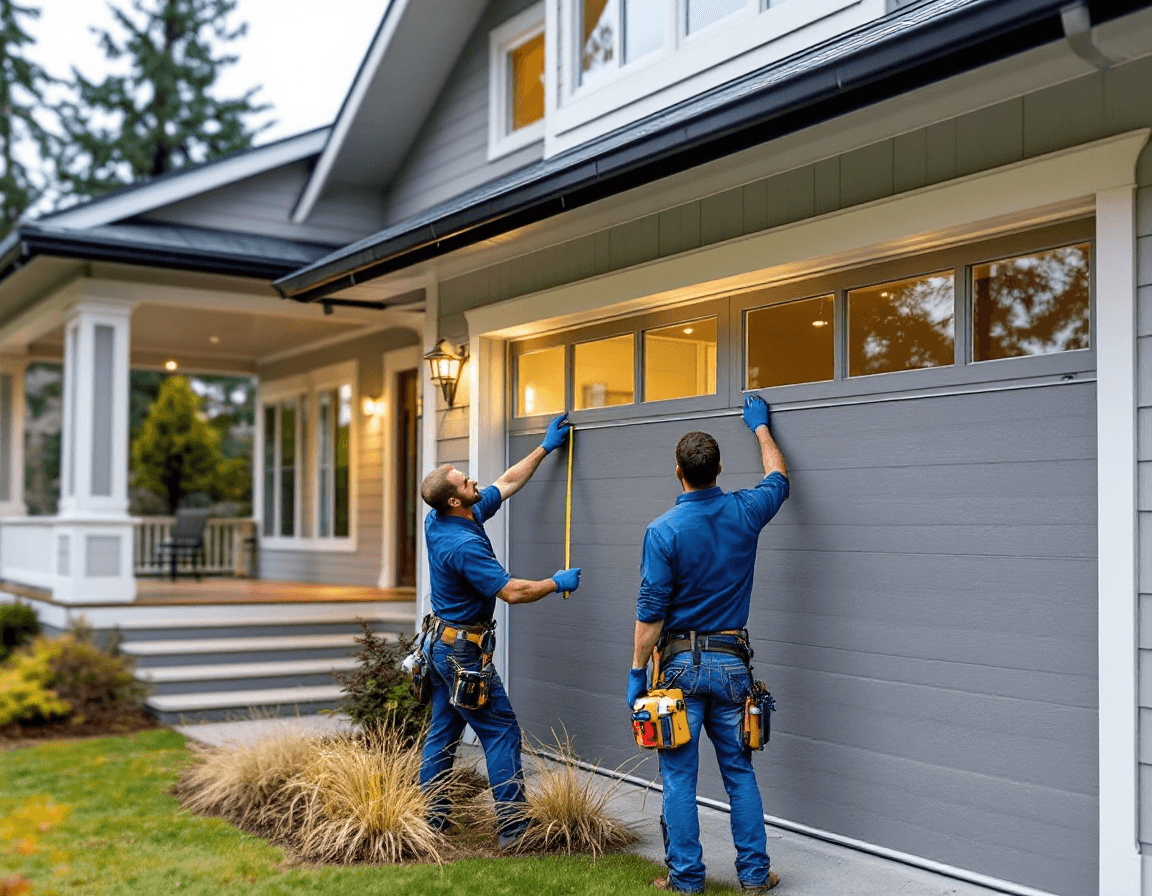
A professional door replacement usually begins with a site visit. During that visit, the installer measures the opening, checks the framing for square and plumb, and inspects the existing tracks, springs, and opener. We look for hidden problems such as rot in the header or jamb, loose anchors, or an opener that is undersized for the new door. Identifying these issues before ordering the door prevents delays and ensures the new system will operate correctly from day one.
On installation day, the old door is removed carefully, and the opening is prepared. Old tracks and hardware may be replaced even if they appear functional, since mismatched components can wear unevenly and reduce performance. The new door is assembled, hung, balanced, and tested through its full range of motion. Balancing matters because it determines how the door feels when operated and how much strain the opener and springs carry. A properly balanced door lifts smoothly and stays where you leave it.
Once the door is operating well, the installer checks the seals, adjusts the opener's travel limits and force settings, and tests the safety reversal system. Photo-eye sensors near the floor and force settings should be verified, because they protect people and objects in the door's path. We walk homeowners through how to operate the door, what to avoid, and what routine maintenance looks like. Cleanup is part of the job, and the old door is hauled away so the garage is ready for use.
Understanding the $950–$3,800+ Price Range
The price for a new garage door reflects several factors that homeowners can influence. The door material is the largest variable. A basic insulated steel door in a standard size will sit at the lower end, while custom wood, glass-heavy designs, and specialty aluminum systems cost more. Door width matters too, since a double door uses more material and typically requires heavier hardware. Finish, color, hardware, and window options add to the total, as do upgrades such as quieter rollers or enhanced seals.
Installation complexity also affects cost. An opening that is square and in good condition is simpler to work with than one that requires header repair, jamb adjustments, or structural correction. Replacing the opener, adding a new track system, or updating the wiring for a smart opener can add to the project. Removal and disposal of the old door are usually included in a complete replacement, but it's worth confirming the scope so you know exactly what the quoted price covers.
We recommend asking for an itemized estimate that breaks down the door, hardware, installation labor, and any additional components. A transparent quote makes it easier to compare options and decide where to invest. Sometimes a mid-range insulated steel door with quality seals delivers better long-term value than a premium material that requires more maintenance in a wet climate. The right answer depends on how you plan to use the garage and how long you intend to stay in the home.
Warranties, Licensing, and Working With an Insured Crew
A new garage door should come with clear warranty coverage, and it's important to understand what that coverage includes. Manufacturers typically warrant the door's panels, finish, and hardware for defined periods, and the warranty terms can differ significantly between product lines. Installation workmanship is usually covered separately by the installer. Ask for written documentation of both, and keep copies with your home records so you know who to contact if a problem arises.
Choosing a licensed, bonded, and insured installer protects you during the project. Garage doors involve heavy components, spring tension, and electrical connections for openers, and an accident during installation can create liability for the homeowner if the contractor isn't properly covered. Seattle Garage Door Fix is licensed, bonded, and insured, and we can provide documentation on request. Be cautious of anyone who offers to do spring or cable work without the proper training and equipment, since those are the tasks most likely to cause serious injury.
Finally, look for a company that explains the work clearly, answers questions without pressure, and follows through on the schedule it sets. A good installer will discuss options that fit your budget, point out potential issues before they become expensive, and stand behind the work after the crew leaves. Whether you're replacing a storm-damaged door, upgrading for energy efficiency, or modernizing the look of a Carnation home, a careful, documented process is what makes the result last.
Keeping Your New Door Performing Well Through Every Season
A new door will serve you well for many years, but a little routine care keeps it running smoothly and protects the warranty. In the Pacific Northwest, the most important habits focus on moisture, moving parts, and safety. Inspecting the door each season helps catch small problems before they grow. Look at the weatherstripping, the bottom seal, the finish on wood or steel, and the condition of the rollers and hinges. Listen for unusual noises during operation, since grinding or popping can signal wear that needs attention.
Here are some practical maintenance steps that homeowners in the valley can take:
- Clean the door and tracks periodically, and remove debris that collects in the track channels
- Lubricate hinges, rollers, and the lift mechanism with a silicone or lithium-based product, avoiding grease that attracts dirt
- Check that the bottom seal and side weatherstripping remain flexible and fully contact the frame
- Test the auto-reverse safety feature monthly by placing an object in the door's path and confirming it reverses
- Touch up paint or sealant on wood and scratched steel surfaces before moisture can penetrate
Spring and cable tension should be inspected only by a licensed professional. If the door is becoming difficult to lift, moves unevenly, or shows signs of cable fraying or spring wear, schedule service rather than adjusting the hardware yourself. Routine maintenance keeps the door safe and extends its life, and a professional check every few years is a sensible investment for any household that uses the garage daily.
If you're ready to talk through a new door for your Carnation home, whether it's a single replacement, a double upgrade, or a custom carriage-style design, call Seattle Garage Door Fix at (888) 799-3819. We'll review your opening, discuss materials that suit the local climate, and give you a clear, itemized estimate with no obligation to proceed.