
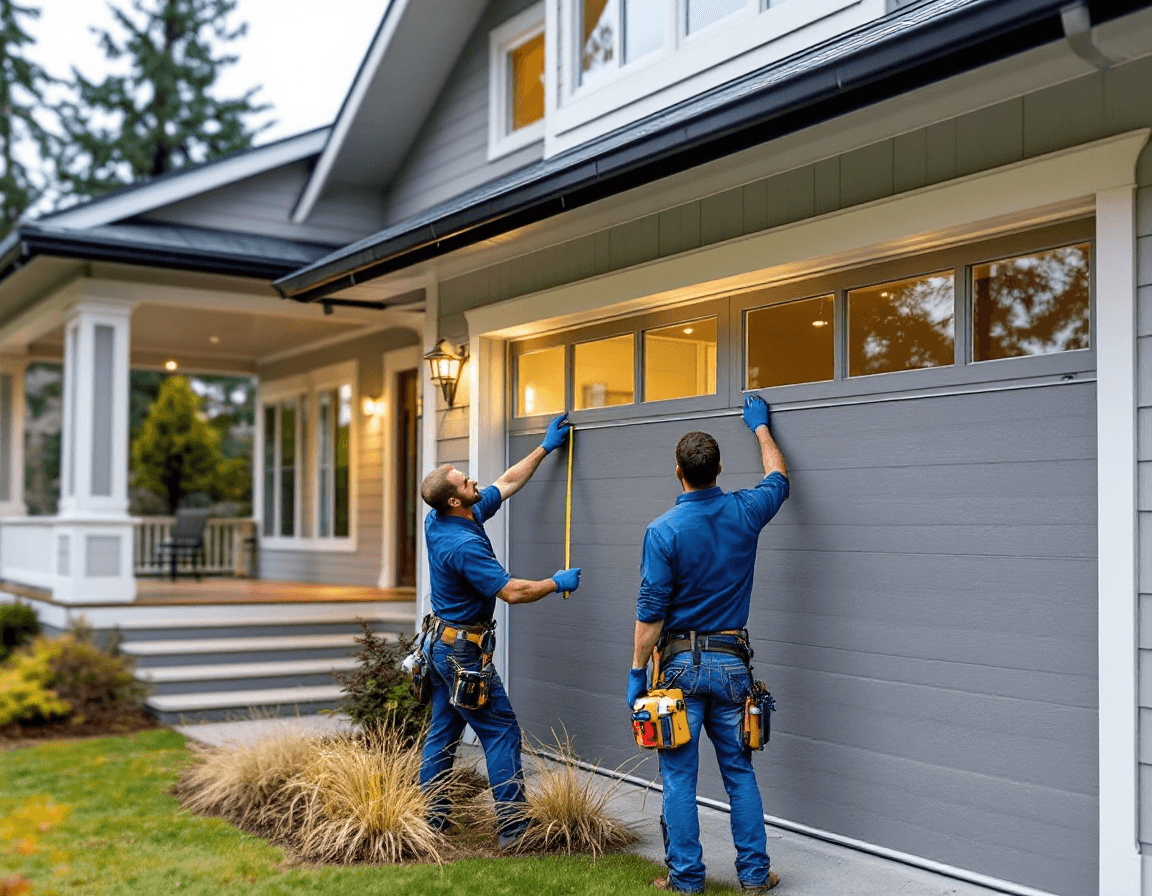
Garage Door Installation & Replacement in Redmond, WA is one of the most practical upgrades a homeowner can make, and it often pays off in ways that go beyond curb appeal. Whether your door has been cracked by a winter windstorm, has rusted at the bottom panels, or simply no longer keeps the garage warm in January, a new door can change how the space works for you. Our technicians install single and double doors in insulated steel, carriage-style, wood, glass, and aluminum designs for homes throughout Redmond and nearby communities.
Redmond houses vary widely, from older ranch-style homes near Marymoor to newer townhomes and larger builds on Education Hill and around Overlake. Each setting puts different demands on a garage door, including how much it is used, how exposed it is to rain and wind, and how the attached living space is heated. A door that works well on a flat, sheltered lot may not hold up as well on a home that catches afternoon gusts from the west. Knowing your home's situation helps you choose a door that will perform for the next fifteen to twenty years rather than one that matches only today's needs.
Pricing for a professionally installed door in our service area generally runs from about $950 to $3,800 or more, with the final number shaped by the door type, materials, size, and any structural work needed. We will walk you through those factors before any work begins so there are no surprises. The sections below explain what to expect from start to finish, how the Pacific Northwest climate affects your options, and why installation and spring or cable work should always go to a licensed professional.
Why Redmond Homeowners Often Replace Instead of Repair
Many calls we receive start with the same question: can this door be fixed, or does it need to be replaced? The honest answer depends on the age of the door, the condition of the panels, and whether the failure is isolated or part of a pattern. A single broken panel on a relatively young door can often be swapped out, but a door that has delaminated, sagged, or warped across several sections is usually a poor candidate for another round of repairs. Once the structure has shifted, new parts rarely bring the door back into true alignment.
Repeated breakdowns are another strong signal. If you have called for the opener, the rollers, the tracks, or the springs more than once in a short period, the cumulative cost can add up quickly. Redmond's damp seasons accelerate wear on hinges, rollers, and bottom seals, so a door that was adequate ten years ago may now be fighting corrosion and friction on every cycle. Replacing the whole assembly at that point often gives you a more reliable system with newer hardware matched to the new panels.
Storm damage, rot, and rust deserve their own consideration. A dented panel from a fallen branch might look minor, but it can compromise the weather seal and let moisture reach the internal framing. Wood doors that have soaked up water for years can rot at the bottom rail and along the stile edges, and steel doors that have scratches down to bare metal can begin to rust from the inside out. When damage reaches the structure rather than the surface, replacement is typically the more durable choice.
How the Pacific Northwest Climate Shapes Your Door Choice
Western Washington's weather is mild by national standards, but it is persistent. Long stretches of rain, high humidity, and low winter sun mean that moisture is the main enemy of a garage door rather than extreme cold or heat. Water that gets behind a panel or sits on a bottom seal can swell wood, feed rust on steel edges, and cause paint to lift. Choosing materials and finishes built for damp conditions makes a noticeable difference over time.
Wind is the other factor local homeowners ask about. Winter storms can push strong gusts across open lots and through gaps near driveways, and the pressure load on a large double door is considerable when it is closed. Wind-load ratings vary by manufacturer and door construction, so we pay attention to reinforcement, track mounting, and the quality of the bracing for every installation. A door that performs well in calm weather may not be the right choice for a home that sits in an exposed position.
Seasonal temperature swings also matter, particularly for the way doors expand and contract. A tightly fitted door in a warm, dry afternoon can bind in a cold, damp morning if the clearances were not set correctly during installation. Experienced installers leave appropriate room for movement, check that the balance is even across the full range, and test the seals before calling the job complete. These details are easy to overlook, but they determine how smoothly the door runs through an entire year of Redmond weather.
Comparing Materials: Insulated Steel, Wood, Glass, and Aluminum
Insulated steel is the most common choice for homes in our area, and for good reason. A steel skin bonded to a polystyrene or polyurethane core offers solid insulation, good durability, and a wide range of finishes, including faux wood grain textures that mimic traditional styling at a lower maintenance cost. Steel handles moisture well when the factory finish is intact, but scratches should be touched up promptly so the bare metal does not begin to corrode.
Wood doors offer warmth and character that many Redmond homeowners find hard to replace, especially on craftsman-style houses and homes with natural cedar or stained trim. They require more attention, including regular sealing and painting, and a wood door that is exposed to standing water at the bottom will eventually need repair. Many homeowners choose wood-look composite or insulated steel with a realistic grain as a compromise between appearance and upkeep.
Glass and aluminum designs suit contemporary homes with clean lines and plenty of natural light. Frosted or tinted glass panels provide privacy while letting daylight into the garage, and aluminum framing resists corrosion better than steel in damp conditions. Glass sections generally carry less insulation than solid steel panels, so they are often paired with insulated glass units and well-sealed frames when thermal performance matters. We will talk through the tradeoffs of light, privacy, and energy use before you decide.
Understanding Insulation Ratings and Your Garage Space
Insulation is one of the most common reasons homeowners in Redmond replace an older door. If your garage is attached to living space, a poorly insulated door can make adjacent rooms feel colder in winter and can allow the garage to swing with outdoor temperatures in ways that affect your heating bills. Manufacturers publish R-values for their insulated doors, and these numbers give you a useful basis for comparing options, although the real-world result also depends on seals, framing, and how well the door fits its opening.
Not every garage needs the highest-rated door on the market. A detached workshop used only for storage has different needs than a garage that houses a home gym, a workbench, or a heated room above it. We ask how you use the space, whether you have a finished room adjacent to the garage, and how much time you spend in there during colder months. That information helps us recommend a door whose insulation level matches your goals without paying for features you will not notice.
Weatherstripping and the bottom seal deserve as much attention as the panel itself. A high-quality insulated door can still leak heat and moisture if the perimeter seals are worn or if the threshold is uneven. During installation we check for gaps along the sides and top, confirm that the bottom seal makes contact across the full width, and adjust the fit so the door closes firmly without binding. These small details often have the biggest effect on comfort in the room next to your garage.
Matching Your Door to Redmond Neighborhood Styles
Redmond is a city of varied architecture, and the right garage door should complement the home rather than fight with it. Older homes near Downtown Redmond often feature traditional proportions, and a carriage-style door with divided panels and decorative hardware can tie the garage into the overall facade. Homes with simpler modern lines may look best with flush panels, horizontal grooves, or a glass-and-aluminum design that echoes the windows and entry details.
Around Education Hill and in several Overlake-area neighborhoods, we often see homes with stone accents, board-and-batten siding, or updated exteriors that were remodeled within the past decade or two. In those cases, color selection becomes especially important. Dark bronze, charcoal, and warm wood tones tend to work well with the surrounding materials, while very bright colors can make a newer garage door look out of place. We recommend bringing a photo or a paint sample to your consultation so we can test options against your siding and trim in natural light.
Hardware and finish choices can make a bigger difference than people expect. Decorative handles, windows placed in a consistent pattern, and a coordinated opener and keypad can all change how the door reads from the street. If you are planning a larger exterior update, it helps to coordinate the garage door with the entry door, the exterior lighting, and any planned landscaping so the whole front of the house looks deliberate rather than assembled piece by piece.
Planning for Remodels, Additions, and Opening Changes
Adding a new door as part of a remodel or addition requires more than choosing a design. The opening has to be framed to the correct dimensions, the header must be sized to carry the load above, and the track and spring system must be matched to the door's weight and width. When a homeowner wants a wider opening for a larger vehicle or a taller door for a workshop lift, the structural work can become a significant part of the project. We assess these details during the estimate so you know what is involved before committing.
Older Redmond homes sometimes have garage openings that are slightly out of square or that were framed before modern door sizes became standard. Those variations are normal, but they do affect how a new door fits and how it operates. A door that is even a half inch off in the opening can rub, bind, or fail to seal properly, so we measure carefully and document any irregularities. In some cases a small adjustment to the framing or trim is the right fix rather than forcing a standard door into a nonstandard opening.
If your remodel includes new insulation, drywall, or a finished room above the garage, coordinate the timing with the door installation. Installing the door before the interior work begins can prevent damage to finished surfaces, and it gives the installer clear access to the opening. Talk to your general contractor early so the schedule, materials, and trade sequencing support each other.
What Happens During a Professional Installation
A typical installation begins with a site visit to confirm measurements, check the existing opening, and discuss the door you have in mind. We look at the condition of the header, the wall framing, the floor, and the track mounting points, because these affect what is possible. Once the design and price are agreed upon, we schedule the work and order the door in the correct size and finish.
On installation day, the old door is removed carefully and the opening is inspected for damage or rot. The new tracks are mounted and leveled, the rollers and hinges are installed, and the door sections are assembled in order. The springs are set and balanced according to the door's weight, and the opener is connected and programmed if one is part of the project. Every component is tested through several full cycles, including the safety reversal features and the bottom seal, before we consider the job finished.
Before we leave, we walk you through how the door operates, show you how to use the manual release, and explain what routine care looks like. We also review the warranty terms for the door, the hardware, and the installation labor, so you know exactly what is covered and for how long. Clear expectations at the end of the job are part of doing the work properly.
Price Factors Behind the $950 to $3,800-Plus Range
Installed pricing depends on several variables, and it is helpful to understand them before you request an estimate. The table below is not a formal quote, but it describes the main drivers we see on residential projects in Redmond and the surrounding area:
- Door type and construction, such as basic insulated steel versus premium carriage-style or custom wood
- Single-car or double-car width, which affects both material cost and spring and track requirements
- Glass or window inserts, including insulated glass units and frosted or tinted options
- Insulation level and the quality of perimeter and bottom seals
- Structural work, such as header modifications or framing corrections for a changed opening
- Opener installation or upgrade, including smart controls and keypad or remote systems
- Removal and disposal of the existing door and any damaged framing
Single-car steel doors at the lower end of the range are usually straightforward replacements in standard openings. Premium wood, custom glass, and large double doors with reinforced framing sit toward the upper end, and projects that require structural changes can exceed the typical range. We will give you a written estimate that breaks out each category so you can compare options fairly.
Permits, HOA Rules, and Paperwork to Check First
Before scheduling a replacement, it is worth confirming whether your project requires a permit or review. Requirements can depend on whether you are simply replacing a door in the same opening or changing the size, structure, or fire separation of an attached garage. The City of Redmond permitting office can answer questions about your specific project, and we are glad to help you determine what documentation may be needed.
Homeowners' associations and planned communities often have rules about exterior appearance, including door style, color, and window placement. Many neighborhoods across the Eastside have architectural guidelines that apply to visible changes, and getting approval before ordering a door can prevent the frustration of returning a product that does not meet the rules. Keep a copy of the approved specifications and any color chips or photos with your project file.
Warranty and product paperwork also deserve attention. Save the manufacturer's warranty, the installation invoice, and the operating instructions in one place, and note the model and serial numbers for the door and opener. If you later sell the home, these records help show that the work was completed properly and that the components are still covered.
Safety First: Why Spring and Cable Work Needs a Licensed Pro
Garage door springs store a large amount of energy, and the torsion or extension springs used in residential systems can cause serious injury if they are handled incorrectly. Cables, drums, and lift assemblies also carry significant tension. For this reason, we recommend that homeowners never attempt to adjust, remove, or replace springs or cables themselves, no matter how handy they are. Even experienced DIYers can be seriously hurt when a spring releases unexpectedly.
Our installations are performed by licensed, bonded, and insured technicians who are trained to handle spring tension safely and to set balance correctly for each door. Proper balance matters for both safety and the life of the opener, because a door that is out of balance places extra strain on the motor and can drop unexpectedly when the release is pulled. When a new door is installed, the spring system is matched to its weight and checked under load before the job is complete.
If you notice a door that will not open smoothly, sits crooked, or makes a loud snap or bang, stop using it and call a professional. Do not try to force the door open or closed with the opener while it is out of balance. Keeping children and pets away from the door while you wait for service is also a good precaution.
Choosing a Local Installer and Taking the Next Step
When you compare installers, look for a company that asks detailed questions about how you use the garage, reviews the condition of the opening, and explains the difference between material options in plain language. A good estimate should describe the door, the hardware, the insulation rating, the installation scope, and the warranty terms in writing. Be cautious of any quote that does not explain what is included or that pressures you to decide before you have had time to think it through.
Our team serves Redmond and dozens of nearby cities across the greater Seattle and Western Washington area, which means we are familiar with the weather patterns, housing styles, and permitting considerations that affect residential projects here. We are a licensed, bonded, and insured company, and we handle spring and cable work only as part of properly performed installation or repair. We want you to feel informed about your options before you commit to anything.
If your garage door is damaged beyond repair, underperforming, or simply out of step with your home, a new door can make a meaningful difference in daily use and long-term comfort. Call (888) 799-3819 to schedule a consultation with our Redmond team, and we will look at your opening, talk through the materials that fit your home, and give you a clear, written estimate with no obligation.