
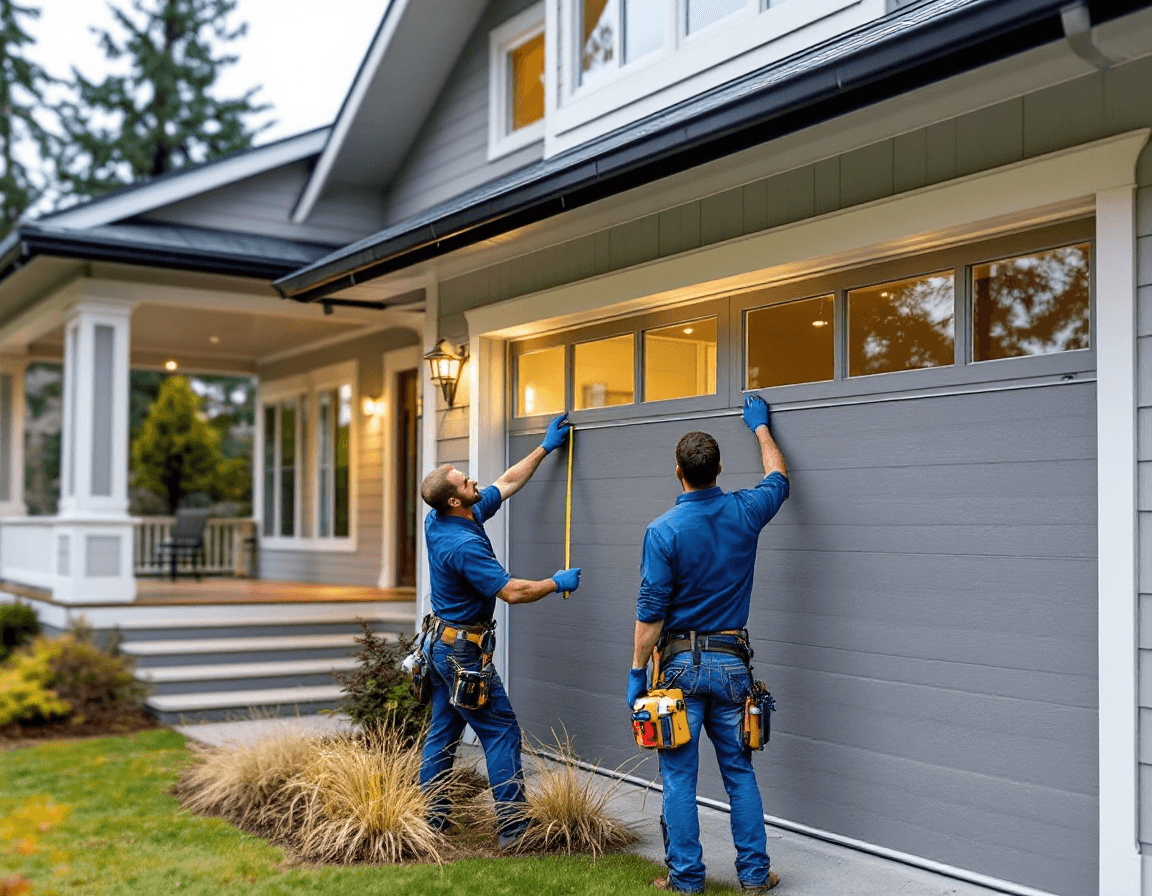
Replacing a garage door in Kirkland is one of the most useful upgrades a homeowner can make. The door is the largest moving part on the house, and it sees more daily use than almost any other component. Whether your door is damaged beyond repair, leaking heat into a cold garage, or simply dated next to a renovated entry, a well-chosen installation changes how the home works and how it looks from the street. Garage Door Installation & Replacement in Kirkland, WA is a service we handle regularly for homeowners across Downtown Kirkland, Juanita, Totem Lake, and Rose Hill, and the work is different in each of those areas because the homes, lots, and weather patterns vary.
This page explains how we think about a replacement from the first phone call through the final adjustment. We cover the signs that a door has reached the end of its useful life, how material choices play out in the Pacific Northwest climate, what affects price, and what happens on installation day. We also explain where a homeowner should draw the line between a decision they can make on their own and work that belongs to a licensed technician. Our goal is to give you enough detail to ask good questions and to feel confident about whatever direction you choose.
Kirkland is a city of hillside streets, lakefront-adjacent blocks, mid-century ranchers, newer infill homes, and older craftsman-style houses that have been updated over the decades. Each of those home types asks something different of a garage door, from proportions and trim to structural framing and insulation. Below, we walk through the decisions in the order most homeowners encounter them, starting with the question that brings most people to us in the first place.
Why Kirkland Homes Reach the Replacement Point Sooner Than Expected
Garage doors in the Pacific Northwest live a hard life. Winters bring long stretches of rain, cool damp air, and the occasional windstorm that pushes against a large flat panel with real force. Summers are generally mild, but the temperature swings between seasons, along with morning condensation and the moisture that settles into wood and metal, add up over time. A door that looked fine after a decade can begin to show its age faster than a homeowner expects, especially if it faces a prevailing wind or sits under a tree that drops needles and sap onto the top panel.
Many Kirkland garages were built with the original door in mind as a basic overhead unit, not as a finished element of the home's exterior. When a door fails in a home like that, the question is rarely just whether the old panels can be patched. It is usually whether the entire assembly, including tracks, rollers, hinges, and the opener, still matches how the family uses the space. Households that have added a bedroom above the garage, converted part of the garage into a workshop, or started parking newer, larger vehicles often find that the original door no longer fits the way they live.
We also see a pattern in homes that have been remodeled around a garage. A new front entry, updated siding, or fresh paint can make an older door look out of place, and that contrast often prompts a replacement even when the old door still technically operates. Recognizing that a door has become a mismatch rather than a failure is a valid reason to upgrade, and it is one of the most common conversations we have when a client calls about a new installation.
Signs the Current Door Has Outlived Its Usefulness
Some replacement decisions are easy because the door is plainly finished. Others take more thought. A few clear signals suggest the door has reached the point where repeated repairs are costing more than a new installation would, and most homeowners recognize at least one of them before they call.
- The steel panels show deep dents, separated seams, or a sagging bottom section that no longer seals against the floor.
- Rust has spread along hinges, bottom brackets, or the lower panel sections, particularly where water has sat for extended periods.
- Wood sections have soft spots, lifting paint, or rot near the bottom rail, a common result of rain splashing back from the driveway.
- The door has been repaired multiple times in the last few years, and the same components keep failing.
- The door is noticeably loud, shakes during operation, or stops partway through its travel and needs manual help to finish.
- Drafts, cold spots, or water intrusion make the garage hard to heat or keep dry, even after weatherstripping has been replaced.
Not every item on that list means the door must be replaced immediately. A badly worn cable or a failed opener can often be repaired economically. The real test is whether the door as a whole still performs safely, seals adequately, and matches the home. If multiple major components are tired at once, replacement usually makes more financial sense than piecemeal fixes, and a good technician will tell you so honestly during an inspection.
Choosing Between Steel, Wood, Glass, and Aluminum for a Kirkland Lot
Material choice drives the look, weight, insulation performance, and maintenance schedule of any new door, so it deserves careful attention. Insulated steel is the workhorse of modern garage doors. It holds up well to wind and impact, it comes in many colors and textures, and insulated versions with foam cores can make a meaningful difference in how the garage feels during cold snaps. Steel doors resist rot, which matters in a region where moisture is persistent, and they generally need less upkeep than wood.
Wood carriage-style doors offer a warmth that steel cannot fully imitate, and they suit many of the older and craftsman-influenced homes you find in the older parts of Kirkland. They require more attention, including periodic sealing or refinishing, and they perform best when the top and bottom are protected from direct water exposure. Modern wood doors often use engineered composites or sealed hardwood faces that reduce the maintenance burden, and we can discuss which options fit your exposure and budget. Aluminum and glass combinations work well for homes that want more natural light in the garage or a contemporary facade, though they may need thoughtful insulation choices if the garage is used as a living or workshop space.
We often recommend walking the lot before deciding. A door facing a lake breeze or an open hillside takes more wind pressure than one tucked under a covered porch. A garage on a sloped driveway may collect runoff at the threshold, which affects bottom seals and the choice of panel material near the floor. Those small details shape how well the door lasts, and they are as important as the color swatch on the sales counter.
Insulation Ratings and Comfort in Lake-Influenced Winters
Homeowners often ask about insulation first, and that is a reasonable place to start. A garage door's insulation value depends on the panel construction, the core material, the thickness of the sections, and the quality of the weatherstripping around the perimeter. Insulated steel doors typically use a foam core bonded to the steel skin, and many manufacturers publish performance ratings that let you compare models directly. Those ratings are a useful tool, but they describe the door in a lab setting, so it helps to think about how the door will actually behave on your property.
In Kirkland, the difference insulation makes is most noticeable in the garages that share a wall with living space, sit beneath a bedroom, or hold a water heater, freezer, or home workshop. Cool, damp air can settle into an uninsulated garage and migrate into adjacent rooms, while a well-insulated, well-sealed door helps keep the space more stable through long stretches of gray weather. Homeowners who use the garage as an extra room often report the greatest comfort gains, though the results depend on the rest of the envelope, including the entry door, the wall insulation, and whether the garage is sealed against outside air at the top and sides.
Insulation also works hand in hand with weatherstripping. A premium door with a poor bottom seal will still let in drafts and moisture. During replacement, we check the threshold, the side and top seals, and any gaps where the new door will meet the frame. Taking those details seriously is often what separates a comfortable garage from one that still feels like a wind tunnel.
Carriage-Style and Heritage Looks for Older Kirkland Homes
Kirkland includes many homes where the architecture invites a more traditional garage door. Carriage-style designs, with panel patterns that mimic the swinging doors of historic stables, can complement craftsman bungalows, colonial revivals, and other older styles. Those designs are available in steel, wood, and composite options, and they can add a lot of curb appeal when the proportions and hardware are chosen carefully. The door should feel like part of the house rather than an afterthought.
Getting that look right involves more than selecting a pattern. Window placement, panel spacing, hardware finish, and paint color all influence whether the door reads as authentic. Decorative hardware is available in finishes such as black, bronze, and galvanized tones, and the right choice often depends on the existing exterior lighting, house trim, and front door hardware. We encourage homeowners to bring photos of the front elevation and, if possible, a sample of the siding or trim color so the door choice can be evaluated in context rather than on a showroom floor.
Heritage-style doors are generally heavier than basic flat-panel units, and they can require sturdier tracks, springs, and openers. That means the installation scope may include structural checks that a simpler door would not require. We account for those needs during the estimate so the finished door operates smoothly and the price reflects the actual work involved.
Remodels, Additions, and New Door Openings
Some installations are driven by construction rather than failure. A garage that is being converted, widened, or attached to a new addition may need a door that matches new framing dimensions. Single-car garages sometimes become double-car spaces when a family expands, and new openings bring their own considerations for headroom, backroom depth, and the location of structural supports. These projects benefit from early coordination with the contractor or designer so the door is specified and sized before framing is finalized.
Adding a door to an existing wall is also common when a property owner wants a second access point or a wider entrance for equipment, boats, or recreational vehicles. Those openings must be framed properly to carry the loads involved, and the door, track system, and opener should be selected to match the new span and weight. In a remodel, the new door should also be considered alongside the rest of the exterior, including siding transitions, trim returns, and lighting placement.
When the scope includes framing work, we recommend confirming the plan with your general contractor or the appropriate local office before cutting or reframing. Requirements can vary by project type, and a clear plan avoids surprises later. Our technicians can measure, advise on sizing and clearances, and coordinate the door installation so it fits the finished construction rather than forcing the construction to fit the door.
What Installation Day Looks Like From Start to Finish
Many homeowners want a clear picture of what happens during a replacement before they commit. A typical installation begins with a careful inspection and measurement. We check the opening for plumb, level, and square, note the condition of the header and jamb, and confirm clearances for tracks and springs. If the existing door is still in place, we also evaluate how it was installed, since problems in the old setup sometimes carry into the new door if they are not corrected.
Removal of the old door is the next step. This is where safety matters most. Garage door springs store a great deal of energy, and the removal and installation of torsion or extension springs is work for trained professionals with the right tools and training. Homeowners should never attempt to adjust, unwind, or remove springs themselves. Once the old assembly is out, the new tracks, rollers, hinges, and panels are installed, the door is balanced, and the opener is connected and programmed. Sensors, safety reversal settings, and the manual release are tested before the job is considered complete.
After installation, we walk through the operation with you. That includes showing how the door should sound and move, explaining the basic care routine, and describing what to watch for in the first few weeks. A new door often settles in during early use, and small adjustments can improve smoothness and sealing. We prefer to leave the customer confident in how the door works, not just in what it looks like.
Pricing From $950 to $3,800-Plus
Installed prices for new garage doors generally range from about $950 to $3,800 or more, depending on the door, the materials, the size, and the scope of the job. A basic insulated steel single door in a standard opening sits near the lower end of that range, while a large double carriage-style door in wood or a glass-and-aluminum design can move toward the upper end or beyond. Opener upgrades, custom hardware, structural framing changes, and removal of an unusually heavy old door can also influence the final number.
Price is only part of the decision. Homeowners should compare warranties, insulation ratings, panel thickness, track quality, and the installation approach. A lower quote may leave out items that matter, such as new weatherstripping, updated safety sensors, or proper balancing. We believe a clear written estimate that lists the door model, materials, included hardware, and any optional features is the best way to compare options fairly.
Financing, seasonal scheduling, and the availability of certain door styles can also affect timing. If you are replacing a door before a remodel or selling a home, it helps to plan a few weeks ahead so you have time to compare options without rushing. We are happy to walk through the pricing structure with you and explain what drives each line item.
Permits, HOA Expectations, and Neighborhood Character
Before any installation, it is wise to check whether your project needs a permit or is governed by an association's rules. Requirements depend on the scope of the work. A straightforward like-for-like replacement may be handled differently from a project that changes the opening size, alters structural framing, or affects the exterior appearance of a multi-unit or planned community. Homeowners in condominiums, townhomes, and some planned developments often have architectural guidelines that address door color, style, and hardware, and those rules should be reviewed before ordering.
In practice, the most effective approach is to gather your information early. Note the dimensions of the existing opening, collect photos of the front elevation, and check whether your community has published design standards. If the project involves framing, electrical changes for the opener, or other work that touches the structure or utilities, confirm the requirements with the appropriate city office or your contractor before work begins. Our team can help you understand what documentation is typically needed and can provide measurements and specifications that make those conversations easier.
Neighborhood character matters too. Many Kirkland residents take pride in how their homes fit the streetscape, and a garage door is one of the most visible features from the sidewalk. Choosing a style that respects the scale and architecture of the house is good practice, whether you are restoring a classic look or bringing a modern home into a contemporary direction.
Protecting a New Door Through Pacific Northwest Weather
Once the new door is installed, a little routine care goes a long way in this climate. Rain and humidity are persistent here, so keeping the bottom seal clean and checking it for cracks or flattening helps maintain the door's insulation and keeps water out. Tracks should be kept free of debris, and the rollers and hinges benefit from periodic inspection and light lubrication with the products recommended by the manufacturer. Wood doors need the finish maintained according to the product guidelines, particularly on the bottom rail and any exposed end grain.
Homeowners should also pay attention to drainage around the garage. Standing water at the threshold, leaves packed against the bottom seal, or a driveway that slopes toward the door can all accelerate wear. Trimming overhanging branches and clearing gutters can reduce the amount of moisture and debris that reaches the door assembly. Those simple steps often extend the life of the door more effectively than any single product.
Finally, keep the opener and safety features tested. Monthly checks of the auto-reverse function and the photo-eye sensors help make sure the door responds properly if something gets in its path. If you notice unusual noise, slow travel, or a door that will not close fully, schedule a service visit rather than trying to correct the problem yourself. Early attention is almost always less costly than waiting for a larger failure.
Why Spring and Cable Work Belongs to Licensed Technicians
Every replacement or repair that involves springs, cables, or heavy counterbalance systems should be handled by a licensed, trained professional. Torsion springs carry enormous tension, and mishandling them can cause serious injury. Cables, drums, and lift assemblies can also fail suddenly if they are misaligned or improperly installed. For that reason, we recommend that homeowners never attempt to wind, unwind, adjust, or replace springs, even if they have watched a video or feel confident with tools.
The good news is that a qualified technician can address these components quickly and safely, and the job is usually included in a complete installation. When the door is properly balanced and the counterbalance system is correctly set, the door will operate more smoothly, the opener will work less hard, and the risk of premature wear drops significantly. If you suspect a spring or cable problem, keep people and vehicles clear of the door, use the manual release only as directed, and call for service.
Our company is licensed, bonded, and insured, and our technicians follow established safety practices for every installation and repair. We would rather talk through a concern on the phone than see a homeowner take on work that carries real risk.
Ready to Talk About Your Kirkland Garage Door Replacement
If your garage door is damaged, drafty, outdated, or simply not keeping up with how your home is used, the next step is a conversation. Our team serves Kirkland, including Downtown Kirkland, Juanita, Totem Lake, Rose Hill, and surrounding areas in ZIP codes 98033 and 98034, and we can help you compare materials, styles, and pricing that fit your home and budget. Call (888) 799-3819 to schedule an inspection or to ask questions about your options. We will explain what we see, outline the choices clearly, and give you a written estimate so you can decide with confidence.