
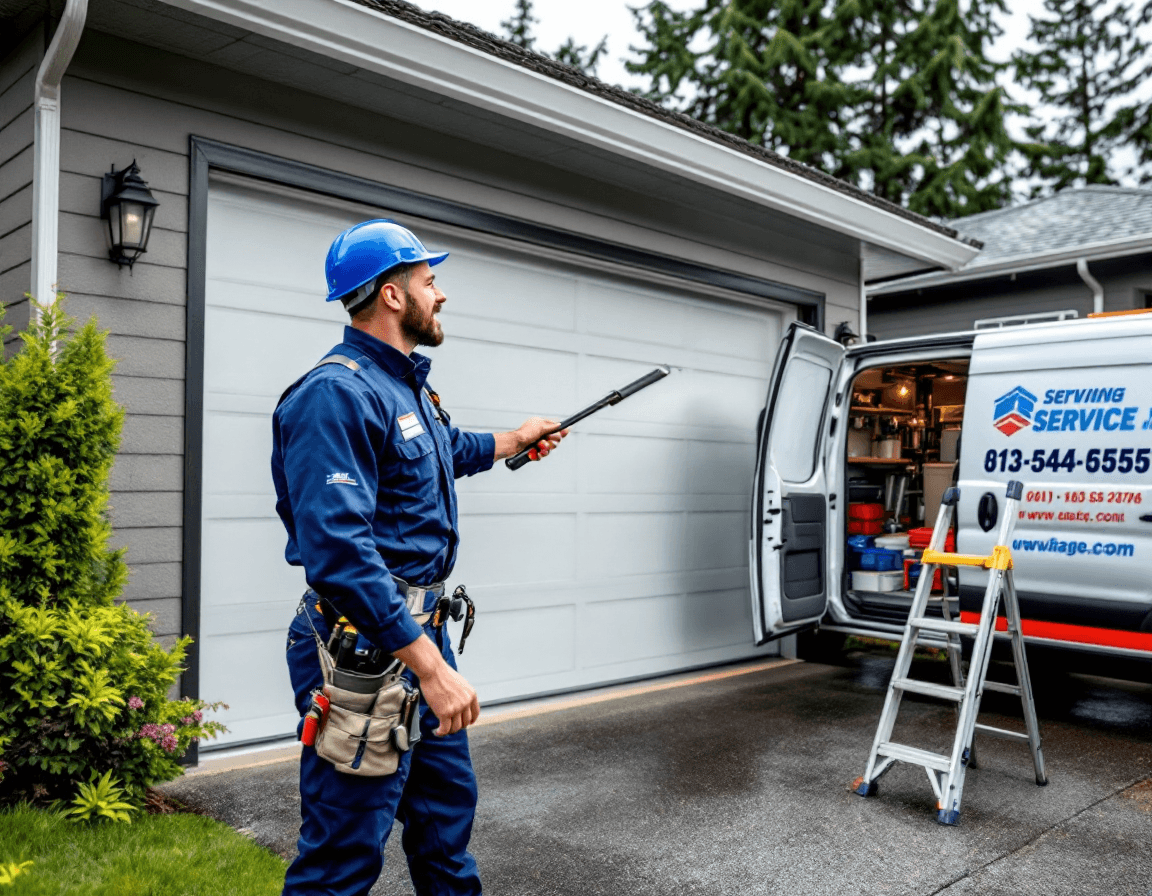
Garage door repair in Kirkland, WA is rarely something homeowners plan for. It usually comes up on a wet weekday morning when the door stops halfway up and the car is stuck inside, or when a child's bike is trapped behind a door that will not budge. Kirkland's housing stock is varied, from older lakeside bungalows near Juanita to townhomes around Totem Lake and newer custom homes on the slopes of Finn Hill, so the garages we service differ a great deal in age, size, and door style. That variety is part of what makes local repair work interesting.
Across the 98033 and 98034 ZIP codes, the complaints tend to follow familiar patterns: a door that won't open or close, one that reverses before reaching the floor, loud grinding or banging, a panel that sits crooked, or a remote that suddenly stops responding. Many of these problems start small and get worse over several months, especially when a door has been exposed to the damp, grey stretches that define a Pacific Northwest year. Catching the early signs can save a homeowner from a more expensive call later.
This guide walks through the most common causes we find in Kirkland garages, explains what you can safely check yourself, and describes where a licensed technician needs to take over. It also gives a realistic sense of what repairs cost locally, with most residential jobs falling between $95 and $450 depending on the part and the labor involved. Read it as a practical reference, and call a professional whenever the door is under tension or the problem is unclear.
Why Kirkland's Damp Winters Work Against Your Door Hardware
Kirkland sits close enough to Lake Washington that morning fog and persistent drizzle are normal for much of the year, and that moisture finds its way into garages in ways homeowners often do not expect. Steel tracks can develop a thin film of rust along the curve where the rollers pass, and the metal hinges that link door panels can stiffen when humidity stays high for weeks at a time. Wood doors, which remain popular on older Juanita and Houghton-area homes, can swell slightly and rub against weatherstripping or the door frame. None of this is dramatic on its own, but it adds friction to a system that depends on smooth, balanced movement.
Temperature swings matter too. Kirkland does not get the deep freezes that hit inland Washington, but cool nights followed by mild afternoons can cause condensation to form on metal parts and then evaporate, leaving behind minerals and grit. Over time that grit works into roller bearings and track seams, creating the grinding sound many homeowners describe as the door "complaining." Lubrication helps, but the wrong product can attract dust and make the problem worse, so it pays to use a silicone-based or lithium-based lubricant made for garage door components.
Homeowners who want to slow this wear can take a few sensible steps. Wipe the tracks down once or twice a year with a dry cloth to remove debris, and check that the weatherstripping along the bottom seal is still flexible rather than cracked. Keep the garage ventilated when possible, since trapped humidity speeds corrosion on springs and hardware. If you notice rust blooming at a hinge or bracket, have it looked at before it spreads, because surface corrosion can weaken fasteners over time.
Reading the Warning Signs: Noises, Reversals, and Crooked Travel
A garage door almost always announces its trouble before it fails completely, and learning to read those signals is one of the most useful skills a homeowner can build. A squeal that appears only on cold mornings often points to dry rollers or a worn hinge. A rhythmic clunk on each panel joint can indicate a bent section or a roller that has begun to flatten. Loud banging at the top of travel frequently means the door is hitting a stop it should not be reaching, which is a sign that balance or track alignment has shifted.
Reversals deserve special attention. Many modern openers are designed to reverse the door if they sense an obstruction, and a door that reverses before reaching the floor is doing exactly what its safety system is built to do. The sensors mounted about six inches off the floor, one on each side, may be misaligned, dirty, or receiving too little power. Cobwebs and dust are surprisingly common culprits in Kirkland garages, and a quick wipe of each sensor lens sometimes resolves the problem. If the reversal continues, the sensor wiring or the opener's force settings need professional attention.
Crooked movement is another signal that should not be ignored. When one side of the door rises faster than the other, the cables or springs may be unevenly tensioned, or a roller may have popped out of the track on one side. Look for a gap that widens toward one end of the door, or for a panel that sits visibly out of level when closed. Because uneven movement can twist the door and damage the opener, it is wise to stop using the door until a technician has inspected it.
When the Door Stops Halfway: Diagnosing a Jam on the Track
A door stuck partway open or closed is one of the most stressful situations homeowners face, particularly when someone needs to leave the house in a hurry. The first step is to stop trying to force it. Pulling hard on the door or repeatedly pressing the wall button can strip gears in the opener or bend the track further. Instead, look for an obvious obstruction such as a tool, a bin, a dropped bag, or a vehicle mirror caught near the track.
If nothing is blocking the path, the most common cause is a roller that has come out of its track, often because a panel was bumped or the door was operated while already out of level. Some openers include an emergency release cord hanging from the trolley. Pulling this cord disconnects the door from the opener so it can be moved by hand, and it is a useful way to get a car out of the garage. However, once the cord has been pulled, the door must be operated manually, and it should be handled carefully because a sudden drop or uneven movement can cause injury.
A jam can also result from a broken spring or cable, and this is where homeowners must stop and call for help. Torsion springs and extension springs store significant energy, and attempting to adjust or replace them without proper tools and training is dangerous. Signs of a broken spring include a loud bang when the door fails, a visible gap in the coil, or a door that suddenly feels much heavier than usual. Treat these symptoms as a call-for-service situation rather than a weekend project.
Remote and Wall Button Silence: Checking the Easy Things First
When the remote or wall button does nothing, the cause is frequently simple, and it is worth checking before assuming a major failure. Start with the remote itself. Replace the battery with a fresh one of the correct type, because a weak battery can still light the LED while sending too little signal to the opener. Make sure the remote is pointed toward the door and not blocked by a car visor or a bag on the seat.
Next, look at the wall-mounted control. Confirm that the wiring is intact and that the button has not been pushed into the wall or pulled loose. If the wall panel has a light indicator, check whether it lights when pressed. An opener that loses power will not respond to any input, so verify that the outlet works and that the opener's light or motor is not showing signs of a tripped breaker. Some openers also have a lockout feature that disables the wall button, and it may have been activated accidentally.
If these checks do not restore operation, the receiver inside the opener may need reprogramming or replacement. Interference from new electronics, a neighbor's transmitter, or a change in home wiring can also cause intermittent behavior. Many Kirkland homes have garages that share walls with other units or sit close to neighboring property lines, so signal interference is more common than people expect. A technician can test the receiver and either reprogram the remotes or recommend a replacement board if the old one has failed.
Here is a quick sequence homeowners can run through before calling for service:
- Replace the remote battery and test it while standing directly beside the door.
- Check that the wall button is not stuck, cracked, or loose in its housing.
- Confirm the opener has power and that the outlet or breaker is functioning.
- Turn off the lockout feature on the wall panel if it has one enabled.
- Clear obstructions from the safety sensors and make sure their indicator lights are steady.
If none of these steps brings the door back to life, the issue is likely in the opener's logic board, a wiring fault, or the receiver, and a professional diagnosis will save time.
Hillside Driveways, Sloped Lots, and Uneven Door Movement
Kirkland's topography adds a layer of complexity that flatter cities rarely encounter. Many homes in Finn Hill, Rose Hill, and parts of Juanita sit on sloped lots, and their driveways can drop or rise noticeably as they approach the garage. The slope affects how the door meets the floor and how weight shifts when the door is closed. Over years, a slab that has settled unevenly can leave one edge of the door sitting higher than the other, which in turn strains the tracks.
When a garage floor is out of level, the bottom seal may press harder on one side and leave a visible gap on the other. Homeowners sometimes notice light coming through at one corner or a draft that seems to appear only on certain days. The door may also seem to close with a slight lean. Adjusting the bottom seal or the track alignment can correct minor issues, but a significant slope or settled slab may require a larger solution such as installing a new threshold or adjusting the stop plates.
Sloped driveways also influence the way vehicles and people approach the garage, and that can affect the door's wear pattern. Frequent hard starts and stops on a steep incline can push the door's bottom panel against the frame, and repeated contact can dent the panel edge or loosen fasteners. Check the lower section of your door periodically for dents, cracked seals, or loosened hinges, and keep a small notebook of what you observe if the problem comes and goes. That record can help a technician diagnose the root cause faster.
Springs, Cables, and Why Kirkland Homeowners Should Never DIY Tension
Few garage door components are as misunderstood as the springs and cables that counterbalance the door's weight. In a typical residential door, these parts hold tens of pounds of tension, and the stored energy can cause serious injury if released unexpectedly. For that reason, we recommend that every homeowner leave spring and cable work to a licensed professional, regardless of how handy they consider themselves.
The danger is not limited to dramatic failures. Even a seemingly minor spring adjustment can cause the door to shift or drop if the tension is set incorrectly. Cables can fray or come off their drums, and a door hanging from a single damaged cable can fall with considerable force. Homeowners who have tried to fix these parts on their own often end up with more damage than the original problem, including bent tracks, cracked panels, and damaged openers.
If you suspect a spring or cable issue, keep the door closed and avoid operating the opener until a technician has arrived. Do not stand under the door while it is being raised or lowered, and keep children and pets away from the area. A broken spring may create a visible gap in the coil, a loose cable may hang slightly off-center, and a door that seems suddenly heavy or unbalanced should be treated as a hazard. Calling for service promptly is the safest choice and usually the most cost-effective one as well.
Here are several situations that always call for a licensed technician rather than a do-it-yourself fix:
- A spring is visibly broken, stretched, or has a gap in the coil.
- A cable has frayed, slipped off the drum, or appears to be under unusual tension.
- The door drops quickly, bangs loudly, or refuses to stay in position when half open.
- Any work requires winding, unwinding, or adjusting torsion springs.
What a Typical Kirkland Repair Visit Looks Like
Homeowners often wonder what happens once a technician arrives, and a clear understanding of the process can ease some of the uncertainty. A good visit begins with a conversation about the symptoms: when the problem started, whether it happens every time or only sometimes, and whether anything changed recently, such as a storm, a new vehicle, or a bump from a moving object. Those details shape the diagnostic plan and often point directly toward the cause.
Next, the technician inspects the door, tracks, rollers, hinges, springs, cables, opener, safety sensors, and wall control. The inspection usually takes a few minutes and gives the technician a full picture of what is working, what is worn, and what needs replacement. In many cases, the technician can complete the repair during the same visit using parts carried on the truck. Where a specialty part must be ordered, the technician explains the timeline and what interim steps keep the door safe to use.
Most residential repairs we perform fall between $95 and $450, depending on the parts required and the amount of labor involved. A simple roller replacement or sensor realignment sits at the lower end of that range, while spring replacement, opener component work, or multi-part repairs typically fall higher. Ask for a clear explanation of the work before any repair begins, and feel free to request a written estimate so you know exactly what you are approving.
Older Juanita Garages and Retrofit Hardware Challenges
Juanita and several neighborhoods near the lake contain homes built decades ago, and many of their garages were never designed for the heavier insulated doors and automatic openers common today. Some older garages have low headroom, narrow side clearances, or unusual track configurations that complicate repairs. In these cases, a technician must work around existing framing and sometimes recommend a compatible replacement part rather than a direct match.
Retrofit openers are a common source of trouble in older homes. An opener installed years ago may have been paired with a door that has since been replaced, and the mismatch can cause strain, uneven movement, or frequent reversals. Upgrading the opener is not always necessary, but it helps to have a professional evaluate whether the current unit still matches the door's weight and balance. Safety standards for openers have also evolved, and an older system may lack features that newer models include.
Older garages can also suffer from moisture that has built up over many winters. Sill plates, door headers, and nearby framing sometimes show soft spots, and these conditions can loosen the mounting brackets that hold tracks in place. If a technician notices movement in the structure, they will explain the concern and recommend next steps. Keeping an eye on these areas during seasonal maintenance can help you catch structural issues before they affect the door.
Choosing a Repair Partner Who Knows Local Conditions
Selecting the right service provider matters more than most homeowners realize, especially when a garage door involves moving parts that carry significant force. Look for a company that is licensed, bonded, and insured, and ask to confirm those details before work begins. A reputable provider will also be willing to explain the diagnosis in plain language, outline the options, and respect your decision about which repair to approve.
Local experience helps as well. A technician who regularly works in Kirkland understands how Lake Washington humidity affects hardware, how hillside driveways shift door alignment, and how older Juanita garages differ from newer Totem Lake townhome designs. That familiarity can shorten diagnosis time and reduce the chance of repeat visits. It also helps the technician recommend parts that suit the climate rather than generic components that wear out faster in damp conditions.
Clear communication is the final piece. You should know what the technician found, why it matters, what the repair costs, and how long it will take. If the door cannot be repaired safely on the first visit, you should understand the reason and the next steps. Trust grows from that openness, and it turns a stressful breakdown into a manageable repair.
When your Kirkland garage door won't open, closes too fast, reverses on its own, or sits crooked on its tracks, don't wait for a small problem to become a larger one. Call Seattle Garage Door Fix at (888) 799-3819 to schedule a licensed, bonded, and insured technician who knows the 98033 and 98034 neighborhoods well. Most residential repairs fall between $95 and $450, and we will explain the options before any work begins.