
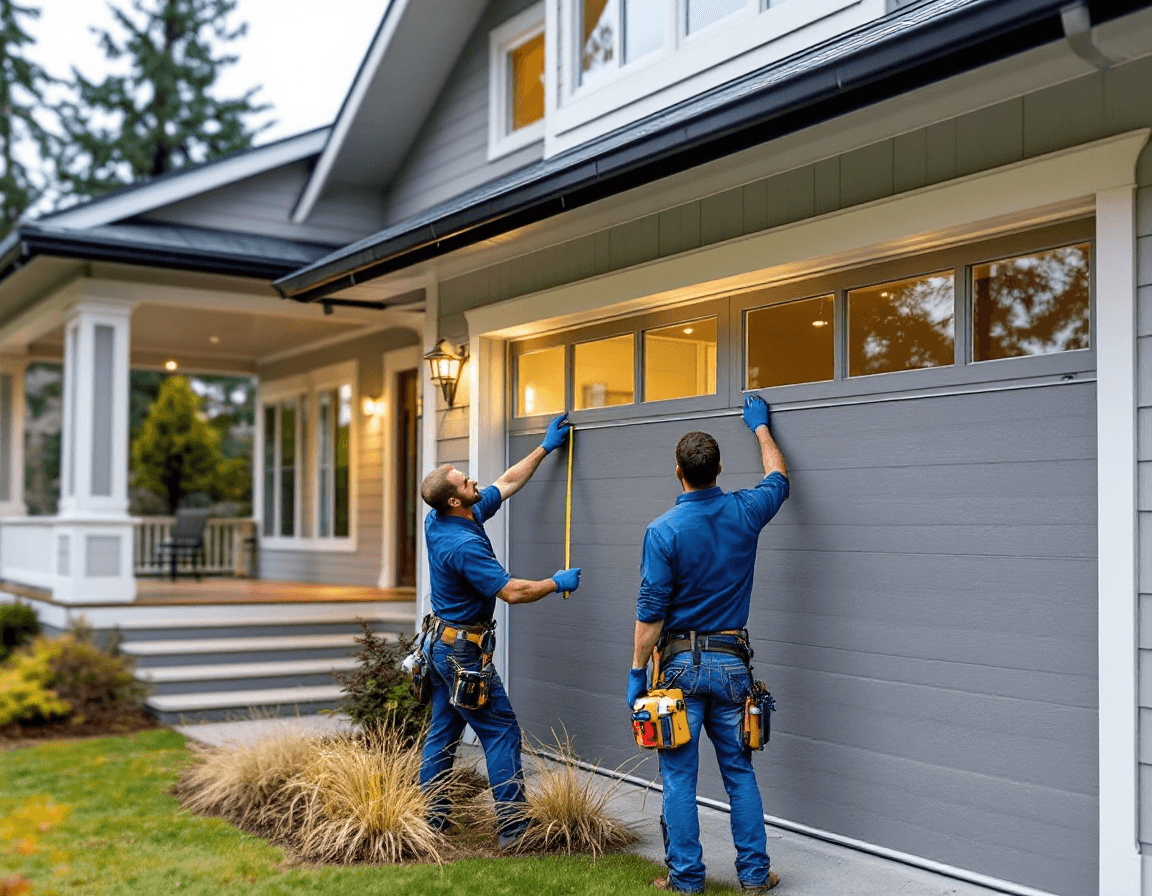
Garage Door Installation & Replacement in Kenmore, WA is a practical decision for many homeowners along the northeast shore of Lake Washington, where a door that once worked well can start failing faster than expected. Kenmore sits in a damp, mild climate that is kind to lawns and tough on steel, wood, and mechanical parts. Homes here range from older split-levels and ranch houses to newer builds with larger, more finished garages, so the right replacement depends a lot on the house, the way the garage is used, and how much weather the door sees. Our technicians work across Kenmore and the surrounding 98028 area, and we help homeowners sort through the options before anything gets ordered.
A replacement door is a bigger commitment than a repair, so it helps to start with a clear picture of what you need. Some homeowners are dealing with a door that is damaged beyond reasonable repair after a windstorm or a fallen branch. Others are tired of the same tune-ups every few months and want to stop paying for a door that keeps failing in new ways. Many simply want a garage that looks current, holds heat better, and makes the house feel more finished from the street. This guide walks through those situations, explains the material and pricing choices, and points out the local details that affect the final result.
Our goal here is to give you enough detail to ask good questions and compare quotes with confidence. We will cover how to tell when replacement makes more sense than repair, which materials handle Kenmore's moisture well, what energy efficiency upgrades actually do for a attached garage, and what the installation process typically involves. We also explain how pricing from roughly $950 to $3,800-plus is shaped, what permit and association questions may come up, and what kind of care keeps a new door performing for years. If you have questions at any point, the team at (888) 799-3819 can talk through your specific home.
Reading the Signs That Replacement Has Become the Smarter Call
Not every squeaky or sluggish door needs a new one, but some signs point clearly toward replacement. Panels that are bent, cracked, or separated at the seams often cannot be restored to proper alignment without compromising the whole assembly. Sections that have warped or delaminated can also throw off the balance of the door, which stresses the springs, tracks, and opener in ways that shorten their life. When a door has been struck by a falling limb or pushed by a strong gust off its track, the damage may extend beyond what is visible at a glance.
Repeated breakdowns are another strong signal. A door that needs a new roller set, a replacement opener, and track adjustments within a short span may be telling you that its original components and construction are worn out. Older doors were often built with lighter gauge steel or thinner insulation, and they simply were not designed for the daily cycling that modern households demand. If you find yourself scheduling service calls every season, it is worth asking whether the money spent on repairs would be better applied toward a door built to today's standards.
Here is a quick checklist many Kenmore homeowners use when they are weighing the decision:
- The door shows rust bleeding through paint, soft or spongy wood, or visible rot along the bottom rail or stiles.
- Panels no longer sit flush, and gaps let in drafts, water, or light around the edges.
- The door has been damaged by wind, a fallen branch, or a vehicle, and the frame or track has shifted.
- The door has needed multiple major repairs in the past two years and the cost is climbing.
- The door is noticeably loud, slow, or hard to operate by hand even after professional tune-up.
If several of these apply to your door, a professional inspection will help you confirm whether the frame, header, and track are still sound before you commit to a new unit.
Matching Materials to Kenmore's Damp, Lake-Influenced Climate
Western Washington weather is the defining factor in material choice here. Kenmore receives long stretches of drizzle and overcast skies through fall and winter, and the air near the lake holds moisture that settles on surfaces overnight. Steel doors that are not properly coated can develop rust at the bottom edge, at hinges, and wherever a scratch exposes bare metal. Wood doors, while beautiful, need consistent maintenance to resist swelling, cupping, and rot when they sit in a damp garage or take on runoff from a driveway that slopes toward the door.
Aluminum and fiberglass-faced options are often recommended for homes where low maintenance is a priority, since they resist corrosion well and hold their finish with less attention. Insulated steel remains one of the most popular choices overall because it balances strength, cost, and efficiency, and modern versions use protective coatings and polymer finishes that stand up to moisture when installed correctly. The important point is that material alone does not guarantee durability. Proper weatherseal along the bottom, correct door sizing, and good drainage around the opening all play a major role in how well any material performs in our region.
Coastal-style humidity and seasonal wind also matter. Homes near open waterfront areas and wooded parcels near Saint Edward State Park may see more debris, pollen, and wind-driven rain than homes deeper inland. Your installer should consider exposure, orientation, and whether the garage faces prevailing weather when recommending panel style and hardware. A door that looks perfect in a showroom can still need adjustments if it is mounted in a location that receives direct wind pressure every winter.
Choosing Between Insulated Steel, Carriage-Style, Wood, Glass, and Aluminum
Insulated steel doors are the practical workhorse for many Kenmore garages. They are available in a wide range of colors and textures, including options that mimic the look of wood grain without the same upkeep. Carriage-style designs, which feature decorative hardware and faux hinges across the panels, have become especially popular on traditional homes and newer builds that aim for a classic street presence. These doors can be paired with steel or composite construction to deliver a timeless look with modern durability.
Real wood doors offer warmth and character that many homeowners find hard to replicate. They do require a more committed care routine, including periodic sealing and staining, and they perform best when protected from direct rain and standing water. Glass panel designs, often paired with aluminum frames, bring in natural light and suit contemporary homes, though they generally cost more and may need thoughtful placement if privacy is a concern. Aluminum doors, especially in slimmer profiles, can give a modern look and resist corrosion, though they may not provide the same insulation value as thicker insulated steel without special construction.
When comparing these options, consider how the garage is used. A workshop that stays cold in winter may benefit most from a high-insulation steel door, while a space that doubles as a showroom or studio might justify glass or specialty finishes. Think about the architectural style of your house, the neighborhood's general look, and how much maintenance you realistically want to handle. A good technician will walk you through samples in person so you can see how colors and textures appear under Pacific Northwest daylight, which is often softer and more diffuse than many people expect.
Energy Efficiency Gains for Attached Garages and Living Spaces
Many Kenmore homes have a garage that shares a wall with the main living area, a bedroom above, or a mudroom that opens directly into the house. In these layouts, the garage door is a significant part of the building envelope. An uninsulated or poorly sealed door can let cold air drift into the garage, which then chills adjacent rooms and makes heating less efficient. Upgrading to an insulated door with a quality weatherseal can reduce that exchange and help the rooms next to the garage feel more comfortable through the winter.
Insulation ratings and panel construction vary, and the right level depends on how the space is used. If the garage is heated, cooled, or used as a workshop or gym, investing in better insulation tends to pay off more visibly. Look for doors with thicker insulated cores, tight panel joints, and bottom and side seals that close gaps evenly. Some homeowners also choose to add or upgrade weatherstripping on the header and jambs, since small leaks at the top and sides can be just as noticeable as drafts at the floor.
It is also worth remembering that efficiency is a system. The door, the seals, the opener, and even the framing around the opening all affect how well the garage holds temperature. A new door installed in an out-of-square opening may not seal as tightly as expected, so a careful installer checks plumb, level, and square before finishing the job. The payoff is often most noticeable on cold, gray mornings in January when the garage stays quieter and the house feels steadier, which is exactly the kind of comfort many Kenmore residents are looking for.
Remodels, Additions, and Adding a Second Door for Growing Households
Remodels and additions create some of the most rewarding garage door projects. When a family converts a single-car garage into a larger space, adds a second bay, or extends the home outward, the existing door may no longer fit the new proportions. Sometimes the opening needs to be widened or heightened, which requires careful structural planning and sometimes engineering review. Other times, the homeowner simply wants the new door to match updated siding, trim, and roofline so the entire exterior feels cohesive.
Adding a second door is another common request, particularly for households with multiple vehicles, workshops, or storage needs. Two-car doors are heavier and wider, which means the tracks, springs, and opener need to be sized accordingly. A good installer will check the header, jamb condition, and wall structure to confirm that the opening can carry the load and that the new door will operate smoothly. If you are planning a future addition, it can be wise to coordinate timing so the garage door project does not conflict with framing, roofing, or electrical work.
Coordination matters most when multiple trades are on site. Electrical work for an opener, for example, may need to be placed before drywall or finish work, and exterior trim choices affect how the door reveal looks once installed. Discuss your full remodel timeline with your installer early. Doing so can prevent rework, protect your finishes, and help the new door look intentional rather than like an afterthought in a larger project.
What a Typical Installation Day Looks Like
A well-run installation begins before the crew arrives. Measurements should be taken carefully, including the width and height of the opening, the depth available for the tracks, headroom above the door, and side room on each side. Your installer should also confirm the condition of the header, the jamb, and the floor, since a low-clearance or sloped garage floor can affect track geometry. Once the order is placed, lead times vary depending on the style, color, and hardware you select, so it is important to plan around that schedule.
On installation day, the old door is removed in a controlled way, and the opening is inspected for hidden damage such as rot in the jamb or rust in the header bracket. The new door is assembled, and tracks, rollers, springs, and hardware are installed with attention to level and alignment. The opener is mounted and programmed, and safety features such as photo-eye sensors and auto-reverse functions are tested before the crew leaves. Most installations are completed within a single day for standard single and double doors, though complex openings or added structural work can extend the timeline.
Before you sign off, walk through the door with the technician. Check that it closes fully, reverses when it contacts an obstacle, and seals evenly along the bottom. Ask how the springs were sized and whether any tension adjustments will be needed after the first few weeks. Clear instructions on routine care will help you keep the door smooth and quiet. Remember that torsion and extension springs are under high tension, and any spring adjustment or replacement should be performed only by a licensed, trained professional.
Understanding Pricing Between $950 and $3,800-Plus
Pricing for a new garage door in Kenmore typically falls in a broad range from about $950 to $3,800 or more, installed, depending on the door and materials. A basic insulated steel single door with standard hardware will sit near the lower end, while a large double door in a premium material, custom wood, or glass-and-aluminum design will move toward the upper end or beyond. Opener upgrades, smart controls, structural work, and custom colors can all change the final number, so the most useful quote is one that itemizes each part of the job.
Several factors shape the price more than most people expect. The size of the opening is a major driver because wider and taller doors require heavier panels, larger springs, and more robust tracks. Material choice matters as well, since real wood and specialty finishes cost more to produce and may require additional labor to fit and finish. Insulation level, window or glass inserts, decorative hardware, and the condition of the existing opening all affect the total. When an installer discovers rot or damage in the framing during removal, that repair is usually discussed as a separate line item.
Ask every provider to explain what is included. A complete quote should identify the door model, panel thickness, insulation rating where applicable, spring type and cycle expectations, track system, weatherseal package, opener type, and warranty terms. Be cautious of prices that seem unusually low without a clear breakdown, since they may leave out removal, disposal, or necessary hardware. Comparing apples to apples is the best way to find a fair price that also delivers long-term value.
Permits, Association Rules, and Neighborhood Expectations
Some garage door projects in Kenmore may require a permit, particularly when the job involves altering the size of an opening, changing structural components, or adding electrical work for a new opener. Requirements can vary depending on scope, so it is wise to confirm with the City of Kenmore permitting office before scheduling work that involves structural changes. A knowledgeable installer should be able to tell you whether your project appears to fall into a category that needs review and what documentation may be requested.
If your home is part of a homeowners association or planned community, check the covenants before selecting a door style or color. Some associations regulate exterior appearance, including door design, paint color, and hardware finish. Getting approval early can save you from having to replace a finished door later. Even where no association applies, many homeowners find it helpful to consider how the new door will look alongside neighboring homes, especially on streets where architectural consistency is part of the character.
Good communication with your installer also includes planning for access, parking, and timing. Crews may need the driveway clear, pets secured, and a clear path into the garage. Let your neighbors know if the work will involve equipment on the street or noise during business hours. Simple courtesy goes a long way in a community where many homes sit close together and residents appreciate a project that is well managed from start to finish.
Storm, Wind, and Rot Damage: When Replacement Beats Repair
Pacific Northwest winter storms can be hard on garage doors. Wind can push a door off its track, bend panels, or loosen hardware, and wind-driven rain can seep into seams and begin working on the wood or steel from the inside. Falling branches from mature trees, which are common throughout Kenmore's older neighborhoods, can crack panels and dent the top section. When damage is limited to a single panel on a well-built door, repair may be practical, but widespread damage often signals that replacement is the better path.
Rot and rust are slower threats that deserve equal attention. Wood doors that have been exposed to repeated moisture can develop soft spots along the bottom rail and stiles, and those areas often hide deeper deterioration. Steel doors can rust from the inside of the panel where condensation collects, especially if the garage is poorly ventilated. Rust that has spread along seams or into hinges can compromise the door's structure, and surface treatments may not reach the damage underneath. An inspection can help determine whether the problem is cosmetic or structural.
Safety should guide the decision. A door that is sagging, binding, or moving unevenly may place stress on springs and cables that are already close to failure. Never attempt to force a damaged door open or closed, and keep people and vehicles clear of the path while the door is being evaluated. Springs and cables carry significant tension, and any work on them should be handled by a licensed professional with the right tools and training.
Warranties, Maintenance, and Protecting Your New Door
A new door is an investment, and protecting it starts with understanding the warranty. Manufacturer warranties typically cover defects in materials and finish, while installation warranties cover workmanship. Read the terms carefully to understand what is covered, for how long, and what maintenance may be required to keep the warranty valid. Keep your purchase and installation documents in a safe place, along with any model numbers and care instructions.
Routine maintenance helps a door stay quiet, smooth, and sealed. Every few months, look over the weatherseal along the bottom and sides for cracks or flattened sections. Clean the tracks gently to remove dirt and debris, and lubricate moving parts with a silicone-based or manufacturer-recommended product rather than heavy grease that attracts grit. Check that the door balances properly by disconnecting the opener and lifting the door halfway; it should stay in place without drifting. If it does not, schedule a professional adjustment instead of attempting spring work yourself.
Finally, think about the environment around the door. Keep gutters clear so water does not spill onto the door or the driveway in front of it. Trim branches that could rub against panels during wind events. Wash the exterior periodically to remove salt, pollen, and grime, and touch up small scratches promptly so bare metal or raw wood does not invite corrosion. A little attention each season can extend the life of your investment and keep your Kenmore home looking its best.
Ready to talk through your options? Call Seattle Garage Door Fix at (888) 799-3819 to schedule an installation consultation. Our licensed, bonded, and insured technicians can measure your opening, review materials that suit Kenmore's climate, and provide an itemized quote so you can choose the door that fits your home, your budget, and your goals.