
Garage Door Installation & Replacement in Shoreline, WA is a project that rewards careful planning, because the right door for a home near Puget Sound is not always the same door that works in drier parts of the state. Shoreline sits in north King County between Seattle and the Snohomish County line, and its neighborhoods range from mid-century ranch houses in the Echo Lake area to older Craftsman-style homes on the bluffs at Richmond Beach. Each of these settings puts different demands on a garage door, from wind off the water to decades of damp winters. This page explains when replacement makes more sense than another repair, what materials hold up well here, and what homeowners should expect from a professional installation.
Most Shoreline homeowners first think about a new door after something goes wrong, such as a panel cracking during a windstorm or a door that refuses to close all the way after a long run of wet weather. That reactive moment is a fair time to look at the whole picture rather than only the broken part. An aging door often has worn tracks, weakened springs, deteriorated weatherseals, and corroded hardware that all contribute to the next failure. Stepping back to ask whether the door as a system still makes sense can save money over the long run and spare you a second service call next season.
If you are weighing a repair against a full replacement, it helps to know what the local weather does to garage doors over time. Shoreline gets a lot of rain, frequent overcast days, and plenty of moisture that never fully dries out in the shaded side yards common to older lots. Add the salt-laden breezes that reach the western edge of the city and you have conditions that quietly eat away at steel fasteners, bottom brackets, and the lower edges of wood doors. This page walks through those realities, covers the options you can choose from, and explains how pricing typically breaks down, so you can make a confident decision.
Reading the Signs Your Current Door Has Reached Its Limit
Not every squeak or sticky track means you need a new door, but some warning signs point clearly toward replacement. A door that has been patched several times in the same spot, that sags visibly when opened, or that binds in the tracks despite repeated adjustments often has structural fatigue that a single repair cannot fix. Panels that have separated at the seams, sections that no longer line up, or a frame that has rotted at the bottom are all signs that the door has lost its integrity. When the cost of recurring service starts to approach a meaningful fraction of a new installation, the math tends to favor replacement.
Homeowners in Shoreline often notice these problems first in the winter, when moisture finds its way into the wood and steel. Look for the following indicators during your next inspection:
- Visible rust bleeding through paint, especially along bottom panels and around hinge screws
- Soft or spongy wood near the bottom rail, the lower panels, or the stile edges
- Daylight showing around the perimeter or under the door when it is closed
- Repeated breakdowns of the opener, rollers, or cables within a short span of time
- Dents or cracks in panels that cannot be straightened or matched with replacement sections
- A door that feels heavy, drifts open or closed on its own, or makes grinding noises during travel
Any work involving springs, cables, or high-tension components should be left to a licensed technician. Torsion springs and extension cables store a lot of energy, and mishandling them is one of the most common causes of serious injury in residential garage repair. Even when you are considering replacement and only want an honest assessment, the safest first step is a professional inspection that checks the full system before you commit to a particular door.
How Shoreline's Marine Weather Shapes Door Choices
Shoreline's climate is mild by many national standards, but it is persistently damp, and that dampness matters more for a garage door than most homeowners expect. Rain can sit against the lower panels for days, and in the shaded areas beside houses, the bottom edge of a door may never fully dry between storms. This steady moisture favors materials and finishes that resist swelling, softening, and corrosion, and it argues against untreated wood or low-grade steel left exposed to the weather. Choosing a door built for wet conditions is one of the most practical decisions a Shoreline homeowner can make.
Proximity to Puget Sound changes the picture further for homes near Richmond Beach and along the western edge of the city. Salt in the air settles on surfaces and accelerates rust, particularly on steel hardware, springs, and the bottom brackets where the door meets the floor. Hinges, roller stems, and screws that are not specified for marine exposure can begin to pit within a few years, which then leads to noisy operation and premature failure. Stainless or coated hardware and a quality primer and finish system are worth discussing before any order is placed.
Wind is the third factor to consider. Winter and early spring storms can bring strong gusts off the water, and a large double door without adequate bracing or the right wind load rating can flex, pull out of its track, or suffer panel damage. Professionals look at the door size, the header construction, and the exposure of the home when recommending a configuration. For a wide double door facing an open yard or a bluff-side lot, this is not a detail to skip, since a door that handles everyday use comfortably may still struggle when a stiff onshore wind hits it squarely.
Choosing Between Insulated Steel, Wood, Glass, and Aluminum
Every material offers a different balance of cost, appearance, maintenance, and durability, and the best choice depends on how you use the garage and how the house looks. Insulated steel is the most common selection for Shoreline homes because it provides good strength, a broad range of styles, and reasonable pricing. A steel door with a polyurethane foam core adds insulation and rigidity, and a quality factory finish can resist the wet climate well when it is maintained. Wood doors deliver a warm, traditional look that suits many older homes, but they require regular sealing and refinishing to keep moisture from working into the grain.
Glass and aluminum appeal to homeowners who want a contemporary look or more natural light in the garage. Aluminum frames resist rust and corrosion, which makes them a practical option near the water, and many models use tempered or insulated glass panels with sealed edges to handle moisture and temperature swings. Glass panels do show dirt and fingerprints, and they may let more heat in during summer or more cold in during winter unless the glazing is chosen with energy performance in mind. A good installer will walk you through the tradeoffs rather than pushing a single product line.
Here are a few practical points to compare when shopping for a material:
- Insulated steel: strong, versatile, and affordable, with insulation options and a wide range of finishes and textures
- Wood: classic and warm in appearance, but it needs consistent sealing, painting, or staining to stay sound in wet weather
- Glass and aluminum: modern and bright, with excellent corrosion resistance, though the glazing and frame quality should be checked carefully
- Composite and hybrid options: a middle ground that mimics wood grain with lower maintenance, often suited to homes where the look matters but upkeep time is limited
Whatever material you pick, ask about the panel construction, the bottom seal, the weatherstripping along the sides and top, and the warranty on the finish. These details influence how the door performs season after season in a place like Shoreline far more than the marketing photos suggest.
Carriage-Style Looks for Richmond Beach and Older Shoreline Homes
Many homes in the Richmond Beach area and other established Shoreline neighborhoods were built with architectural styles that reward thoughtful door selection. Craftsman bungalows, traditional two-story homes, and farmhouse-inspired remodels often pair well with carriage-style doors, which use decorative strap hinges, arched or divided top panels, and recessed or grooved detailing to mimic the swinging doors of a historic carriage house. The result can dramatically improve curb appeal, and many homeowners find that a carriage door becomes one of the most noticeable upgrades on the street.
Carriage-style doors are available in insulated steel, real wood, and composite versions, so it is possible to capture the look while choosing a material suited to your maintenance preferences. Steel versions with embossed wood-grain textures and faux hardware offer a convincing appearance with fewer seasonal chores, while true wood versions have a richness that some homeowners prefer for a heritage property. The key is to match the scale of the door to the façade. A door that is too busy for a modest house, or too plain for a large entry, can make the whole front elevation feel off balance.
Color selection deserves attention as well. Deep greens, warm grays, and classic charcoal tones tend to look natural against the brick, siding, and landscaping common in Shoreline's older streets, while bright colors may stand out more than some owners intend. Consider how the door will look in the seasonal light of the Pacific Northwest, where the gray days of winter can make a dark door appear heavier than expected. Bringing a sample or photographing the door against your house in overcast conditions is a simple way to avoid surprises.
Energy Efficiency in Shoreline's Cool, Damp Winters
Shoreline winters are rarely severe, but they are long and often chilly, and an attached garage can act as a buffer between a cold outdoor space and the living areas of the home. An uninsulated door lets heat escape from any room that shares a wall with the garage, and it can make the garage itself too cold for comfortable use as a workshop or storage space. Insulated doors reduce that exchange and can make the adjoining rooms feel more stable, especially in homes where the laundry room, mudroom, or bedroom sits above or beside the garage bay.
Energy performance depends on more than the core material alone. The quality of the bottom seal, the side and top weatherstripping, and the way the panels fit together all determine how much air moves through the door. Manufacturers publish insulation ratings for their products, and these figures are useful for comparison, but the installed performance also depends on proper sealing and alignment. A well-fitted insulated door with worn or missing seals can perform worse than expected, which is why the installation quality matters as much as the product specification.
Insulation also helps with moisture and condensation. In a damp climate, a cold steel surface can collect condensation on its interior face, and that moisture can drip, corrode fasteners, or dampen stored items. An insulated door keeps the inner surface closer to the garage air temperature, which can reduce condensation problems. Pairing the door with adequate ventilation and a quality bottom seal helps keep the space dry, which is a meaningful benefit for anyone storing tools, bikes, or household goods in the garage.
Sizing, Headroom, and Single Versus Double Bays
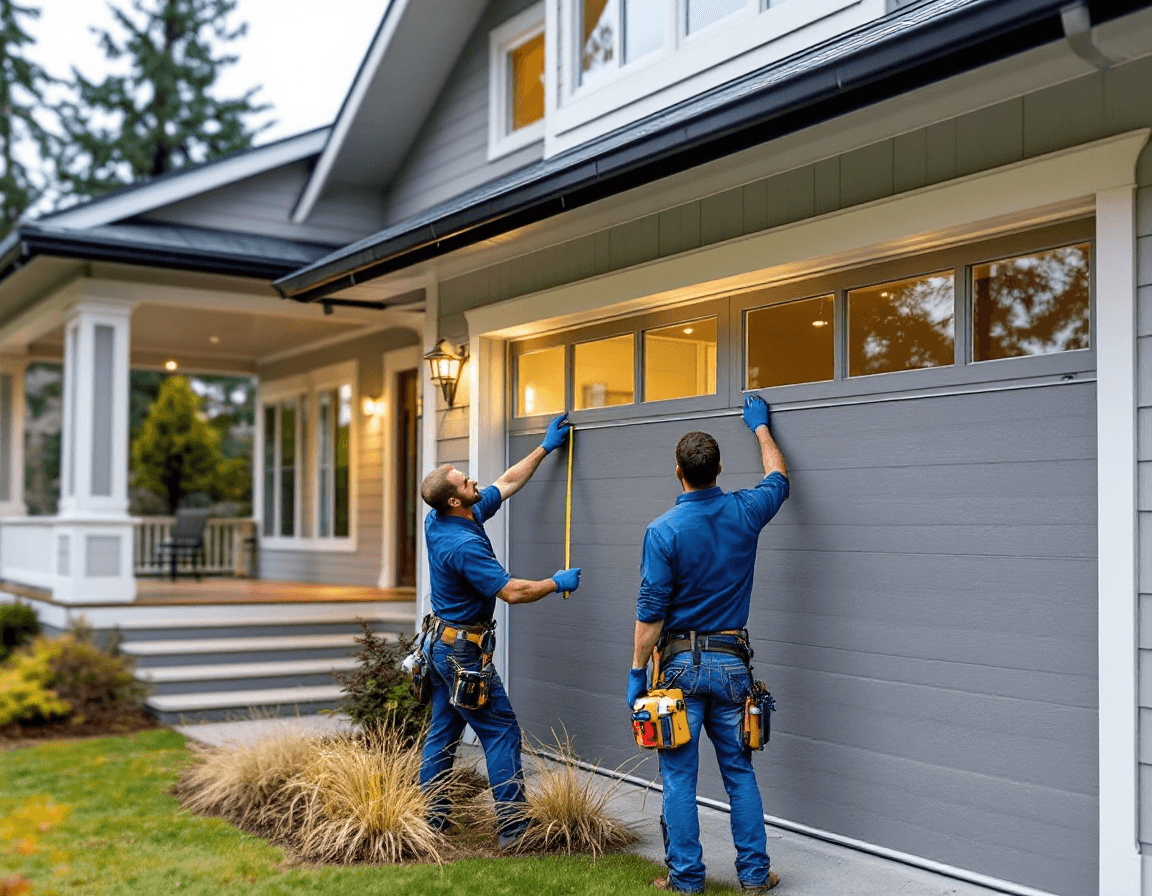
Choosing the right size is one of the most important steps in any replacement, and it is easy to get wrong when a house has been modified over the years. Measurements should cover the width and height of the rough opening, the headroom above the opening, the side room on each side, and the back room needed for the track and opener. Many older Shoreline garages were built with tight clearances, and a door that fits the opening on paper may still conflict with a low beam, a water heater, or a shelf that sits too close to the track. A professional site visit catches these conflicts before the door is ordered.
Single and double bays each present their own considerations. A single-car door is simpler to balance, lighter to operate, and often less expensive, but it may limit the size of vehicles or storage you can fit comfortably. A double-car door offers more opening and a more substantial curb presence, yet it is heavier, puts more stress on the springs and tracks, and benefits more from good wind bracing. Many homeowners who are upgrading a double door choose to add insulation and reinforcement at the same time, since the larger panels are more likely to flex in gusty weather.
Opener compatibility is another factor. If your current opener is still functioning well, confirm that it can handle the weight and size of the new door, and check whether it needs a rail upgrade or a new drive style. Newer openers often include safety features such as improved sensors and smoother starts, and some offer smartphone connectivity. Discussing these options before installation avoids the frustration of a mismatched system.
What a Professional Installation Involves Day to Day
A professional installation begins before the new door arrives. The technician reviews the existing opening, removes the old door safely, and inspects the header, jambs, and tracks for damage that could affect the new unit. Any rot in the framing, cracked concrete at the threshold, or misaligned hardware is documented and addressed so the new door does not inherit a problem. This preparation step is often overlooked by homeowners who focus only on the door itself, yet it is central to a smooth, long-lasting result.
Once the door is on site, the work proceeds in a predictable sequence. The tracks are mounted and leveled, the door sections are assembled and hung, and the springs are installed and balanced by a licensed technician using the proper equipment. The opener is connected, limit settings are programmed, and safety reversal is tested several times to confirm that the door stops and reverses when it meets resistance. The weatherseals are adjusted so the door closes firmly without binding, and the finish is inspected for scratches or damage from transport.
The final walkthrough is equally important. A good technician shows you how the door operates, explains the safety features, and reviews basic care such as lubricating moving parts with the right product and keeping the bottom seal clean. You should also receive clear information about the warranty on the door, the finish, the hardware, and the workmanship. Ask any questions about maintenance schedules, especially if you chose a wood or composite door that will need periodic attention in a wet climate.
Pricing From $950 to $3,800-Plus and What Moves the Number
Garage door installation pricing in the Seattle area typically starts around $950 for a basic installed door and can exceed $3,800 for premium materials, larger double doors, or complex custom work. Those figures reflect the installed price range for single and double doors across the material categories discussed here, and the final number depends on the specific door and the conditions of your site. Understanding what drives the price helps you compare quotes fairly and focus on value rather than just the lowest number.
The biggest cost factors are usually the door material and style, the size of the opening, and the level of insulation and wind rating you select. Carriage-style doors with detailed hardware, real wood construction, and custom glass panels generally sit toward the higher end, while a standard insulated steel door in a common size often falls toward the lower end of the range. Labor can also vary if the header needs reinforcement, if the opening requires adjustment, or if older hardware must be removed with extra care. Opener upgrades, new weatherseals, and extended warranties are usually quoted as separate line items.
When comparing estimates, look for written quotes that clearly list the door model, material, insulation, wind rating, hardware, opener, and warranty terms. Be cautious of bids that do not specify the door or that quote a price without explaining what is included. A reputable company will be willing to explain each line item and to adjust the proposal if you want to change a material or add an upgrade. Choosing the right door once, rather than replacing it again after a few years of problems, is often the most economical decision.
Remodels, Additions, and Permit Questions in Shoreline
Homeowners adding a room, converting a space, or remodeling the front elevation often find that a garage door replacement fits naturally into the broader project. A new addition may change the way the garage opens to the driveway, shift the location of a side entry, or alter the roofline above the door. When the work involves changes to the structural header or the size of the opening, it is wise to confirm the permitting requirements with the City of Shoreline before construction begins. Rules can change, and the answer depends on the scope of the work, so checking directly with the city or your contractor is the safest approach.
Coordinating the door with other remodel work saves time and often reduces costs. Painting the exterior trim, updating the house numbers, adding lighting, and replacing the driveway apron can all happen while the door is being installed. Timing matters, too. Scheduling installation before the rainy season or during a dry spell can make the process more comfortable for everyone involved, though skilled crews work effectively in Shoreline's weather year-round when the site is properly protected.
If your remodel includes a new garage entry door or a passage between the garage and the house, make sure fire separation and weatherproofing details are addressed according to current code. A licensed professional who understands local requirements can help you avoid surprises at inspection and keep the project moving forward smoothly.
Serving Echo Lake, North City, and Nearby ZIP Codes
Shoreline is a city of distinct neighborhoods, and the homes near Echo Lake, North City, and Richmond Beach each have their own character. Echo Lake's surrounding streets include many homes with compact garages that benefit from carefully measured replacements and efficient openers. North City's residential blocks mix older houses with newer builds, so the right door may depend on whether the goal is preserving a classic look or modernizing for a fresh appearance. Richmond Beach's bluff-side and near-water properties call for particular attention to corrosion resistance and wind performance.
Our work reaches addresses across the ZIP codes that cover parts of Shoreline, including 98133, 98155, and 98177, as well as the surrounding communities that share the same weather patterns and housing styles. Whether your home is a 1960s ranch with a single-car bay or a larger two-story property with a wide double door, the goal is the same: a door that fits the opening, handles the local climate, and operates safely for years. Local knowledge of how these neighborhoods age and how the wind and rain affect them makes a real difference in the final result.
If you are ready to talk through options for your home, a site visit is the best way to get accurate measurements, an honest assessment of your current system, and a clear written proposal. Bring any questions about materials, styles, insulation, or budget, and expect straightforward answers from a team that stands behind its workmanship.
Ready to replace an aging or damaged garage door in Shoreline? Call Seattle Garage Door Fix at (888) 799-3819 to schedule an inspection, compare materials, and get a clear, written estimate from a licensed, bonded, and insured team that understands how Shoreline's weather and housing styles shape the right door for your home.