
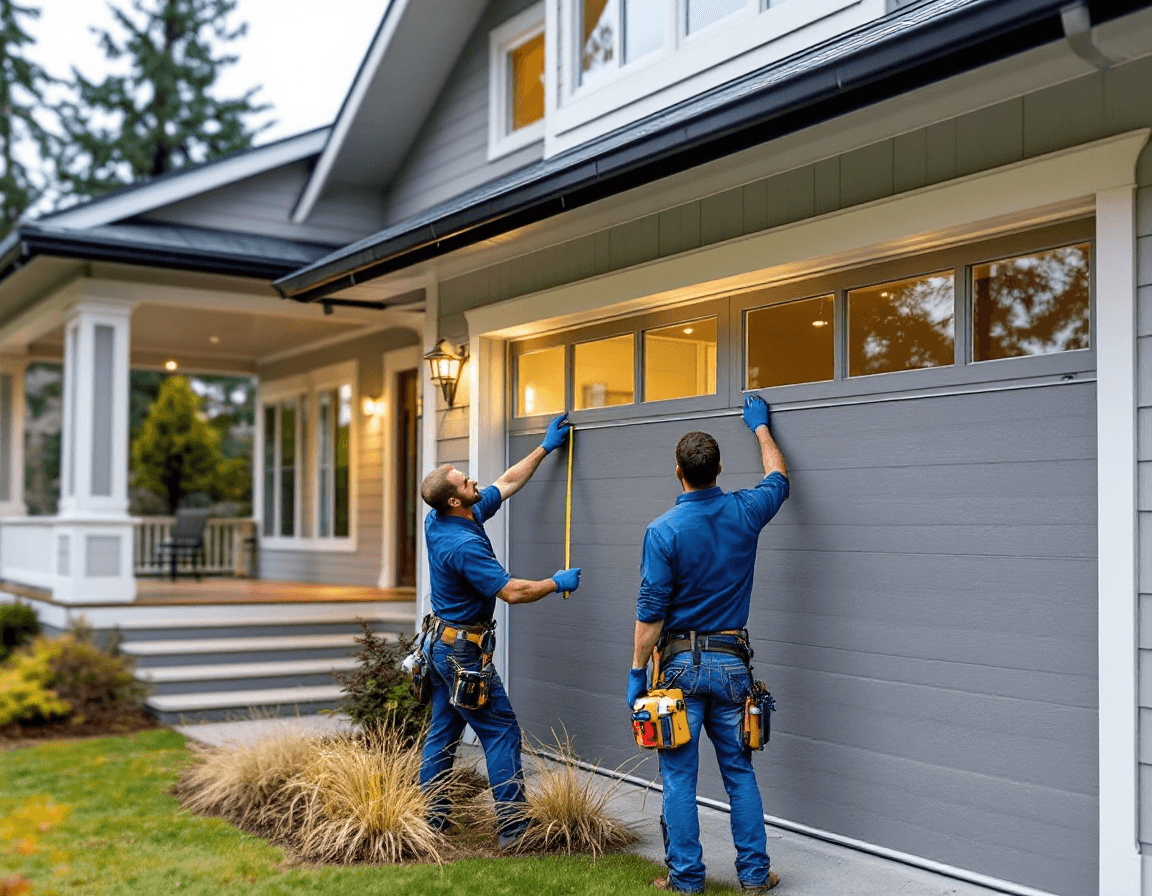
Garage Door Installation & Replacement in Seattle, WA is a decision most homeowners make only a few times in their lives, and it deserves more thought than picking the first catalog image that looks nice. A garage door carries the weight of your vehicles, shelters a large opening in your home's envelope, and handles more cycles per year than almost any other moving part on the property. In Seattle, where drizzle can persist for weeks and the air carries moisture even on dry days, the wrong door can rust, warp, or leak cold air into the house long before its warranty runs out. Seattle Garage Door Fix installs new single and double doors for homeowners across King County, and this page explains how to decide when replacement makes sense, which materials suit our climate, and what to expect from the process.
Replacement is not always the first answer, but for many Seattle households it is the right one. Older doors built decades ago often lack the insulation, weatherseals, and hardware that modern doors include as standard. When a door has reached the point where repairs are frequent, parts are hard to source, or the panels themselves are compromised, putting money into another repair can quietly become the more expensive path. Our goal is to help you see the full picture so you can choose a door that will serve your home well for many years rather than one that simply fixes today's problem.
Whether you live in a 1920s bungalow in Green Lake, a newer townhome near Rainier Valley, or a view property in Queen Anne, the principles are the same: match the door to the building, the climate, and how you actually use the space. The sections below walk through the warning signs, material trade-offs, energy considerations, pricing factors, and safety expectations that shape a good installation. Installed prices in our service area generally range from $950 to $3,800-plus, depending on the door, materials, size, and hardware, and we will explain exactly what drives your quote before any work begins.
Reading the Signs That a Door Has Reached the End
Most garage doors do not fail overnight. They give off warnings for months or even years, and recognizing those signals early can save you from a door that jams in the middle of a commute or traps a car inside during a February storm. Common indicators include panels that have dented or cracked, sections that bow outward when the door is closed, and gaps along the bottom or sides that let daylight and drafts through. Rust that has started to flake, bubbled paint on wood doors, and soft or spongy spots on the lower panels all point to moisture that has been working on the materials for some time. If your door shakes, groans, or rises unevenly, the problem may be in the mechanics, but the cumulative wear on the panels and tracks can also mean the door is nearing its limit.
Repeated breakdowns are one of the clearest reasons to consider replacement rather than another service call. When you have paid for multiple opener repairs, track realignments, or roller swaps in a short period, it is worth adding up those invoices and comparing the total with the cost of a new door. An older door was often designed around different spring systems and hardware standards, so retrofitting it with new parts can be a patchwork effort that never fully stabilizes. A door that cannot hold its balance or seal properly will also strain your opener and shorten its life. In those cases, a proper installation with matched components usually provides steadier, quieter operation.
Here are some practical signs that replacement should move higher on your list:
- Visible structural damage such as cracked panels, separated seams, or a bowed section that does not return to shape.
- Rust or rot that has reached the lower panels, bottom brackets, or the frame around the opening.
- Frequent repairs within a single year, especially involving springs, rollers, or the opener working harder than it should.
- Persistent drafts, daylight at the edges, or a garage that stays noticeably colder than the rest of the house.
- A door style that no longer matches the home, or hardware that has been discontinued and is difficult to replace.
How Seattle's Wet Winters and Salt Air Shape Door Choices
Seattle's climate is mild by many national standards, but it is demanding in its own way. Our winters bring long stretches of rain, humid air, and cool temperatures that rarely drop far below freezing but also rarely let materials dry out completely. Homes close to Puget Sound, including parts of West Seattle, Magnolia, and the waterfront-adjacent blocks of Ballard, may also experience salt-laden air that accelerates corrosion on metal hardware and galvanized components. Moisture that lingers at the bottom of a door, where it meets the slab, can wick into panels and create rot in wood or corrosion in steel. Understanding this environment is the starting point for choosing a door that will hold up.
Ventilation and drainage matter as much as the door itself. Garages in older Seattle neighborhoods often have sloped driveways, shallow thresholds, or aging concrete that allows water to pool near the door opening, especially on Queen Anne's steeper lots and in parts of Capitol Hill where alley access can funnel runoff toward the garage. Good installation includes checking the threshold, confirming that the door bottom seal makes solid contact, and making sure any water that does collect can drain away from the opening. We also pay attention to whether your garage is attached or detached, because attached garages share walls with living space and can transfer moisture and temperature swings into the house if the building envelope is not well sealed. Each of these details influences the material and finish we recommend.
Seasonal sun also plays a role, even in a cloudy city. Long summer days in Green Lake and Fremont bring intense bursts of sunlight on south- and west-facing doors, which can fade paint and cause wood to expand and contract. A well-chosen finish, factory-applied and rated for outdoor exposure, helps protect the surface through both wet winters and the occasional hot, bright week in July. Asking your installer how the door was finished, and what maintenance it will need, is a worthwhile part of the planning conversation.
Insulated Steel, Carriage-Style, Wood, Glass, or Aluminum: Matching Material to Microclimate
Insulated steel remains the most common choice for Seattle homes, and for good reason. Steel doors are generally durable, come in a wide range of styles and colors, and can be built with polyurethane foam cores that improve thermal performance. Their resistance to dents and their relatively low maintenance make them a practical choice for busy households. When steel is paired with quality weatherstripping and a properly sealed bottom, it can noticeably reduce drafts and help keep the garage at a more stable temperature. The main trade-off is that lower-grade steel doors can surface-rust at the edges if the finish is compromised, so choosing a reputable product matters.
Carriage-style doors have grown in popularity across Seattle, particularly in neighborhoods with craftsman, Tudor-revival, or cottage-style homes. These doors use decorative hardware and panel layouts that mimic the look of old swinging barn doors, and they can be produced in steel, wood, or composite materials. Wood carriage doors offer a warm, authentic appearance that many homeowners in Queen Anne and Magnolia find appealing, but they require more upkeep to resist moisture. Modern composite and insulated steel versions can capture the carriage look with far less maintenance, which is often the better fit for a home exposed to frequent rain. Glass panels, whether full-view or inset, bring light into the garage and suit contemporary architecture, though they should be chosen with insulation and privacy in mind.
Aluminum doors are less common in residential Seattle installations but can be a sound choice for certain properties. They are lightweight, resist rust well, and work with large-format glass designs. Because aluminum is thinner and less insulative by nature, it is typically paired with thermal breaks or insulated panels when energy performance is a priority. Each material has its place, and the right answer depends on your architecture, your budget, how much sun and moisture reach the door, and how important insulation is to your daily life. We help homeowners compare these options side by side so the choice reflects both appearance and function.
Energy Performance and the Real Cost of a Drafty Garage
Many Seattle homeowners want a garage door that improves comfort and energy use, especially when the garage shares a wall with a bedroom, office, or laundry room. An uninsulated or poorly sealed door can let cold air flow directly into the garage, and that chill can migrate into adjoining living space. Heating a garage that is open to the weather is a surprisingly inefficient exercise, and the temperature swings can also affect the health of stored items, vehicle batteries, and the workshop equipment many homeowners keep there. A better-insulated door is one of the more visible upgrades you can make to the thermal envelope of an attached garage.
Energy performance depends on several factors working together rather than on the door panel alone. The insulation core, the quality of the perimeter weatherstripping, the bottom seal, and the fit of the door within the opening all contribute to how much air leaks through. Manufacturers often publish insulation ratings for their doors, and we encourage you to ask about those specifications, along with how the door was tested for air infiltration. We do not promise specific savings percentages, because the actual results depend on your home, your heating system, your habits, and the condition of the rest of the building. What we can say is that a properly installed insulated door with good seals typically feels noticeably different on a cold January morning.
Insulation also helps with noise. Steel doors with foam cores tend to be quieter when they open and close, which matters for homes where bedrooms sit above or beside the garage, a common layout in older Seattle houses in Rainier Valley and Green Lake. A quieter, better-sealed door can make early mornings and late-night arrivals less disruptive for the whole household. When you weigh the cost of an insulated upgrade, consider both the comfort gains and the daily benefit of a door that operates smoothly and without rattling.
Single Versus Double Doors: Sizing for Older Seattle Homes
Choosing between a single-car and double-car door sounds simple, but sizing involves more than counting vehicles. The width and height of your existing opening, the clearance above the header, the depth of the garage, and the space needed for tracks and springs all determine what can be installed without major structural changes. Many older Seattle homes were built with narrower openings or lower headers than modern homes, and a standard replacement may need careful measurement to avoid surprises. Some properties in Capitol Hill and Fremont have tight lot lines or alley-facing garages where the swing of the door and the approach of the driveway also shape what makes sense.
A double door offers convenience and visual balance, but it also carries more weight and places greater demand on springs, hardware, and the opener. Wider doors often require heavier-duty components, and the cost of a double installation reflects that added engineering. Some homeowners consider converting a double opening into two single doors with a center post, which can improve structural stability in certain buildings but changes the look and usable space. We evaluate the existing framing before recommending a configuration, and we explain any trade-offs in plain language so you can make an informed decision rather than simply accepting whatever the opening appears to accommodate.
Headroom and backroom space deserve attention too. A high-lift or low-headroom track system may be necessary if the ceiling joists or a storage loft limit how far the door can rise. Checking these dimensions before ordering prevents the frustration of a door that technically fits the opening but cannot operate properly. Taking careful measurements at the start is one of the most valuable steps in the entire process.
What a Typical Installation Day Looks Like in Ballard, Queen Anne, and Beyond
Installation day is a careful sequence rather than a rushed swap. Our crews typically begin by confirming the measurements, reviewing the door and hardware package, and walking the work area with you to note anything that needs attention, such as a cracked slab, a damaged header, or an older opener that may not be compatible with the new door's weight. The old door is then removed in a controlled way, which involves safely releasing and handling the existing spring tension. That step is precisely why it should be performed by trained technicians, and it is a theme we return to later in this page.
Once the opening is clear, the new frame components, tracks, and brackets are fitted and leveled. The door sections are assembled, the weatherstripping and bottom seal are checked for proper contact, and the springs are installed and balanced according to the manufacturer's specifications. The opener is connected or adjusted, safety sensors are aligned, and the auto-reverse function is tested. We run the door through several complete cycles to confirm smooth travel, consistent sealing, and correct behavior at both the fully open and fully closed positions. Clean-up and a walkthrough with you finish the visit.
Neighborhood conditions can influence logistics. Narrow streets and limited parking in parts of Capitol Hill and Ballard can affect where materials are staged, and steep driveways in Queen Anne and Magnolia may require extra planning for the safe movement of heavy panels. Homes in West Seattle and Rainier Valley sometimes have older concrete that needs inspection before a new track system is anchored. We plan around these realities so that your household is inconvenienced as little as possible during the work.
Pricing From $950 to $3,800-Plus: What Actually Drives the Number
Installed prices for new garage doors in our Seattle service area generally fall between $950 and $3,800-plus. That range is wide because the variables are significant. A basic insulated steel single door in a standard size will sit near the lower end, while a double carriage-style door in wood or a custom glass design will fall toward the upper end. Materials, insulation rating, door size, color or finish, hardware upgrades, and the type of opener you choose all shape the final figure. Structural repairs to the opening, such as a damaged header or a slab that needs attention, can also affect the total.
To compare quotes fairly, it helps to look at what each proposal includes. Ask whether the price covers removal and disposal of the old door, new tracks and rollers, spring replacement, weatherstripping, the bottom seal, and opener programming if applicable. Confirm the warranty terms on the door panels, springs, hardware, and labor separately, since they are often different. A lower initial price may leave out items that you would otherwise pay for later, and a higher quote may include features that matter for your climate and daily use. We aim to make every line item clear before you sign off on the work.
Here are the categories that most often influence the final quote:
- Door material and construction, including insulated steel, wood, composite, glass, or aluminum.
- Door size and whether the project is a single or double configuration.
- Insulation rating, weatherseal package, and bottom seal style.
- Hardware quality, including track systems, rollers, and bearing type.
- Opener compatibility, upgrades, or replacement if the existing unit cannot handle the new door.
- Any structural or framing work required to accommodate the new installation.
Remodels, Additions, and Matching Your Home's Architecture
Many garage door projects in Seattle happen alongside a larger remodel or addition. A homeowner might be converting a garage into a living space, extending the footprint of a house in Green Lake, or adding a new garage bay to a property in Magnolia. In these cases, the door becomes part of a broader design conversation that includes siding, roofline, window placement, and landscaping. A door that looks out of place can undermine an otherwise thoughtful renovation, while a well-matched door can make the entire facade feel intentional and cohesive.
Architectural compatibility is worth considering early. Craftsman homes often look best with paneled doors that echo the proportions of their windows and porch details. Mid-century houses in parts of Queen Anne and West Seattle may suit simpler flush panels or horizontal-track designs with clean lines. Contemporary builds in Fremont and Ballard frequently pair well with full-view glass or minimalist steel panels. Color choices should reflect the home's exterior palette and the way sunlight hits the facade throughout the day. We can help you visualize options and explain how the door's depth, panel pattern, and hardware will read from the street.
Timing matters during a remodel. If the garage opening is being modified, it is often efficient to install the new door once framing and exterior work are complete, which prevents damage to a finished product. Coordinating with your general contractor, framing crew, and any permit requirements helps avoid rework. A short planning conversation before construction begins can save both time and money.
Working Safely: Why Spring Tension and Cable Work Belong to Licensed Pros
Garage door springs store enormous mechanical energy, and that stored force is the reason spring and cable work is one of the most dangerous tasks a homeowner can attempt. Torsion and extension springs under tension can cause serious injury if they release unexpectedly, and cables under load can snap with force. Even experienced DIY enthusiasts can be caught off guard by a spring that has weakened or a bracket that has corroded. For this reason, we strongly recommend that all spring replacement, cable repair, and tension adjustment be performed by licensed, trained professionals rather than by homeowners.
Our technicians are licensed, bonded, and insured, and they use proper tools and procedures for releasing and installing tension safely. Installation of a new door always involves correctly sized springs and balancing that matches the door's weight, and getting that balance wrong can strain the opener, shorten component life, or cause the door to behave unpredictably. Homeowners should never attempt to wind or unwind springs with improvised tools, and they should avoid standing in the path of a door under tension. If you notice a broken spring, a frayed cable, or a door that drops suddenly, keep people and pets clear of the opening and call a professional.
Routine safety checks you can perform without touching tension components include watching the door's movement, listening for scraping or grinding, confirming that the auto-reverse function responds when an object is placed in the path, and making sure the photo-eye sensors are aligned and clean. These simple checks help catch problems early. They do not replace professional service, but they can alert you to when a visit is needed.
Choosing an Installer Across King County's Neighborhoods
Seattle Garage Door Fix serves more than 60 cities and neighborhoods across the greater Seattle and Western Washington area, and we are familiar with the practical differences between them. Homes in ZIP codes such as 98101, 98103, 98105, 98107, and 98109 often involve dense urban lots, shared alleys, and older construction, while properties in 98115, 98117, 98118, and 98122 may include a mix of historic homes and newer infill. Areas such as 98125, 98133, and 98144 contain a range of single-family styles and driveway layouts, and 98116, 98136, and 98199 bring their own considerations around hillside access and waterfront exposure. Wherever you live in these areas, we plan the work around the specific conditions of your property.
When evaluating any installer, ask practical questions. Confirm that the company is licensed, bonded, and insured, and ask who will actually be performing the work. Request a written estimate that breaks down the door, hardware, labor, and any structural work. Ask how spring tension is handled, what warranty applies to each component, and what post-installation support looks like if an adjustment is needed. A reputable installer will answer these questions directly and without pressure.
It also helps to ask about the materials and finishes recommended for your specific location. An installer who understands Seattle's moisture, salt exposure, and seasonal sun can point you toward products and maintenance routines that suit your home rather than offering a generic one-size answer. Take the time to compare, ask questions, and choose a team that communicates clearly from the first call to the final walkthrough.
Keeping a New Door Performing Well in a Rainy Climate
Once your new door is installed, a little regular care goes a long way in Seattle's damp climate. Wipe down the exterior panels periodically to remove salt, pollen, and grime, especially during spring and fall when moisture lingers. Inspect the weatherstripping every few months for cracks, flattening, or gaps, and keep the bottom seal clean so that it makes full contact with the slab. Lubricate the rollers, hinges, and tracks with the type of lubricant recommended by the manufacturer, and avoid using products that attract dust or leave residue on the tracks.
Pay attention to the finish as well. Touch up small scratches or chips promptly, particularly on steel and wood surfaces, because exposed material is more vulnerable to moisture. For wood doors, plan on periodic refinishing and sealing to keep the surface protected through wet seasons. Keep the area around the door clear of standing water by maintaining gutters and grading near the driveway, and address any drainage issues before they reach the garage threshold. These habits extend the life of the door and protect your investment.
Finally, schedule an annual check with a qualified technician who can inspect springs,