
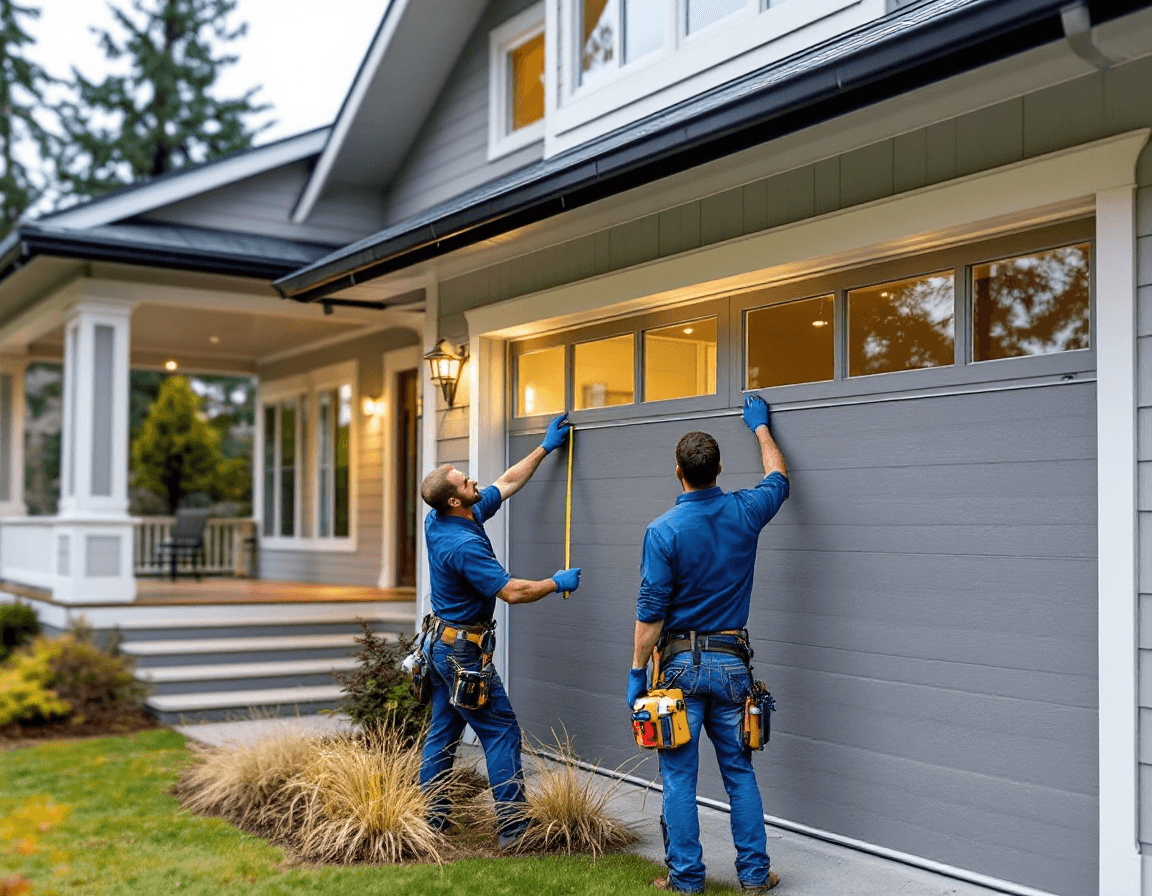
Garage Door Installation & Replacement in Woodinville, WA is one of the most practical upgrades a homeowner can make, especially in a city where rain, humidity, and wind shape how a garage performs year after year. Woodinville sits in the Sammamish Valley at the edge of the King County farmland and wineries, and the mix of older ranch homes, newer subdivisions, and custom houses on wooded lots means garage doors here range from original 1980s sections to brand-new openings framed for a double-wide setup. When a door is no longer worth fixing, a well-chosen replacement can improve security, quiet, insulation, and curb appeal all at once.
Most of the calls we answer in the 98072 and 98077 ZIP codes start with a simple question: is it time to replace this door or can it be saved? The honest answer depends on the panels, the track, the springs, the opener, and how much of the door's structure has been damaged by moisture over the years. This page walks through the signs that replacement makes more sense than another repair, the materials that hold up well in Western Washington weather, what installation involves, and how pricing works, so you can make a decision based on your home rather than a sales pitch.
Our technicians are licensed, bonded, and insured, and we work across more than 60 cities in the greater Seattle area. We know that a new door is a significant purchase, and we would rather explain your options clearly than push you toward the most expensive model on the lot. Whether your garage opens onto a quiet cul-de-sac near Cottage Lake or sits on a sloped driveway up Hollywood Hill, the goal is the same: a door that operates smoothly, seals well, and lasts.
When an Old Door Has Crossed the Line
A garage door rarely fails all at once. It usually gives warning signs for months, such as a slow lift, a popping sound at the top of the travel, panels that no longer line up at the seams, or a bottom seal that has cracked and left a gap you can see from the driveway. In Woodinville, many of these symptoms show up after a long wet season, when moisture works its way into wood sections and steel edges. Once the damage is structural, repeated repairs start costing more than the door is worth.
Replacement is usually the right call when several of the following conditions are present at the same time. These are the patterns our technicians see most often in older doors across King County:
- Panels that are dented, delaminated, or separated at the joints, so the door no longer tracks evenly in the rails
- Rust that has eaten through the bottom section or along the lower edges where water collects
- Rot in wood doors, especially along the bottom rail and at the base of the stiles, where runoff from the driveway sits
- A door that has been repaired multiple times with parts that no longer match the original design
- Storm damage from a windstorm that bent the frame, cracked glass, or twisted the top section out of plane
If your door has needed a service call more than once in a single year, it is worth asking whether the next failure will be the expensive one. Repeated breakdowns often point to a door that is simply worn out, not just a single failed part.
Choosing Between Insulated Steel, Carriage Style, Wood, Glass, and Aluminum
Material choice matters more in Western Washington than many homeowners expect. Our winters bring long stretches of rain, cool nights, and humidity that can linger in an enclosed garage, so a door's construction determines how well it resists warping, corrosion, and condensation. Each material has a different personality, and the right one depends on how you use the garage and how the house is styled.
Insulated steel is the most common choice for homes in Woodinville because it balances durability, cost, and thermal performance. A foam core sandwiched between steel skins helps reduce heat transfer, which makes a real difference if the garage is attached to living space or houses a workshop, a home gym, or a freezer. Carriage-style designs use faux hardware and vertical grooves to mimic a swing-out door, and they pair well with the traditional and farmhouse-inspired homes common in the area. Wood doors offer warmth and a custom look, but they require more maintenance, so they are best suited to covered or well-ventilated garages. Glass and aluminum designs bring in light and suit modern architecture, though they can transfer more heat and cold unless you choose insulated glass with a proper frame.
When comparing options, keep the following points in mind before you make a final selection:
- Insulated steel with a quality weather seal is a strong default for most attached garages and resists rust better than uninsulated steel.
- Wood and wood-composite doors need sealed edges, regular finishing, and good drainage at the base, so they are a better fit for dry or covered locations.
- Aluminum and glass sections are lighter and can look sharp on contemporary homes, but insulation levels vary widely, so ask for the thermal rating of the specific assembly.
- Carriage-style designs can be made in steel, composite, or wood, so you can get the look without giving up the material properties you need for your climate.
Ask any installer for the specific construction details and warranty terms, not just the marketing name of the line. A door's real performance comes down to panel thickness, seal quality, and how the frame is braced.
Wind Loads, Hardware, and the Open Valley Factor
Woodinville's valley location and exposure to Pacific Northwest windstorms make wind resistance a practical concern. Garage doors are large, flat surfaces that catch air, and a door that is not rated for local wind conditions can bow, pop out of its tracks, or be damaged during a strong gust. Many storm-prone homes benefit from doors with reinforced bracing and a wind-load rating that matches the exposure of the property. This is especially relevant for homes on hillside lots or properties with open views where wind funnels across the driveway.
Hardware matters as much as the panels. Tracks, rollers, hinges, and brackets should be matched to the door's weight and size, and the mounting points must be sound. Older garages often have framing that has shifted or soft spots from water exposure, so a responsible installer will inspect the header, jambs, and wall anchors before setting a new door. If the framing needs repair, that work should be completed before the new door goes in, because a door is only as stable as the structure that holds it.
If you have experienced a windstorm, look for signs that the door or its hardware moved out of alignment. A door that sits crooked, rubs on one side, or stops short of closing fully may have suffered damage that is not obvious from the outside. Having the system inspected after a storm can prevent a small misalignment from becoming a larger failure later.
Matching the Door to Woodinville Architecture
Woodinville has a range of architectural styles, from classic Northwest craftsman homes and farmhouse-inspired builds to newer contemporary houses with clean lines and large windows. The garage door is often the largest single element on the front of the house, so its style has a strong effect on how the home looks from the street. A mismatched door can make even a well-maintained property look dated, while a well-chosen one can refresh the entire facade without touching the siding.
For craftsman and farmhouse homes, carriage-style doors with divided glass or decorative hardware tend to fit naturally, and many homeowners choose a color that complements the trim rather than the body of the house. Modern and transitional homes often suit flush panels, horizontal grooves, or full-width glass sections with slim frames. Homes near the wine country and the rural edges of the valley sometimes have a rustic look, where wood-look steel or composite finishes can add character without the upkeep of solid wood.
Color and finish also influence how the door ages in our climate. Darker shades absorb more heat, which can matter on sunny summer afternoons, while lighter colors reflect more and may show dirt or water spotting sooner. A matte or textured finish tends to hide minor scuffs better than a high-gloss surface. Bring photos of your home and a list of the colors on your siding, trim, and roof when you talk through options, so the recommendation fits the whole property.
What the Installation Visit Actually Involves
A typical replacement starts with a site visit to measure the opening, check the framing, and evaluate the existing hardware. We confirm the width, height, and headroom, along with any obstructions such as ceiling-mounted storage, water heaters, or low beams that could affect track placement. This is also when we look for water damage, failing header supports, and signs of previous repairs, because those issues need to be addressed before the new door is set.
Removing the old door is the most hazardous part of the job. Garage door springs store significant tension, and mishandling them can cause serious injury. For this reason, spring removal, cable work, and the disassembly of a torsion system should always be performed by a licensed, trained technician, not by a homeowner working from a video. Once the old door is out, the new door is assembled, the tracks are aligned, the springs are set and balanced, and the opener is programmed and tested. The entire process typically takes several hours, though the exact time depends on the door type, the opening, and any framing repairs needed.
Before we leave, we walk through the operation of the door with you. That includes showing how the manual release works, explaining the safety reversal sensors, and demonstrating how to test the auto-reverse feature. Keep the remotes and keypad codes organized, and make sure everyone in the household knows that a door should never be forced open or closed by hand while the opener is engaged. If something does not feel right after installation, call us before using the door repeatedly, because early adjustments are much easier than late repairs.
Budgeting Your Replacement from $950 to $3,800-Plus
Installed prices for new garage doors generally range from $950 to $3,800 and up, depending on the size, material, insulation level, design, and hardware. A basic single-car steel door with standard hardware sits near the lower end of that range, while a large double door in insulated steel with decorative hardware, a premium finish, or custom glass can move well above it. Wood, custom glass, and high-performance insulated assemblies generally cost more because the materials and labor are more involved. Opener upgrades, framing repairs, and removal of the old door can also affect the final figure.
Because every home is different, the most reliable way to plan is to start with the door you want and then work backward to the budget. Ask for an itemized estimate that separates the door, hardware, opener, labor, and any framing or disposal fees. This makes it easier to compare options fairly and see where the money is going. It also helps you decide whether an upgrade, such as added insulation or a quieter opener, is worth the extra cost for how you actually use the space.
A few common cost drivers are worth understanding before you request quotes:
- Door size and width, since double doors and oversized openings require heavier components and more material
- Insulation rating and panel thickness, which influence both comfort and the price of the door
- Material choice, with wood, custom glass, and high-end composites typically costing more than standard steel
- Structural repairs to the header, jambs, or wall anchors that must be completed before installation
- Opener selection, including battery backup, smart-home connectivity, and quieter belt-drive systems
Permits, Associations, and Working With Local Rules
Depending on the scope of your project, you may need to coordinate with the City of Woodinville or with a homeowners association before installing a new door. Replacing a door in the same opening with a similar size is often straightforward, but enlarging the opening, altering the header, or changing the structure of the garage can trigger permit requirements. Some neighborhoods also have design guidelines that restrict colors, styles, or materials, especially in planned communities. A responsible contractor will help you understand what applies to your property, though the final determination always rests with the local authority or association.
If your home is part of a remodel or addition, it is worth planning the garage door alongside the rest of the work. Coordinating the framing, electrical for the opener, and finish trim at the same time can reduce delays and avoid rework. Homes in older parts of the area may have framing or wiring that predates current expectations, so a site inspection before the project begins can prevent surprises. Asking these questions early keeps the schedule predictable and the budget realistic.
If you are unsure whether a permit is needed, contact the City of Woodinville directly and describe the scope of work. Keep copies of any approvals and the final invoice in your home records, because they can be useful when you sell the property or file an insurance claim. Clear documentation is one of the simplest ways to protect the value of an upgrade.
Energy Efficiency and Comfort in an Attached Garage
For homes with an attached garage, the door is a major point of heat exchange between the garage and the living space. A poorly insulated door can let cold air seep into the garage during winter, which then cools the adjoining rooms and the wall shared with the house. In summer, a sun-baked door can push heat into the garage and, through the shared wall, into the rest of the home. Upgrading to a well-insulated door, paired with a good bottom seal and side seals, often makes the garage feel more comfortable and reduces the strain on the home's heating and cooling.
Insulation performance is measured differently from one manufacturer to another, so compare the specific rating for each door rather than relying on general claims. Pay attention to the thickness of the insulation, the quality of the weatherstripping, and whether the door has thermal breaks in the panel construction. The seals at the bottom and along the sides matter as much as the panels, because small gaps can undo much of the benefit of a high-performance door. Ask your installer to check the seals after installation and adjust them if needed.
Comfort is not only about temperature. A well-sealed door also keeps out dust, moisture, and pests, which is especially helpful during long rainy seasons. If you store paint, tools, or stored food in the garage, a tighter door can help protect those items from temperature swings and damp air. Consider the way you use the space when deciding how much insulation makes sense, because a garage used for a workshop or gym has different needs than one used only for parking.
Aftercare, Warranties, and Keeping the New Door Quiet
A new door performs best with a little attention over time. Once a year, inspect the seals, check the rollers and hinges for wear, and make sure the tracks are clean and free of debris. Lubricate moving parts with a product recommended for garage doors rather than general-purpose oil, which can attract grit. Wipe down the panels with mild soap and water, and check the base for water pooling, because standing moisture can slowly damage the bottom section and the floor seal.
Warranties vary by manufacturer and by component, so read the terms carefully. Panels, finishes, springs, hardware, and opener parts often carry different coverage periods, and some warranties require routine maintenance to remain valid. Keep your installation paperwork, the product manuals, and any service records in one place. If a problem appears, contact the installer first so the claim is handled correctly and the work is done safely.
Noise is another common concern after replacement. Many homeowners notice the door is quieter than the old one, but some sound is normal, especially during the first few weeks as components settle. If you hear grinding, popping, or rattling that does not go away, schedule a check rather than ignoring it. Many small issues, such as a loose bracket or a worn roller, are simple to correct when caught early.
Schedule a Local Estimate
Whether your garage door is cracked from a winter windstorm, rusting along the bottom edge, or simply out of date for the look you want, a thoughtful replacement can make your Woodinville home more secure, comfortable, and attractive. Our licensed, bonded, and insured technicians serve 98072, 98077, and neighborhoods from Cottage Lake to Hollywood Hill, and we will walk through your options without pressure. Call (888) 799-3819 to schedule a measurement and estimate, and we will help you choose a door that suits your home, your budget, and the Pacific Northwest weather it has to handle.