
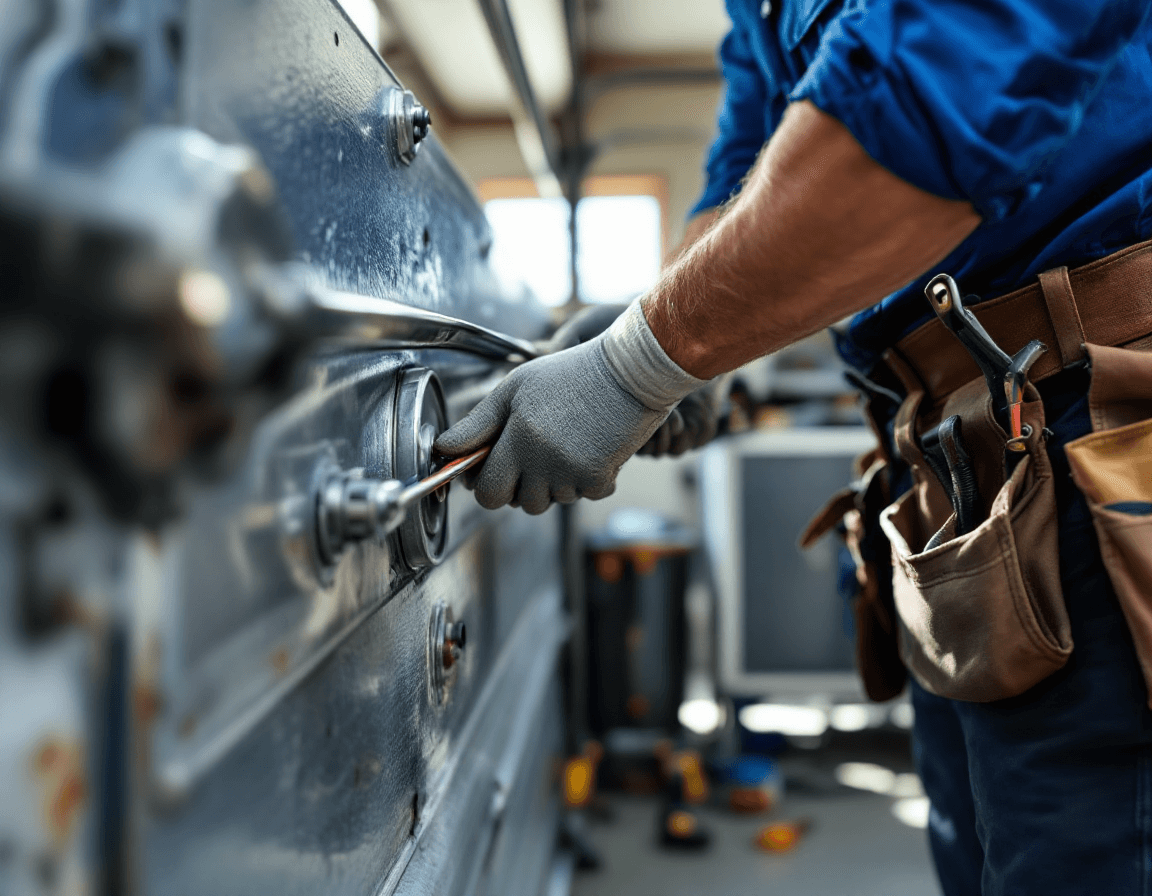
Garage door cable replacement in Snoqualmie, WA is one of the more common repairs we handle in the valley, and it is also one of the easiest to put off until something gives way. The lift cables on a torsion-spring door carry the full weight of the door as it rises and falls, so when one snaps or slips off its drum, the door can go from merely sluggish to completely stuck in a matter of seconds. Homeowners in the 98065 area often notice the problem on a cold morning when the door refuses to lift or sits crooked in the opening. Understanding what the cables do and why they fail can help you decide when to call for help.
Our technicians see this repair across Snoqualmie, from older homes near the historic core to newer houses on Snoqualmie Ridge where the garage doors are larger, heavier, and sometimes fitted with insulated panels. The cables themselves are not complicated, but they operate under serious tension, and that tension is the reason this job should be handled by a licensed, insured professional. A cable that looks like a minor nuisance can be storing enough energy to injure someone who handles it the wrong way. The sections below explain what to watch for, how local weather plays a role, what the work involves, and what a reasonable price range looks like.
If you are reading this because your door just stopped working, the most useful step is to keep people and vehicles away from the door until someone qualified has inspected it. Do not try to force the door open by hand, do not climb onto the track to pull a cable back into place, and do not attempt to adjust or loosen the springs. Those actions have caused real injuries, and they rarely fix the underlying problem. A short service call can usually stabilize the door, confirm what failed, and recommend the right repair.
What the Lift Cables Actually Do Inside Your Garage Door
Every sectional garage door has a pair of lift cables, one on each side, that run from the bottom bracket of the bottom panel up through the vertical track and wrap around a drum mounted at the top of the door. On a torsion-spring system, a long spring or pair of springs sits on a shaft above the opening, and the cables are connected to that shaft through the drums. When the door is closed, the springs are wound and holding a large amount of energy. As the door opens, the cables wind onto the drums in a controlled way, and the springs unwind to counterbalance most of the door's weight. This is why a well-balanced door can be lifted with one hand.
Because the cables are the physical link between the spring system and the door, they must stay the same length, stay seated in the drum grooves, and stay evenly tensioned on both sides. If one cable is shorter or weaker than the other, the door will lift at an angle, and the stronger side will pull the panels out of alignment. That is why replacing a single cable without checking the drum, the other cable, and the track is rarely a complete fix. Good cable work looks at the whole lifting assembly as one system.
Many homeowners are surprised to learn that the cables are not stretchy elastic components. They are braided steel designed to carry a heavy load in a very narrow space. Over years of repeated bending around small drum grooves, individual strands can fatigue and break. Once enough strands go, the cable loses its ability to hold, and the remaining strands take the load until they fail too. Seeing this progression early is the best way to avoid a sudden failure.
Reading the Warning Signs Before the Cable Lets Go
Most cable failures give some advance notice, even if it is subtle. The first thing many Snoqualmie homeowners notice is that the door seems to lift unevenly or that one side looks higher than the other when it is halfway open. Others hear a grinding or popping sound as the drum turns, or they see the door jerk briefly during travel. These signs often mean one cable has started to stretch, fray, or slip in the drum grooves. A door that sits crooked when closed, with one bottom corner noticeably lower than the other, can point to the same problem.
Visual clues are usually the easiest to spot from a safe distance. Look along the cables with the door fully closed and the opener disconnected, and note any broken strands, kinks, or bird-caged sections where the steel has splayed outward. Rust or orange discoloration on the cable, particularly near the bottom bracket or where the cable passes over the top roller, signals moisture damage that will only get worse. You may also see the cable sitting outside the drum groove, which is often the first sign of a problem that can become a full cable-off-drum event.
Watch for these common warning signs in your own garage:
- The door hangs crooked or lopsided, with one side noticeably lower when closed or partly open.
- A cable shows frayed strands, rust, kinks, or a visibly thinner section.
- The door closes unevenly or binds on one side, sometimes with a shudder or scraping sound.
- You hear a loud snap, then the door will not lift or drops suddenly.
- The cable appears tangled around the drum or sits outside the groove.
If you see any of these signs, avoid using the opener until a technician has looked at the door. Running a damaged door can turn a simple cable swap into a larger job involving drums, brackets, tracks, or even panel damage.
How Pacific Northwest Weather Wears Down Cables Faster
Snoqualmie's climate is one of the reasons cable problems show up more often in this area than many homeowners expect. The valley gets a long stretch of gray, damp weather, with frequent rain and high humidity during much of the fall, winter, and spring. Moisture settles on metal hardware and works its way into the steel strands, encouraging rust that weakens the cable from the inside as well as the outside. When that moisture freezes on cold mornings, the door may also be stiffer than normal, which puts extra strain on cables already weakened by corrosion.
The mist and damp air that drift through the lower valley around Snoqualmie Falls add another layer of moisture, especially for garages that are not heated or well ventilated. Many homes in the area have garages that are used for storage, bikes, outdoor gear, and recycling, which means they often see temperature swings and dampness without much airflow. Over time, that environment accelerates corrosion on the cables, drum hardware, and bottom brackets. Even a garage that feels dry inside can carry enough humidity to start rust on exposed steel.
Seasonal temperature changes also matter. Steel contracts in the cold and expands in warmer weather, and a cable that is already frayed can slip or snap at the moment the door is pushed hardest, such as the first lift on a frosty morning. Homeowners sometimes assume the cable failed because of the cold itself, but in most cases the cold simply revealed damage that had been developing through many wet months. Checking cables before the wettest part of the year is one of the most practical ways to avoid a stuck door during a busy week.
What Happens Mechanically When a Cable Jumps the Drum
When a cable comes off the drum, the drum itself has usually turned slightly out of sync with the other side, or the cable has loosened enough to slide out of its groove. Once the cable leaves the groove, it may wrap in an uneven pattern or bunch up against the drum flange. That can cause the drum to bind, the door to lift at an angle, or the cable to tangle with the spring shaft. In some cases, the door will continue to rise on the good side while the other side stays put, which can twist the door panels and damage the track.
A cable that snaps creates a different situation. The spring may still hold tension, and the broken end can whip through the garage or get caught in the track. Because the spring system may still be under load, this is a time to keep everyone clear of the area and call a professional rather than trying to inspect or handle the broken pieces yourself. A snapped cable is not something to tie off, splice, or repair with a temporary fix.
A stuck door after a loud bang is a classic sign of a cable failure, but it can also indicate a broken spring, a damaged bottom bracket, or a bent track. Only a trained technician can confirm which component failed and whether the rest of the lifting system is safe to use. Guessing wrong can leave you with a second failure or an unsafe door.
Why Cable Work Belongs in Licensed Hands
Garage door cables are connected to torsion springs, and torsion springs store enough energy to cause serious injury if they are released improperly. Cable replacement often requires relieving tension on the spring system, removing parts from the shaft, and reassembling the drums under controlled conditions. Those steps demand the right tools, a clear understanding of the spring's winding and load, and a methodical approach that most homeowners do not have. For this reason, we always recommend a licensed, bonded, and insured professional for spring and cable work.
Homeowners sometimes search for quick fixes like cable clamps, pliers, or temporary wraps. Those approaches can mask a problem while making the door more dangerous. A cable that has been improperly rerouted may fail again sooner, or it may pull the drum out of alignment and damage the bearings or shaft. In a worst-case scenario, the spring can release while someone is working nearby, which is the kind of injury nobody plans for.
A trained technician will also check the parts that a cable replacement affects, including the drums, the bottom brackets, the rollers, the track alignment, and the spring condition. This broader inspection matters because a cable that failed may have been overloaded by another worn component. Catching those related issues in one visit is usually more efficient than repeated service calls.
What a Typical Cable Replacement Visit Involves
A standard cable replacement visit starts with a full assessment of the door. The technician will confirm which cable has failed, inspect the other cable, check both drums, and look at the spring system to see whether it is safe to work on. They will also test the door's balance and movement by hand and with the opener, noting any binding, uneven travel, or track issues. This assessment helps determine whether the job is a simple cable swap or whether drum, bracket, or spring work should be included.
Once the cause is confirmed, the technician secures the door and safely relieves spring tension according to the manufacturer's method and industry practice. The damaged cable is removed, and the replacement is sized to the door's weight, height, and spring configuration. The new cable is routed through the bottom bracket, up the track, and onto the drum groove, then secured at both ends. Both sides are then checked for equal length and tension, and the door is tested through several full cycles to make sure it lifts evenly and stops where it should.
Most visits conclude with a short walkthrough. A good technician will explain what failed, what was replaced, and what you should watch for in the coming months. They may also suggest whether the springs, rollers, or hinges are approaching the end of their service life, so you can plan ahead instead of facing another surprise.
Pricing Expectations for Cable Replacement Around Snoqualmie
For most standard lift cable replacements, pricing in our Snoqualmie service area generally falls in the range of $110 to $300. The final amount depends on the door's size, the number of cables that need replacing, the condition of the drums and brackets, and whether the work includes drum service or related repairs. A single-cable replacement on a smaller single-car door typically sits at the lower end of that range, while larger doors, doors with additional damage, or jobs requiring extra parts usually fall toward the higher end.
It helps to understand what a quote should include before you approve the work. A fair estimate should cover the replacement cable, the labor to safely release tension and reinstall the cable, a check of the opposite side, and a test of the door's operation. If the technician recommends additional work, such as replacing a drum or bottom bracket, that should be presented clearly as a separate option with its own cost. You should never feel pressured into work you did not request, and you should always understand why a recommended repair is needed.
Homeowners in Snoqualmie sometimes ask whether it makes sense to pay for both cables when only one has failed. In many cases, the surviving cable has been under the same stress and weather exposure as the broken one, so it may be near the end of its life. Replacing both at the same time can save a second service call and keep the door balanced. Your technician can tell you whether the remaining cable looks sound or whether a matched pair is the better choice.
Drum Service and Why It Often Travels With a Cable Swap
The drums are the grooved components that the cables wrap around, and they are easy to overlook until something goes wrong. Drums can crack, wear smooth in the grooves, loosen on the shaft, or develop set screw problems that let them slip out of position. When a drum is worn, a new cable may not seat correctly, and the door can develop the same uneven behavior that prompted the call in the first place. For that reason, drum inspection is a regular part of cable work.
Drum service may include tightening set screws, cleaning and lubricating the drum surfaces, replacing a cracked or worn drum, or realigning the drum on the shaft. Some drums are designed to be replaced individually, while others are tied to the cable and spring assembly in ways that require more labor. A qualified technician will explain which option fits your door and why. In many Snoqualmie garages, drum wear appears alongside rust and moisture damage, so the drum and cable should be evaluated together.
Cable and drum work also gives the technician a chance to check the bottom brackets and the rollers. If a bracket is bent or cracked, it can pull the cable out of line and cause repeated failures. Rollers that wobble or have worn bearings can add friction that stresses the cable every time the door moves. Addressing these parts during the same visit is often the most cost-effective way to restore smooth, balanced operation.
Protecting New Cables Through Snoqualmie's Wet and Cold Seasons
Once a new cable is installed, a few simple habits can help it last longer in the damp Pacific Northwest climate. Keeping the garage as dry as practical makes a noticeable difference, especially in homes where the space is used for storage or where gutters or drainage near the foundation are not performing well. Good airflow, a working door seal, and attention to standing water all help reduce the moisture that drives corrosion. These steps protect not only the cables but also the springs, tracks, and hardware.
Routine visual checks are also valuable, as long as you keep them safe and limited to looking rather than adjusting. A quick monthly inspection can catch early signs of wear before they become emergencies. Here are a few safe checks you can perform without touching the springs or attempting any adjustments:
- Look along each cable with the door closed and the opener disconnected for fraying, rust, or visible kinks.
- Watch the door as it opens and closes, noting any crooked travel, popping sounds, or hesitation.
- Confirm that the cables sit neatly in the drum grooves when the door is closed, without bunching or gaps.
- Check that the bottom brackets are tight and not bent, and that the rollers turn freely.
- Note any new sounds, such as grinding or snapping, and schedule service if they persist.
If anything looks unusual, do not attempt a repair yourself. Call a licensed technician, keep the opener unplugged or disengaged, and keep people and pets away from the door until the inspection is complete.
Questions Snoqualmie Homeowners Ask About Cable Failures
Homeowners often ask whether a broken cable means the entire door needs replacing. In most cases, it does not. A cable failure is a repairable issue, and the rest of the door may be perfectly sound once the cable, drum, and related hardware are corrected. The exception is when the springs, tracks, or panels show significant damage, which a technician can assess during the visit.
Another common question is whether the garage door opener is to blame. Openers apply force to the door, but they do not usually cause cable failure on their own. Cables wear from repeated bending, corrosion, and tension cycles, and an opener that runs the door on a damaged system can make the problem worse. If you notice the opener straining or reversing unexpectedly, that is worth mentioning during the service call.
Finally, many people wonder how long a replacement cable should last. Service life depends on the door's weight, how often it is used, the quality of the cable, and the weather it endures. Homes in the valley that see heavy moisture and frequent use may need more frequent checks than homes with drier conditions. A technician can give you a practical sense of what to expect based on what they find in your garage.
If your Snoqualmie garage door is crooked, stuck, or showing any sign of a cable problem, please do not wait for the failure to become worse. Call Seattle Garage Door Fix at (888) 799-3819 to schedule a licensed technician who can inspect the cables, drums, and spring system, and explain your options clearly before any work begins.