
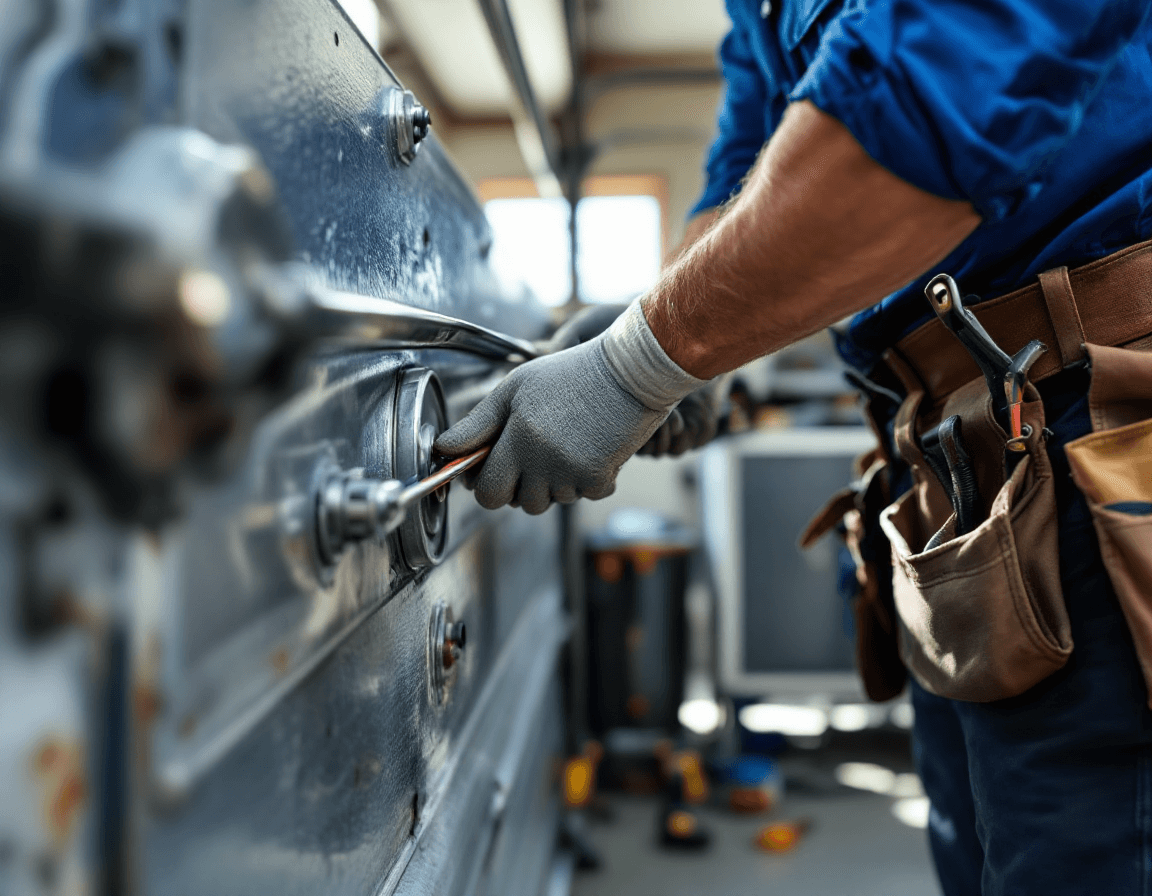
Garage door cable replacement in North Bend, WA is one of the most common repairs we handle in the Snoqualmie Valley, and it is also one of the most important to get right. The lift cables on either side of your door carry the full weight of a heavy panel, and when one fails, the door can drop unevenly, jam in its track, or come down with enough force to cause serious damage. Homes near the base of Mount Si and in the blocks around Downtown North Bend see plenty of wet, cool weather, which is hard on steel cables and the hardware they run through. This page explains what cable problems look like, why they happen in our part of King County, and what a licensed technician does to fix them.
If your door has been acting strangely for a few weeks, you may already have a cable problem without realizing it. Many homeowners first notice a door that closes at a slight angle, a rubbing sound along one track, or a door that stops partway up and refuses to go further. Others hear a sharp bang from the garage, look over, and find the door sitting crooked or resting against the tracks. These symptoms overlap with other garage door issues, which is why a proper inspection matters before anyone assumes the cable is the culprit.
Whatever you are seeing, the safest first step is to keep people and vehicles clear of the door and call a professional. Cable work involves high-tension components, and attempting it without training can lead to injury. Seattle Garage Door Fix is licensed, bonded, and insured, and our technicians are trained to handle lift cables, drums, and the springs that work alongside them. The sections below walk through what to expect, from early warning signs to repair pricing.
Why Valley Weather Puts Extra Pressure on Lift Cables
North Bend sits in a valley where moisture settles in during long stretches of gray, drizzly weather, and that moisture finds its way into garages that are not heated or fully sealed. Steel lift cables are galvanized or coated to resist corrosion, but the coating wears thin over years of exposure, especially where the cable passes over the drum or runs through the bottom bracket near the floor. Once rust starts at the strands, it weakens the cable from the inside, and the damage often hides beneath a surface that still looks fine. A cable can look acceptable from the floor and still have broken wire strands that are ready to give way.
Temperature swings add another layer of stress. A cold morning followed by a damp afternoon causes metal to contract and expand, and in an unheated garage that cycle repeats throughout the winter and early spring. Lubricant that once kept the cable moving smoothly can thicken or wash away, leaving the strands to rub against each other and against the drum grooves. Over time that friction produces fraying that starts small and grows with every open and close cycle. Households that run the door many times a day, such as families with teenagers or home businesses, can see the wear progress faster.
Mount Si and the surrounding foothills also bring leaves, pine needles, and grit into garages that sit close to wooded lots. Debris can collect in the track and on the drum assembly, and grit acts like sandpaper on a cable that is already dry. For that reason, we treat cable wear in North Bend as a combination of moisture, temperature cycling, and dirt rather than simply a matter of age. A cable that might last many years in a dry climate may show damage sooner here if it is never inspected.
Recognizing the Warning Signs Before a Cable Snaps
Most lift cables give some warning before they fail completely, and learning to spot those signs can save you from a stuck or damaged door. The problem is that many of the early symptoms look like ordinary wear, so homeowners often wait until the door stops working altogether. A quick visual check every few months can catch problems while the repair is still routine. Keep an eye out for the following indicators:
- A door that hangs noticeably lower on one side when it is partly open
- Visible fraying, bird-caging, or kinks anywhere along the cable length
- Rust-colored streaks or flaking on the cable or on the drum
- A door that closes unevenly, binds on one track, or leans when it is fully closed
- A loud snap or bang followed by the door sitting in an odd position
- Cable coils or loops that appear to sit loosely around the drum instead of wrapping neatly
Any one of these signs deserves attention, and a combination of two or more should prompt a call right away. A door that is crooked or hangs lopsided places uneven load on the remaining cable and on the opener, which can cause more damage the longer it runs. The opener may also strain to lift the door, leading to premature motor wear. Acting early usually keeps the job simpler and the cost lower.
It is also worth noting when the symptoms appeared. If the problem started right after a hard freeze or a heavy rain, moisture may have worked its way into the cable and caused sudden stiffness. If it started after someone bumped the door with a vehicle or a stored item, the cable may have been stretched or pulled off its track. Telling your technician what you observed in the days before the problem helps them narrow down whether the cable, the drum, or the track is the primary issue.
How the Cable, Drum, and Springs Work Together
To understand what goes wrong in a cable failure, it helps to know how the parts cooperate. Each side of a typical garage door has a lift cable attached to the bottom bracket of the door panel. The cable runs up to a drum mounted on the horizontal shaft above the opening, and as the shaft turns, the cable wraps or unwraps around the drum. The springs, which sit either on the shaft above the door or along the sides of the track, store the energy that counterbalances the door's weight. Cable, drum, and springs are designed to work as a single system, and a problem in one affects the others.
Because the springs are under very high tension, the system must be handled with extreme care. Stored spring energy can cause severe injury if released improperly, which is why cable repair is a job for trained technicians with the right equipment. A homeowner who has never worked with torsion springs should never try to remove tension, loosen set screws, or pull the cable off a drum while the door is connected. Even a seemingly simple cable replacement involves locking the door, relieving tension in a controlled way, and reassembling the components to exact specifications.
The drum deserves special attention because it holds the cable in its grooves and controls how evenly the door lifts. A drum that is worn, cracked, or misaligned can allow the cable to slip out of position, which may then lead to the cable coming off entirely. When we replace a cable, we also check the drum for wear and make sure the cable seats correctly in each groove. Overlooking the drum is one reason a new cable sometimes fails within a short time after installation.
What It Looks Like When a Cable Comes Off the Drum
One of the most common scenarios we see is a cable that has slipped off the drum, usually after the cable has stretched or after a drum groove has worn. You may notice the door hanging unevenly, with one side higher or lower than the other. In some cases, the cable sits loose and tangled near the drum, with loops or kinks that were never there before. This is a serious condition because the door no longer has even support, and it can drop suddenly if the other cable or spring is also compromised.
A cable that comes off the drum rarely leaves the door in a safe, balanced state. The panel may tilt sideways, bind in the track, or stop partway up when the opener tries to lift it. Some homeowners try to push the door by hand or tug on the cable to reseat it, and that is exactly the kind of action that causes injury or further damage. The correct response is to keep everyone away from the door, avoid operating the opener, and schedule a technician to inspect the drum, cable, and spring system together.
In North Bend, we frequently see cables that come off the drum after a winter of heavy use, because the cable has been working against seasonal corrosion for months. A tangled cable around the drum often signals that the cable has been pulling at an angle or that the drum has lost its grooving. Replacing only the cable without checking the drum can leave the problem unresolved, so a thorough repair includes both.
Frayed and Rusted Cables: Why Surface Appearance Can Mislead
Homeowners often ask whether a cable that looks mostly intact can be left in place. The honest answer is that surface appearance is not a reliable guide. A cable can have a clean outer look while broken strands hide inside the bundle, and those hidden breaks reduce the cable's strength. Rust that has worked its way between strands is especially dangerous because it can expand and push the strands apart, creating weak points that fail under load.
Fraying usually shows up as small, fuzzy wire ends or as a section where the cable looks flattened or birdcaged. Birdcaging happens when the strands spread outward, often because of repeated tension in one spot or because the cable has been bent around a damaged drum. Kinks are another problem, since a sharp bend can permanently weaken a steel cable even if it looks straight afterward. Any of these defects justifies replacement rather than patching, because a damaged cable cannot be repaired with tape or lubricant.
If you are considering a replacement for cosmetic reasons, that is also a reasonable choice, particularly when a door has been exposed to repeated rain. Many homeowners prefer to replace both cables on a door at the same time, since the other cable has experienced the same wear and tension history. Replacing both at once can also keep the door balanced and reduce the chance of a second failure shortly afterward. Your technician can advise whether a single replacement or a paired replacement makes more sense for your door.
Inside a Professional Cable Replacement Visit
When a technician arrives for a cable replacement, the first task is a full inspection of the door, opener connection, tracks, rollers, hinges, springs, and drum. The goal is to understand whether the cable failure is an isolated event or a symptom of a larger wear pattern. Technicians also check the balance of the door, since an unbalanced door can overload the replacement cable. If the spring system is worn or broken, it may need attention in the same visit to avoid repeat failures.
Once the inspection is complete, the technician secures the door and safely relieves tension according to manufacturer procedures. The old cable is removed from the bottom bracket and from the drum, and the drum is examined for cracks, worn grooves, or damage to the mounting hardware. The new cable is sized to match the door's weight and dimensions, then routed correctly through the drum and fastened to the bracket. After reassembly, the technician tests the door through several full open and close cycles to confirm that it runs level and smooth.
Quality cable work also includes verifying the safety features of the opener and the door. The technician will confirm that the door reverses properly when it meets resistance and that the sensors are aligned. Lubrication of the moving parts, including the springs, hinges, and rollers, helps extend the life of the new cable. A short walk-through afterward gives you a chance to ask questions and to learn what signs to watch for in the coming months.
Cable Drum Service and Why It Belongs in the Same Visit
Cable drum service is often overlooked, yet the drum is a major part of how the door lifts and how the cable wears. A drum that has slipped, cracked, or lost its grooves can damage a new cable within weeks, so we recommend inspecting it whenever a cable is replaced. In some cases the drum only needs to be re-secured to the shaft, tightened, or aligned. In others, it must be replaced entirely, especially if the grooves are worn to the point that the cable cannot seat properly.
Drum service also includes checking the set screws and bearing plates that hold the shaft in place. Loose hardware can allow the shaft to shift slightly, which pulls the drum out of alignment and causes uneven cable wrap. Over time that misalignment leads to rubbing, heat buildup, and accelerated wear on the cable strands. Tightening and inspecting these components during a cable visit is a small added step that often prevents a much larger repair later.
Homeowners sometimes ask whether drum service is necessary if the cable seems fine. The answer depends on what the technician finds, but it is wise to address worn drums while the door is already disassembled for cable work. Doing both repairs in one visit typically costs less than scheduling two separate service calls and gives you more confidence that the door is ready for the winter months ahead.
Understanding Cable Repair Pricing in Plain Terms
Most single-cable replacements on a standard residential door fall in the range of $110 to $300, but the final price depends on several factors. The type and size of the door, the condition of the drum, the number of cables being replaced, and whether any additional hardware needs attention all influence the total. Doors that require both cables to be replaced, or that need drum service in the same visit, will generally fall toward the higher end of that range. A technician who inspects the entire system will be able to give you a clearer estimate before any work begins.
Pricing can also reflect the urgency of the situation. A door that is stuck open or partially fallen may require a same-day or after-hours response, and the scheduling itself can affect the cost. Calling early, while the door is still operable, sometimes allows for more flexibility in scheduling and avoids the extra stress of a safety emergency. We recommend asking for an itemized explanation so you understand what is included, from cable and labor to any drum or spring work.
It is also worth weighing repair against the risks of delay. A failing cable that is ignored can pull on the opener, damage tracks, or cause the door to fall, and those secondary repairs can turn a modest cable job into a much larger bill. Addressing the cable promptly is almost always the more economical choice. A transparent conversation with your technician will help you decide how to proceed without pressure.
Rainy-Season Habits That Protect Your Cables
While you cannot control the weather in North Bend, you can take steps to reduce the wear that moisture and debris cause. Keeping the garage as dry as practical, especially in the autumn and winter, helps slow corrosion on the cables and hardware. Running a dehumidifier in a garage that holds stored items or a second vehicle can make a noticeable difference, and sweeping out debris from the tracks and the floor near the bottom brackets keeps grit from accumulating. Avoid spraying heavy oils or greases directly on the cables, since they can attract dirt. A light lubricant recommended for garage door hardware is typically the better choice.
Periodic visual checks are one of the simplest protective habits. Once a season, stand clear of the door, make sure it is fully closed, and look at the cables from a safe distance for fraying, rust, or kinks. Listen for unusual noises when the door moves, such as scraping, popping, or grinding, and note any changes in how the door sits when closed. If you notice anything unusual, call a professional rather than attempting an adjustment yourself. Keeping a simple log of these checks can help your technician spot patterns over time.
Finally, avoid putting extra weight on the door or asking the opener to lift it when something is wrong. Hanging bikes, storage racks, or heavy bins from the door's tracks adds stress that can accelerate cable fatigue. Teaching everyone in the household to stop and call if the door sounds or looks off can prevent a minor problem from becoming a sudden failure.
Choosing Help for Cable Work in North Bend and Tanner
Homeowners in North Bend, Tanner, and nearby neighborhoods in 98045 deserve a technician who understands local conditions and treats cable work with the seriousness it requires. When you are evaluating a company, look for proper licensing, bonding, and insurance, and ask how the team handles spring and cable safety. A reputable technician will explain the work clearly, provide a written estimate, and avoid pressuring you into unnecessary repairs. They should also be comfortable telling you when a cable can wait and when it needs immediate attention.
Seattle Garage Door Fix serves more than 60 cities across the greater Seattle and Western Washington area, and our technicians are familiar with the common door types, opener brands, and weather-related wear patterns found in the Snoqualmie Valley. We apply the same safety-first approach to every cable job, from a simple single-cable swap to a full cable and drum service visit. Whether your door has snapped a cable, come off the drum, or hangs crooked after a wet winter, we will inspect the system and explain your options in plain language.
If your garage door is showing any of the warning signs described on this page, do not wait for a complete failure. Keep people and vehicles away from the door, avoid operating it, and contact a licensed professional as soon as you can. For prompt scheduling and a straightforward evaluation of your cable repair needs, call Seattle Garage Door Fix at (888) 799-3819 today.