
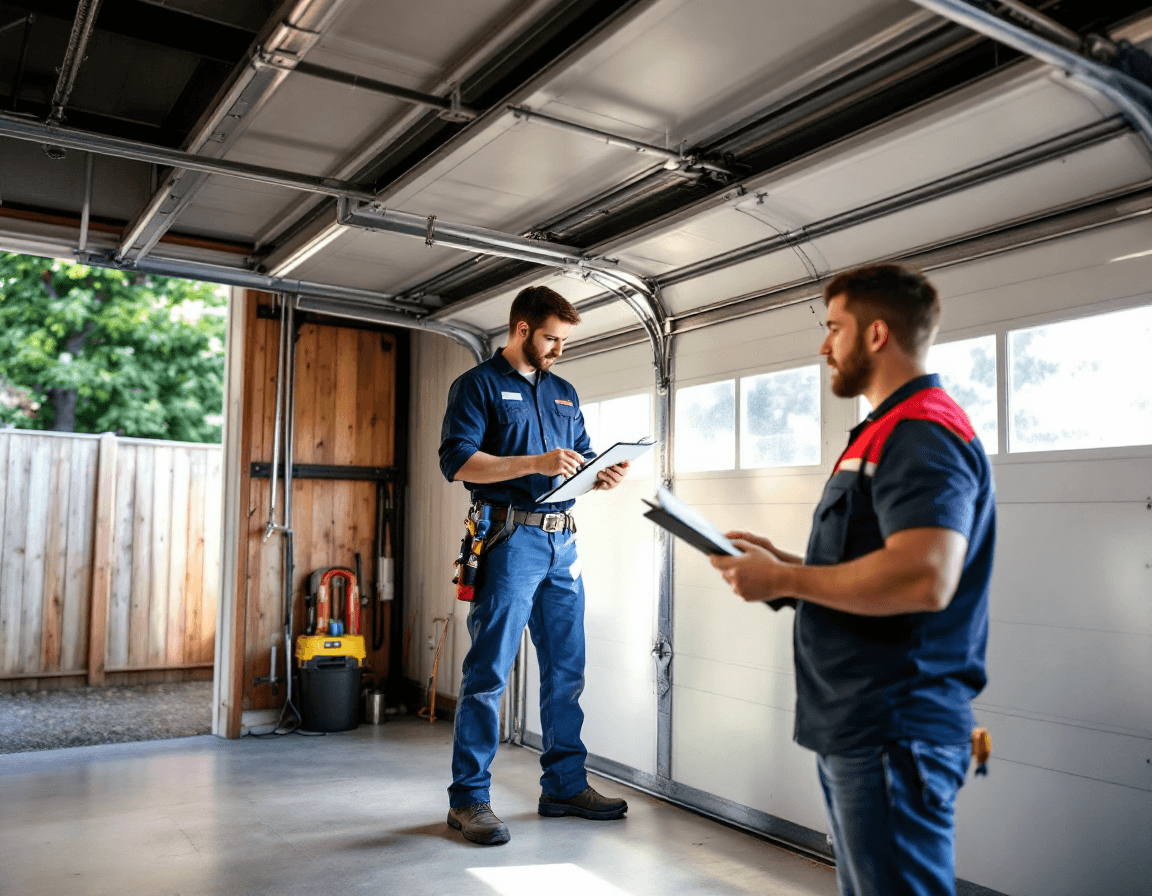
Garage Door Maintenance & Tune-Ups in Fife, WA is one of the most practical things a homeowner can schedule before the seasons start to turn. Your garage door is the largest moving object on your property, and it runs under thousands of pounds of tension every time it lifts. Most doors give plenty of warning before they fail, but those warnings are easy to miss when you're only using the door a few times a day. A professional tune-up lets a technician catch the small problems while they are still small.
Fife sits in a particular corner of Pierce County, close to the Port of Tacoma, the Fife industrial corridor, and the busy I-5 interchanges that carry freight through the region. Many households here live with doors that see constant use, whether from commuting, weekend projects, or a steady stream of deliveries. The local climate adds its own pressure. Damp winters, salt-tinged air drifting in from the water, and temperature swings from wet spring mornings to cold snaps all affect metal, lubricants, and wiring. This page explains what a multi-point tune-up involves, why it matters on this side of the Sound, and how to tell when your door needs attention now rather than later.
Whether your door has gone a year or more without service, has started making new sounds, or is simply a mystery because you just bought the house, a structured inspection gives you a clear baseline. Seattle Garage Door Fix provides multi-point tune-ups for homeowners across Fife and the surrounding Western Washington communities, typically in the range of $89 to $149 depending on the door and opener involved. The sections below walk through what gets checked, what to expect, and where safety rules a do-it-yourself approach out entirely.
Why Fife Garage Doors Feel the Weather Differently
Doors in Fife live in a damp, mild, and sometimes salty environment that is harder on hardware than many people expect. Moisture settles into hinge knuckles, roller bearings, and the seams of steel panels, and during long wet stretches it can sit there for weeks before drying out. Over time that moisture encourages surface rust on exposed springs, track brackets, and fasteners, which then seize or bind when the door is cold. If your garage is near the tideflats or you notice a faint salty film on your car in winter, the corrosion cycle may run faster than it does further inland.
Temperature changes add another layer of stress. A cold morning can make lubricant thicken, which means the door starts out stiffer and then loosens as the day warms up. Metal contracts in the cold and expands in heat, so tracks that were perfectly aligned in August can develop slight drag by January. Rollers made from nylon or steel can flatten or chip, and sections of the door can shift just enough to rub against weatherstripping. None of these changes happen overnight, which is exactly why a periodic check catches them before the door stops working.
Many Fife homes also have garages that double as workshops, storage space, or a second entrance to the house. Those uses mean the door may be opened more often than the builder expected, and it may sit closed for long periods with the opener engaged. Both patterns are fair ground for a technician to examine. A door that gets opened in the rain, parked under a dripping gutter, or left exposed to road salt on a shared driveway tells a clear story, and a tune-up turns that story into a practical maintenance plan.
What a Multi-Point Tune-Up Actually Covers
A full multi-point tune-up is a systematic walkthrough rather than a quick glance. A technician starts with the door itself, checking panel alignment, hinge condition, roller wear, and the general straightness of the tracks from the bottom bracket to the top curve. Next comes the spring system, which the technician inspects visually and tests for wear without attempting any adjustment that requires tension equipment. The opener, safety sensors, and wiring are then checked as a unit, because the door and opener work together and a problem in one often shows up as strain in the other.
Here is a general outline of the points a thorough tune-up typically covers:
- Track alignment, vertical and horizontal, along with the mounting brackets and bolts
- Roller condition, including wheel wear, bearing noise, and stem integrity
- Hinge and end-bracket inspection for cracks, looseness, or corrosion
- Spring visual inspection and wear assessment, without tension adjustments
- Cable condition and drum alignment, checked for fraying or slipping
- Balance testing with the door manually disconnected from the opener
- Opener force and travel limit settings, plus auto-reverse function
- Photo-eye sensor alignment, cleaning, and response testing
- Lubrication of moving parts with the correct product for each component
- Weatherstripping and bottom seal condition
- Safety release cord inspection and general hardware tightening
Not every visit uses the same depth for each item, and the technician will explain anything that needs follow-up. The value of a checklist like this is consistency. When the same points are checked each time, you can compare results from one year to the next and see whether a problem is developing gradually. That history is also useful if you ever sell the home or need a warranty claim.
Reading Your Door's Balance by Hand
A properly balanced garage door should feel reasonably easy to lift by hand once the opener is disconnected. The standard check is simple: pull the emergency release, lift the door to about waist height, and let go. A balanced door will stay roughly where you left it. If it slams down, shoots upward, or drifts in either direction, the springs are not holding the weight evenly, and the opener is being asked to make up the difference.
Balance problems often feel like the door is heavy or slightly off-center, even though nothing is obviously broken. Homeowners sometimes describe it as the door leaning to one side or lifting unevenly on the left and right. That lean can come from a worn spring, a cable that has stretched or frayed unevenly, or a drum that is no longer seating properly. An opener working against an unbalanced door runs hotter, wears its gears faster, and may reverse unexpectedly because the force sensing is responding to strain rather than an obstacle.
The important thing to know is that balance testing can be performed safely by a technician, but correcting it usually involves spring tension work. Springs store a great deal of energy, and adjusting them incorrectly can cause serious injury. A tune-up identifies the balance issue and explains what it means, but the fix belongs to a licensed professional using the proper tools and procedures. If you notice a balance problem between visits, keep the door closed and call for service rather than trying to wind or adjust anything yourself.
Noise That Builds Slowly and What It Is Telling You
Garage doors rarely become noisy all at once. The change usually creeps in, a little more squeak each month, then a new rattle over bumps, then a grinding sound that makes you turn your head when the door starts moving. Each sound points toward a different part of the system, and learning to read them can save you from a larger repair bill. A high-pitched squeal often means dry rollers or hinges, while a deep, rhythmic thump may come from a loose bracket or a roller that has developed flat spots.
Rattling during the first few feet of travel frequently signals loose track hardware or an uneven track that the rollers bounce across. Grinding or scraping noises deserve quicker attention, because they can mean metal-on-metal contact somewhere along the track or drum. A sharp snap or bang from the top of the door is a sign to stop using it until someone can inspect it, since it may indicate a cable or spring issue. Noise coming from the opener itself, such as a whine that changes pitch, often shows up as the gearbox or chain tension begins to drift.
Quiet operation is one of the most noticeable benefits of a tune-up. Once the rollers are cleaned, the hinges are tightened, and the right lubricant goes onto the right parts, many homeowners say the door sounds like a new installation again. That improvement is not cosmetic. Quieter travel usually means less friction, less stress on the opener, and fewer small parts working loose at the same time.
Opener Strain, Slow Travel, and Safety Reversal Testing
Your opener is designed to lift a door that is already balanced and moving freely. When it starts to slow down, strain, or stop partway through its cycle, the cause may be in the opener or in the door it is trying to move. Common signs include longer open and close times, a motor that hums or pauses before moving, the door stopping at the same point each time, or the light flickering during travel. If the opener has started to run hotter than usual or you smell warm electrical odor after use, turn off power to the unit and schedule service promptly.
A tune-up includes testing the opener's force settings and travel limits to confirm they match the door's current weight and friction. Over time, a door that has become heavier from moisture or hardware wear may need the force adjusted, though that adjustment must be done carefully so the auto-reverse feature still works. The technician will also test the safety reversal, which is one of the most important protections on the entire system. If the door does not reverse when it contacts an obstacle on the floor, that is a serious safety concern that needs immediate correction.
Photo-eye sensors deserve special attention in Fife's dusty, wet, and sometimes muddy garages. Sensors that are knocked out of alignment, coated in grime, or blocked by cobwebs may fail to detect an object in the door's path. A quick check involves waving an object through the beam while the door is closing and confirming the door reverses. If you have pets, young children, or frequent visitors, this check is worth doing between professional visits as well.
Lubrication That Helps Instead of Harming
Lubrication is one of the most useful parts of a tune-up and one of the easiest places to make mistakes at home. The right product matters. A light silicone-based or lithium-based lubricant is typically used on rollers, hinges, and track surfaces, while heavier grease is reserved for specific components like bearings and the drum shaft. Using a thick grease on the track can attract dirt and create a sticky film that slows the door down, while spraying the wrong product on the opener chain can cause it to fling dust and grit onto the track.
Here are some common lubrication habits to avoid in a damp climate:
- Do not spray lubricant directly on the photo-eye lenses or sensor housings
- Avoid petroleum-based products on nylon rollers, since they can soften or degrade the material
- Do not lubricate the springs or cables with general-purpose spray without checking the manufacturer guidance
- Wipe away excess oil before it drips onto the garage floor or your vehicle tires
- Avoid heavy grease on tracks, which can collect grit and cause drag
A technician usually cleans the old buildup from the track and rollers before applying fresh product. That cleaning step is important, because lubricant laid over dirt and grime simply traps the abrasive material against moving parts. Once the surfaces are clean and lubricated correctly, the door should move more smoothly and the opener should not have to work as hard to start its cycle.
A First-Year Checkup for Fife Homebuyers
If you have just purchased a home in Fife, a tune-up can be one of the most useful early tasks on your list. You may not know when the door was last serviced, what kind of opener came with the house, or whether the previous owners kept up with basic maintenance. A professional inspection gives you a clear picture of the door's condition before you start relying on it every day. It also helps you distinguish between normal wear and problems that may need a larger repair or replacement conversation.
New homeowners often find that the garage door has been neglected, not because the previous owners were careless, but because garage doors are easy to overlook. The door works until one day it doesn't, and by then the issue may be significant. A baseline tune-up establishes the current state of the springs, cables, rollers, and opener, so you can plan around them. If the technician finds a worn component, you will know its condition and can decide whether to repair it now or monitor it.
Buyers should also ask for any documentation the seller has about the door and opener, including the model numbers, installation date, and any previous service records. That information helps a technician identify replacement parts more quickly and determine whether the system is still within a reasonable service life. Even if you find no documentation, a tune-up will record the details your technician observes, which can become your own maintenance history starting from day one.
Scheduling Around Fife's Seasons and Work Calendars
The best time for a garage door tune-up in Fife is usually before the wettest months settle in. Late summer or early autumn gives the lubricant and hardware a chance to be properly cleaned and set before rain, cold mornings, and damp air arrive. Doing the work ahead of winter also means you are less likely to be stuck with a sluggish door during the period when you are most likely to need it, whether you are hauling groceries, heading to a shift, or getting kids out the door before school.
Many households around the Fife industrial area and along the busy corridors keep irregular schedules, from early shifts at nearby warehouses and logistics operations to late-day returns from longer commutes. A door that fails at 5:30 in the morning or after a long workday creates real hassle. Planning a tune-up during a quieter part of the calendar lets you avoid rushing, and it gives the technician time to be thorough. If your door is used heavily for work vehicles, equipment, or deliveries, mention that when booking so the visit can be planned around the wear that heavy use creates.
Spring is also a good time to take stock. Once the rainy months have passed, check the door for new rust spots, tighter or looser hardware, and any changes in operation. Spring tune-ups tend to reveal the damage done during winter, which makes them a useful complement to a fall visit. Two checkpoints per year is a reasonable rhythm for many homes, especially those with heavy daily use or exposure to moisture.
Why Spring and Cable Work Belongs in Licensed Hands
Some of the most important components of a garage door are also the most dangerous to handle. Torsion springs and extension springs hold enormous force, and a spring under tension can cause serious injury if it is released unexpectedly. Cables carry load too, and a cable that has come off its drum or snapped can cause the door to drop or swing in ways that create hazards. These are not tasks for a weekend project, even for homeowners who are comfortable with tools.
A licensed, bonded, and insured technician has the training, equipment, and procedures to inspect, test, and replace these parts safely. During a tune-up, the technician will evaluate the springs and cables visually and explain their condition, but any adjustment or replacement involving tension is handled by the professional. That approach protects you, your family, and the people who walk past the garage. It also keeps the warranty on the door and opener in better standing, since many manufacturers require professional installation or repair for spring work.
If you ever see a broken spring, a frayed cable, or a door that has come off its track, step back, keep children and pets away, and avoid trying to fix it yourself. Use the emergency release only if you can do so safely, and call for service. A licensed technician can get the door back into working order without putting you at risk. Safety should always come first, even when the repair seems small.
Keeping a Simple Maintenance Log Between Visits
A maintenance log is one of the most useful tools a homeowner can keep, and it does not need to be complicated. A notebook, a note on your phone, or a folder with your service invoices is enough. The goal is to record what you notice between visits and what the technician finds during each tune-up. Over time, that record reveals patterns that are easy to miss in the moment, such as a squeak that appears every February or an opener that slows down after heavy rain.
Here are a few items worth tracking in a simple log:
- Date of each tune-up and the name of the technician who completed it
- Any new noises, with a short description of when they occur
- Changes in how the door feels when lifted by hand or operated by the opener
- Observations about rust spots, loose hardware, or worn weatherstripping
- Any sensor reversals, false stops, or unusual opener behavior
- Parts replaced, lubricant used, and any follow-up recommended
A log also makes it easier to talk with a technician when you call for help. Instead of saying the door "isn't right," you can describe exactly what changed, when it started, and how often it happens. That detail often leads to faster diagnosis and fewer repeat visits. It also helps you decide when a repair is reasonable and when the door may be approaching the point where replacement makes more sense.
Keeping your garage door working well is mostly about paying attention early and scheduling professional help before small issues grow. A multi-point tune-up in Fife gives you a thorough look at the door, the opener, and the safety systems that protect your household every day. If your door is noisy, heavy, slow, overdue for service, or newly yours, now is a good time to act. Call Seattle Garage Door Fix at (888) 799-3819 to schedule a multi-point tune-up in Fife, WA, and let a licensed technician check the parts that keep your garage running smoothly through every Pacific Northwest season.