
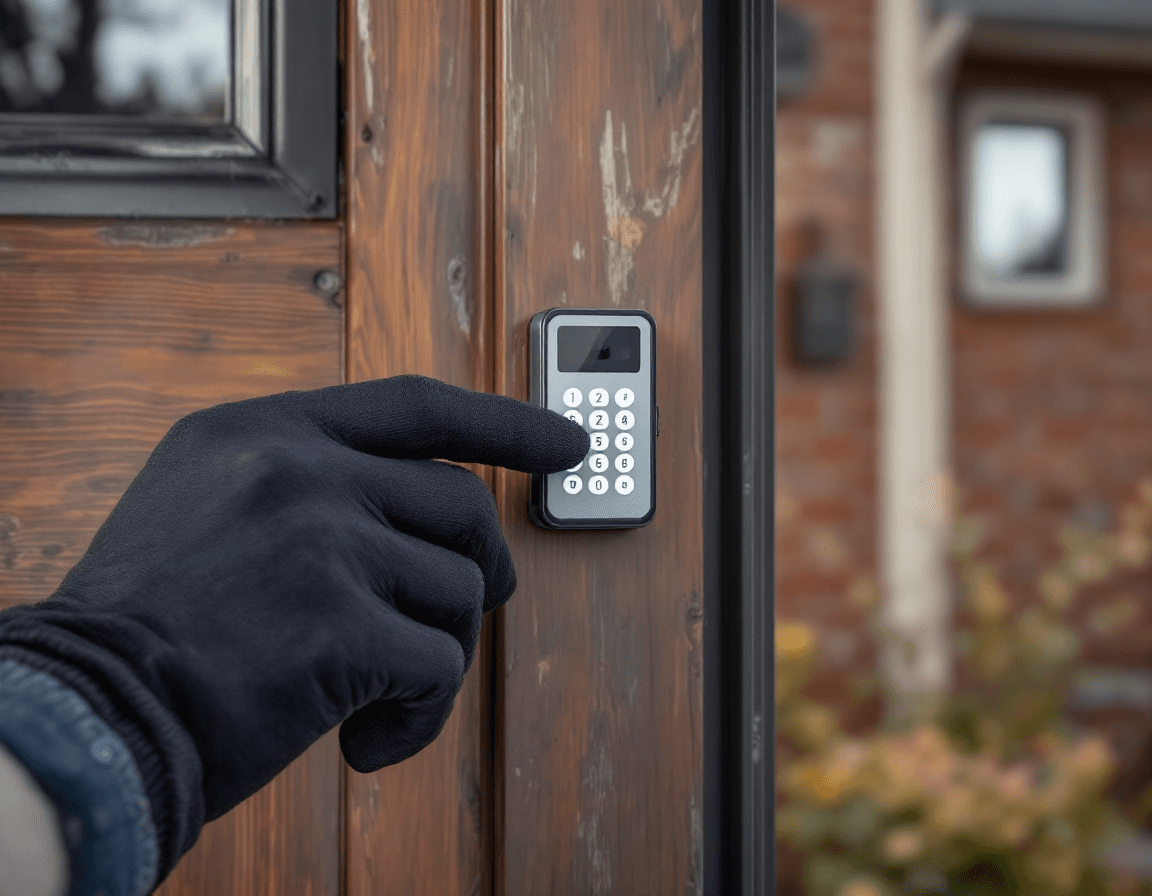
Garage Door Remote & Keypad Service in Issaquah, WA is one of the most common calls we take, and it's often the simplest fix on the list. A remote that stops working can leave you sitting in the driveway at the end of a long day, and a keypad that rejects a code you've used for years can make the whole household feel locked out. Our technicians handle remote programming, keypad installation, keypad troubleshooting, and in-car opener pairing for homes across Issaquah, from the newer blocks near the Highlands to older rambler-style houses on the slopes below Squak Mountain. This page explains what usually goes wrong, what we check, and what you can reasonably expect to pay.
Issaquah homeowners tend to have a few things in common that shape how their openers behave. Many homes here were built within the last few decades, which means the openers inside them range from older belt-drive units that have been running since the early 2000s to recent models with smart-home connectivity. Pricing for this visit runs $65 to $185 for the service itself, plus the cost of any new remote or keypad you choose to add, and we will walk you through those options before we install anything. Whether you need a single new clicker or a full exterior keypad for a side-entry garage, the goal is the same: a door that responds the way it should, without any guesswork on your part.
Why Remotes Misbehave in the Pacific Northwest Damp
Anyone who has lived through a Puget Sound winter knows that the air stays wet for weeks at a time, and that moisture has a surprisingly direct effect on small electronics. Remote control circuit boards are sealed to a degree, but the button contacts, battery terminals, and the thin copper traces inside a key-fob-style transmitter are all vulnerable to condensation. In Issaquah, where temperatures often hover near freezing overnight and then rise into the 40s by midday, the cycle of cold mornings and damp afternoons can slowly corrode contacts that looked perfectly fine in October. A remote that worked flawlessly all summer may start to act up in December simply because the environment changed around it.
Garage conditions add another layer. Many garages around Gilman Village and the Issaquah Highlands are attached to homes with heating systems, which means the garage temperature swings between the house and the outdoors. Those swings create humidity that settles on the inside of the transmitter's housing and onto the keypad's face plate. Cars parked outside in damp weather can also bring road moisture and salt residue into the garage, which settles onto the opener's receiver antenna and sensor wires. We see these conditions cause intermittent failures that are easy to mistake for a dead remote when the actual problem is a damp battery compartment or a dirty antenna.
Because the signal is also affected by distance and obstacles, the wet climate can subtly reduce range. Wet foliage, heavy rain on a metal roof, and the dense stands of conifers that surround many properties near Squak Mountain can all absorb or scatter a remote's signal. A remote that reliably opens the door from the end of the driveway in July may need to be pressed from right beside the car in February. That doesn't always mean the remote is failing. Often it means the signal path has grown weaker, and a proper diagnostic will show whether the fix is a battery swap, a new remote, or an antenna adjustment.
Diagnosing a Remote That Only Works Sometimes
Intermittent operation is the most frustrating symptom, and it is also the one where a systematic approach pays off. When a remote sometimes opens the door and sometimes does nothing, the first question we ask is whether the failure follows a pattern. Does it fail only in the rain? Only when the car is parked at a certain angle? Only when the remote has been sitting in a jacket pocket or a cupholder? Those clues help us separate a weak battery from a corroded contact, a damaged button, or a signal that has become too weak to reach the receiver reliably.
A technician typically starts by checking the battery and cleaning the contacts, then tests the remote at several distances and angles while watching the opener's status light to confirm that each press registers. If the remote works close to the opener but fails at a distance, we look at the receiver antenna and the surrounding environment before blaming the transmitter. If the remote works in some buttons but not others, the problem is usually a worn switch under the rubber pad, which is a quick replacement on many models. We keep the diagnosis honest: if a remote is simply past its useful life, we will tell you that instead of trying to nurse it along.
- Battery contacts with white or green residue often indicate moisture exposure and should be cleaned before replacing the battery.
- A remote that works only from very close range may point to a weak signal path, a damaged antenna wire, or a failing transmitter.
- Buttons that respond inconsistently usually mean the internal membrane or contact pad needs replacement.
- A status light that flickers without moving the door can indicate interference or a receiver that needs attention, not just a bad remote.
It also helps to keep track of when the problem happens. If your remote fails every time it rains hard, mention that to the technician, because it suggests a moisture path that a simple battery change won't fix. Many of the best diagnostic clues come from homeowners simply describing their routine.
Matching a Replacement Remote to Your Opener
Replacing a lost or worn-out remote sounds simple, but the right replacement depends on your opener's brand, model year, and the frequency and code system it uses. Older openers and many current models use different signal frequencies and rolling-code technologies, and a remote built for one system will not talk to another. Buying a generic remote online without checking compatibility is one of the most common ways homeowners end up with a clicker that does nothing. We identify the opener from the label on the motor unit before recommending any replacement, so you know what will work the first time.
Once the correct remote is chosen, programming is usually a matter of pressing a learn button on the opener, then pressing the remote's button within a short window until the door responds. Some systems allow you to program several remotes at once, while others require a specific sequence. Rolling-code systems are designed so that each press produces a new code, which makes them more secure against copying, but it also means the opener and remote must be synchronized correctly. A technician will confirm that every remote in the household works before leaving, and will explain how to add or remove devices in the future so you aren't dependent on a service call every time someone new drives the car.
We also talk through whether a multi-button remote makes sense for your household. A three-button unit can control two doors or a gate and a garage at the same time, which is useful for homes with a detached workshop or a separate RV bay. Some homeowners prefer a visor-style remote or a keychain fob that fits the same ring as their house key. The right choice is the one you will actually carry and use, and we are happy to show you the options side by side.
Exterior Keypads for Side Entries and Shared Driveways
A wall-mounted or post-mounted exterior keypad lets you open the garage without a remote, which is especially handy for family members, dog walkers, contractors, and teenagers who don't carry a clicker. In Issaquah, many homes have side-entry garages, shared driveways, or lots with a detached garage at the rear, and a keypad can make daily access far easier. Keypads are also useful when you want to give temporary access to a service provider without handing over a remote. We install keypads with weather-rated housings suited to the wet climate, and we position them where the keypad is protected from direct rain but still easy to reach from the driver's side.
Installation involves running low-voltage wiring from the keypad location to the opener, mounting the unit securely, and programming a code that you choose. Keypads that use a backlit display or a numeric pad with a rubber membrane can be affected by cold and moisture, so placement matters. We avoid mounting a keypad directly beneath a gutter that drips onto the buttons, and we check that the wiring entry is sealed against water. The opener itself stays in the garage, and the keypad's wiring is kept away from line-voltage conductors, which is one reason this work is typically a good fit for a qualified technician rather than a do-it-yourself project.
Choosing a code is more important than many people realize. Avoid codes built from birthdays, house numbers, or sequences that are easy to guess, and consider a longer code if your keypad supports it. We recommend changing the code if a former roommate, contractor, or family member no longer needs access. Some keypads also offer a temporary-use feature or the ability to program multiple codes for different users, which can simplify household management.
Troubleshooting a Keypad That Refuses Your Code
When a keypad won't accept a code, the cause is usually one of a handful of issues, and most of them can be resolved in a single visit. The most common culprit is a worn or contaminated keypad surface, where certain buttons have stopped making reliable contact. Dirt, road grime, and moisture can build up in the crevices of the keypad, causing a digit to register as the wrong key or not register at all. Another frequent cause is a code that was changed without the homeowner realizing it, or a keypad that was reset during a power outage and returned to its factory default code.
Power and wiring problems can also cause keypads to behave erratically. A keypad that flashes or resets when the garage door moves may have a loose connection at the terminal block or a wire that has been pinched or damaged by weather. Because the keypad shares a circuit with the opener's control system, we check the wiring carefully before replacing the keypad itself. In some cases, the opener's logic board is the actual problem, and a keypad replacement will not solve the issue. We diagnose the entire system instead of guessing, so you don't pay for a part that wasn't the cause.
Keypads are sometimes blamed for problems that originate elsewhere. A door that won't close fully, a safety sensor that is out of alignment, or a motor that is struggling can all make the keypad appear to malfunction because the opener is not completing its cycle. If your keypad seems to work but the door reverses or stops halfway, that points to a different issue entirely, and a technician should evaluate the sensors and travel limits before anything else.
Pairing Your Car's Built-In Opener
Many vehicles sold in recent years come with a built-in garage door opener, usually labeled HomeLink or a similar brand, integrated into the rearview mirror or overhead console. Pairing those buttons with your garage door opener lets you open and close the door from your car without carrying a remote, and it's a convenience that Issaquah commuters appreciate, especially on rainy mornings when fumbling for a clicker is no fun. The pairing process differs by vehicle make and model, and not every opener is compatible with every car's system, so it helps to know the details before you begin.
Some HomeLink-style systems use a learning process where you hold the car's button while pressing the existing remote or the opener's learn button, then confirm the connection by pressing the car's button again. Others rely on rolling-code compatibility and may require an additional step or a specific opener setting. Newer vehicles increasingly use smartphone apps or cloud-based connections, which add another layer to the setup. When pairing fails, the most common causes are an incompatible opener, a weak battery in the car's transmitter, or a rolling-code mismatch that needs to be reset. We check compatibility first, then walk through the pairing steps with you so you understand what happened.
If your car's buttons have been paired before and suddenly stopped working, it may be that the opener was replaced, the car was sold, or the opener's memory was cleared during a power interruption. Re-pairing is usually straightforward once the underlying cause is identified. We also note that clearing the car's stored codes is sometimes necessary when you sell the vehicle or move, so the next owner's remote doesn't accidentally open your garage.
Securing the Garage After a Lost Remote
Losing a remote is unsettling, especially if the device was on a keychain with your address tag or stored in a car that was broken into. The good news is that you don't have to replace the whole opener to regain control. Most openers can erase all previously programmed remotes and keypad codes with a learn-button sequence, which effectively disables any lost transmitter. After that step, you program new remotes for the people who should have access. Because the exact procedure varies by opener brand and model, we confirm the correct method for your unit before clearing anything.
A proper security sweep goes beyond erasing codes. We check whether the opener has a rolling-code system, verify that the safety reversal and auto-close settings are working, and look at whether any keypad codes need to be changed as well. If the lost remote was kept with other items, such as a house key or garage-access card, we recommend reviewing where else that information could lead. It's also a good moment to confirm that your opener's firmware is current, when the manufacturer offers an update, since that can affect how the system responds to unauthorized transmissions.
For homes in Issaquah's more established neighborhoods, where a garage may be the main entry point for deliveries and visitors, this kind of review can be reassuring. You don't need to panic about every lost clicker, but you do want to be certain that the only remotes that can open your door are the ones you trust. We'll show you exactly which codes are active and help you decide whether the change should be permanent.
What the Visit Covers and What It Costs
Our remote and keypad service is priced at $65 to $185 for the visit itself, depending on the scope of the work. A simple remote programming or battery and contact cleaning call sits near the lower end, while a keypad installation, multi-device programming, or a diagnosis of intermittent faults with sensor adjustments will fall further up the range. The price does not include the cost of a new remote or keypad hardware, which we quote separately so you can choose the option that fits your needs and budget. We will explain the final figure before we start any billable work.
Every visit includes a check of the opener's basic function, a test of each remote and keypad code in the system, and a short walkthrough of how to use and maintain the equipment. If we discover a problem outside the scope you called about, such as a worn roller, a misaligned sensor, or a spring that needs professional attention, we will tell you clearly and let you decide how to proceed. We do not push unnecessary repairs, and we would rather fix the issue you came in for than sell you something you don't need.
Our technicians are licensed, bonded, and insured, which matters when work involves the opener's wiring or the electrical connection to the motor. That credential is part of why we recommend a professional for anything beyond basic remote programming, especially for keypad installation and any wiring repair near the opener.
Everyday Habits That Keep Remotes and Keypads Reliable
A little attention from the homeowner goes a long way in a wet climate. Keeping remotes out of pockets where rain and sweat can seep in, storing them in a dry spot in the car, and replacing batteries on a regular schedule will prevent many intermittent failures before they start. Wiping the keypad face with a dry cloth after heavy rain, and checking that the surrounding area drains properly, helps protect the buttons from the constant moisture that Issaquah winters bring. When you notice slower response or a weaker range, don't wait for a complete failure; a quick check can save an inconvenient morning later.
It's also worth reviewing your household's access list once or twice a year. Remove remotes that belong to people who no longer live in the home, update keypad codes after any change in caregivers or service providers, and keep a written record of which devices are programmed. Many homeowners are surprised to discover how many remotes they have accumulated over the years, some of which are from previous vehicles or old owners of the house. Keeping that list current makes it much easier to troubleshoot problems and maintain security.
Finally, be mindful of nearby sources of interference. Other wireless devices, certain LED lighting, and even neighboring garage openers can occasionally affect a remote's performance, especially in dense residential areas. If you notice a pattern, a technician can often adjust the setup or recommend a different remote model to avoid the conflict.
Safety Lines a Homeowner Should Not Cross
Remote and keypad work is among the safest garage door services, but there are boundaries every homeowner should respect. Never attempt to adjust, remove, or replace a torsion spring or extension spring yourself, because these springs store enough energy to cause serious injury even when they appear to be at rest. Cable repairs and any work involving the drum, tension system, or track should be handled by a licensed professional. If a remote or keypad problem seems to be connected to a door that is off track, binding, or making unusual noises, stop using the door and call for service rather than forcing it.
Wiring deserves the same respect. Keypads are low-voltage devices, but the opener that powers them is connected to household line voltage. Do not open the opener's housing to modify wiring, and do not bypass safety sensors to make a keypad work. Those sensors exist to prevent the door from closing on people, pets, or objects, and disabling them is a serious hazard. If your keypad or remote problem turns out to involve the opener's control board or safety circuit, a licensed technician should complete the repair.
When in doubt, shut the door's power at the breaker, keep people and vehicles clear of the path, and contact us for guidance. A short call often clarifies whether the issue is a simple reprogramming task or something that needs hands-on attention from a trained professional.
Serving Issaquah and the Surrounding Plateau Communities
Our technicians serve Issaquah and the nearby communities across ZIP codes 98027 and 98029, including the residential streets that climb toward Squak Mountain, the mixed-use blocks around Gilman Village, and the newer homes throughout the Issaquah Highlands. Each area has its own mix of garage styles, opener brands, and exposure to weather, and we plan visits with those differences in mind. Homes on the hillside often face stronger winds and heavier moss on roofs and driveways, while homes closer to the town core may deal more with traffic, delivery activity, and shared access points. Knowing the neighborhood helps us bring the right parts and the right questions to each appointment.
We also work with homeowners who are managing more than one garage or a property with a detached shop, a rental unit, or a home office space that needs its own access arrangement. In those cases, we can plan the remote and keypad setup so each door has clear, documented access, and we can explain how the codes and remotes interact. That kind of planning saves time and prevents confusion when several people share responsibility for the property.
If you are not sure whether your problem is a remote, a keypad, or a larger opener issue, describe what you are seeing when you call. The details you share about timing, weather, and which buttons or keys misbehave help us prepare for the visit and often shorten the time it takes to get your garage working again.
Call Seattle Garage Door Fix at (888) 799-3819 to schedule remote programming, keypad installation or troubleshooting, or in-car opener pairing in Issaquah. Tell us your opener brand if you know it, describe the symptom, and we will confirm the visit scope and pricing before we arrive.